
Shibuya is the Tokyo of your phone-screensaver dreams — neon, crowd, crossing, scramble, repeat. It’s also a genuinely world-class observation deck, a dozen serious shopping buildings, a ramshackle alley of tiny bars that predates the war, and the best people-watching city centre on the planet. We’ll be straight with you: Shibuya is touristy, and that doesn’t stop it from being essential.
Below is our practical run-through of 28 things to do in Shibuya — the Crossing, the Sky, the Hachiko, and the twenty-plus stops nobody mentions in the first three. Yen prices, station exits, and real takes on which bits deserve your afternoon. If this is your first time in Tokyo, pair this with our first-timer’s guide and our citywide things-to-do list. For what’s next door, our Harajuku guide is a 20-minute walk up Cat Street from here.
Shibuya Station (JR Yamanote, Saikyo, Shonan-Shinjuku + three metro lines) is the anchor. It’s in the middle of a multi-year rebuild so your experience of it varies week to week. The Hachiko Exit puts you straight at the Scramble Crossing — that’s the exit you’ll use 80% of the time. South Exit is better for Shibuya Stream. Shibuya is flat, compact, and walkable end-to-end in 15 minutes.
Shibuya’s streets are also a racetrack, if you book them: the official two-hour street go-kart tour from the Tokyo Bay shop runs costumed karts through districts like this one, and Go Tokyo explains the international driving permit rule that catches most would-be racers out.
In This Article
- 1. Cross the Shibuya Scramble
- 2. Go up Shibuya Sky
- 3. Meet Hachiko
- 4. Shibuya Scramble Square building
- 5. Climb to Starbucks Shibuya Tsutaya for the Crossing view
- 6. Find the Myth of Tomorrow mural
- 7. Walk Center Gai
- 8. Take in Miyashita Park
- 9. Drink at Nonbei Yokocho
- 10. Shop Shibuya 109
- 11. Shop Shibuya PARCO
- 12. Nerd out at Nintendo Tokyo
- 13. Pokémon Center Shibuya
- 14. Raid MEGA Don Quijote Shibuya
- 15. Shop Shibuya Hikarie
- 16. Sunset drink at Shibuya Stream rooftop
- 17. Walk through Shibuya Mark City
- 18. Catch Tokyu Plaza Shibuya (and its rooftop)
- 19. Wander Dogenzaka
- 20. See Shibuya Station (the building site)
- 21. Shibuya neon after dark
- 22. Spot the 3D cat billboard (Shibuya Unubore)
- 23. See something at Bunkamura (or check the Orchard Hall)
- 24. Tower Records Shibuya
- 25. Take the MAGNET rooftop view
- 26. Eat in the back streets (izakaya crawl)
- 27. Learn Shibuya’s history at the Shoto Museum
- 28. End the day at a Shibuya rooftop
- Getting to Shibuya
- Where to stay in Shibuya
- Shibuya FAQ
- Is Shibuya worth visiting?
- How many hours do you need in Shibuya?
- Is Shibuya dangerous at night?
- Can I combine Shibuya and Harajuku in one day?
- What’s the best time to see the Shibuya Crossing?
- The short version
1. Cross the Shibuya Scramble
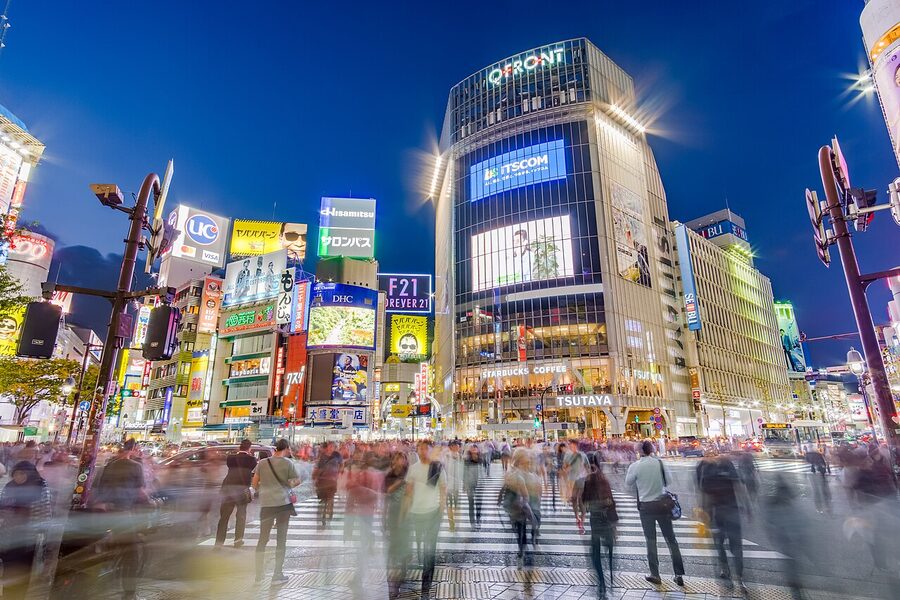
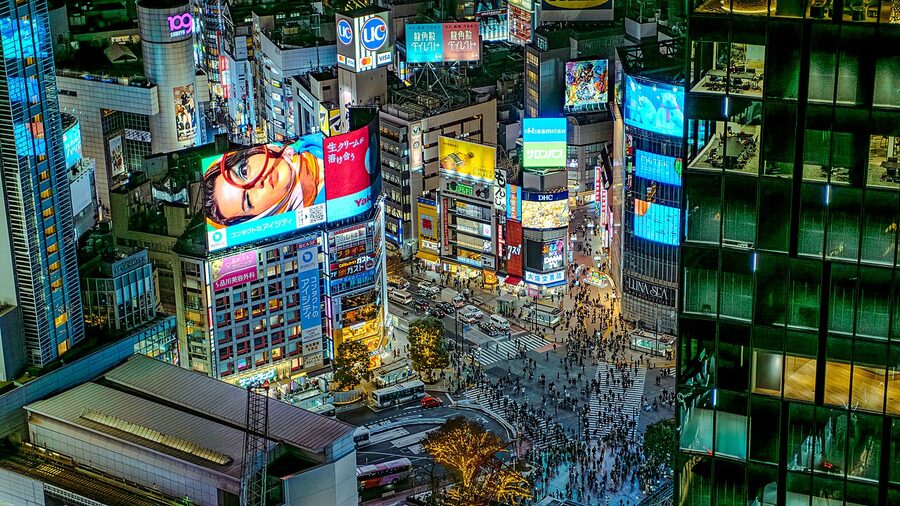
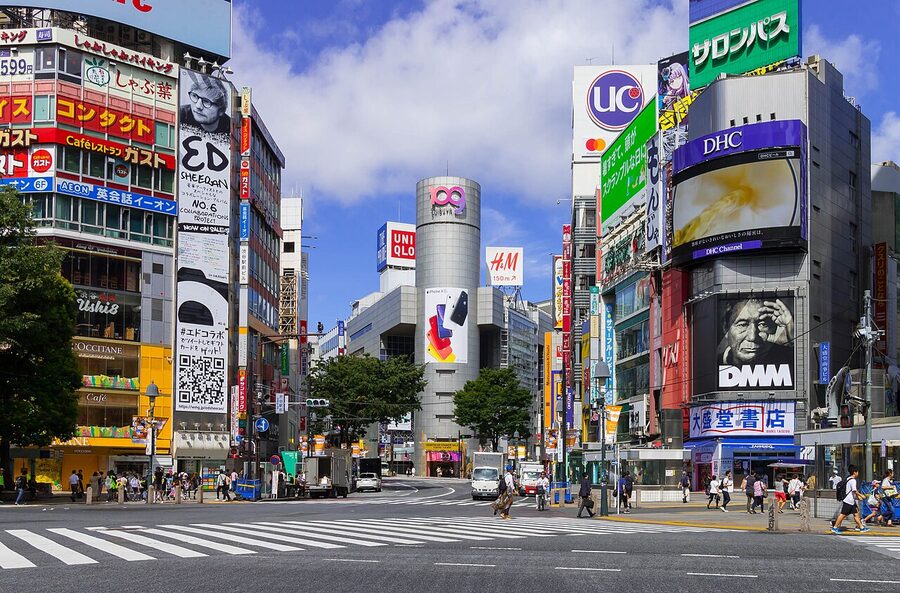
The Shibuya Scramble Crossing (渋谷スクランブル交差点) is the five-way pedestrian intersection that’s become shorthand for Tokyo itself. An estimated 2,500 people cross in every light cycle. It’s chaos, it’s choreographed, and if you cross it three times and don’t smile we’ll refund your yen. The light cycle is short — maybe 40 seconds of green — and every pedestrian in a 100-metre radius piles in at once.
Free. Always on. Best times for photos: dusk (the neon starts but daylight’s still there) or heavy rain (everyone has umbrellas, the ground reflects, it’s cinematic). Crossing with the crowd is the point. Crossing diagonally is encouraged. If you want the aerial shot, see items 5 and 8 below.
2. Go up Shibuya Sky
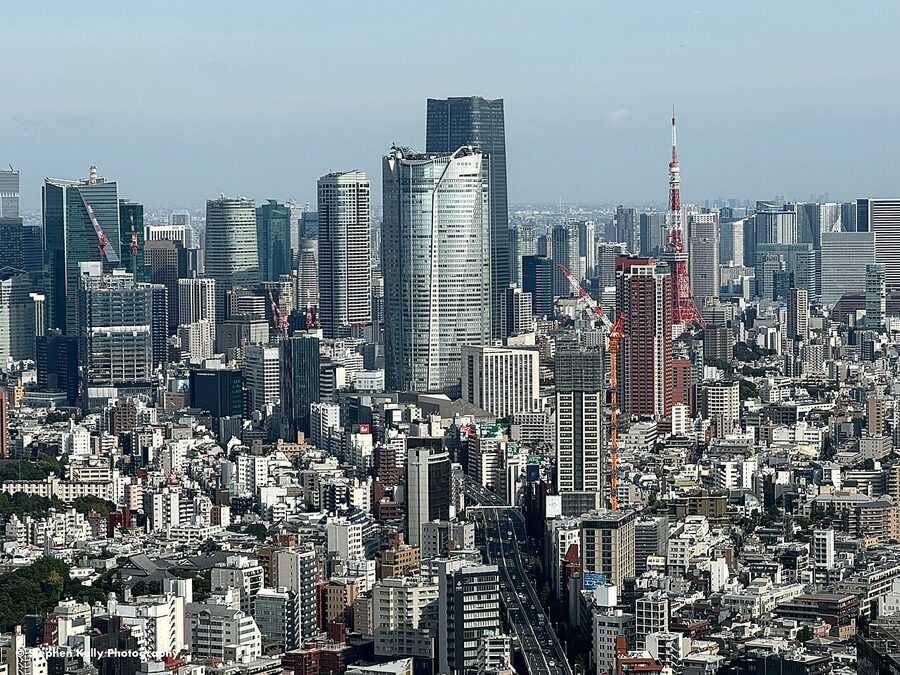
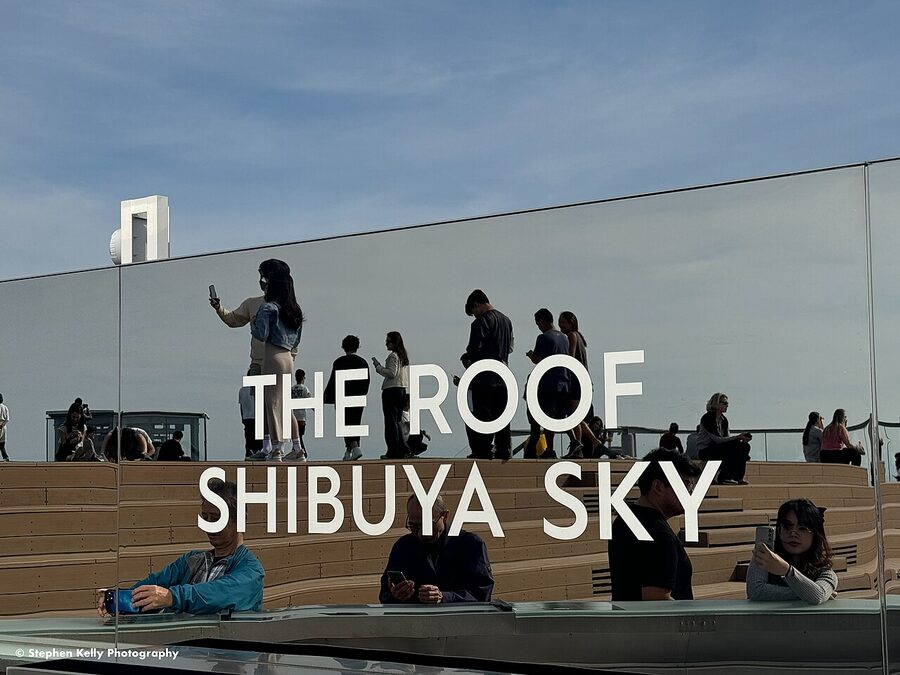
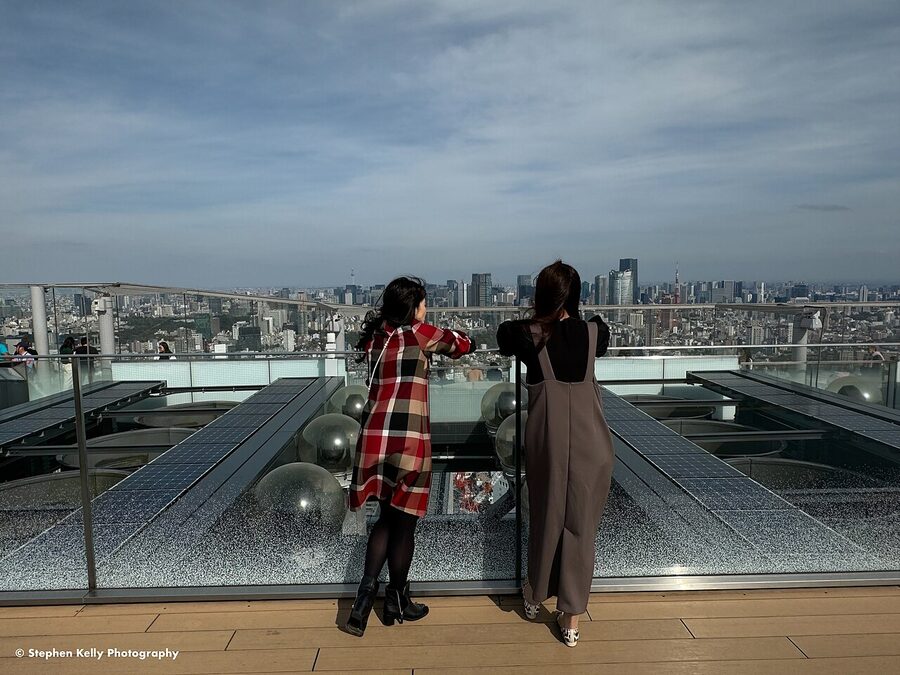
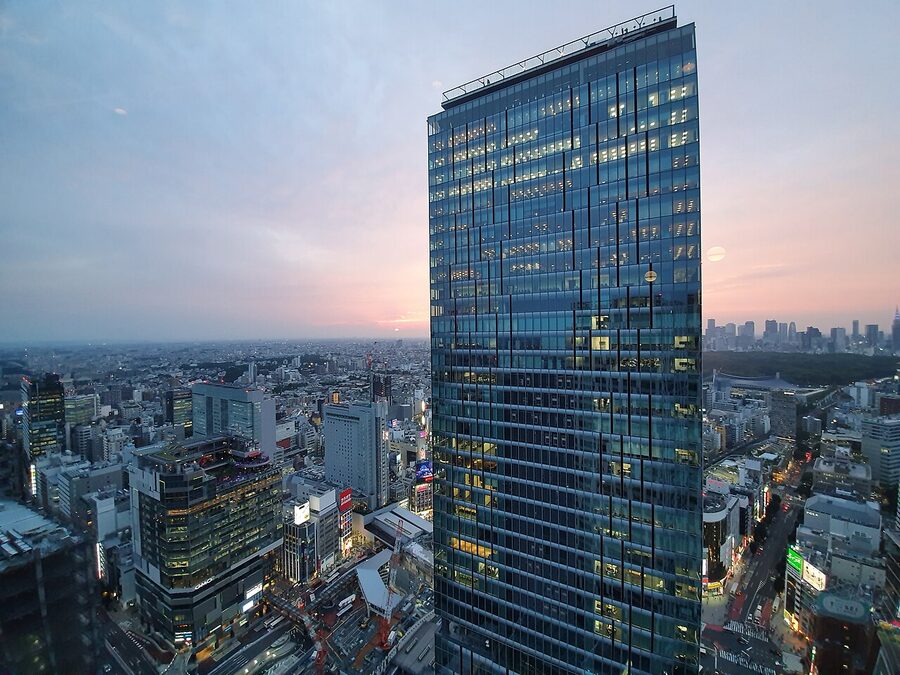
Shibuya Sky is the open-air rooftop observation deck at the top of Shibuya Scramble Square — 229 metres above street level, 360-degree views, and a glass-edged helipad platform that lets you look straight down into the Crossing. It’s the best new Tokyo observation deck that’s opened this century. On clear days you can see Mt Fuji. On unclear days you can still see Tokyo Tower, Skytree, the bay, and Yoyogi Park.
Entry: ¥2,500 online, ¥3,000 at the door. Book at least a day ahead online — same-day slots sell out by mid-morning. Hours: 10am–10:30pm (last entry 9:20pm). The time slot to book: the sunset slot (varies by season — check website). 30 minutes before sunset gets you the gradient plus the blue-hour neon transition. Windy days the roof closes — bring a jacket.
Official site & booking. Compare with our forthcoming Tokyo Skytree and Shibuya Sky deep-dive guides.
3. Meet Hachiko
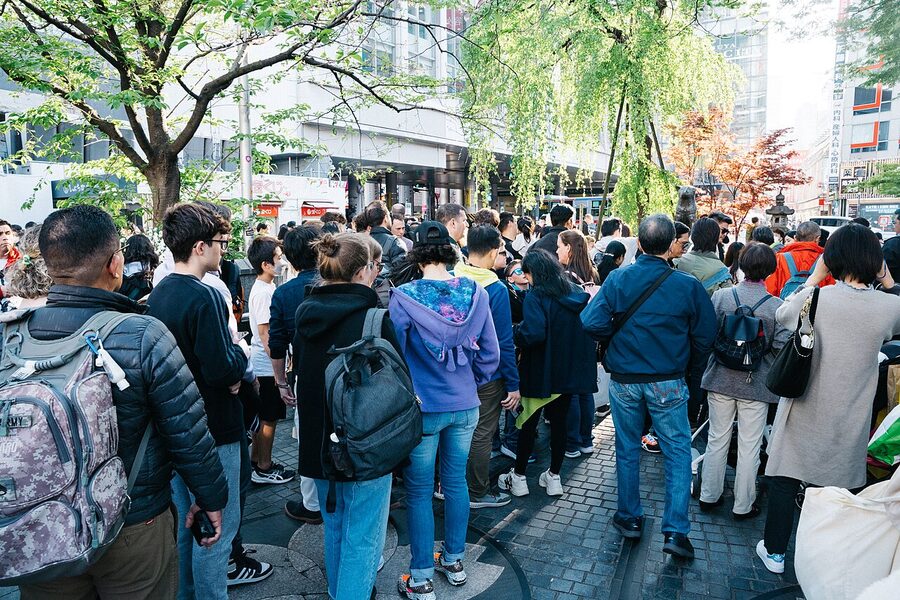
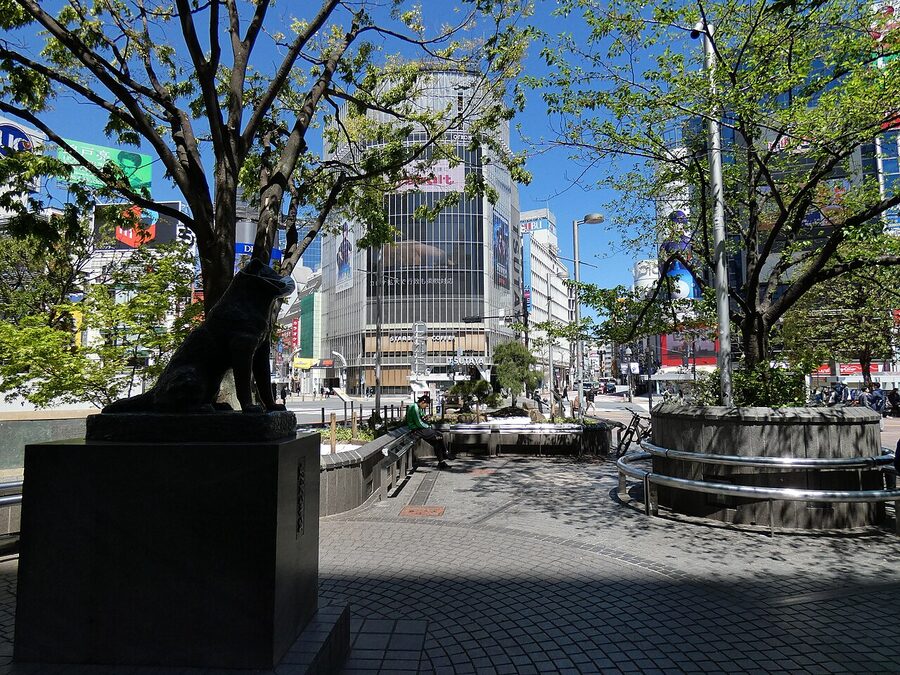
Hachiko (ハチ公) was an Akita dog who waited at Shibuya Station every afternoon for his owner, Professor Ueno, to come home from work. Hachiko kept waiting for nine years after Ueno died unexpectedly in 1925. The bronze statue, by the Hachiko Exit of Shibuya Station, has been Tokyo’s most-used meeting point for 90 years. It’s small, it’s a little underwhelming in photos, and it is genuinely moving in person if you know the story.
Free, always there. Always has a small queue for photos — move on politely, don’t linger. There’s a separate Hachiko statue on the University of Tokyo campus where Ueno worked — sweet, but skip unless you’re in the area. Note: ‘meet me at Hachiko’ works for every Tokyoite and most tourists who’ve done a minute of research.
4. Shibuya Scramble Square building
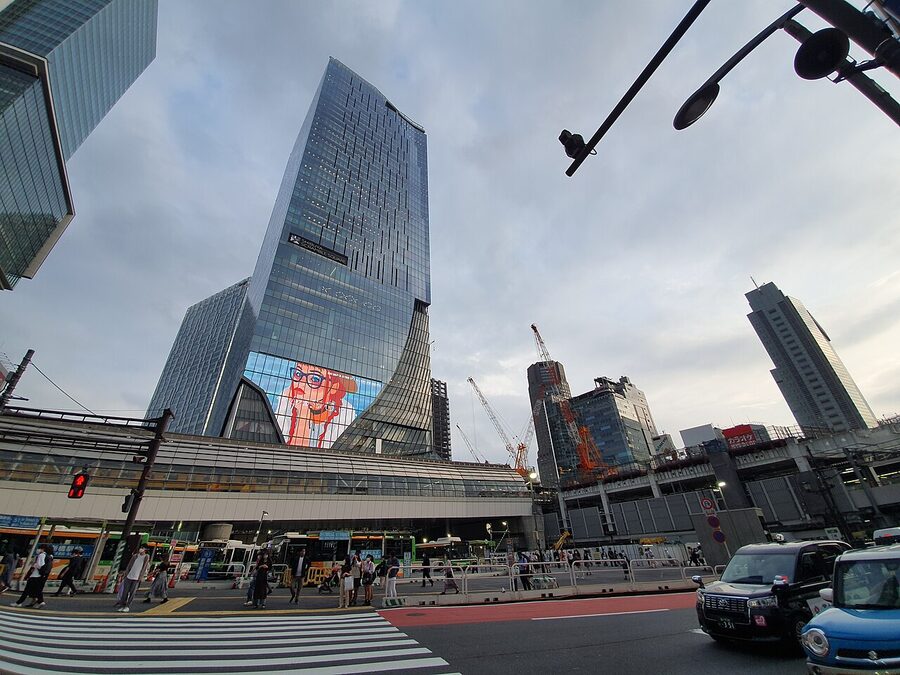
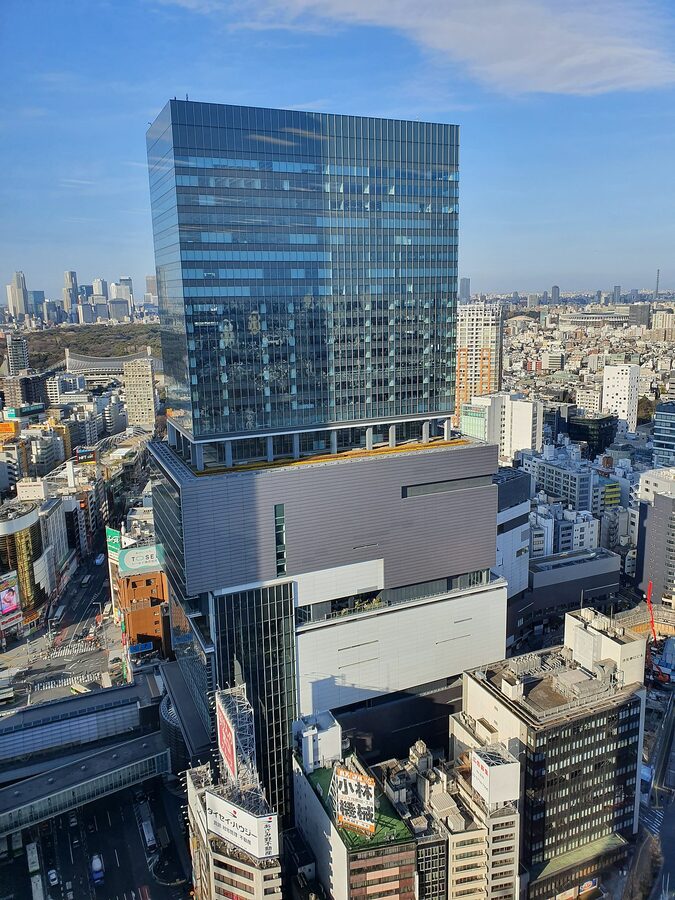
The glass tower that houses Shibuya Sky (item 2) is itself an attraction: Shibuya Scramble Square (opened 2019) is a 47-storey mixed-use complex with 14 floors of retail, a 47F observation deck, and several floors of food. The lower-floor restaurants (basement and 12th/13th floor) are good mid-range options that you can actually walk in and get a table for (unlike the Sky).
The B2 food floor (Shibu Niwa) has a decent mix of casual Japanese — a tonkatsu specialist, a ramen outlet, a decent standing sushi bar. Budget ¥1,500–2,500 per person for lunch. Not destination-tier food but a reliable refuel if you’ve just come down from the Sky deck.
5. Climb to Starbucks Shibuya Tsutaya for the Crossing view
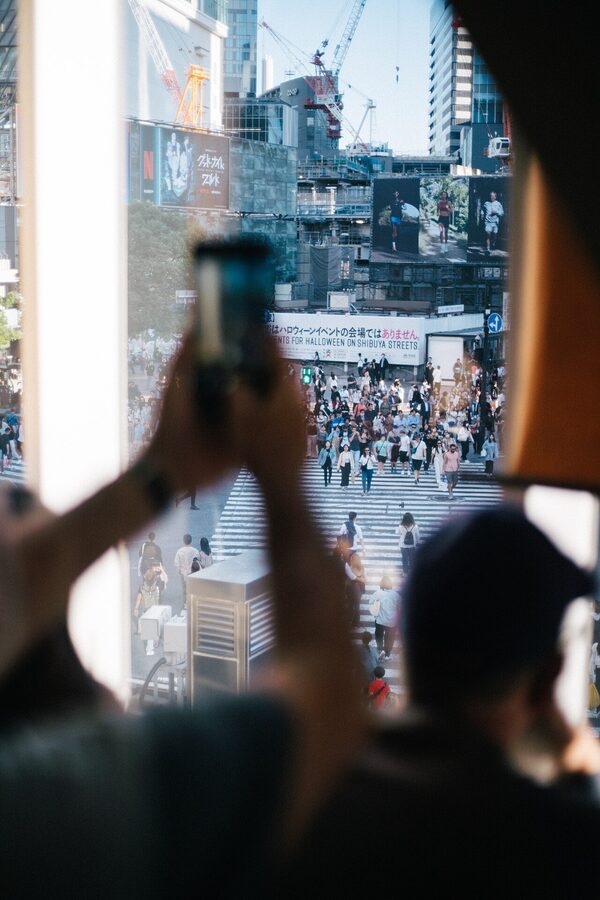
Starbucks Shibuya Tsutaya — the one on the second floor of the Tsutaya bookstore, directly across the Crossing from Hachiko — is the single most famous Starbucks in the world. It’s also the cheapest and easiest way to see the aerial Shibuya Scramble shot, with a window seat overlooking the intersection. You pay ¥500 for a drip coffee and earn yourself a grandstand seat.
The window seats are coveted and occupied basically always. You’ll queue 5-15 minutes just to order, then another 10-20 for a seat (people hover). Optimal strategy: weekday mid-afternoon (2-4pm) is when turnover is highest. Don’t try to get a seat on Friday or Saturday evening — write it off.
6. Find the Myth of Tomorrow mural
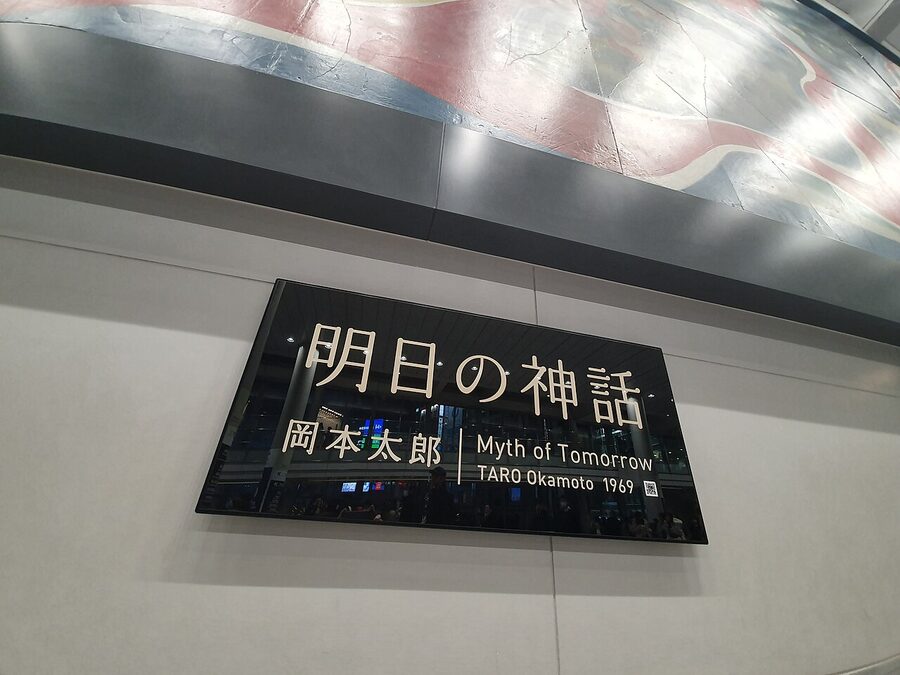
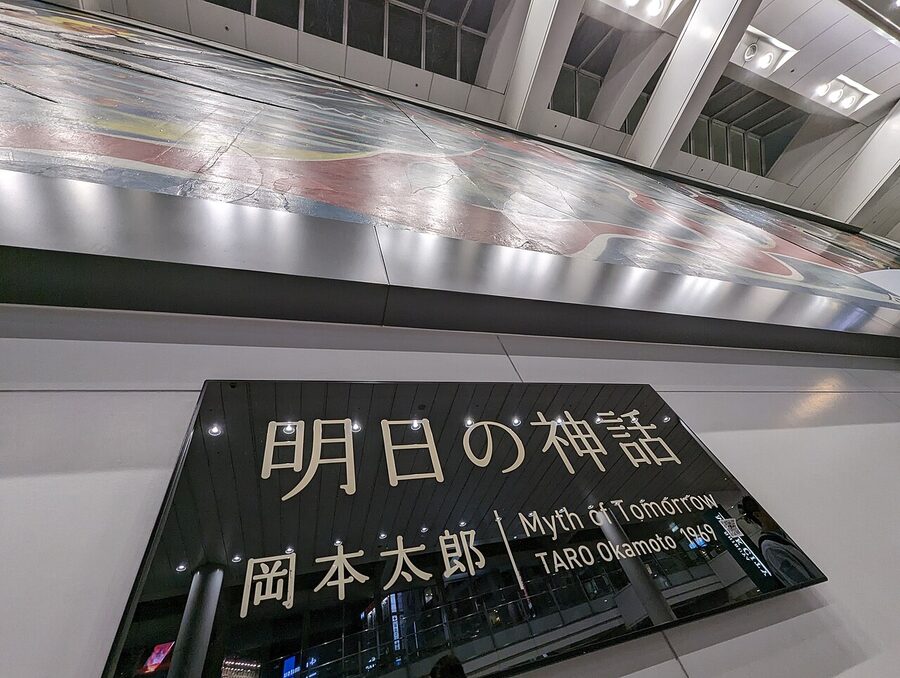
Inside Shibuya Station, in the connecting corridor between the JR and Keio Inokashira lines, hangs one of Japan’s most important 20th-century paintings: Myth of Tomorrow (明日の神話), by Tarō Okamoto. It’s a 30-metre-long mural depicting the 1954 Castle Bravo nuclear test — the moment of detonation, rendered in Okamoto’s wild anti-war style. It was lost for decades, rediscovered in a Mexico City warehouse in 2003, and installed here in 2008.
Free. Inside the station. Most commuters walk past it without looking up, and you’ll probably need to stop dead in the middle of rush hour to see it properly. Worth it. This isn’t a gallery piece — it’s one of Tokyo’s most significant public artworks, in a train-station corridor.
7. Walk Center Gai
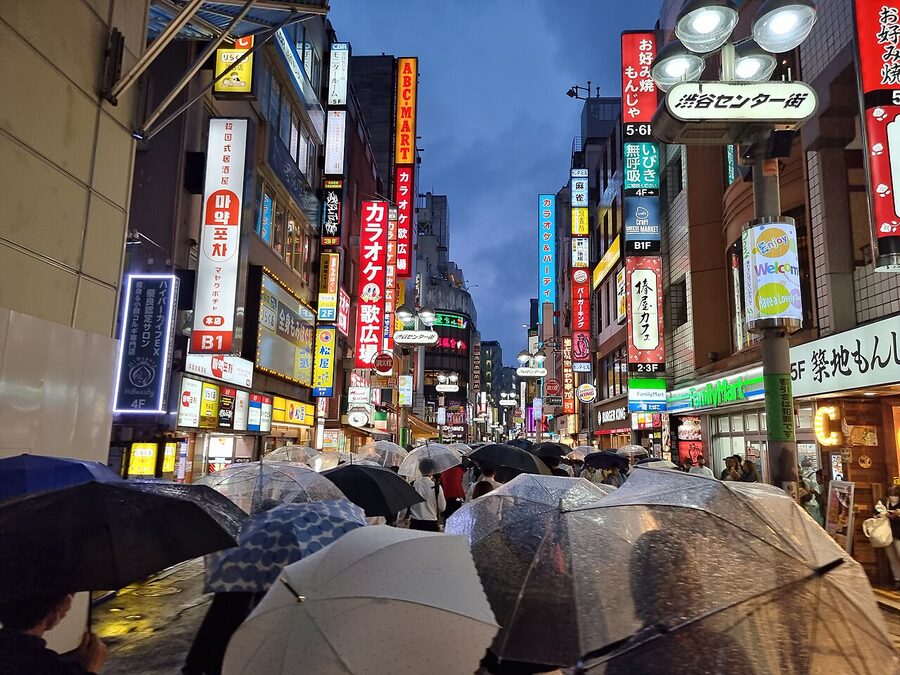
Center Gai (センター街) — officially renamed Basketball Street, a name nobody uses — is the main pedestrian shopping street running north off the Crossing. It’s chaos: fast food, chain clothing, arcades, karaoke, drugstores, teens, tourists, and a truly impressive density of multi-storey entertainment buildings stacked on top of each other. If Takeshita Street in Harajuku is kawaii teenage chaos, Center Gai is grown-up Tokyo chaos.
This is where you come for late-night cheap food (ramen at Ichiran is on Center Gai, Ichikoku is a block off), cheap souvenirs (Don Quijote is off the main drag — item 13), karaoke (multiple locations), and the default crowd-surfing Tokyo experience. Don’t try to have a quiet meal here. Lean into the noise.
8. Take in Miyashita Park
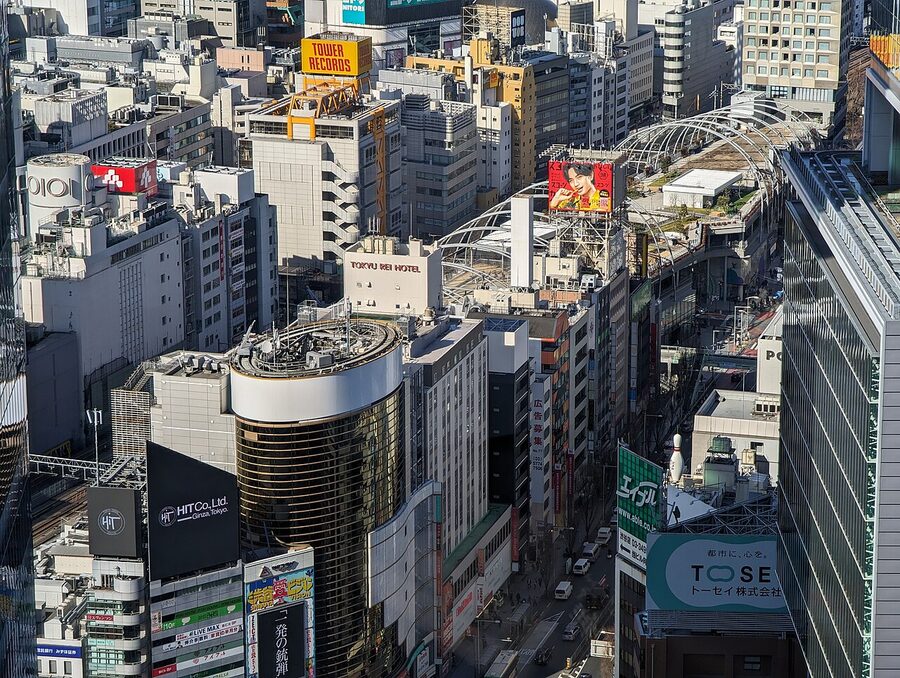
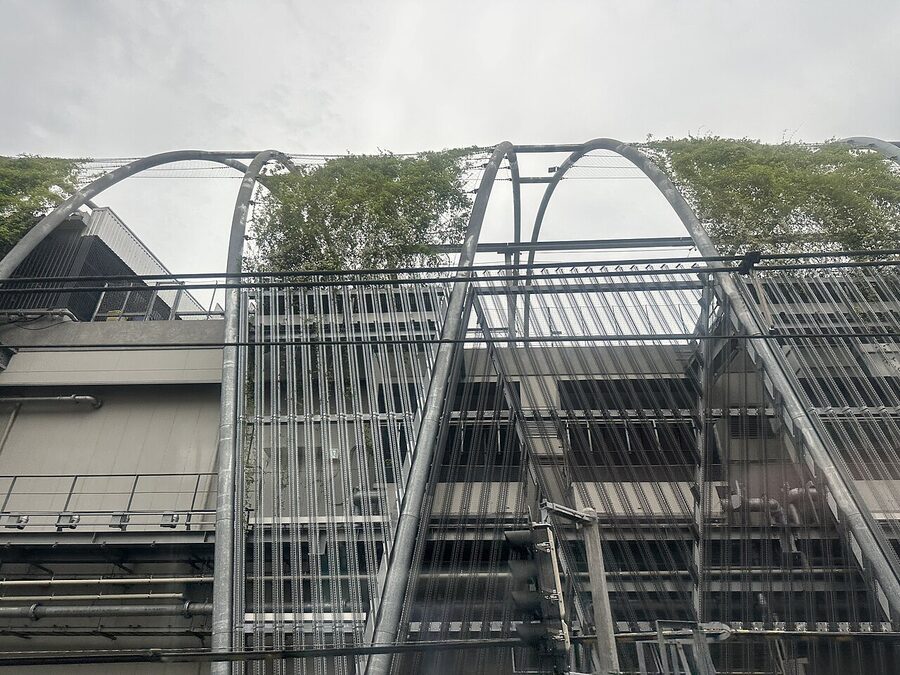
Miyashita Park (宮下公園) is the narrow 330-metre-long rooftop park-slash-mall that opened in 2020 above a new commercial complex. Four storeys of restaurants and shops at ground level, then a full-length rooftop park on top with a skate bowl, bouldering wall, sand court, and a whole lot of benches. It’s a weird Tokyo Frankensteinian thing that absolutely works.
Go up to the rooftop via the elevators in the Sequence Miyashita Park hotel entrance — it’s free to access. The hotel rooftop bar (Soba House Konjiki Hototogisu is actually up there too) gives you a good sunset-beer slot. Open 8am-11pm.
9. Drink at Nonbei Yokocho
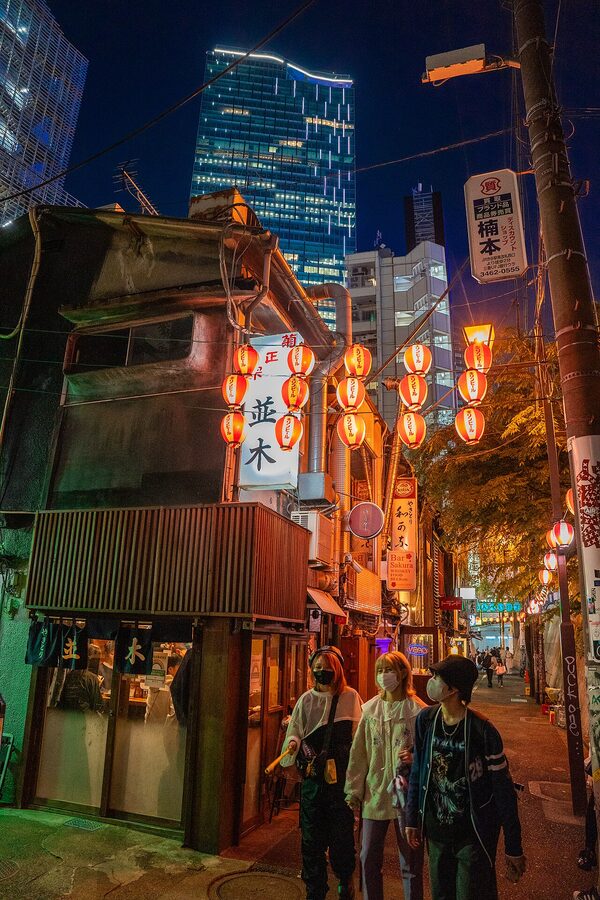
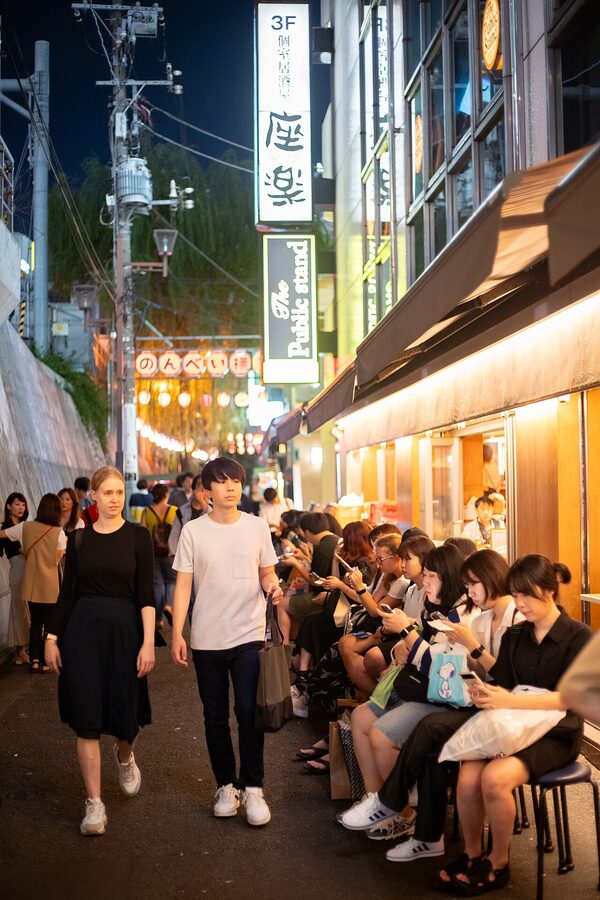
Nonbei Yokocho (のんべい横丁) — literally ‘drunkard’s alley’ — is a two-row cluster of around 40 tiny Showa-era bars crammed into a few dozen metres of alley on the north side of the Crossing. The bars seat 4-8 people each. Most are cash-only. Most are friendly to foreigners who sit down quietly and don’t make a mess. It’s one of the few genuinely old-Tokyo drinking districts that survived post-war Shibuya’s re-development.
Our rules: Walk the whole length before choosing — each bar has its own vibe. Avoid the ones with tout boards outside (they’re aimed at tourists; drinks are marked up). Look for bars with the regulars visible inside — they’ll often wave you in. Budget ¥1,500-3,000 per person for 2-3 drinks and an otoshi (small table-charge snack).
10. Shop Shibuya 109
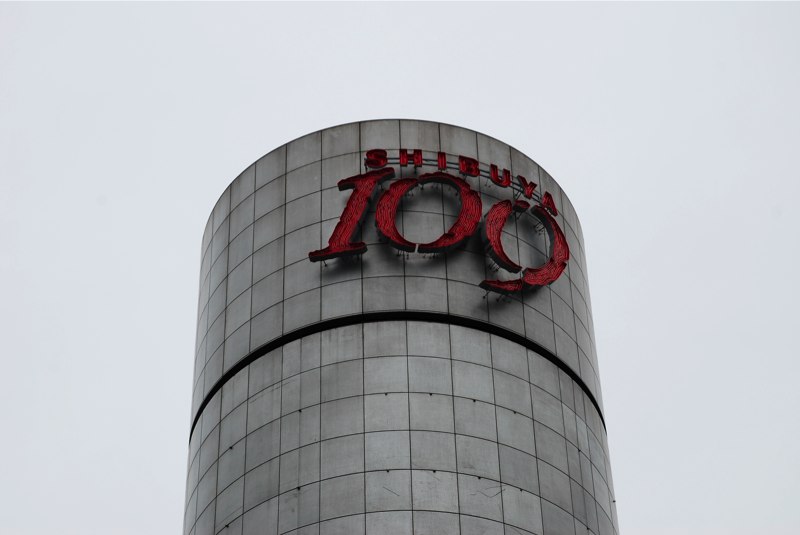
Shibuya 109 (officially MAGNET by Shibuya109, but everyone calls it 109) is the cylindrical building at the corner of the Crossing — 8 floors of Japanese women’s fashion, most of it aimed at 15-25 year olds. It’s the spiritual home of Shibuya gyaru style (even if gyaru is long out of fashion), and a useful anthropology lesson on what Tokyo fashion actually looks like versus what shows up on Instagram.
Even if you don’t buy anything, ride the escalator all the way up — each floor has a completely different aesthetic. The basement B2 floor is cheaper basics (good for travel-emergency t-shirts). The top floor (Magnet rooftop) has an open-air terrace overlooking the Crossing — ¥500 for a coffee earns you the view. Hours: 10am–9pm.
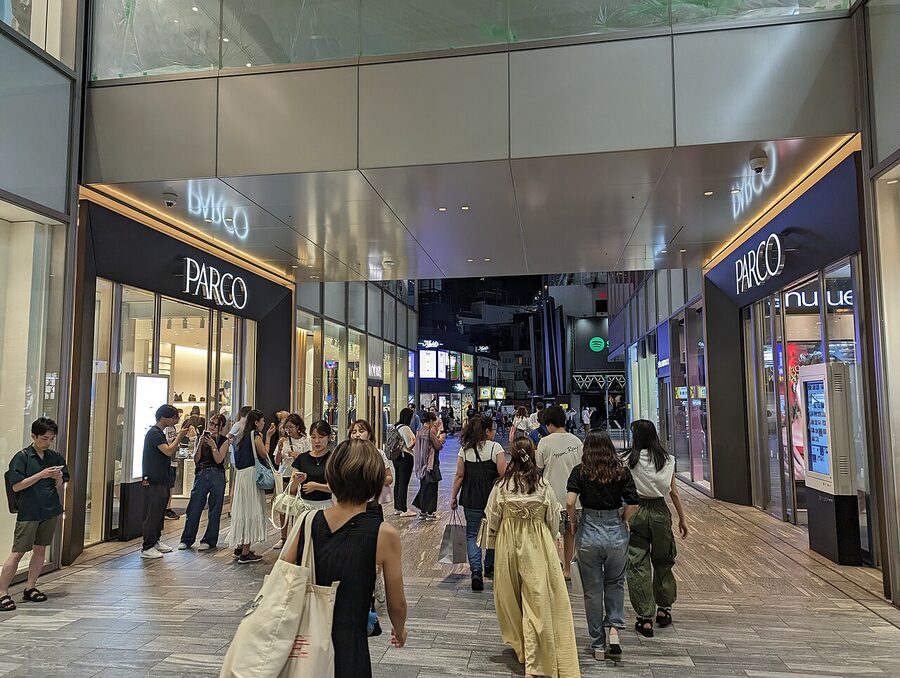
11. Shop Shibuya PARCO
Shibuya PARCO is a 10-floor department store just off Center Gai — rebuilt in 2019 and currently the most interesting big-store in the district. Floors 5-6 are the reason you go: Nintendo Tokyo (item 12), Pokemon Center (item 13), Capcom Store, Jump Shop (for manga fans), and Shonen Jump +. The ground floor also has a Tower Records branch on level 6 that we’ll mention below.
If you’ve got kids, fans of any Japanese game franchise, or nephews you need to bribe with souvenirs, PARCO is a one-stop kill. Avoid peak weekends — the queues for Nintendo alone can be 30+ minutes. Weekday mornings are calm. Hours: 10am–9pm.
12. Nerd out at Nintendo Tokyo
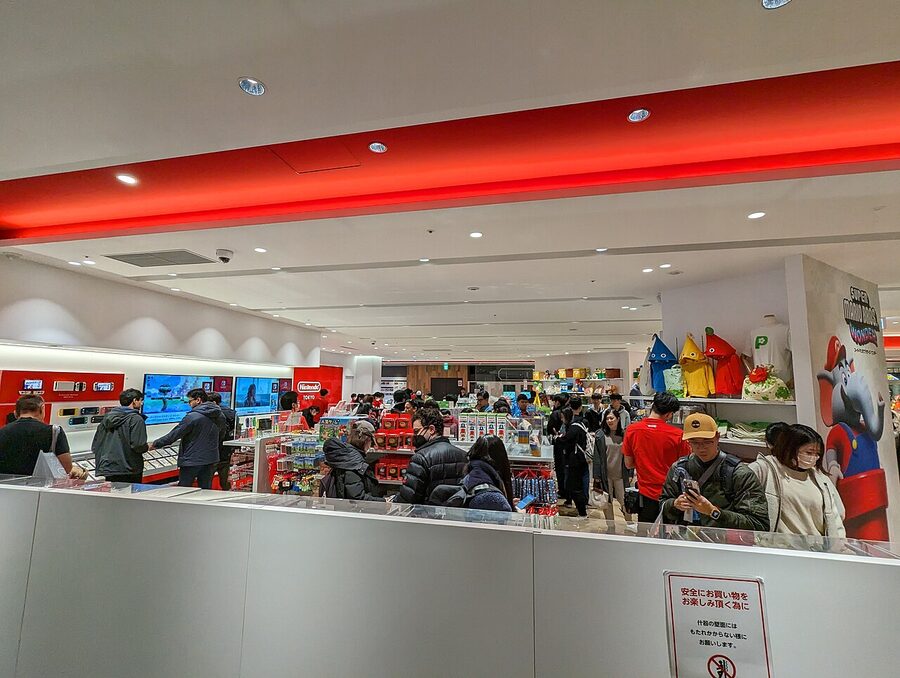
Nintendo’s flagship Nintendo Tokyo store on PARCO’s 6th floor is a genuine must-visit if you’ve ever touched a Mario game. Every first-party franchise has its own merchandise wall — Mario, Zelda, Splatoon, Animal Crossing, Pokémon (which has its own neighbouring store, item 13). Limited-edition Japan-only items that you literally cannot buy anywhere else. If you’re a Switch owner, budget will disappear fast.
Queue before opening (10am) on weekends and popular exhibit-launch days; on weekday mornings you can walk in. Tax-free counter with passport. Shipping abroad is not currently offered — plan to carry your loot.
13. Pokémon Center Shibuya
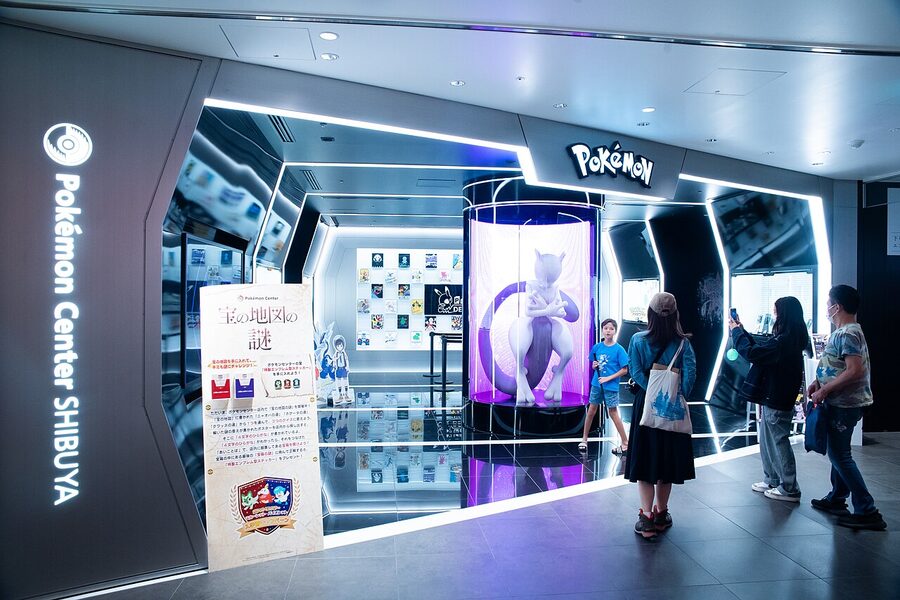
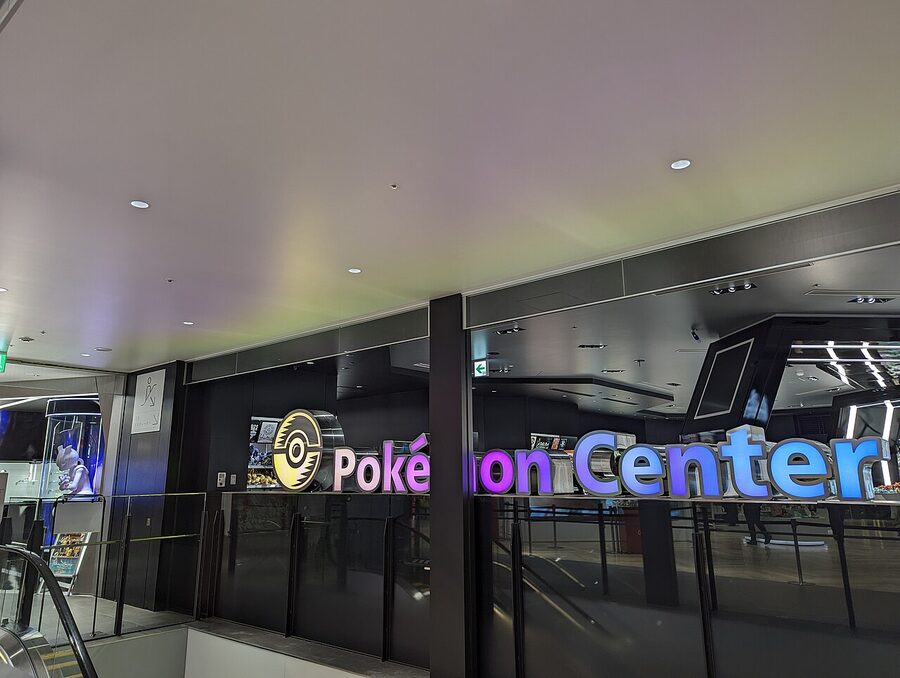
Right next door to Nintendo Tokyo, the Pokémon Center Shibuya goes harder on Pokémon specifically than the flagship stores in Mega Tokyo or Nihonbashi. Full plushie walls (the 1,025 species in various scales), trading cards, clothing, and the Shibuya-specific Pokémon (which is, as of this writing, Mewtwo with a leather jacket — we did not make this up).
Cash or card, tax-free with passport. Weekend queues can be 20-30 minutes just to get in the door; we suggest popping in mid-morning on Monday or Tuesday.
14. Raid MEGA Don Quijote Shibuya
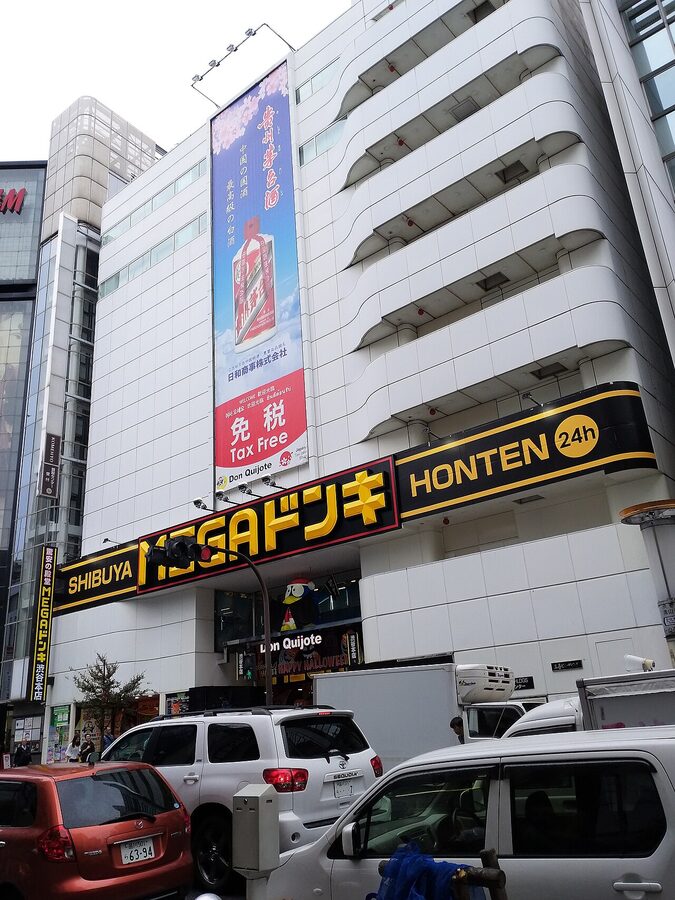
Don Quijote (Donki to locals) is Japan’s big-box discount chain, and the Shibuya branch — MEGA Don Quijote Shibuya Honten — is one of the largest and weirdest in Tokyo. Seven floors, 24-hour operation, everything from cheap t-shirts to full-size motorcycles, a floor of skincare and cosmetics (stocked specifically for tourists), souvenirs, luggage, toys, snacks, an entire floor of sex shop stuff — it’s an experience.
This is where you buy: Japanese KitKat varieties (¥800–1,500/bag), beauty products, cheap t-shirts, and pretty much any souvenir you forgot to get elsewhere. 24-hour means you can shop at 3am after a bar crawl, which is its own life experience. Tax-free counter on the ground floor with passport.
15. Shop Shibuya Hikarie
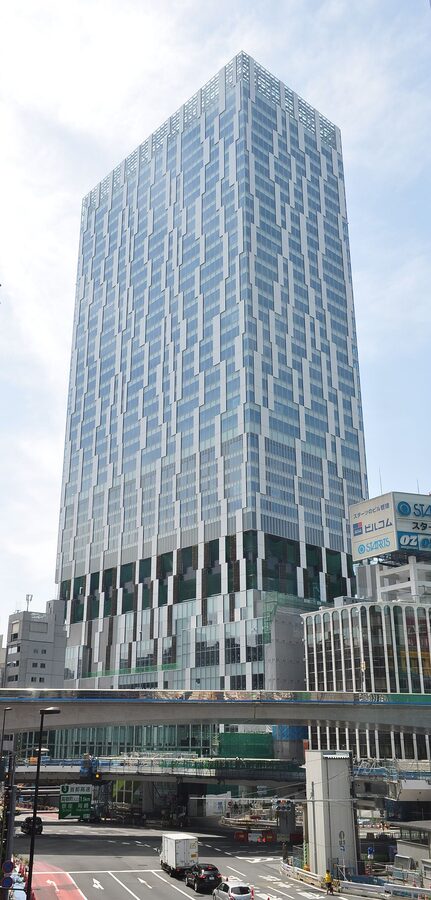
Shibuya Hikarie is the shiny 34-floor mixed-use tower just east of the station (over the Fukutoshin line entrance). It’s the quieter, more grown-up shopping alternative to PARCO or 109: ShinQs women’s fashion, food halls on lower floors, a ¥1,100-ish tempura specialist, Japan’s Creators’ floor (Floor 8) for rotating design exhibitions. Not life-changing, but clean and useful.
The 11th-floor Sky Lobby has a free public viewing area with Tokyo views from the east side — decent Shibuya skyline shot, worth the elevator ride even without paying. The 4F Tokyu Theatre Orb hosts Broadway-style musical imports if you need a rainy-day fall-back. Hours: 10am–9pm (shops).
16. Sunset drink at Shibuya Stream rooftop
Shibuya Stream is the long, low commercial strip that runs south of the station along the newly uncovered Shibuya River. The complex opened in 2018 and is named for the stream it literally sits on top of. The restaurant-heavy ground floor has a good range of indie-ish eateries; the 13th-floor hotel lobby gives you an accessible, open-air rooftop bar with views back toward the Crossing.
The river itself is worth a minute — it was covered by concrete for 50 years and daylighted in 2018. Walk south along the restored stream bed for 5 minutes to reach the Shibuyabashi — a small old bridge that’s 100 years older than the buildings around it.
17. Walk through Shibuya Mark City
Shibuya Mark City is the mall that directly connects the Keio Inokashira line and the JR Shibuya platforms with a walkway overpass. It’s the least-exciting-but-most-useful of Shibuya’s buildings. The second-floor food hall ("Tokyu Food Show") is one of Tokyo’s best depachika (department store basement food floors) — hundreds of tiny shops selling prepared food, pastries, regional sake. Great for a picnic grab before heading to Yoyogi Park.
The most photographed Mark City feature is actually just the walkway overpass — it runs above Dogenzaka slope and gives you a framed view straight down to the Crossing. Free, always accessible during store hours.
18. Catch Tokyu Plaza Shibuya (and its rooftop)
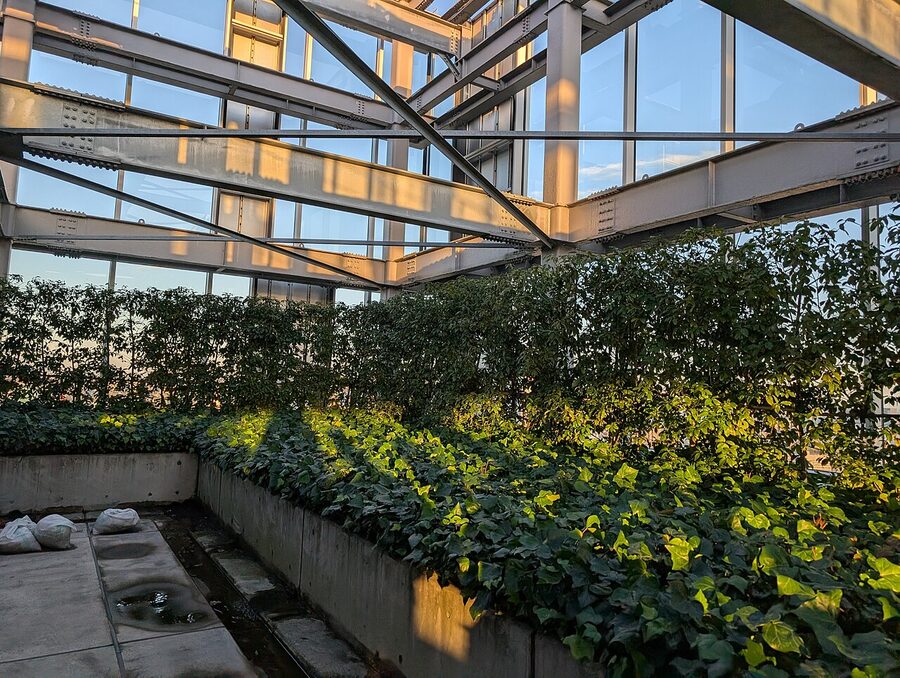
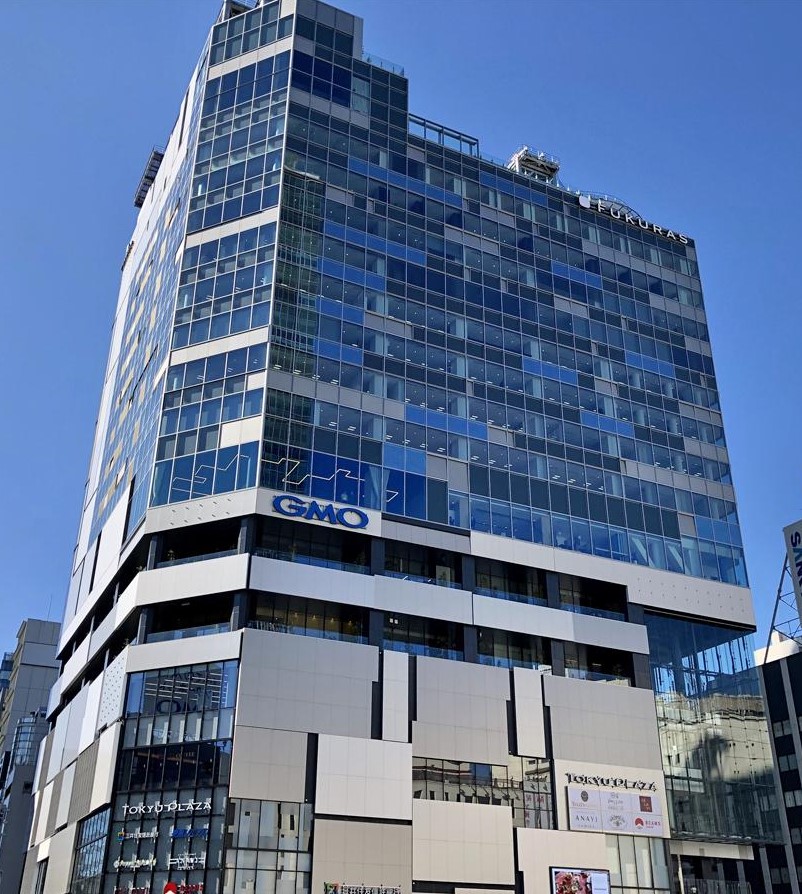
Not to be confused with Tokyu Plaza Omotesando (that’s in our Harajuku guide), Tokyu Plaza Shibuya is the rebuilt 2019 complex at the west-south corner of the Crossing. It has 17 floors of retail and — crucially — the Shibu-Nya cat mascot and the 17th-floor rooftop (Shibuya-Fukuras Sky Garden). The rooftop is not as big as Shibuya Sky’s, but entry is free, and the view covers the same 270 degrees — Scramble Crossing, Yoyogi Park, Tokyo Tower on a clear day.
Go for sunset if you don’t want to pay ¥2,500 for Shibuya Sky. The Tokyu Plaza rooftop has drinks (¥600-900) and benches. No reservations. Weekend sunset can fill up; weekday sunsets are yours. Hours: 11am–9pm (shops), rooftop until 10pm.
19. Wander Dogenzaka
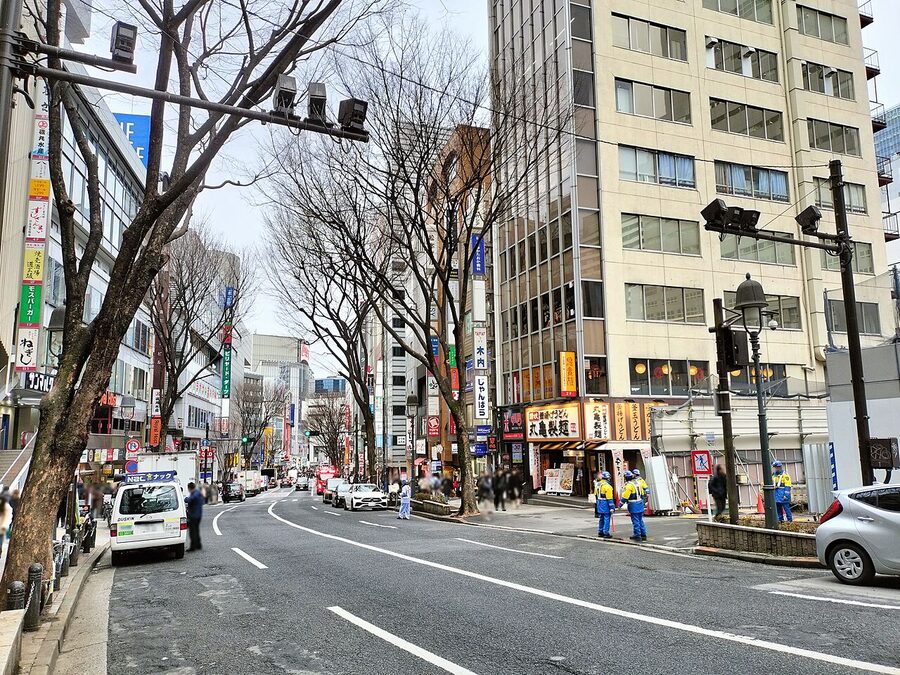
Dogenzaka (道玄坂) — the slope that climbs west from the Crossing — is Shibuya’s entertainment district after dark. By day it’s unremarkable shops and unfashionable ramen. By night it’s karaoke boxes, izakayas, clubs, and (further up) love hotels. It’s the part of Shibuya we know you’ll see and not quite know what to do with.
What to do on Dogenzaka: have a drink at a standing bar (try Shibuya Horikawacho, a short alley off the main slope). Karaoke at Joysound or Karaoke Kan. Late-night ramen at Ichiran (chain) or the independents up the slope. For clubs, Womb (techno), Vision (bigger), and Contact (underground) are all in this area.
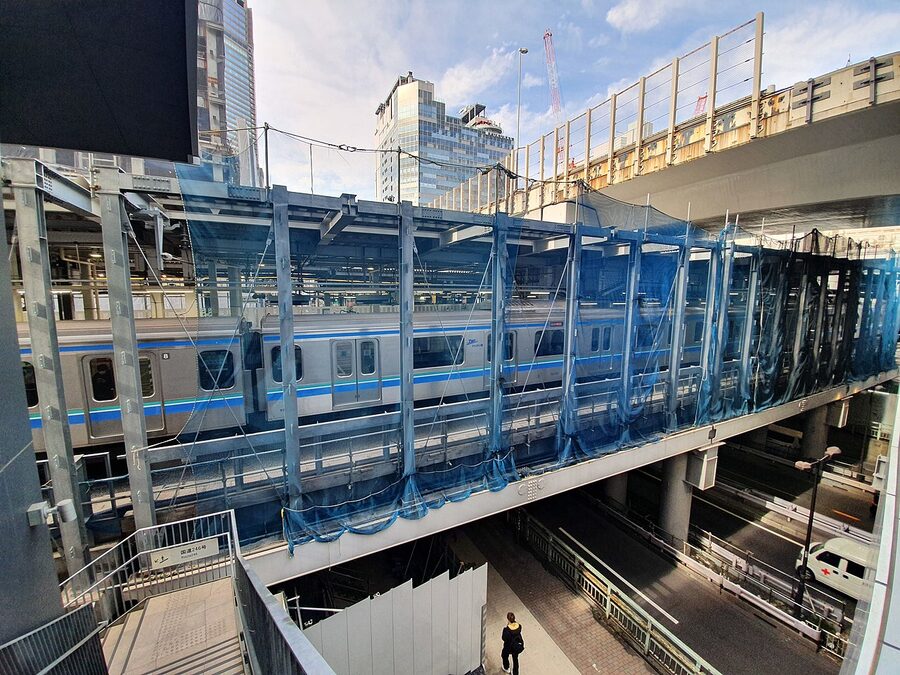
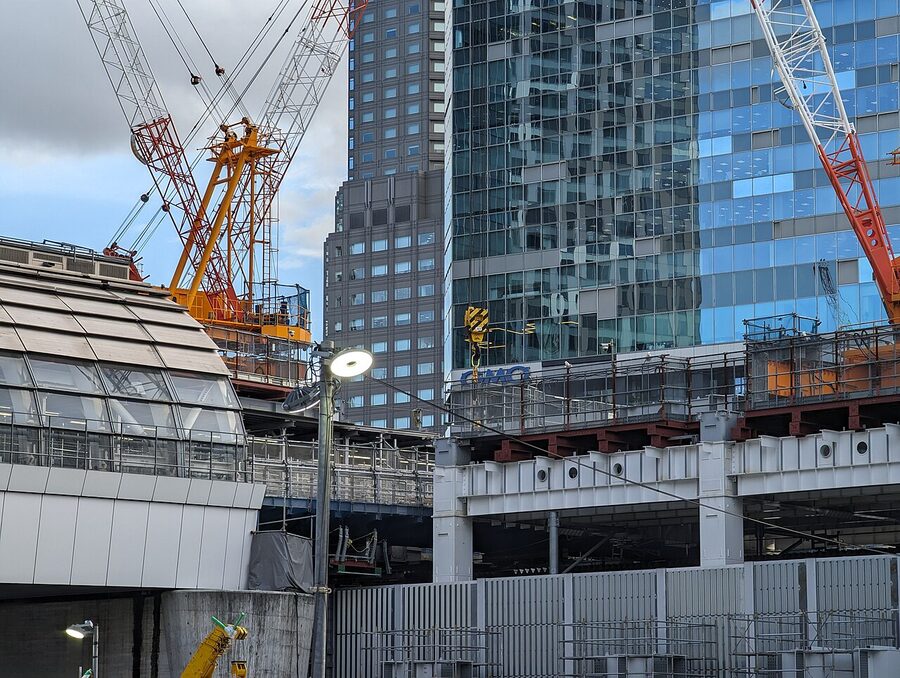
20. See Shibuya Station (the building site)
Shibuya Station itself has been under continuous rebuilding since 2013 and is projected to finish around 2027. The result right now is that the station is a maze of temporary walkways, rotating entrances, and ad-hoc signage. It’s one of the most visually chaotic buildings in Tokyo. We don’t recommend coming here specifically for it — but you’ll pass through it, and noticing the in-progress construction is part of understanding modern Tokyo.
Useful exits: Hachiko (Crossing), South (Shibuya Stream), West (Mark City), East (Hikarie). Each is clearly signposted. Between lines the connections sometimes require a 5-minute walk — factor that in for tight transfers.
21. Shibuya neon after dark
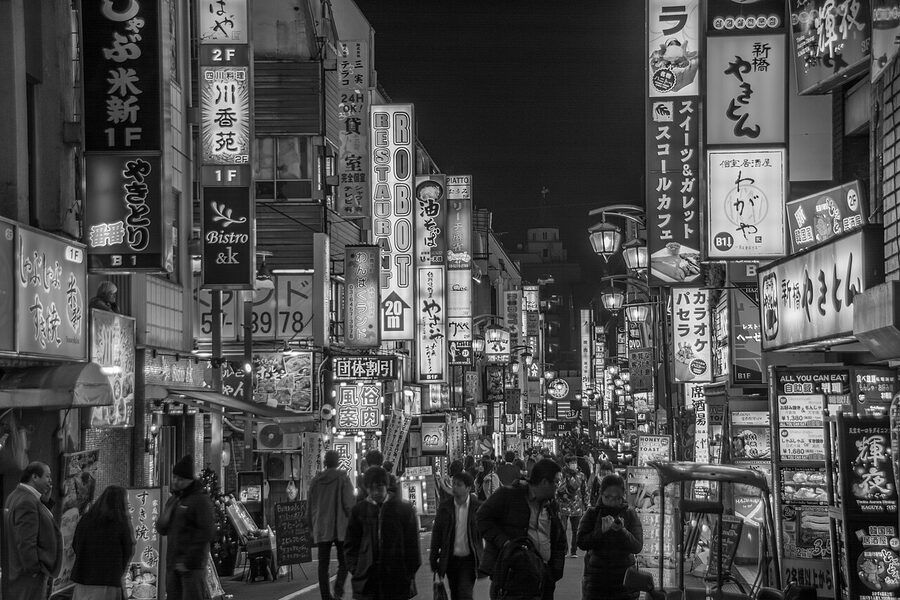
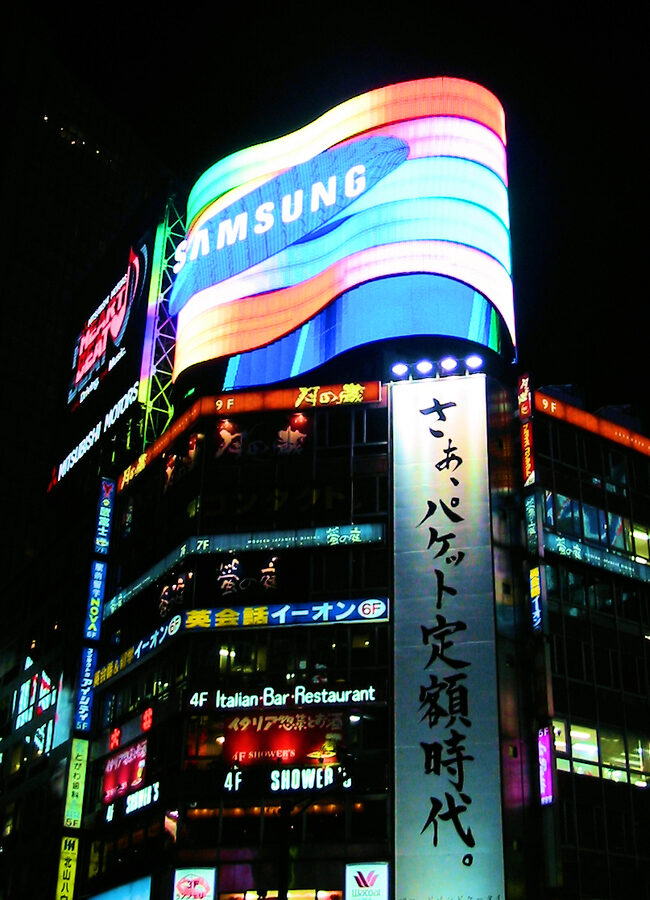
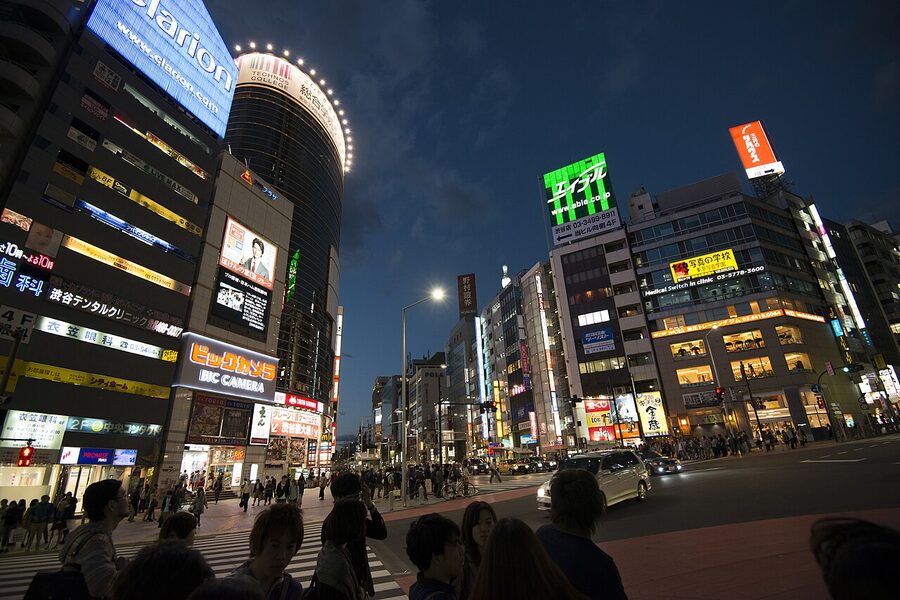
Shibuya’s neon-at-night experience isn’t contained in any one attraction — it’s the whole district after 7pm. Do a lap. Start at the Crossing, walk up Center Gai, take Dogenzaka up one side and down via the back streets, loop past 109 and PARCO, end at Miyashita Park rooftop for one more drink. That’s your Shibuya Saturday night, no bookings required. Total walking: about 90 minutes.
Tokyo’s general rule for nightlife: the street-level noisy bits are tourist-facing. The interesting bits are one floor up or one floor down, reached by tiny elevators in buildings plastered with 20+ shop signs. Don’t be scared — most of the upstairs bars are perfectly friendly.
22. Spot the 3D cat billboard (Shibuya Unubore)
On the south side of the Crossing, atop the Cross Shinjuku Vision Shibuya building opposite PARCO, is a 3D billboard featuring a giant tortoiseshell cat that wakes, stretches, and meows on a regular schedule. It launched in 2021, went viral, and briefly was the most-photographed object in Tokyo. The cat still performs every 10-20 minutes during the day. It is, genuinely, delightful.
Look for it from the Crossing itself — stand on the Hachiko side and look up at the large curved screen on the south-east-facing building. The cat is programmed to show during daylight hours and into early evening.
23. See something at Bunkamura (or check the Orchard Hall)
On the western edge of the district, Bunkamura is a cultural complex housing a concert hall (Orchard Hall), a theatre (Theater Cocoon), an arthouse cinema (Le Cinéma), and a small museum. It’s Shibuya’s grown-up counterweight — classical music, avant-garde theatre, European film festivals, and a quiet café on the ground floor that serves decent lunch.
Even if nothing’s on that interests you, the lobby is a calm escape from the Center Gai 30 metres away. The Museum (usually ¥1,500-2,000) is small and often has well-curated international rotating exhibitions. Check the site before you walk there — programming varies month to month.
24. Tower Records Shibuya
Tower Records Shibuya — yes, that Tower Records, which closed in the US 20 years ago but thrives in Japan — occupies 8 floors of a building on Center Gai. It’s one of the largest music stores on earth. Every genre, J-pop in ridiculous depth, a classical floor, an indie/jazz floor, rotating live events on the 8F. The famous "NO MUSIC, NO LIFE" slogan was born here.
Even in 2026, buying a physical Japanese CD at Tower Records Shibuya is a legitimate way to spend 90 minutes. The in-store event calendar (small live performances, signings) is worth checking in advance if you’re into Japanese indie. Hours: 10am–11pm.
25. Take the MAGNET rooftop view
MAGNET by Shibuya109, at the corner of the Crossing diagonally opposite 109, has an open-air rooftop — CROSSING VIEW — that costs ¥300 to enter and gives you the best direct overhead shot of the Scramble. It’s narrower than Shibuya Sky, less comfortable than Tokyu Plaza’s rooftop, but it’s the closest and cheapest vantage for the classic aerial Crossing photo.
Hours: 11am–11pm (last entry 10:30pm). Come at golden hour; you’ll share it with a small crowd of photographers.
26. Eat in the back streets (izakaya crawl)
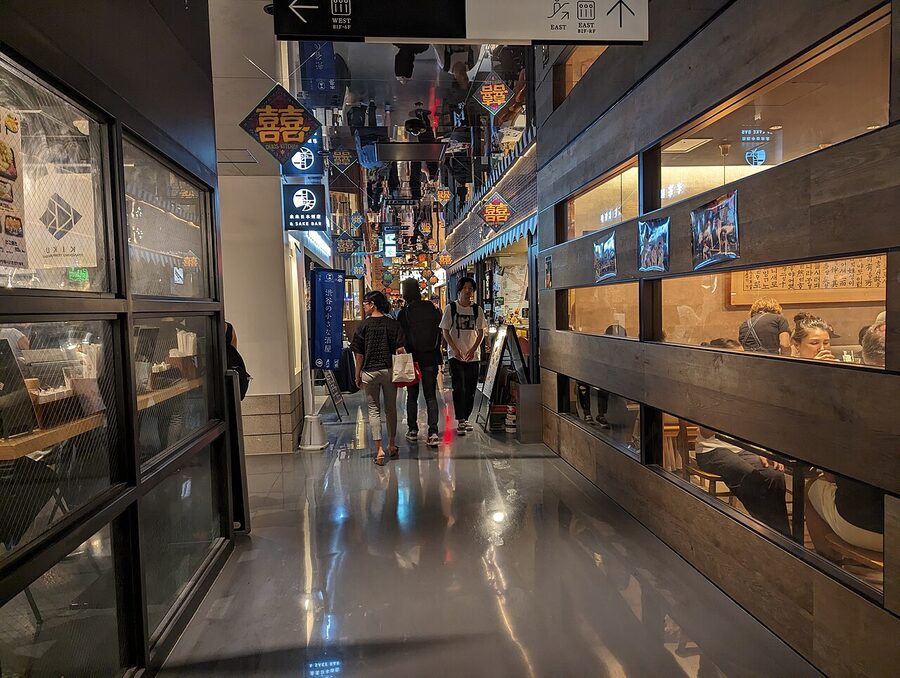
For proper Tokyo izakaya eating, skip Center Gai and head to the smaller streets east of the station — around Shibuya Yokocho and the area behind Shibuya Stream. Tiny chain-style standing bars, 3-seat counter sushi, standing tonkatsu places with 15-minute queues.
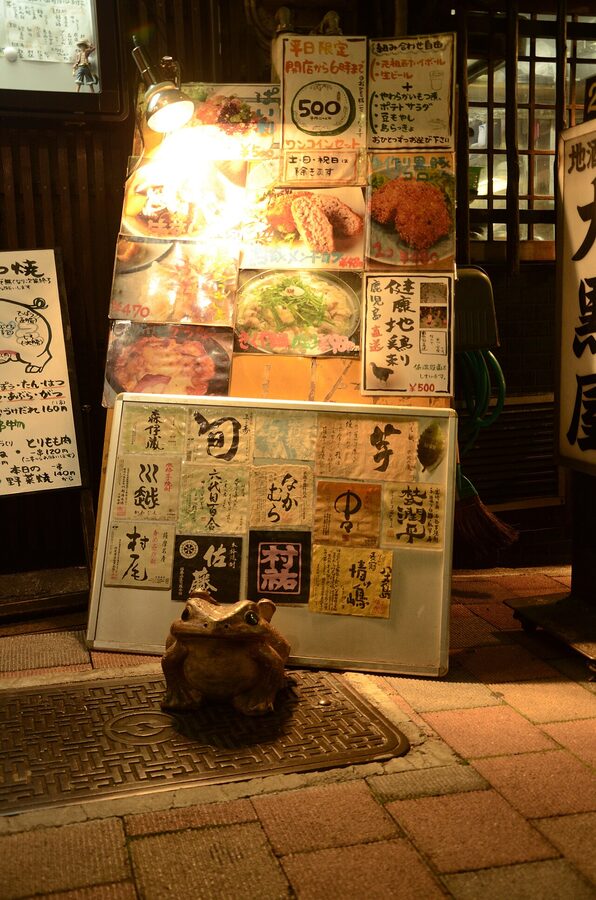
Our reliable rotation: Uogashi Nihonichi Shibuya (standing sushi, ¥110+ per piece), Shibuya Yokocho (a curated food-alley of 19 regional Japanese cuisines — opened 2023, slightly touristy but fun), Ichiran Shibuya (chain ramen, ¥1,000, 24 hours). For proper izakaya eating don’t overthink it — pick any restaurant with laminated photos outside.
27. Learn Shibuya’s history at the Shoto Museum
A 15-minute walk west of the Crossing into the Shoto residential area takes you out of Shibuya’s chaos entirely. Shoto is Tokyo’s highest-per-square-metre residential district — quiet, tree-lined streets, art galleries tucked into converted houses, and the small Shoto Museum of Art (松濤美術館), which holds rotating exhibitions of Japanese and East Asian art.
Entry: ¥500–1,000 depending on the show. Hours: 9am–5pm, closed Mondays. The walk up through Shoto’s side streets is arguably more valuable than the museum itself — an unfiltered look at quiet residential Tokyo two minutes off the Crossing.
28. End the day at a Shibuya rooftop
Four rooftops. Four moods. Shibuya Sky (¥2,500, most dramatic). Tokyu Plaza Sky Garden (free, open-air, drinks). MAGNET CROSSING VIEW (¥300, aerial Crossing shot). Shibuya Stream Rooftop (free, hotel-bar-adjacent, sunset cocktail vibe). Each is a distinct Shibuya experience and you can do two in one evening if you pace yourself.
Our sunset order of preference, budget-friendly: Tokyu Plaza first (free, chill), then MAGNET for the neon shot, then a drink at Shibuya Stream rooftop. Skip Shibuya Sky on your first Shibuya night unless you’ve booked weeks ahead — save it for a clearer day.
Getting to Shibuya
From Narita: Narita Express direct to Shibuya (75 min, ¥3,250). Or Keisei Skyliner to Nippori + Yamanote to Shibuya (cheaper, slightly slower).
From Haneda: Tokyo Monorail to Hamamatsuchō, transfer to JR Yamanote to Shibuya. Or Keikyu Line to Shinagawa + Yamanote. ~40-50 minutes, ~¥700.
Within Tokyo: Shibuya is a JR Yamanote line stop — reachable from Shinjuku (4 min), Harajuku (2 min), Tokyo Station (20 min). The Ginza Line and Hanzomon/Fukutoshin metro lines also stop here.
Where to stay in Shibuya
Shibuya is one of Tokyo’s best first-trip bases — central, hyper-connected, and loud (note: LOUD) until about 1am. Hotels run 30–50% higher than Ueno or Asakusa but you’re in the centre of everything. Budget options (Tokyu Stay, APA) exist; mid-range (Cerulean Tower, Hotel Metropolitan) dominates; luxury (Trunk Hotel, Hoshinoya Tokyo via shuttle) is there. See our forthcoming Where to Stay in Tokyo guide, or search Shibuya on Booking.com.
Shibuya FAQ
Is Shibuya worth visiting?
Obviously yes. It’s one of three neighbourhoods (with Shinjuku and Asakusa) that we’d call non-negotiable for a first Tokyo trip. Even if you hate crowds, you owe yourself one Crossing.
How many hours do you need in Shibuya?
Half a day for the essentials (Crossing, Hachiko, one observation deck, Center Gai). A full day to include Miyashita Park, shopping, and a proper izakaya dinner. Two days to stretch into Shoto and a rainy-day PARCO session.
Is Shibuya dangerous at night?
No. Tokyo in general is one of the safest large cities in the world, Shibuya included. The main risks are touts in Dogenzaka hustling tourists into pricy clubs, and pickpocketing in the Halloween street-party season (late October — genuinely avoid Shibuya then). Otherwise, walk around at midnight confidently.
Can I combine Shibuya and Harajuku in one day?
Easily — they’re a 20-minute walk apart along Cat Street. Common split: Harajuku morning (Meiji Jingu, Takeshita), walk south via Cat Street, Shibuya afternoon + evening (Crossing, Sky at sunset, Nonbei Yokocho for a drink). Full plans in our Harajuku guide.
What’s the best time to see the Shibuya Crossing?
Peak moment: Friday or Saturday around 6-7pm, when the commuter rush peaks and the neon is at full strength. For photos, late afternoon (4-5pm) gives you the best natural-light aerial shots. For fewer people, Sunday morning before 9am is the only time Shibuya is quiet.
The short version
Shibuya is a five-way Crossing surrounded by a dozen department stores, an observation deck, a million teenagers, a quiet residential area, and 300+ bars in an 800-metre radius. It’s everybody’s first Tokyo and a place we keep coming back to twelve visits later. Budget half a day minimum; a full day to do it properly; three days if you want it under your skin.
Next up: if this was your morning, walk Cat Street to Harajuku for a different-flavoured afternoon. For the quieter museum-and-park counterpart, our Ueno guide is the other side of the Yamanote line. The bigger picture lives in our citywide list.