Tokyo Disney Resort is two full theme parks, a convention-scale hotel strip, a mall, a monorail in the shape of Mickey’s head, and by most measures the single best Disney experience on earth. That’s not fanboy hyperbole — DisneySea specifically (the second park, opened 2001) is regularly ranked the world’s best theme park by industry outlets like Theme Park Insider. It’s unique to Tokyo; no other Disney resort on earth has it. Tokyo Disneyland, by contrast, is the familiar classic-Disney park done to an obsessively high Japanese standard.
We’ve been a dozen times across many visits — often we fly into Japan with a DisneySea day already on the calendar. This is the practical guide: how to plan, what to pre-book, which park to prioritise, where to stay, and the specific Tokyo-only experiences that don’t exist at Anaheim or Paris. Pair with our first-timer’s Tokyo guide for the broader trip context.
In This Article
- The two parks — what’s the difference?
- When to visit — the days that matter
- Tickets and the price pain
- Fantasy Springs — the 2024 expansion
- Getting to the resort
- Where to stay
- The app and the queue situation
- Food in the parks
- Shopping and souvenirs
- Disneyland vs DisneySea — how they feel different
- Sample 1-day plan for DisneySea
- Common first-timer mistakes
- Day-trips + combos
- FAQ
- Disneyland or DisneySea — if I can only do one?
- Is the Fantasy Springs upgrade worth it?
- How many days do I need?
- Cash or card?
- Do rides close in rain?
- Is it worth staying at a Disney hotel?
- Short version
The two parks — what’s the difference?
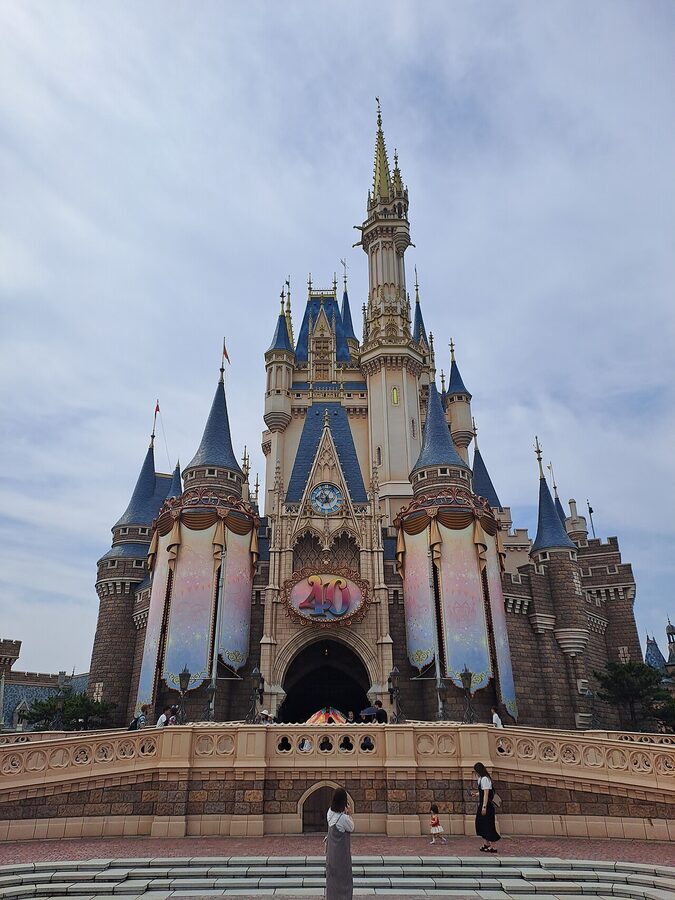
Tokyo Disneyland — the classic Disney formula (Main Street USA, castle, Fantasyland) executed with Japanese precision. Seven themed lands, about 40 attractions. Excellent but familiar if you’ve been to Anaheim or Paris. Children’s paradise.
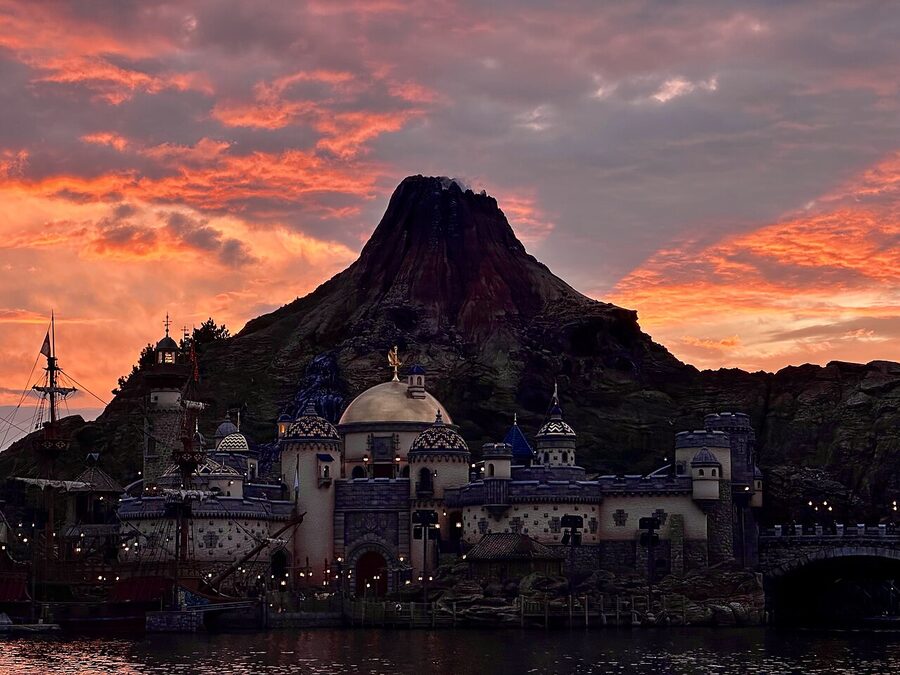
Tokyo DisneySea — the unique one. Nautical theming, seven themed ports around a central lagoon. More adult, better atmosphere, proper alcohol service (yes, you can drink here). Home to the Tower of Terror, Mt Prometheus, Journey to the Center of the Earth, and the Fantasy Springs expansion that opened in June 2024.
Our rule: if you have one day and you’re over 10, do DisneySea. If you have one day and you’re under 10, do Disneyland. If you have two, do both — DisneySea first (weekday if possible), Disneyland second (weekend/public day).
When to visit — the days that matter
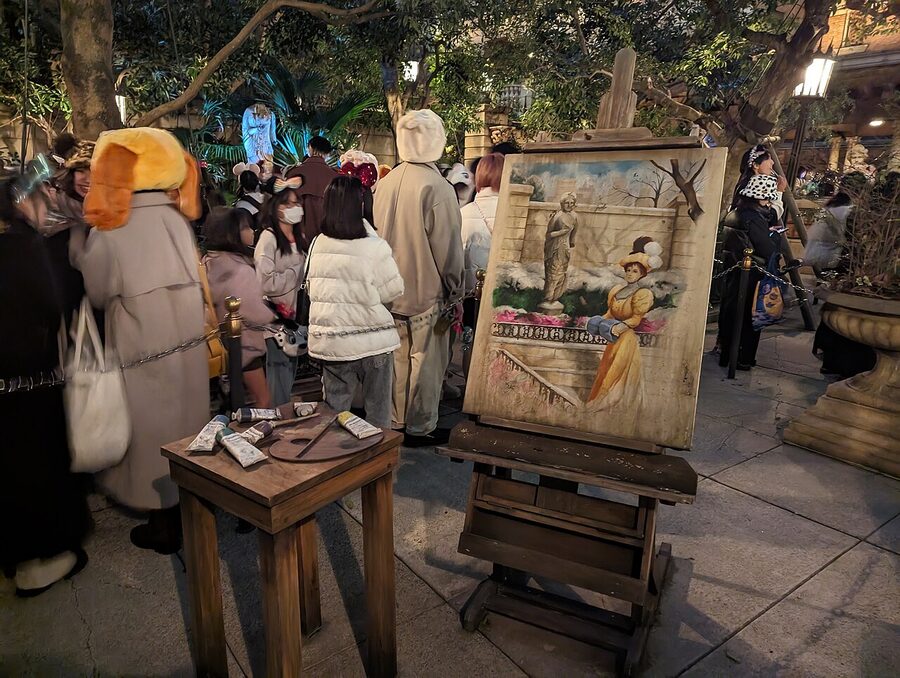
Avoid: Japanese public holidays (Golden Week early May, Obon mid-August, New Year’s). Japanese summer school holidays (late July through August). First weekend of the month. These routinely see 60,000+ daily attendance and 3+ hour queues for headliner rides.
Best days: non-holiday weekday Tuesdays and Wednesdays. October (pleasant weather, good decorations). Mid-November through early December. Late January into February (cold but crowd-light).
Weather planning: Tokyo summer (July-September) is genuinely miserable at the parks — 32-35°C plus full humidity plus concrete. Shade is limited. Bring cooling towels, water bottles, hats. Winter is ideal (cool but dry, Christmas theming runs late November through 25 December).
Tickets and the price pain
Tokyo Disney tickets use date-specific variable pricing since 2021. Buy in advance for the specific day. Prices have risen significantly since 2020.
1-Day Passport (one park): ¥7,900–10,900 depending on date. Peak days (weekends, holidays) hit the top of that range. Booked online at the official site.
1-Day Passport + Fantasy Springs Magic Key: ¥10,000–13,000 — this is the DisneySea ticket plus access to the Fantasy Springs expansion area (new as of 2024, separate virtual queue system).
2-Day Passport: typically ¥13,800–19,400, one park per day. No park-hopping available until day 3+.
After-6 / Weeknight Passport: ¥5,000–6,400 for late entry. Good option if you want to do one headliner ride and experience the night parade without paying full day price.
Buy online in advance. Ticket booths at the park often have 30-60 minute queues just for ticket purchase.
Fantasy Springs — the 2024 expansion
Fantasy Springs opened at DisneySea in June 2024 — the largest single expansion in Tokyo Disney’s history. Three new themed areas: Frozen Kingdom (Anna + Elsa), Peter Pan’s Never Land, and Rapunzel’s Forest. Four new major attractions. The whole expansion is essentially a "park within a park" at the back of DisneySea.
Access: included with Fantasy Springs Magic Key tickets only. Older basic DisneySea tickets don’t cover it. You’ll need to pick the right ticket type at purchase.
Our take: Fantasy Springs is dense, gorgeous, and worth the upgrade if you’re doing DisneySea. Peter Pan’s Never Land Adventure specifically is one of the best Disney attractions built this century.
Getting to the resort
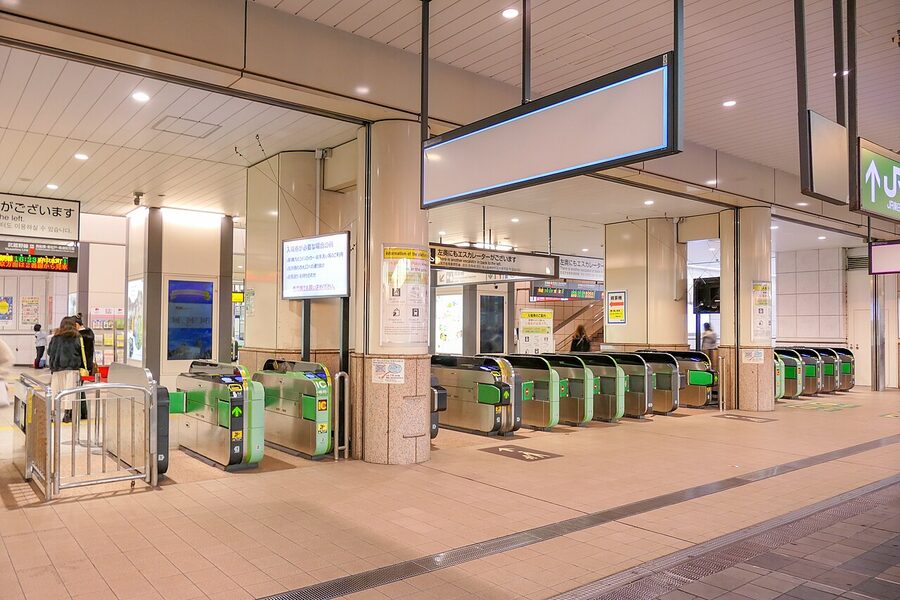
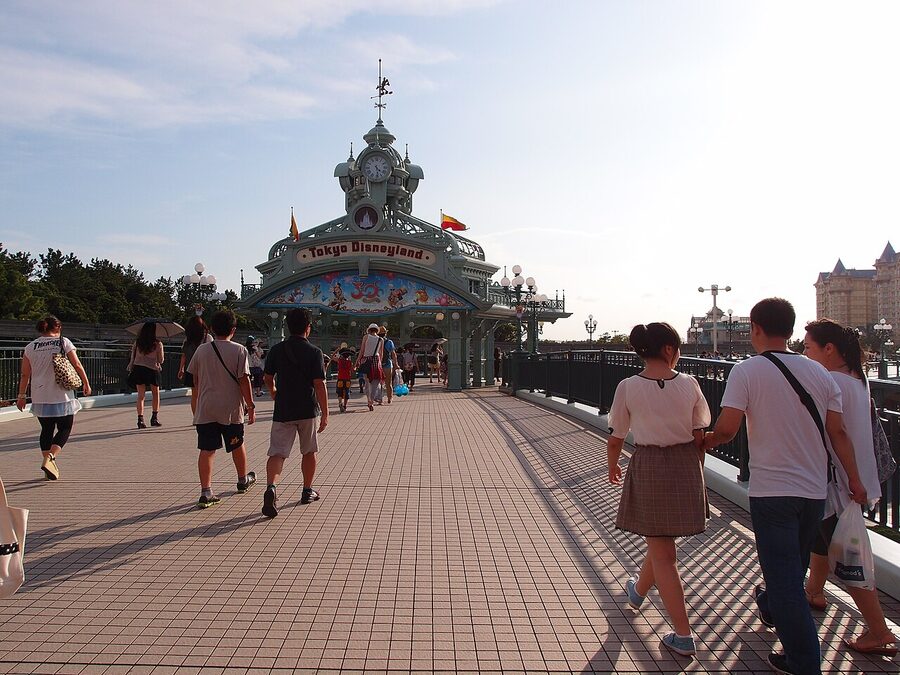
By JR: Maihama Station (JR Keiyo line from Tokyo Station, 15-20 min, ¥230). Walk across the station bridge to either park entrance or board the Disney Resort Line monorail.
By bus: direct limousine bus from Tokyo Station, Shinjuku, Shibuya (¥750-900, 45-90 min). Also direct Narita airport bus (¥2,300, 90 min).
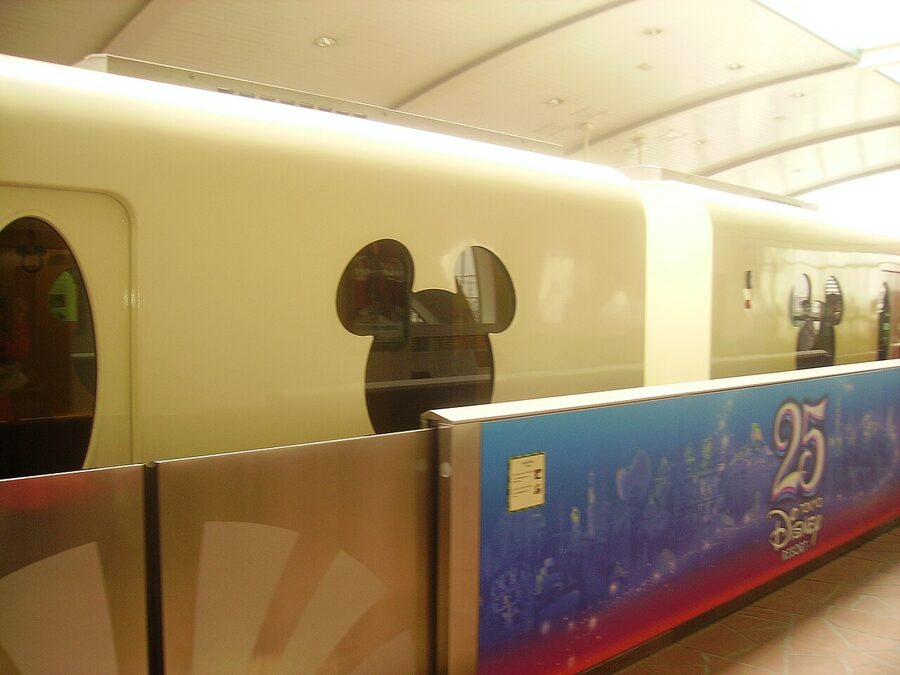
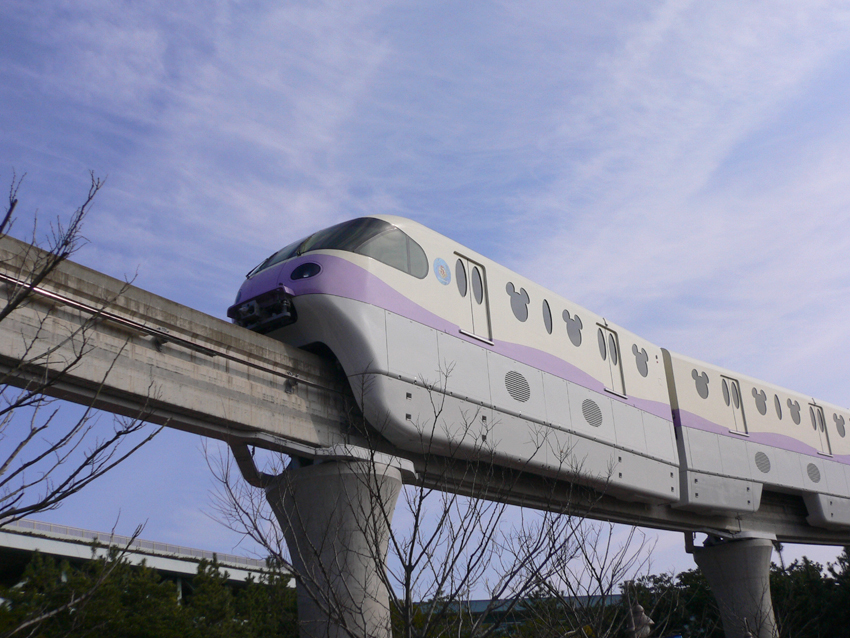
Disney Resort Line monorail: circles the resort between Maihama Station, Tokyo Disneyland, Tokyo DisneySea, and the Bay Area hotels. ¥260 single ride. Mickey-shaped windows. One of the small delights of the resort.
Where to stay
On-property Disney hotels (Disneyland Hotel, Ambassador, MiraCosta, Toy Story, Celebration) — ¥50,000-150,000/night. Premium experience, extra-early park entry benefit, guaranteed themed rooms. Book 4-6 months ahead.
Official "Partner" hotels — Sheraton Grande Tokyo Bay, Hilton Tokyo Bay, Grand Nikko Tokyo Bay. ¥20,000-50,000/night. Less themed but still offer luggage delivery and some early-entry benefits.
Off-property alternatives — stay in Tokyo proper (Shinjuku, Shibuya, Ueno) and commute in. Maihama Station is 15-20 min from Tokyo Station, 30-40 min from Shibuya. Significantly cheaper lodging; loses the immersive feel.
Our pick for first-timer with one Disney day: stay in Tokyo proper, commute. Budget the savings toward nicer dinners or a third park day.
The app and the queue situation
Download the Tokyo Disney Resort app (iOS/Android) before your visit. The app handles:
Standby Pass — virtual queueing for specific attractions. Free. You scan your ticket in the app, get a return time, show up in the window, skip the ~60-90 minute standby line. Limited number of passes issued per day — grab yours right after park opening.
Disney Premier Access (DPA) — paid skip-the-line for specific headliners. ¥1,500-2,500 per ride per person. New as of 2023. Worth it on busy days for 1-2 headliner attractions; otherwise skip.
Entry registration for Fantasy Springs — dedicated app system for the 2024 expansion, requires Magic Key ticket.
Mobile ordering — order restaurant food and pick up at a specific time. Useful during lunch rush.
Wait times — live updates per attraction. Plan around the real-time board.
Food in the parks
Tokyo Disney food is better than most Disney parks. Four tiers:
Popcorn wagons — scattered across both parks. ¥500-800 for flavoured popcorn (soy sauce butter, caramel, strawberry, curry). The keepsake buckets (¥3,500-5,000) are the signature Japanese Disney souvenir.
Counter service — ¥900-1,800 per meal. Chicken karaage rice bowls, themed burgers, ramen at DisneySea, curry rice at both parks. Quality varies — some of it is genuinely good (the New Orleans-themed Blue Bayou spaghetti is a sleeper hit).
Table service — ¥3,000-5,500/person. Requires reservation (open 30 days in advance via app — set an alarm for 9am JST). Blue Bayou, Magellan’s, S.S. Columbia Dining Room, Queen of Hearts Banquet Hall.
Specialty character dining — breakfast with characters, Mickey’s Chef’s Mickey buffet (only at Disneyland Hotel). Premium tier, ¥6,000+.
Alcohol — available at DisneySea only (beer, wine, cocktails, sparkling sake). Disneyland stays family-friendly.
Shopping and souvenirs
Tokyo Disney has a distinct souvenir culture — the merchandise is genuinely exclusive, not "same as Anaheim." Key items:
Popcorn buckets — rotating designs, character-specific, collectible. ¥3,500-5,000.
Duffy the Bear — DisneySea-only character, doesn’t exist at other Disney parks. Plush ¥4,500-7,000. Whole subculture of Duffy-fans; you’ll see Japanese guests carrying them around the park.
Ear headbands — huge variety, rotates weekly. ¥2,500-4,500. Japanese-specific designs (sakura ears in spring, Christmas reindeer ears in December) don’t exist at US parks.
Bopopo (sweet-shop sweets) — Tokyo Disneyland’s sweet shop on Main Street. Tin boxes ¥1,200-2,500 — the tins are the real souvenir.
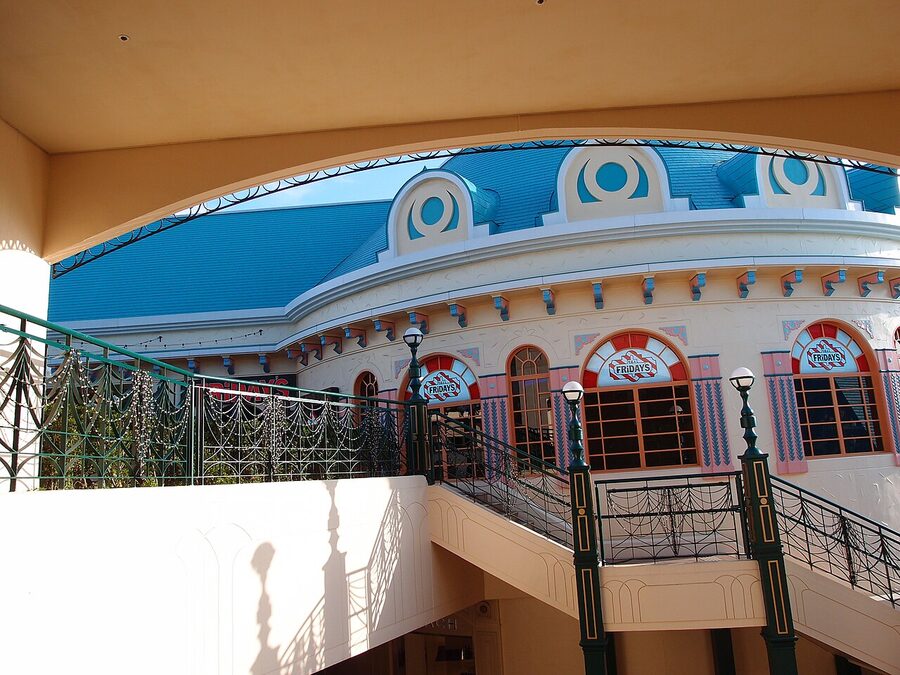
Ikspiari — the shopping/dining complex adjacent to Maihama Station. Non-Disney stores but worth a walk-through if you’re early for the monorail.
Disneyland vs DisneySea — how they feel different
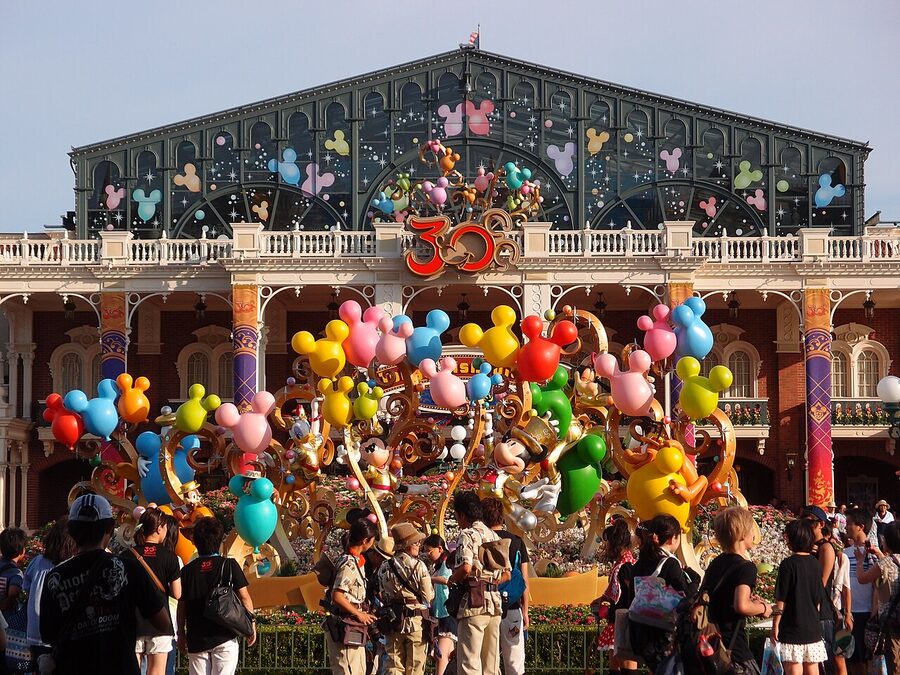
Disneyland is Mickey-centric, loud, family-dense, cheerful, slightly exhausting in peak periods. The fireworks-and-parade experience is world-class. Castle projection shows every 30-45 min. Suitable for 2-12 year olds; adults enjoy it but it peaks at family-trip utility.
DisneySea is mood-first. The themed ports feel like being somewhere else. Mediterranean Harbor looks like Portofino. American Waterfront looks like 1900s New York. The Arabian Coast is genuinely atmospheric at night. Alcohol available, more sit-down dining, more romantic. Better for adult couples or teens.
Rides comparison: Disneyland has more but shorter rides. DisneySea has fewer but longer, higher-production attractions. Journey to the Center of the Earth (DisneySea) and Space Mountain (Disneyland) are the headliner thrill rides on each side.
Sample 1-day plan for DisneySea
If you only get one Disney day and you’re over 10, here’s how we’d spend it:
8:00am — arrive at Maihama Station. Walk to DisneySea entrance. Have tickets on phone.
8:30am — park opens (times vary). Head straight to Journey to the Center of the Earth and ride standby while queue is shortest (20-30 min). Or get a Standby Pass via the app.
10:00am — Tower of Terror. Different storyline from US parks.
11:30am — Fantasy Springs if you have the Magic Key upgrade.
Lunch — mobile-order from Magellan’s if reserved; otherwise Horizon Bay Restaurant.
Afternoon — Arabian Coast, Sinbad’s Storybook Voyage (underrated), Mermaid Lagoon for the kids/charm.
Dusk — head to Mediterranean Harbor for the sunset view of Mt Prometheus and the evening show.
Night — ride the BRAViSSIMO night show or Fantasmic! at Mediterranean Harbor. 9pm-ish.
Closing — 9:30-10:30pm depending on day. Pick up one big souvenir on the way out.
Common first-timer mistakes
Not pre-booking tickets. Walk-up ticket queues can be 60 minutes.
Ignoring the app. Standby Pass is a free 45-60 min time-saver. Use it on headliner rides first thing after opening.
Trying to do both parks in one day. Don’t. Even with park-hopping (not available most days), you’ll experience neither properly.
Peak-summer visits. August at Tokyo Disney is genuinely brutal. If you must go in summer, plan night sessions only.
Dining without reservations. Table-service restaurants book up the full 30-day advance window. Set a calendar alert.
Skipping the monorail. It’s cheap, fun, air-conditioned, and resets your legs. Worth the ¥260 just to ride the loop once.
Day-trips + combos
Tokyo Disney is on the edge of the city, 15-20 minutes from Tokyo Station. Natural combinations:
Disney + Ginza day: late entry to Disneyland (After-6 ticket), Ginza shopping + dinner before, or Disney day then Ginza evening. Our Ginza guide.
Disney + Odaiba day: both are bayside. Yurikamome to Odaiba after a shorter Disneyland session, or the reverse. Odaiba guide.
FAQ
Disneyland or DisneySea — if I can only do one?
Over 10 with no strong preference: DisneySea. Under 10 or Disney-classic fan: Disneyland. Traveling as a couple with no kids: DisneySea. Fantasy Springs upgrade if picking DisneySea.
Is the Fantasy Springs upgrade worth it?
Yes if you’re doing DisneySea. ¥1,500-2,500 extra on the ticket gets you access to four new attractions and three themed areas that are among the best-built in any Disney park globally.
How many days do I need?
One full day per park minimum. Two days (one each) is the common plan. Three days lets you repeat your favorite park and use the park-hopping option for your final day.
Cash or card?
Both work. IC cards (Suica, Pasmo) work for vending machines and small purchases. Credit cards accepted everywhere. ATMs at park entrances if you need cash.
Do rides close in rain?
Most outdoor rides run in light rain. Water rides (Raging Spirits at DisneySea) close in heavy rain. The park remains open in most weather except typhoons.
Is it worth staying at a Disney hotel?
Worth it for multi-day Disney-focused trips with kids. Skip for single-day visits — the premium is significant and you’re rarely at the hotel during park hours.
Short version
Tokyo Disney Resort is two parks (Disneyland + DisneySea), 15 min from Tokyo Station, ¥7,900-13,000 per day depending on ticket type. DisneySea is arguably the world’s best theme park. Pre-book tickets, download the app, use Standby Pass, eat the popcorn, don’t go in August.
More Tokyo: first-time guide, all Tokyo theme parks, citywide things to do.