
Ginza is Tokyo’s most expensive square kilometre. Luxury flagships, century-old department stores, Michelin-ranked basement sushi, and a kabuki theatre where the cheapest seats still cost ¥4,000. It sounds like the kind of place you’d skip — and yet it’s also a great walking neighbourhood, genuinely free to explore, full of Showa-era bars tucked above the flagships, and home to one of Tokyo’s best people-watching crossings. You can absolutely do Ginza on a budget. You just need to know where.
Below is our practical run of 26 things to do in Ginza. Yen prices, station exits, and real takes on which flagship buildings deserve a walk-through and which ¥3,000 lunches pay themselves off. Pair this with our first-timer’s guide and the citywide things-to-do list.
Access: Ginza Station (Ginza, Marunouchi, Hibiya lines) puts you at the centre of Chuo-dori. Ginza-itchome and Higashi-Ginza (for Kabukiza) are useful alternate stops. Yurakucho and Hibiya stations (JR Yamanote + multiple lines) are walkable and often useful entry points. The whole Ginza core is flat and covers about 500m × 500m — cross-neighbourhood on foot without thinking.
In This Article
- 1. Walk Chuo-dori at blue hour
- 2. Stand at Ginza 4-chome Crossing
- 3. Look up at Wako
- 4. Graze the depachika at Mitsukoshi
- 5. Visit Ginza Six
- 6. See a kabuki show (or just the theatre)
- 7. Picnic in Hibiya Park
- 8. Photograph the Imperial Hotel
- 9. See the Godzilla Square
- 10. Explore Tsukiji Outer Market
- 11. Eat a Showa-era lunch at Shiseido Parlour
- 12. Ride the Ginza Line through history
- 13. Visit Matsuya and Ito-ya
- 14. Walk through the Apple Store Ginza
- 15. Shop Tokyu Plaza Ginza
- 16. Shop Hakuhinkan Toy Park
- 17. Wander Namiki-dori
- 18. Find the Ginza back-alleys
- 19. Visit a Ginza art gallery
- 20. Drink at Bar Lupin
- 21. Eat sushi in Ginza (budget edition)
- 22. Shop at Muji Ginza flagship
- 23. Walk Harumi-dori to Kabukiza
- 24. Try a Ginza coffee
- 25. See what’s on at Hibiya Outdoor Concert Hall
- 26. End the night at a Ginza hostess bar (the touristy version)
- Getting to Ginza
- Where to stay in Ginza
- Ginza FAQ
- Is Ginza expensive?
- How many hours do you need in Ginza?
- What’s the best time to visit?
- Can I combine Ginza with anything else in one day?
- The short version
1. Walk Chuo-dori at blue hour
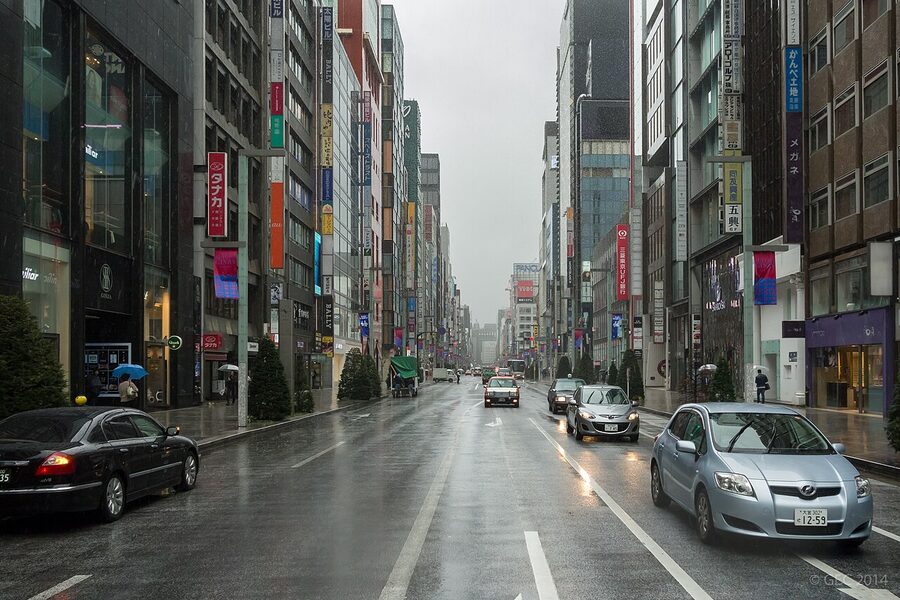
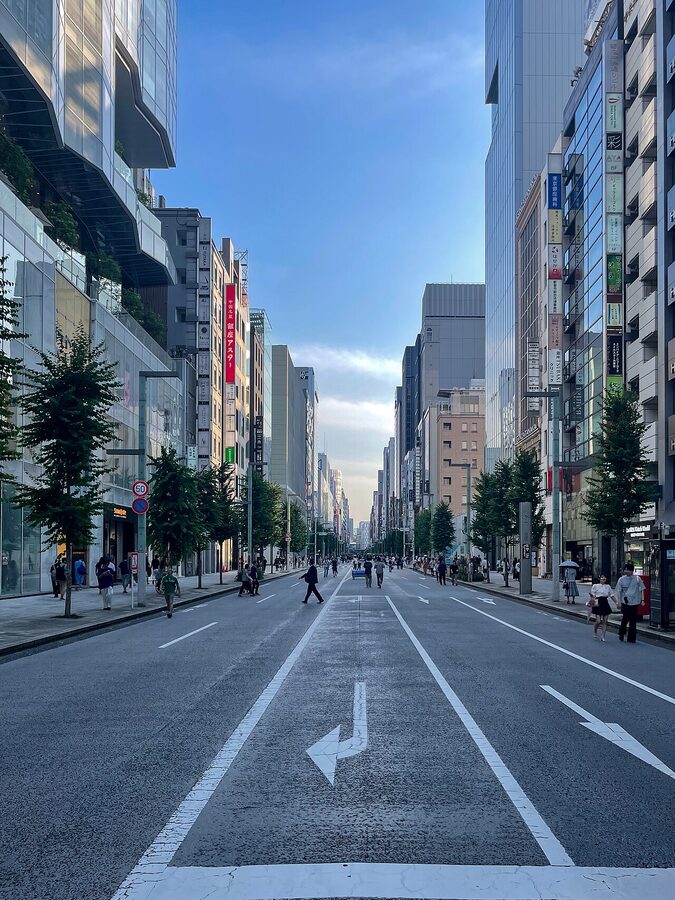
Chuo-dori (中央通り) is Ginza’s main north-south avenue — ~800m of tree-lined luxury flagships and department stores. On weekends and public holidays 12pm-5pm the street is closed to cars and becomes a pedestrian paradise (hokōsha tengoku, literally ‘pedestrian heaven’). Walking down the centre of Chuo-dori with no traffic is a small joy. At blue hour (roughly 30 minutes after sunset) the neon and building lights come up while the sky’s still blue — one of Tokyo’s most photograph-ready moments.
Free. Best starting point: Ginza 4-chome intersection (the main crossroads with Wako and Mitsukoshi).
2. Stand at Ginza 4-chome Crossing
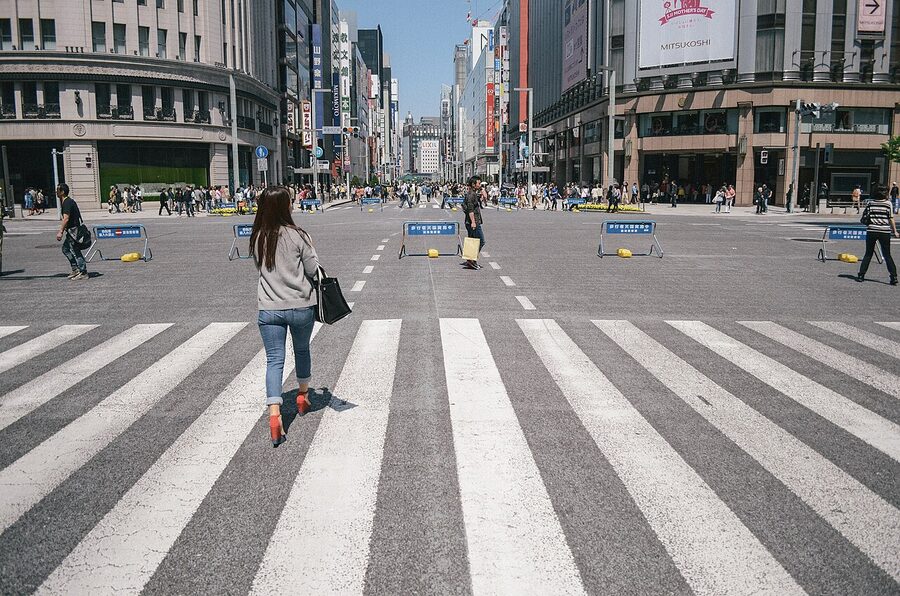
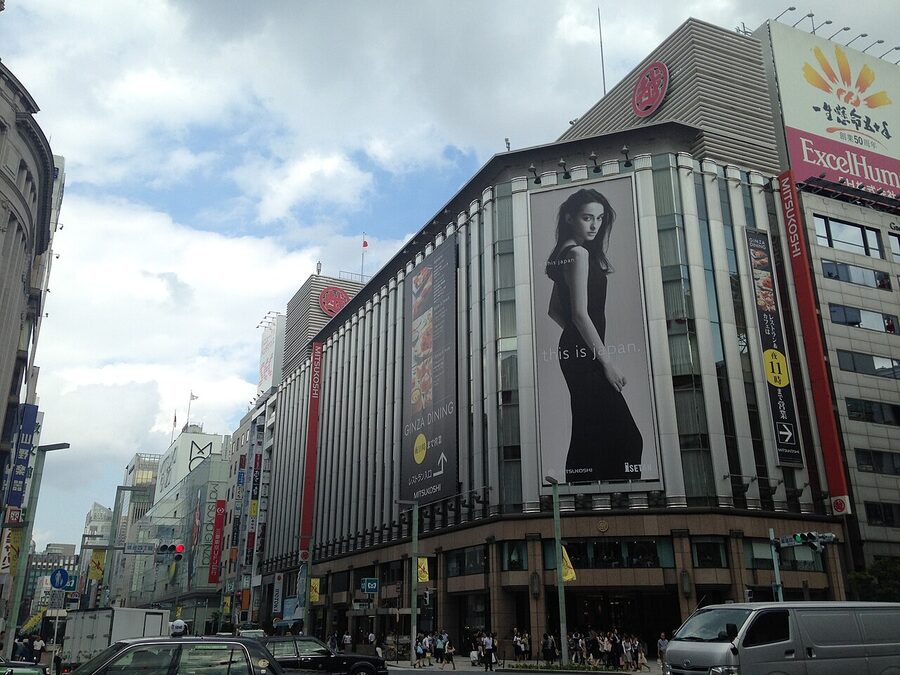
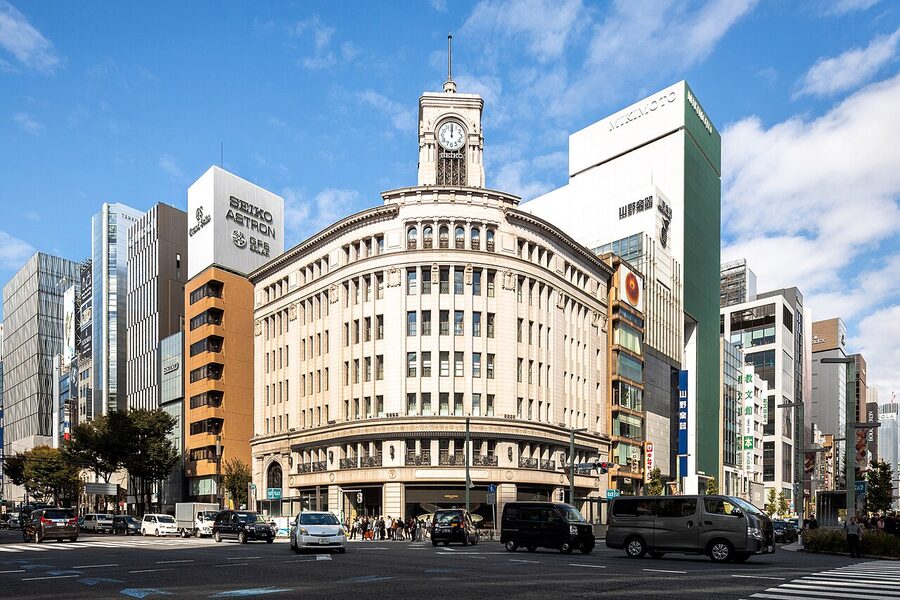
Ginza 4-chome (銀座四丁目交差点) is the neighbourhood’s most-photographed intersection — the historic heart of Ginza. On the four corners stand Wako department store (with its landmark clock tower), Mitsukoshi, Nissan Crossing showroom, and the Sanai Ginza building. It’s the single most Ginza shot you can take.
Free. Best time: weekend pedestrian hours (12-5pm) when you can stand dead centre on the crossing, or early morning for empty-Ginza architectural shots.
3. Look up at Wako
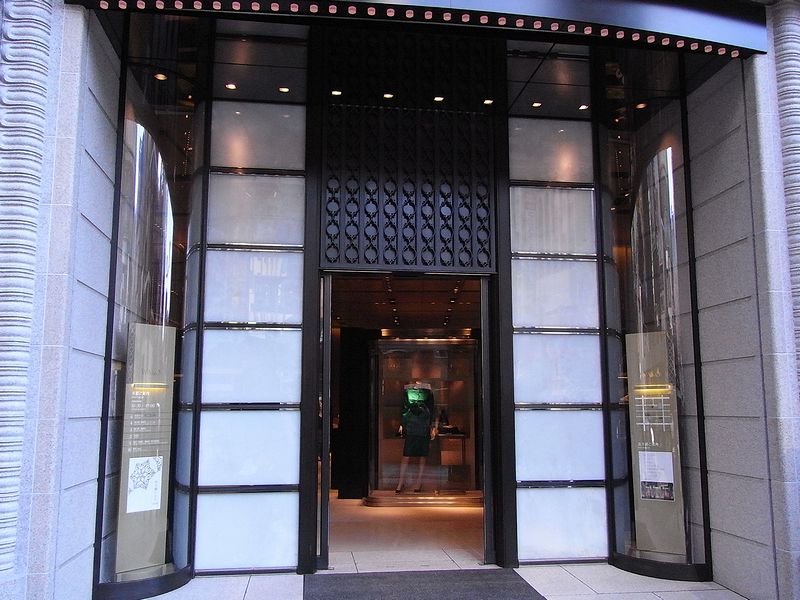
Wako (和光) is the flagship Seiko watch retailer at Ginza 4-chome — the building with the clock tower that’s become a Ginza signature. Built 1932 in a striking Beaux-Arts style, it survived WWII and is an official Tokyo heritage site. Street-level shopping (watches, handbags, jewellery — old-money prices) is open to anyone; just walking in is fine.
Free. The building chimes its clock every hour (a Seiko product mercilessly demonstrating itself). Hours: 10:30am–7pm.
4. Graze the depachika at Mitsukoshi
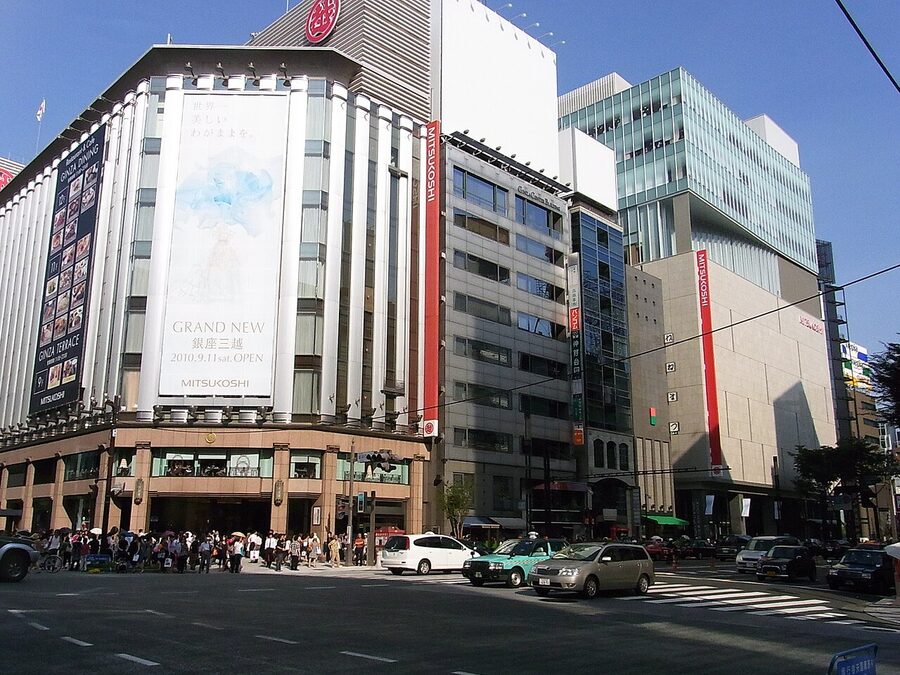
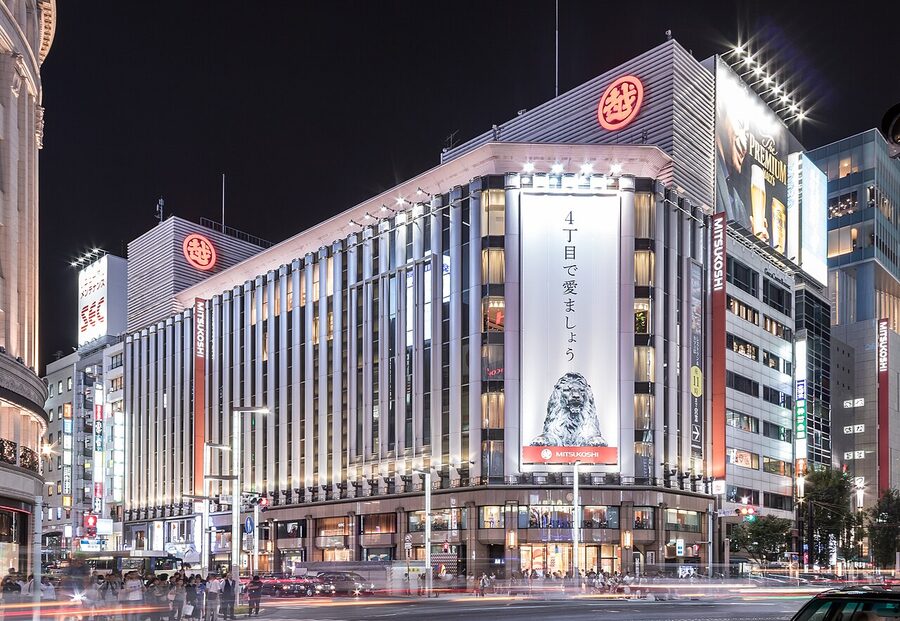
Ginza Mitsukoshi is the grand 12-storey department store diagonally opposite Wako — a 1930s landmark that’s been continuously operating in this location. The real attraction isn’t the clothing floors (Ginza Six has largely superseded them) but the basement depachika food hall: every major Japanese confectioner, regional specialty, Michelin-name takeaway restaurant, seasonal pop-up. Budget ¥1,000-3,000 for a full picnic haul — the quality’s hard to match anywhere.
Hours: 10am-8pm (depachika; some counters close 8:30pm). Tax-free counter ground floor with passport.
5. Visit Ginza Six
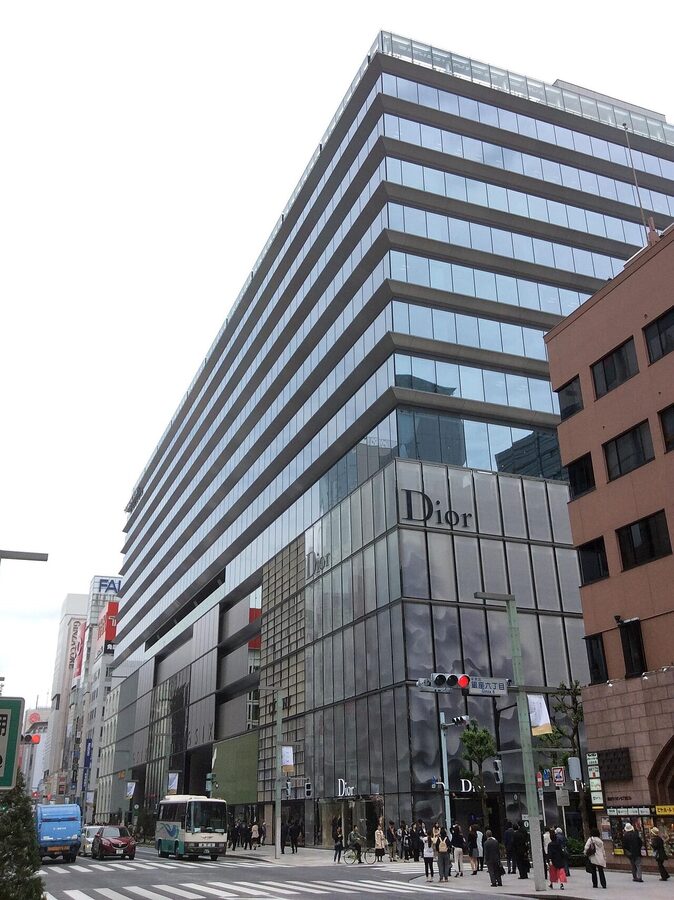
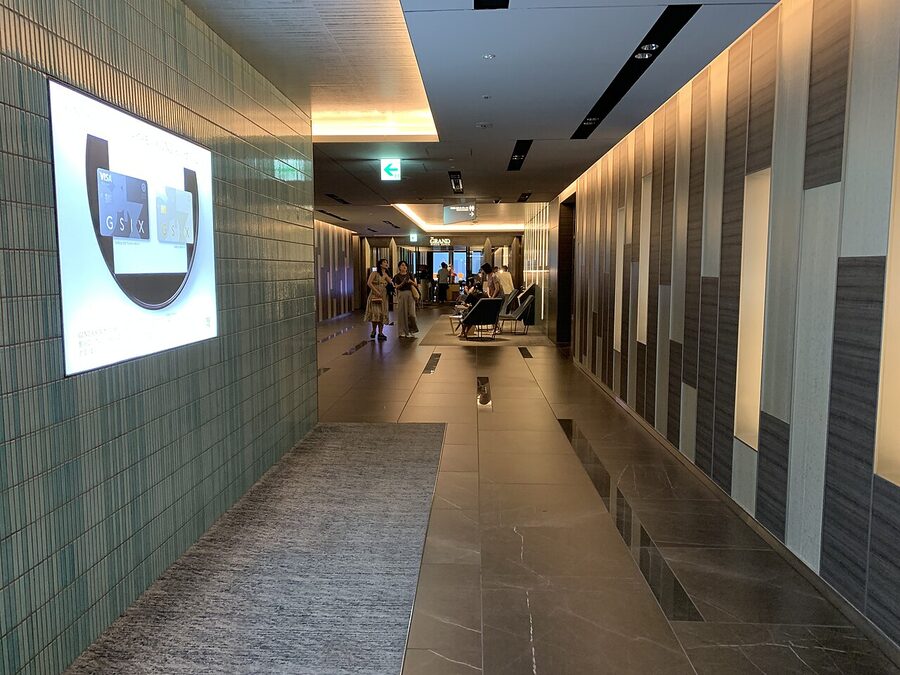
Ginza Six (GSIX) is the 13-storey luxury mall that opened in 2017 — the neighbourhood’s newest and largest retail complex. 241 brands, mostly mid-to-high-end. The architecture (by Yoshio Taniguchi, designer of the Museum of Modern Art in New York) is worth a walk-through even for non-shoppers. The rooftop garden on the 13th floor is free-access and gives a view south-east toward Tsukiji/Tokyo Bay.
For visitors, highlights: the 6F Tsutaya Books (Japanese art/design book specialist, ¥500-5,000 for gift-worthy volumes), the B2 food hall, and the 13F rooftop garden. Hours: 10:30am–8:30pm.
6. See a kabuki show (or just the theatre)
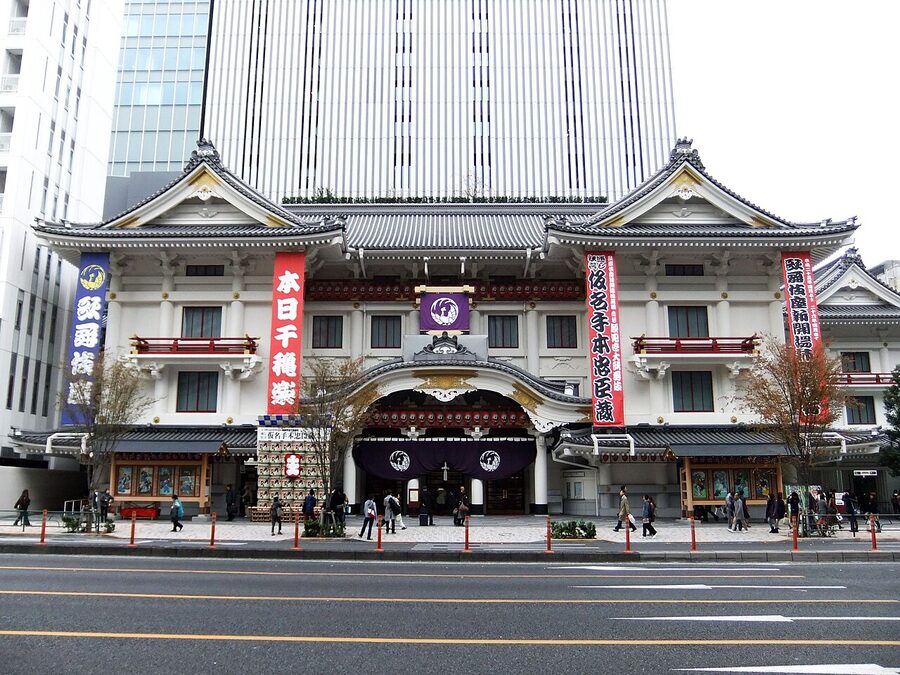
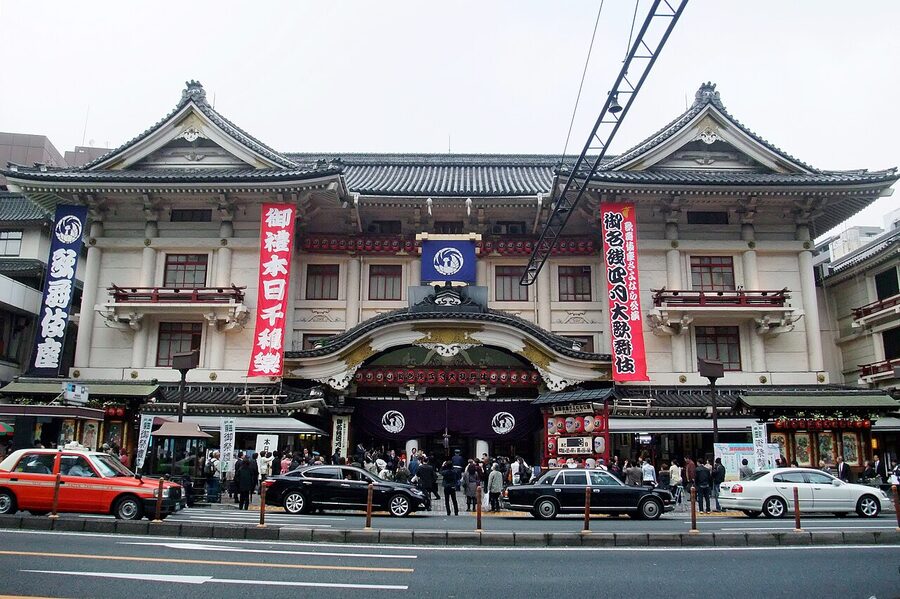
Kabukiza Theatre (歌舞伎座) at Higashi-Ginza is Japan’s most famous kabuki theatre — rebuilt 2013 in the traditional design of the original 1889 theatre (the fifth Kabukiza), now above a modern office tower. Full 4-5 hour performances cost ¥3,000-18,000. Single-act tickets (makumi-seki, 700-2,000 yen) let you see one 30-90 minute act without committing to the whole show — our preferred first-time approach. English audio guide (¥700) is highly recommended.
Hours: matinees usually 11am, evenings usually 4:30pm. Most days have 3-4 acts. Official English site. Even without a ticket, walking past the exterior is worth 3 minutes.
7. Picnic in Hibiya Park
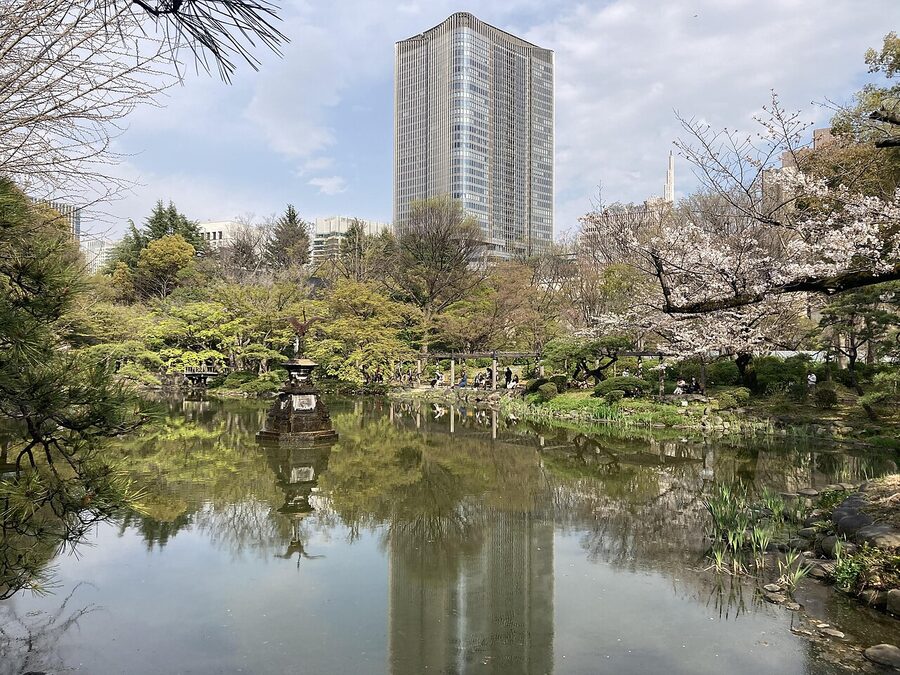
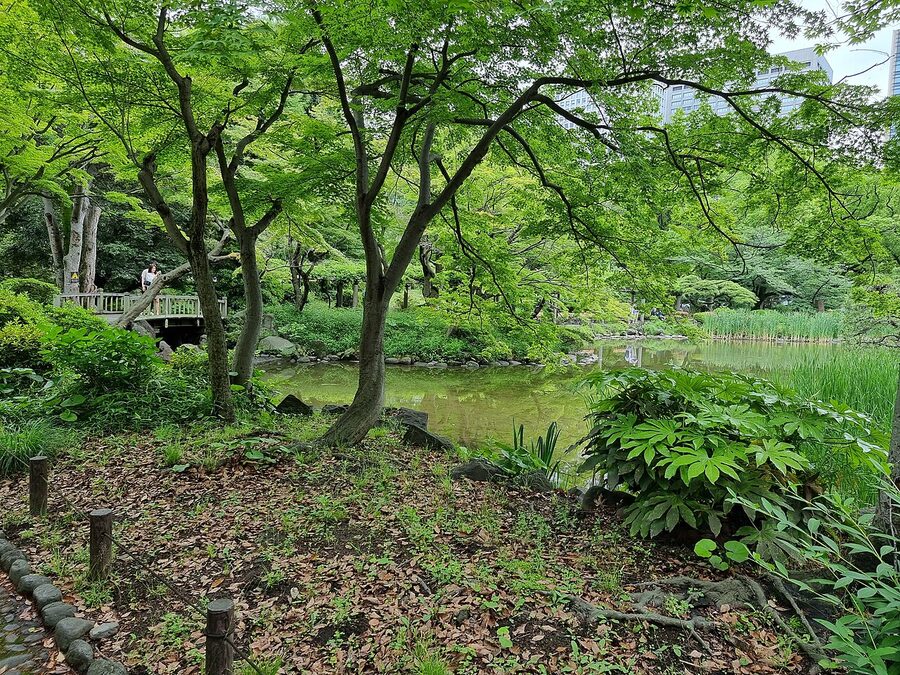
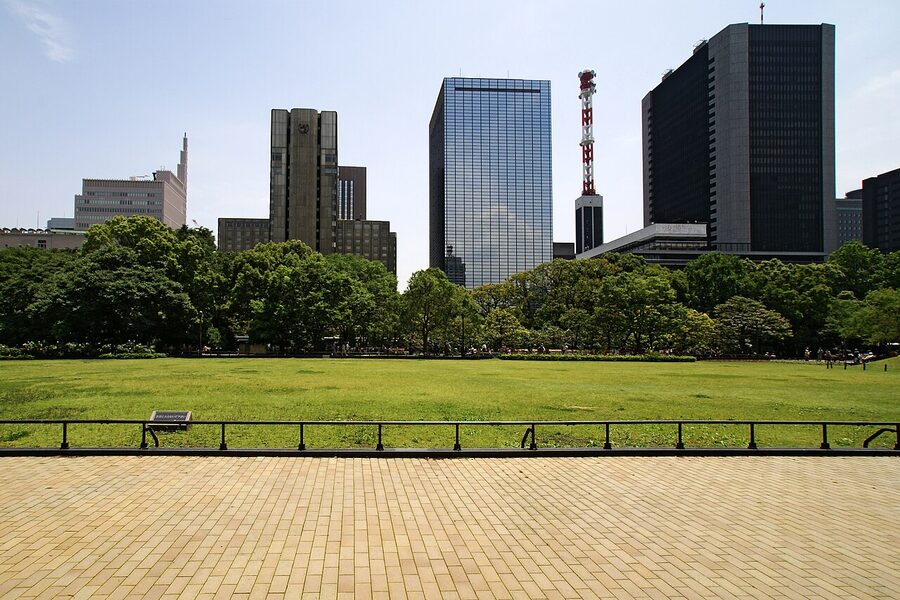
Hibiya Park (日比谷公園), on the western edge of Ginza/Yurakucho, was Tokyo’s first Western-style public park — opened 1903 on former feudal-lord land. It’s a 40-acre green space with flower beds, a pond, a 1930s music bandshell (Hibiya Yagai Ongakudo, still used for concerts), and a surprising amount of peace in the middle of central Tokyo. Free, always open.
Combine with a Ginza department-store depachika haul and picnic on the lawns. Cherry blossom week (late March) is great here — smaller and less crowded than Ueno. The park’s central fountain is where Tokyo office workers eat lunch.
8. Photograph the Imperial Hotel
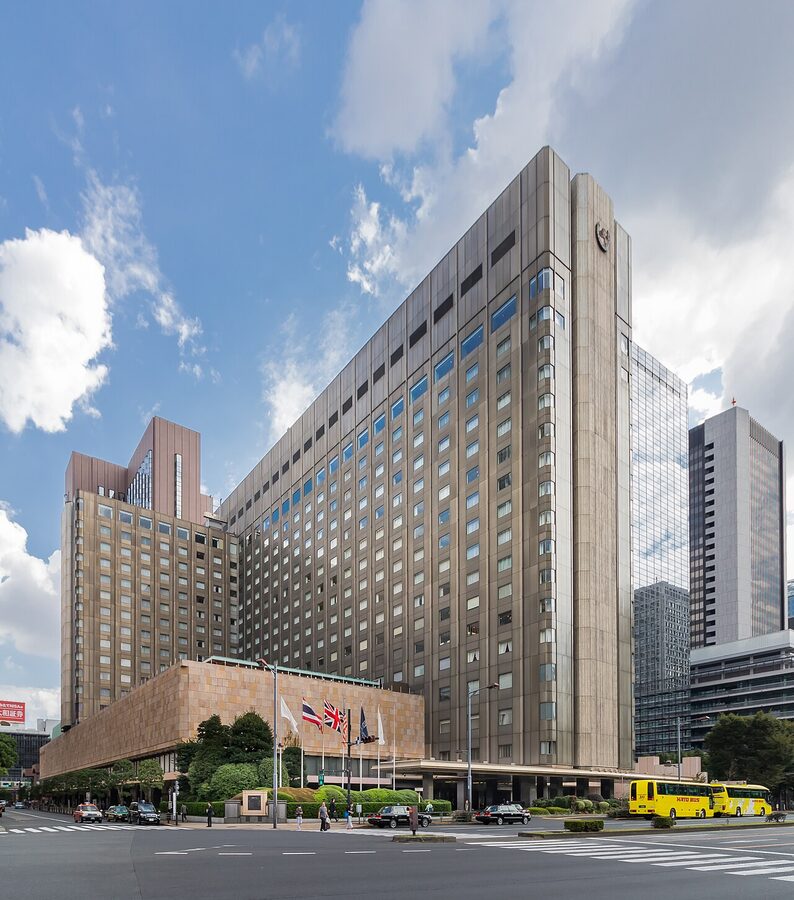
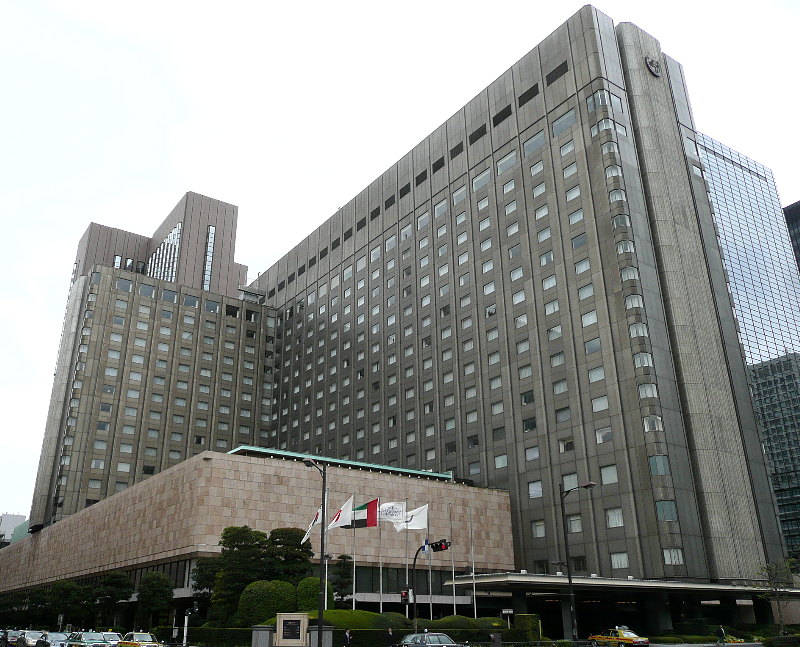
The Imperial Hotel Tokyo (帝国ホテル) on the edge of Hibiya Park has hosted world leaders, celebrities, and royalty since 1890. The original Frank Lloyd Wright-designed building (1923) was replaced in 1970 by the current tower; a small section of the old lobby has been preserved at the Meiji Mura architectural museum in Nagoya. The current building has standard 5-star hotel trappings — the ground-floor Old Imperial Bar is the preserved 1923 original, and drinks here (¥2,500+) buy you a seat in an actual Frank Lloyd Wright interior.
The lobby is accessible to the public (walk in confidently, no one will stop you). Ideal on a rainy afternoon for one ¥1,000 coffee in a grand room.
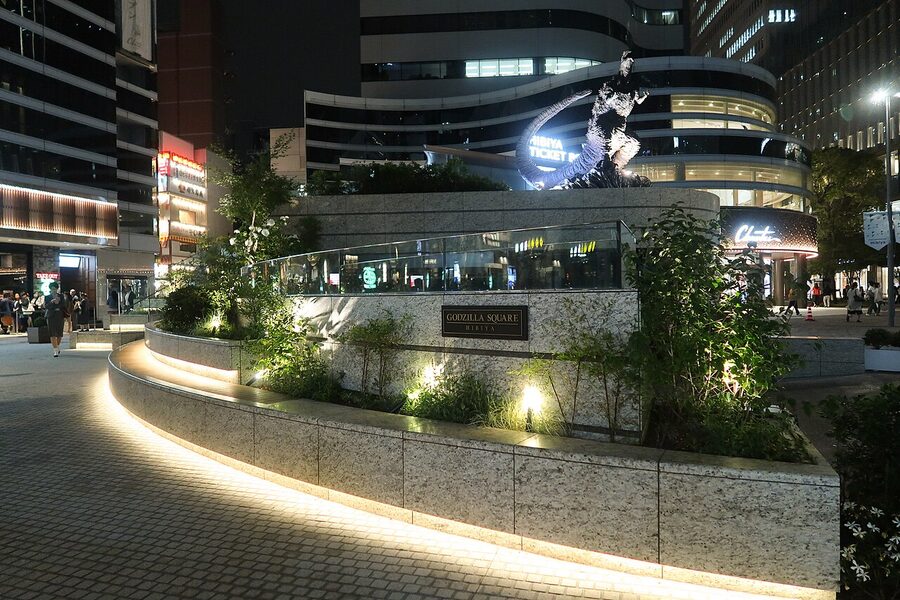
9. See the Godzilla Square
At Godzilla Square (ゴジラスクエア), on the corner of Hibiya-dori and Sotobori-dori near Toho Cinemas Hibiya, stands a 3-metre bronze statue of Godzilla. It commemorates Toho Studios’ home neighbourhood (Toho produced the original 1954 Godzilla film). The square also has a plaque with handprints of various Japanese actors and filmmakers. Free, always on.
Combine with the adjacent Godzilla-themed souvenir corner inside Toho Cinemas Hibiya — free entry, has rotating movie exhibits. Our Shinjuku readers: this is a separate Godzilla, not the Hotel Gracery one. Both are valid.
10. Explore Tsukiji Outer Market
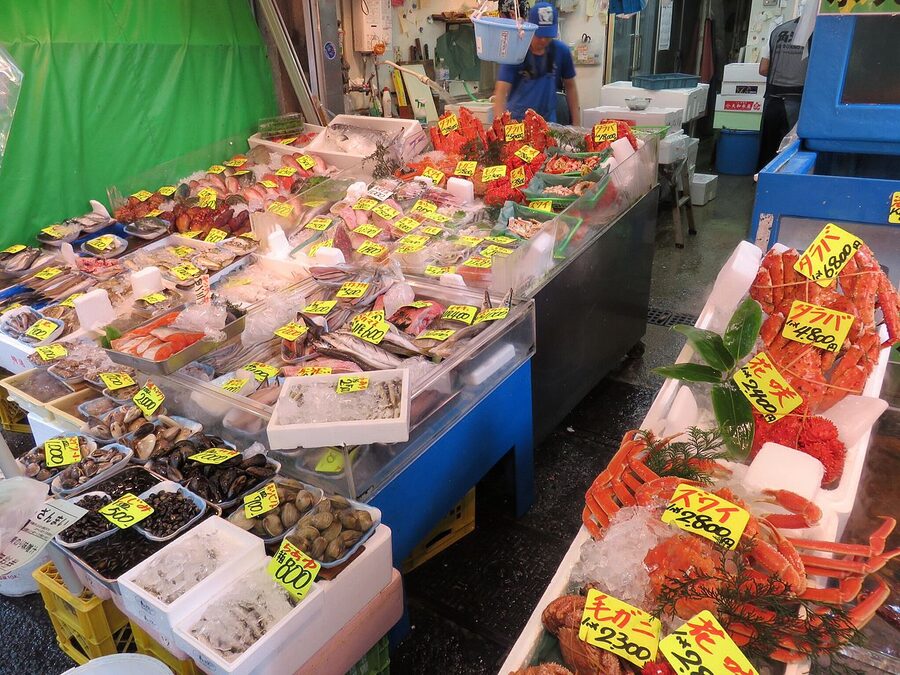
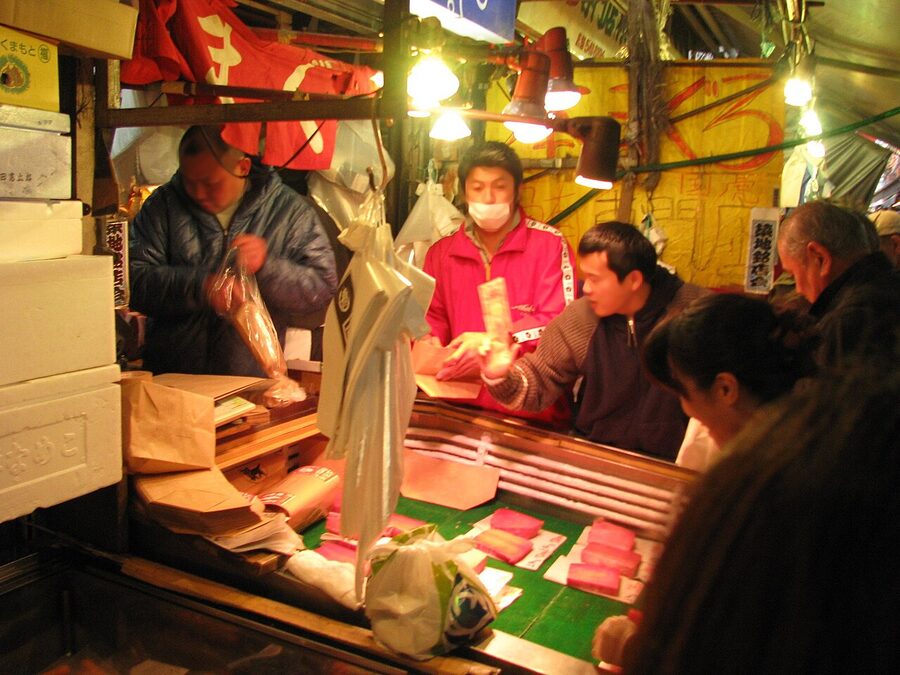
A 15-minute walk east of Ginza sits Tsukiji Outer Market (築地場外市場) — the surviving, tourist-accessible half of the famous Tsukiji fish market (the inner/wholesale auction moved to Toyosu in 2018). The outer market has ~400 small shops and food stalls selling fresh seafood, wholesale dry goods, sushi breakfasts, and specialty Japanese cooking supplies. It’s busy, it’s atmospheric, and the sushi at even the small counter shops is better than most of Tokyo.
Hours: most stalls 5am-2pm, closed Sundays and most Wednesdays. Go early (8-10am) for peak activity. Budget ¥2,000-5,000 for a proper sushi breakfast at a counter shop (Daiwa Sushi and Sushi Dai are the chain famous ones).
11. Eat a Showa-era lunch at Shiseido Parlour
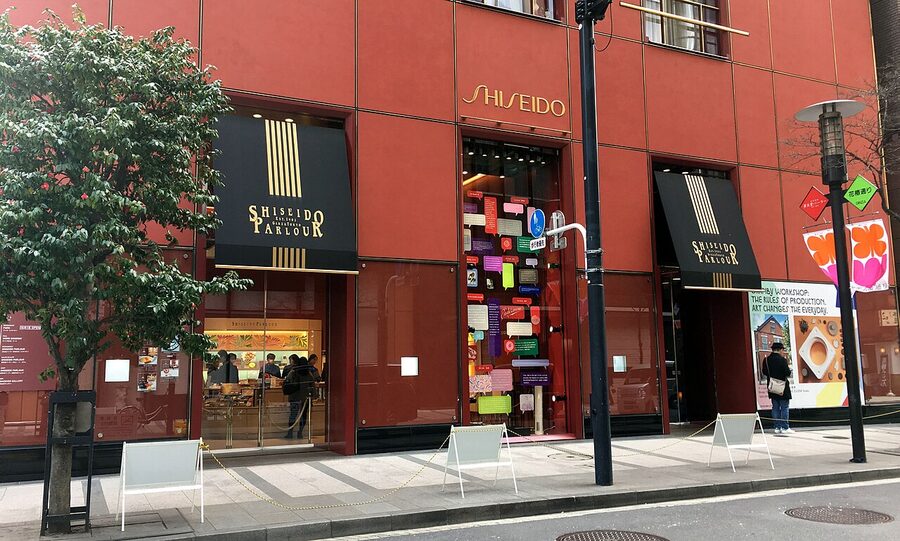
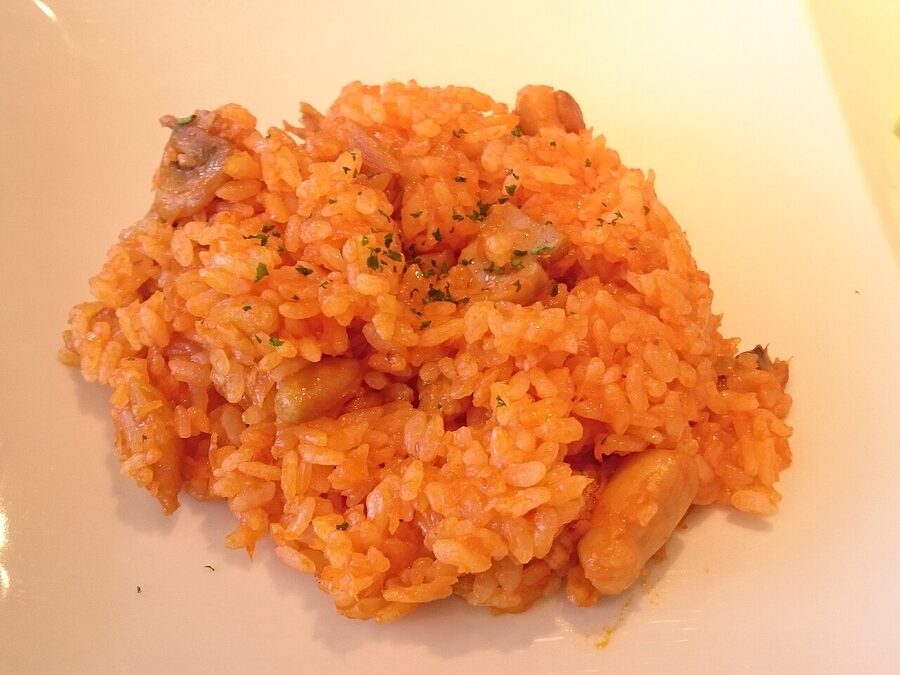
Shiseido Parlour (資生堂パーラー) is a restaurant that opened in 1902 as a Western-food cafe attached to the Shiseido cosmetics company. Today it serves classic Japanese-Western hybrid dishes (hayashi rice, chicken rice, omurice) in a proper Showa-era dining room. It’s the original. The chicken rice (¥2,200) is the signature dish.
Reservations aren’t required but help at peak (12:30pm-2pm). The ground-floor cafe is a lighter option (¥1,200-2,000 cakes + coffee). The 2-4F restaurants are the full experience (¥3,000-5,000/person lunch, ¥8,000-15,000 dinner).
12. Ride the Ginza Line through history
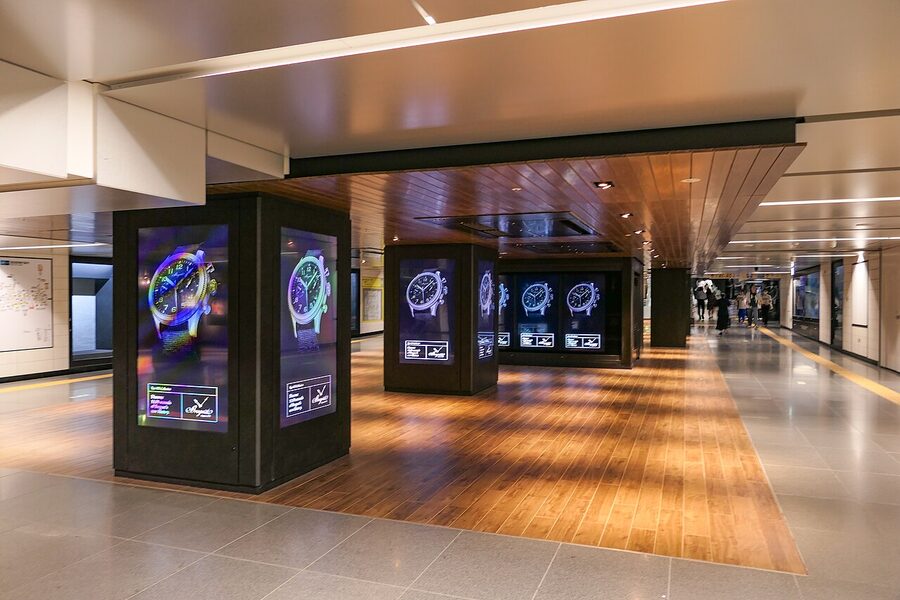
The Tokyo Metro Ginza Line (金座線) is Tokyo’s oldest subway — opened 1927 between Asakusa and Ueno, extended to Ginza 1934. The current Ginza Station concourse has Showa-era architectural details, bronze plaques, and a small permanent exhibition on the line’s history. Free to walk through with a valid transit ticket.
Even if you’re just passing through, notice the yellow Ginza Line trains — the distinctive yellow livery has been the line’s identity since the 1960s.
13. Visit Matsuya and Ito-ya
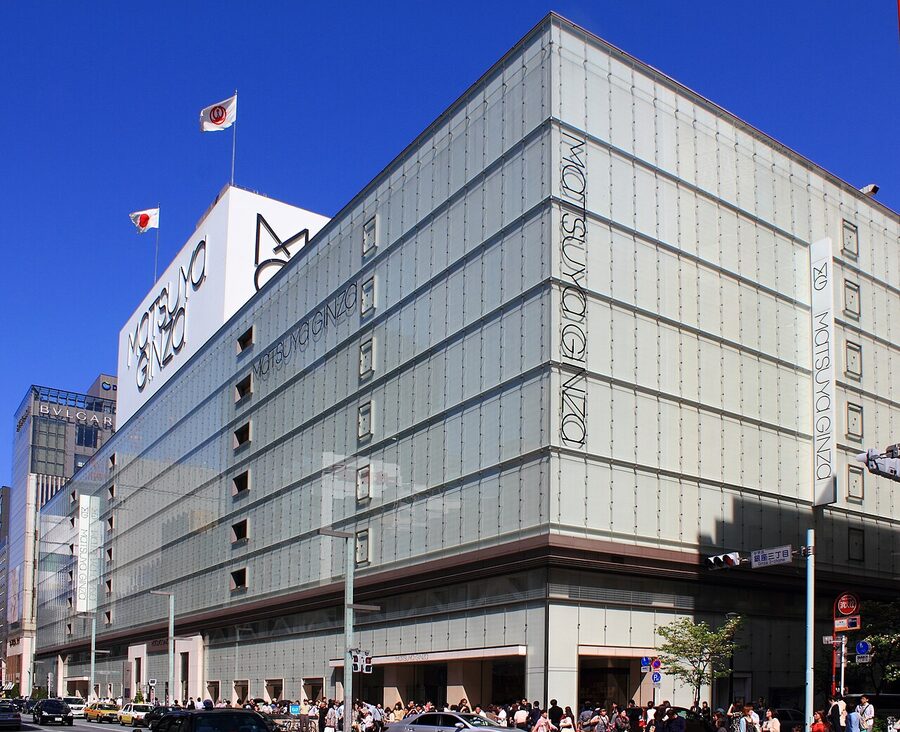
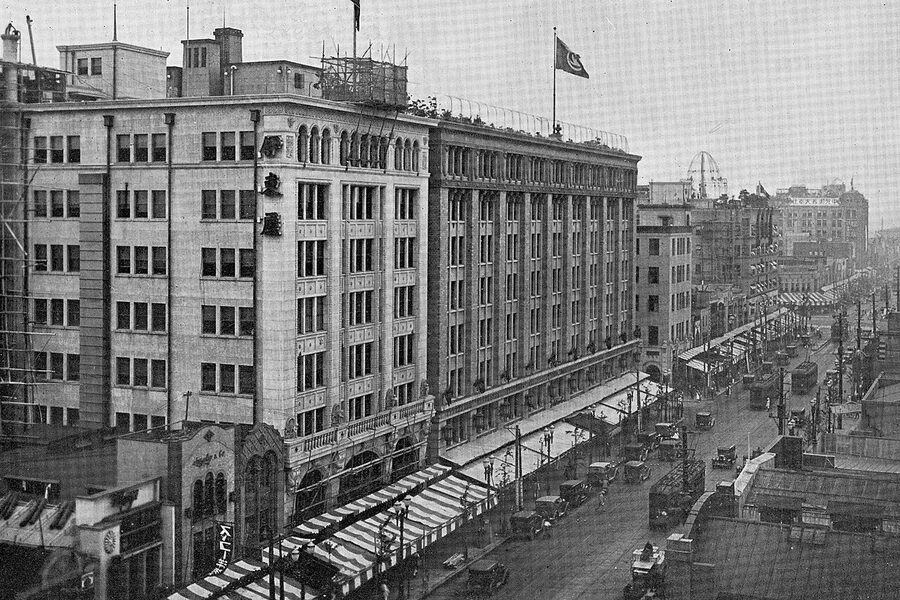
Matsuya Ginza (松屋銀座) is the 8-storey department store opposite Mitsukoshi on Chuo-dori. It’s the quieter option of Ginza’s main stores — B2 depachika, fashion floors with real Japanese brands, and a top-floor restaurant floor.
Directly next door is Ito-ya (伊東屋) — Tokyo’s single best stationery shop, 12 floors of pens, paper, notebooks, calligraphy supplies, postcards, washi paper. It’s a multi-hour rabbit hole for stationery nerds and a 20-minute quick stop for everyone else. Budget ¥2,000-15,000 for a decent selection of gift-worthy Japanese stationery.
Matsuya hours: 10am–8pm. Ito-ya hours: 10am–8pm.
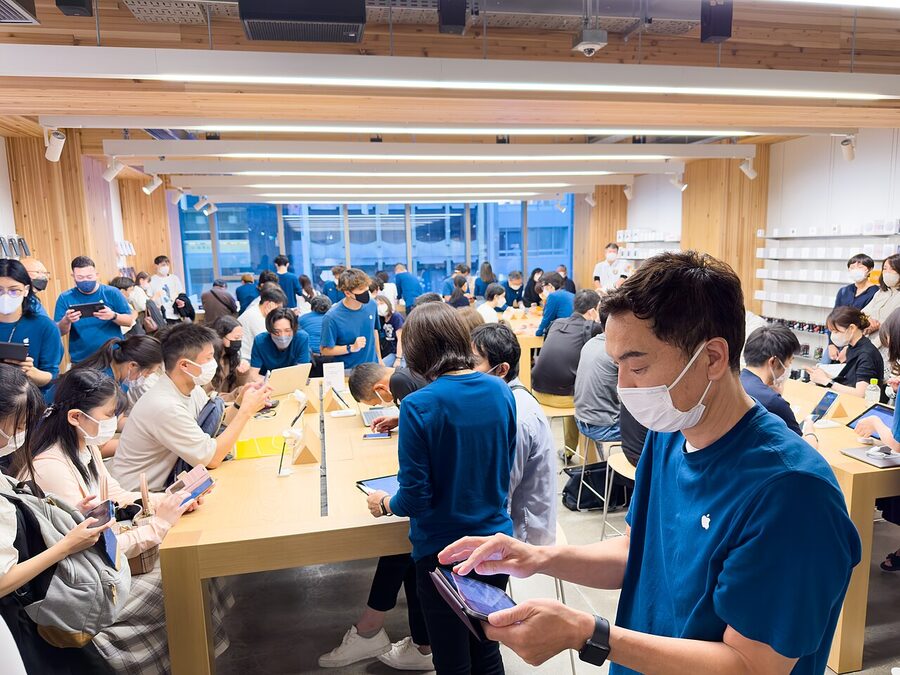
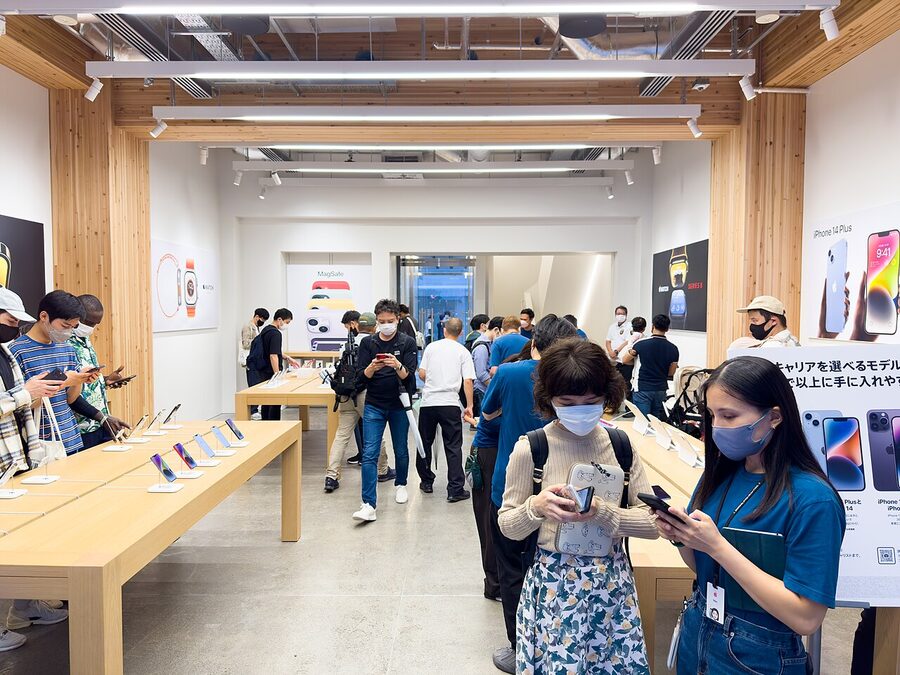
14. Walk through the Apple Store Ginza
The Apple Store Ginza is Apple’s Tokyo flagship — a 1.5-block-long glass-fronted store on Chuo-dori. Even if you have no intention of buying anything, the architecture alone (Foster + Partners design, interior by Apple’s in-house team) is worth 10 minutes. Free. Daily. Japanese-English staff. Often has rotating art installations and public events.
Bonus: their rooftop terrace (public-access floor 4) is one of Ginza’s few accessible rooftop spaces. Not a destination — a pleasant 5-minute detour.
15. Shop Tokyu Plaza Ginza
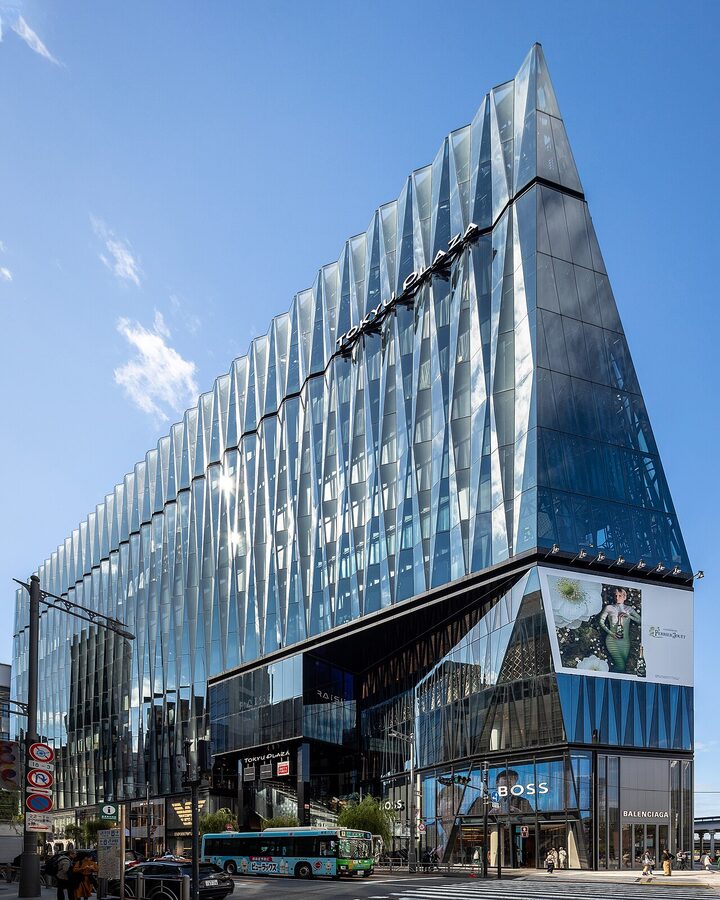
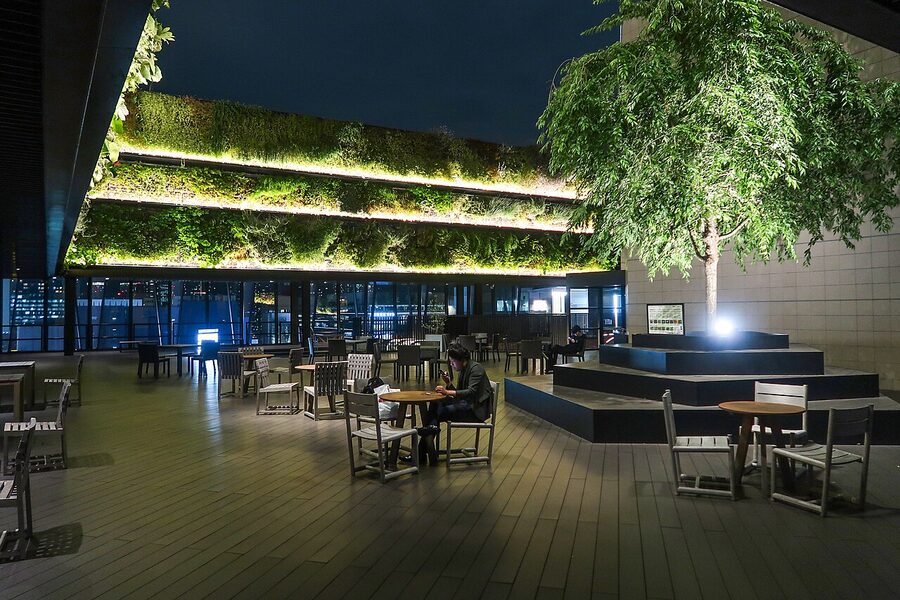
Tokyu Plaza Ginza at the western end of Chuo-dori is the 2016 shopping/dining complex built in a traditional edo-kiriko cut-glass-inspired facade. Inside is 13 floors of retail (mid-range fashion, kitchenware, cosmetics) plus restaurants on floors 10-11 with sunset terrace views over Ginza. The Kiriko Lounge (11F) is one of the best free-entry panoramic views of the neighbourhood.
Skip the shopping floors if you have limited time. Go to 11F for the view (~60-90 seconds in an elevator, free to linger). Hours: 11am–9pm.
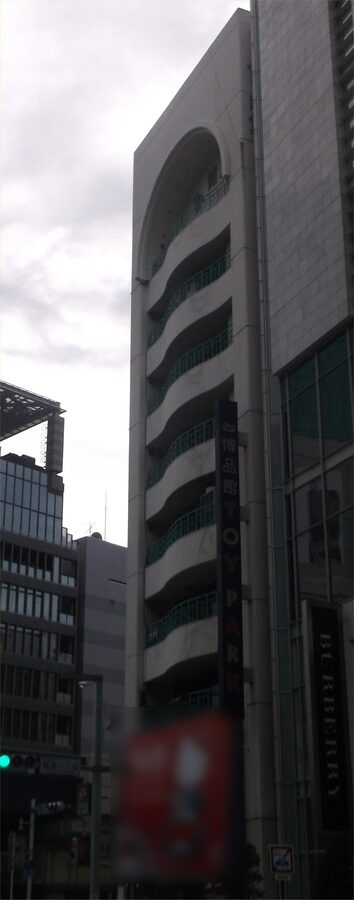
16. Shop Hakuhinkan Toy Park
Hakuhinkan Toy Park (博品館) at the south end of Chuo-dori is the 4-floor vintage-toy-chain store in Ginza that pre-dates the area’s luxury-ification. It stocks international brand toys, Japanese character merchandise, model kits, and an unmatched selection of die-cast metal cars. It’s the Ginza equivalent of Kiddy Land in Harajuku — less overwhelming, more traditional.
Worth 30 minutes if you have kids or you collect specific die-cast or scale-model items. Hours: 11am–8pm.
17. Wander Namiki-dori
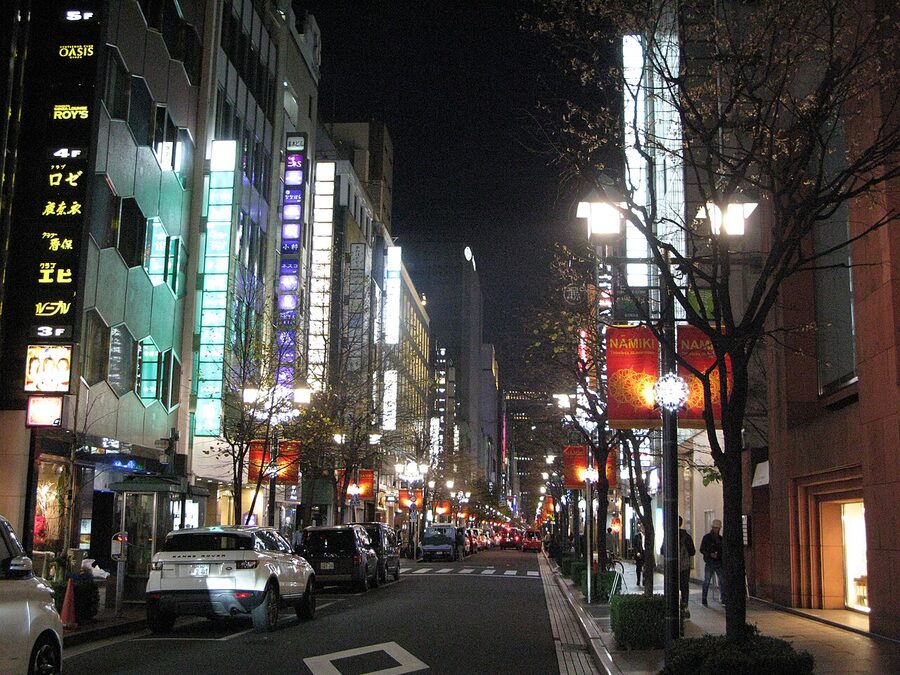
Namiki-dori (並木通り) runs parallel to Chuo-dori, one block east — a narrower tree-lined street with smaller luxury boutiques, high-end ateliers, and a notable concentration of sushi counters and kaiseki restaurants. Less touristy, more atmospheric, particularly at night. The walking distance from Ginza crossing is 2 minutes.
At night Namiki-dori is where old Tokyo salarymen go for the ¥30,000-per-person restaurants — you’re unlikely to eat at one without a reservation/introduction, but walking past the lantern-lit wooden entrances is genuinely Tokyo.
18. Find the Ginza back-alleys
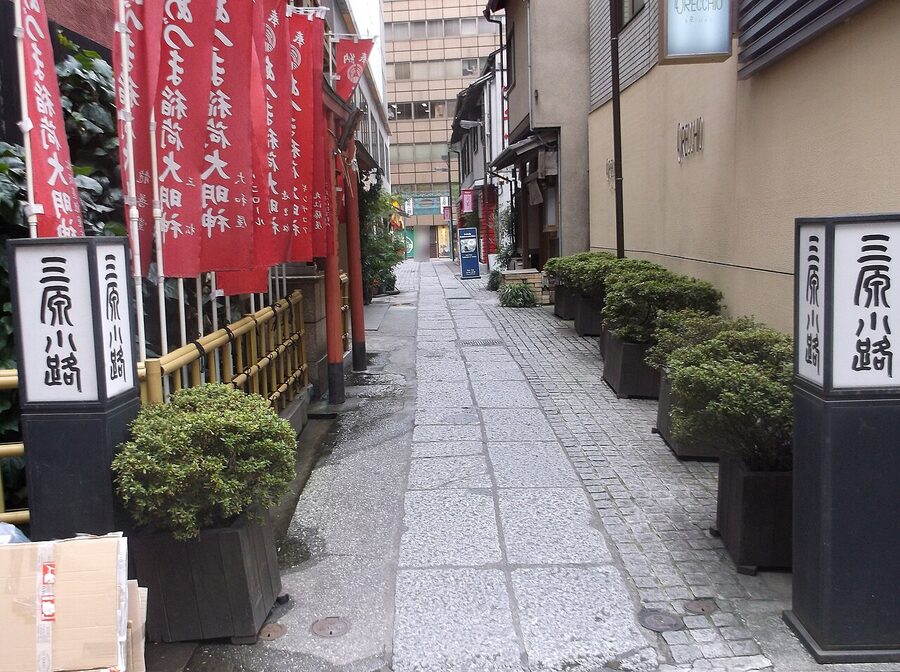
Between the main avenues (Chuo-dori, Namiki-dori) lies a grid of 5-metre-wide Ginza back-alleys. Tiny bars (many with no signs in English), ¥10,000-per-person sushi counters, and the kind of places where hostesses work and international businesspeople drink. Atmospheric, expensive, and mostly exclusive. Walk them for the atmosphere; eating in them requires local introduction or considerable budget.
19. Visit a Ginza art gallery
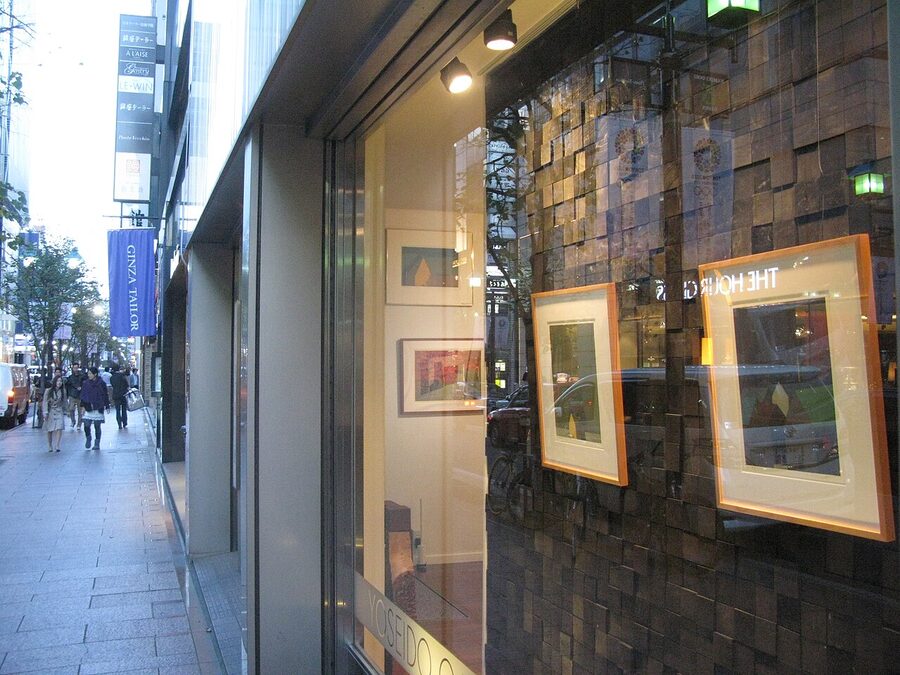
Ginza has Tokyo’s densest concentration of commercial art galleries — probably 100+ within a 500m radius, showing Japanese and international contemporary art. Most are free to enter. Walk-in policy is the default. 30-minute visits are normal; you’re not expected to buy.
Notable clusters: around Namiki-dori and the Chuo-dori side streets. Galerie Nichido (Japan’s oldest gallery, 1928) is the heritage stop; Shiseido Gallery (free, rotating contemporary shows) is the easy modern one. Many close Sundays.
20. Drink at Bar Lupin
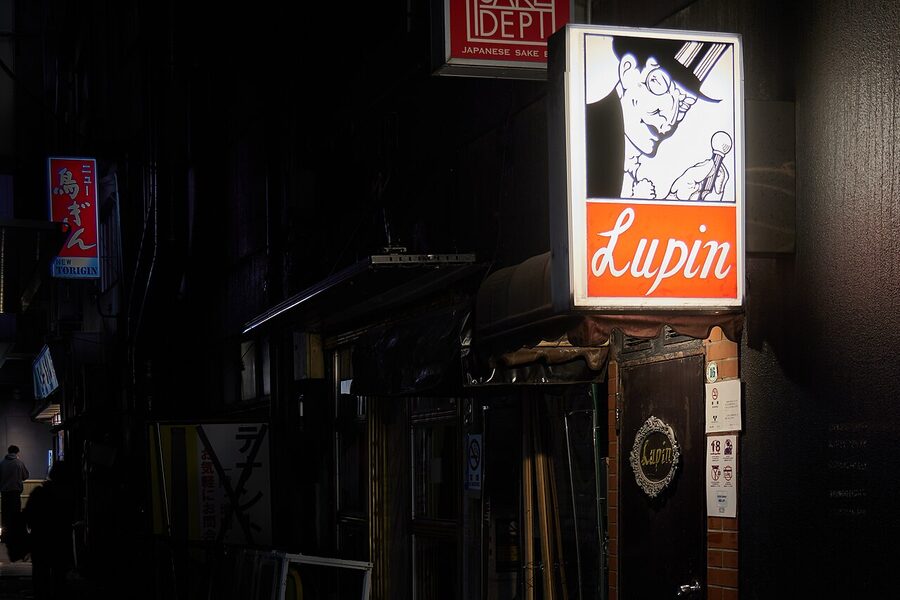
Bar Lupin (バー・ルパン) is the literary bar — opened 1928 — where a pre-WWII generation of Japanese writers (Osamu Dazai, Ango Sakaguchi) drank together. It’s still in operation, still dark wood and old-book-lined, still serving highballs and classics. Cover charge ¥1,500 + drinks from ¥1,000. No dress code but be respectful.
Small space (maybe 25 seats), no reservations for the main bar. Go before 8pm on weekdays. One of Tokyo’s legitimate historical drinking experiences.
21. Eat sushi in Ginza (budget edition)
Ginza is sushi-snob central — many of Tokyo’s Michelin-starred sushi counters live in these alleys. Dinner at one of them runs ¥30,000-80,000 per person, requires a reservation made weeks ahead, and may not accept foreign diners. But: lunch sets at top sushi counters run ¥3,000-8,000 and are often walkable-in without a reservation. That’s the move.
Our rotation: Sushi Zanmai (chain, ¥2,000-5,000 lunch, reliable), Sushi Tokami (Michelin-starred, ¥6,000 lunch set, book 1-2 days ahead), Kyubey Ginza (classic since 1935, ¥4,000-7,000 lunch). All give you real Ginza sushi without the evening price tag.
22. Shop at Muji Ginza flagship
The Muji Ginza Flagship at Tokyu Plaza proximity is the biggest Muji store on earth — 6 floors of Japanese minimalist everything (clothing, household goods, kitchen supplies, stationery, food). The top floor has a restaurant (Muji Diner) serving minimalist Japanese breakfast-lunch-dinner at reasonable prices. The hotel (Muji Hotel Ginza) occupies floors 6-10 and is a genuine concept hotel, not a marketing gimmick.
Budget ¥5,000-30,000 for a haul of Muji-branded gifts. The exclusive-to-Japan Muji items (snacks, specific fabrics, seasonal goods) are the actual reason to come. Hours: 11am–9pm.
23. Walk Harumi-dori to Kabukiza
Harumi-dori (晴海通り) runs east from Ginza toward the Tsukiji area, passing Kabukiza on the way. It’s a 15-minute walk that takes you through transitional Ginza (still luxury) into old-market Tsukiji (very different atmosphere). We like this walk as a natural end-of-day Ginza stretch — ending at Kabukiza, Tsukiji Outer Market, or continuing to Hamarikyu Gardens.
Free. Flat, easy walking. Cross via the covered pedestrian walkways when available.
24. Try a Ginza coffee
Ginza’s old-school kissaten (Showa-era coffee shops) culture is preserved in several survivors — Cafe Paulista (1911, brewing since before WWII), Cafe de L’ambre (1948, single-origin specialist who roasts beans up to 50 years old), Ginza Brasil. Budget ¥500-1,500 per coffee. The experience is the point.
Cafe de L’ambre specifically is a pilgrimage for coffee nerds — the founder, Sekiguchi-san, ran it into his 100s, and the aged-bean tasting menu is still available.
25. See what’s on at Hibiya Outdoor Concert Hall
Inside Hibiya Park stands Hibiya Yagai Ongakudo (日比谷野外音楽堂) — Tokyo’s original outdoor concert hall, in operation since 1923. Modern rebuilds have preserved the shape. The venue hosts live music events, cultural performances, and free city-hosted concerts throughout the year. Capacity is ~3,000 seats.
Tickets vary; many summer events are free. The hall is due for a 2025-2026 rebuild — check current status. Even without an event, the historical bandshell is photograph-worthy.
26. End the night at a Ginza hostess bar (the touristy version)
Ginza’s real hostess-bar scene (karaoke lounges where businessmen pay ¥30,000+/evening for female companionship and conversation) is famously exclusive and expensive. But: there are a few tourist-friendly Ginza hostess experiences — entry-level venues that welcome foreigners for a one-night look at the tradition.
Budget ¥5,000-10,000 per person for a 60-90 minute visit. It’s a very specific cultural experience and not for every traveller. If it interests you: search for Ginza ‘tourist-friendly hostess bar’ (English results abundant) and book ahead.
Getting to Ginza
From Narita: Narita Express to Tokyo Station, 2 stops on Marunouchi Line. 75 min, ¥3,300. Or Keisei Skyliner to Nippori + Yamanote + Ginza Line. 65 min, ¥2,700.
From Haneda: Airport Limousine Bus or Keikyu Line to Shinagawa + JR. 40-50 min, ¥650.
Within Tokyo: Ginza is on three metro lines (Ginza, Marunouchi, Hibiya) — reachable from Shibuya, Omotesando, Roppongi, Shinjuku, Ueno in 10-15 min. JR Yurakucho Station (Yamanote line) is a 5-minute walk west.
Where to stay in Ginza
Ginza is Tokyo’s most expensive hotel neighbourhood — luxury brands (Four Seasons Otemachi nearby, Mandarin Oriental Tokyo, Peninsula Tokyo, Aman Tokyo, Muji Hotel, Hoshinoya Tokyo via shuttle). Mid-range options are limited and expensive by comparison. Business hotels (Millennium Mitsui Garden, Courtyard by Marriott Ginza) run ¥20,000-35,000/night. Consider Ginza on Booking.com — or look at nearby Nihonbashi/Kyobashi for cheaper options at similar convenience.
Ginza FAQ
Is Ginza expensive?
Yes — and no. Luxury shopping is extreme. But depachika lunches (¥1,500-3,000), sushi lunch sets (¥3,000-6,000), and coffee shops (¥500-1,200) are reasonable. Free: Chuo-dori walking, 4-chome crossing, Wako exterior, Hibiya Park, most art galleries, Godzilla Square, Apple Store rooftop, Tokyu Plaza 11F terrace, ground floor of most flagships. You can do Ginza on ¥5,000/day.
How many hours do you need in Ginza?
Half a day for Chuo-dori + one department store + lunch. A full day if you include Hibiya Park, Kabukiza, a gallery tour, and a proper dinner. Two days if you want Tsukiji at opening.
What’s the best time to visit?
Weekend afternoons 12-5pm for pedestrianised Chuo-dori — unmissable if you want that signature photo. Weekday evenings for the gallery openings and bar scene. Saturday morning 8-10am for Tsukiji Outer Market. Avoid Monday (many galleries, restaurants, and even Kabukiza closed).
Can I combine Ginza with anything else in one day?
Ginza pairs well with Tokyo Station/Marunouchi (15-minute walk north), Tsukiji (15 minutes east), and Hibiya/Imperial Palace area (5 minutes west). All on foot. A common Tokyo day: Imperial Palace morning, Ginza lunch and shopping, Tsukiji afternoon snack, Kabukiza evening. Packed but doable.
The short version
Ginza is luxury flagships, century-old department stores, a kabuki theatre, and the best depachika food halls in Tokyo — stacked into a 500m × 500m grid you can walk end to end in 15 minutes. It’s also free to wander, beautiful at blue hour, and absolutely accessible on a moderate budget. Budget half a day if that’s what you have. Add Hibiya Park, Tsukiji, or Kabukiza for a full day.
Next up: citywide things-to-do, Shibuya (the hectic counterpart), or Asakusa (the old-Tokyo counterpart).