
Asakusa is Tokyo’s old-town theatre. Wooden shop fronts, red paper lanterns, a 1,400-year-old temple in the middle, rickshaws rolling down cobbled streets, the Skytree towering over the river one block away. It’s simultaneously the most touristy and the most atmospheric neighbourhood in Tokyo — a district that leans so hard into its own cliché that the cliché starts to feel true again. We love it.
Below is our practical run of 27 things to do in Asakusa. Yen prices, station exits, real takes on which rickshaw rides are worth it and which Nakamise souvenir stalls to skip. Pair this with our first-timer’s guide and our broader things-to-do-in-Tokyo list. When you’re done here, Ueno is a 15-minute walk west via Kappabashi.
Asakusa Station (Ginza, Asakusa, Tobu Skytree lines) is the main access. The Kaminarimon Exit (exit 1 on Ginza line) puts you at the temple’s main gate. Other exits surface near the river. The whole Asakusa core is flat, easily walkable, and you could cover the essentials in 3-4 hours if you’re efficient or spend a full day if you want the rickshaw, the cruise, and a proper lunch.
In This Article
- 1. Walk through Kaminarimon Gate
- 2. Stroll Nakamise-dori
- 3. Pass through Hozomon Gate
- 4. Pray (or at least stand) at Senso-ji Main Hall
- 5. Look up at the Five-Storied Pagoda
- 6. Visit Asakusa Shrine next door
- 7. Take a rickshaw ride
- 8. Cruise the Sumida River
- 9. Shoot the Skytree from the Asahi Flame
- 10. Walk Azuma Bridge
- 11. Go up Tokyo Skytree
- 12. Picnic in Sumida Park
- 13. Rent a kimono and walk the temple grounds
- 14. Eat your way down Hoppy-Dori
- 15. Spot Asakusa yatai food stalls
- 16. Photograph the lanterns
- 17. Play old-school at Hanayashiki amusement park
- 18. Visit the Asakusa Culture Tourist Information Center
- 19. Shop Kappabashi (for real knives)
- 20. Raid Don Quijote Asakusa
- 21. Yakatabune dinner cruise
- 22. Catch cherry blossoms in Asakusa
- 23. See Sanja Matsuri (if you’re lucky with timing)
- 24. Spot the Naki Sumo (Crying Baby Festival)
- 25. Take the ground-level Asakusa walking tour
- 26. Photograph Asakusa from Azuma-bashi at blue hour
- 27. End the day at a shitamachi kissaten
- Getting to Asakusa
- Where to stay in Asakusa
- Asakusa FAQ
- Is Asakusa worth visiting?
- How do I avoid the crowds at Senso-ji?
- Is Asakusa a good base for visiting Tokyo?
- Can I combine Asakusa with Ueno in one day?
- What’s the best time of year to visit?
- The short version
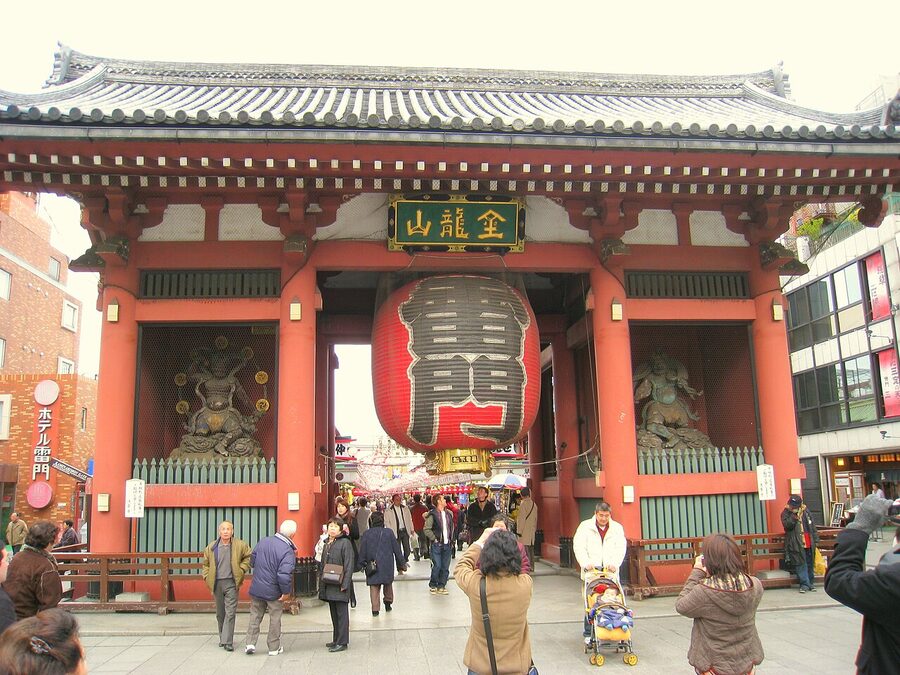
1. Walk through Kaminarimon Gate
Kaminarimon (雷門) — the Thunder Gate — is Senso-ji’s outer gate and Asakusa’s most-photographed object. The massive red paper lantern (4m tall, 700kg) marks the entrance to the temple complex and the Nakamise shopping street. It’s free, it’s always photogenic, and it’s also always busy. The current lantern was rebuilt in 1960; the gate itself dates from 942 with multiple rebuilds.
The lantern folds flat every year for the Sanja Matsuri festival (mid-May) so the portable shrines can pass under it. Worth knowing if that’s when you visit — the gate looks different for a few weeks.
2. Stroll Nakamise-dori
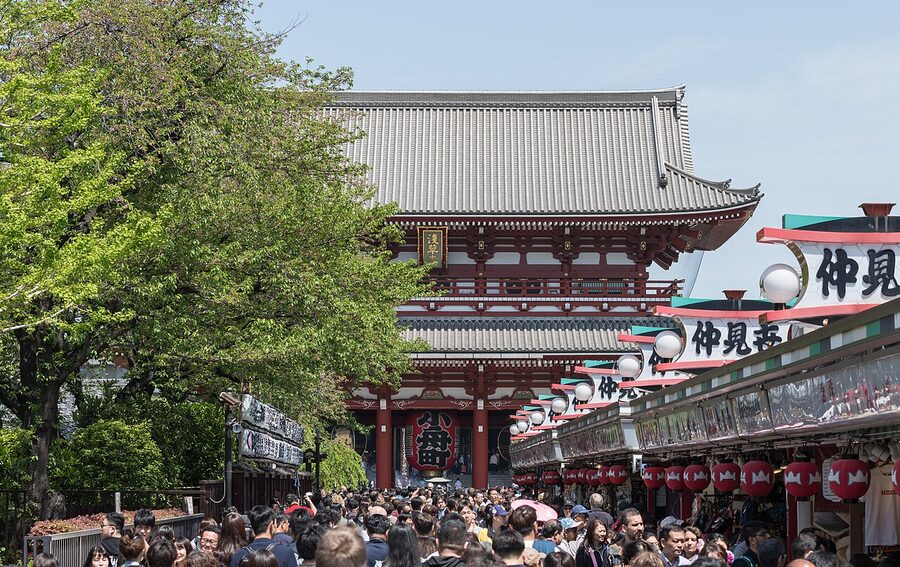
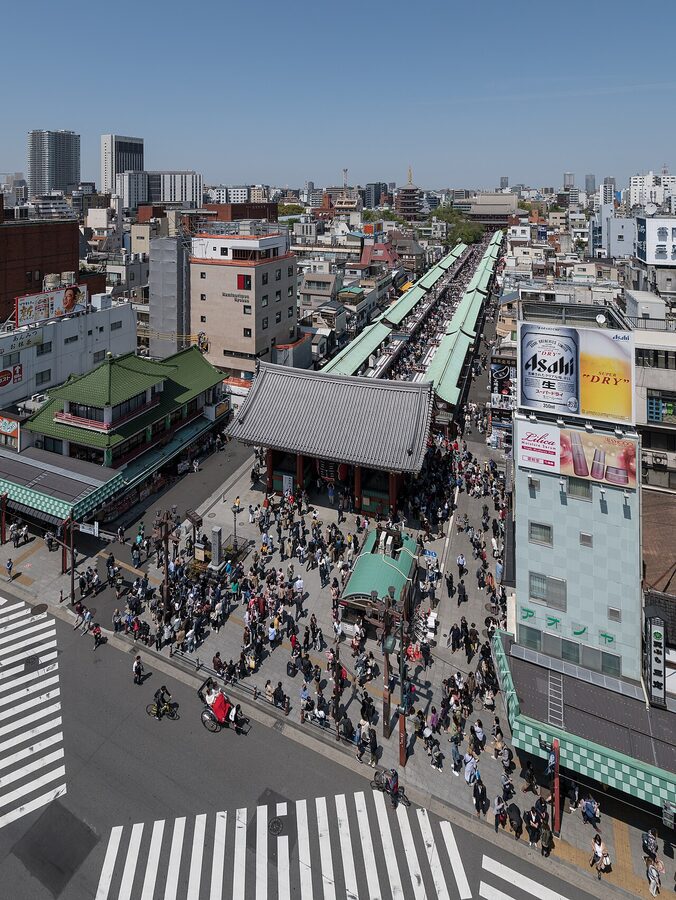
Nakamise-dori (仲見世通り) is the 250-metre pedestrian shopping street running from Kaminarimon to the Hozomon gate. 89 small shops selling souvenirs, traditional snacks (ningyo-yaki, age-manju, senbei), yukata, folding fans, and a reasonable amount of mass-produced tourist tat. It’s busy, it’s touristy, and it’s been an approach market for 400+ years. Even in 2026 some of the shops are owned by the 10th or 12th generation of the same family.
What to actually buy here: ningyo-yaki (small filled sponge cakes, ¥100-300 each — eat them warm), age-manju (deep-fried bean-paste buns, same price range), and folding fans from any shop that’s been there 100+ years (ask the shop owner — they’re proud to tell you).
Skip: the generic ninja swords, the plastic sushi keychains, and the ‘made in China’ kimonos. The real souvenirs here are edible.
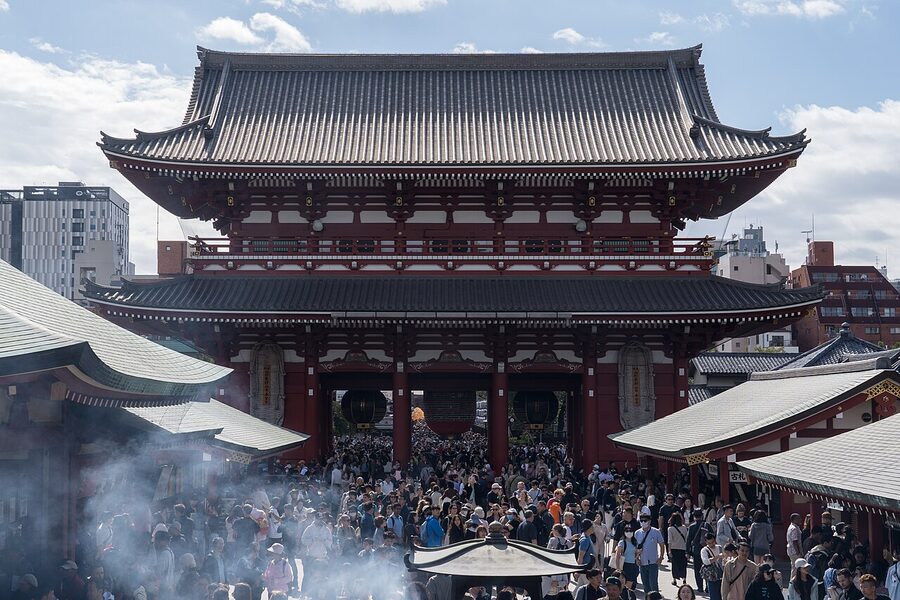
3. Pass through Hozomon Gate
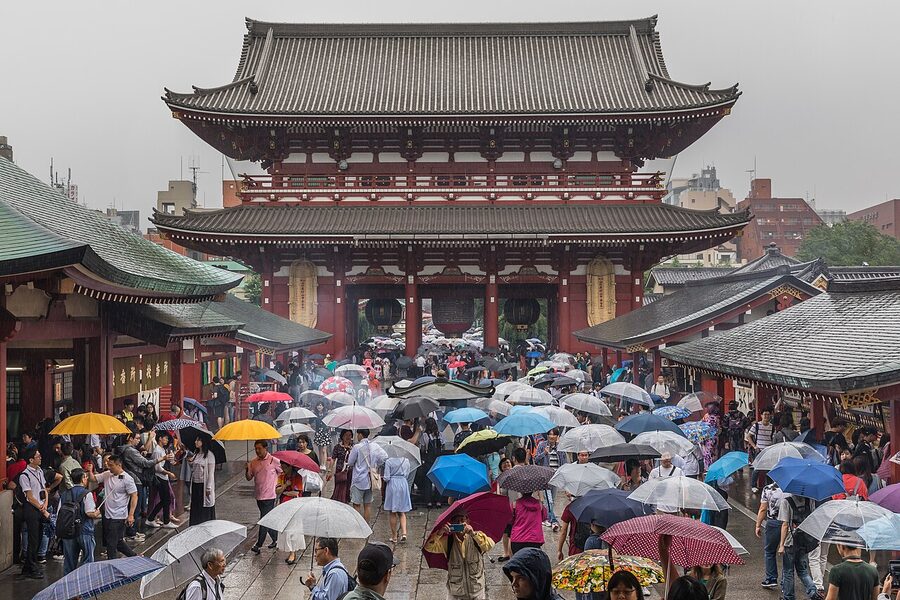
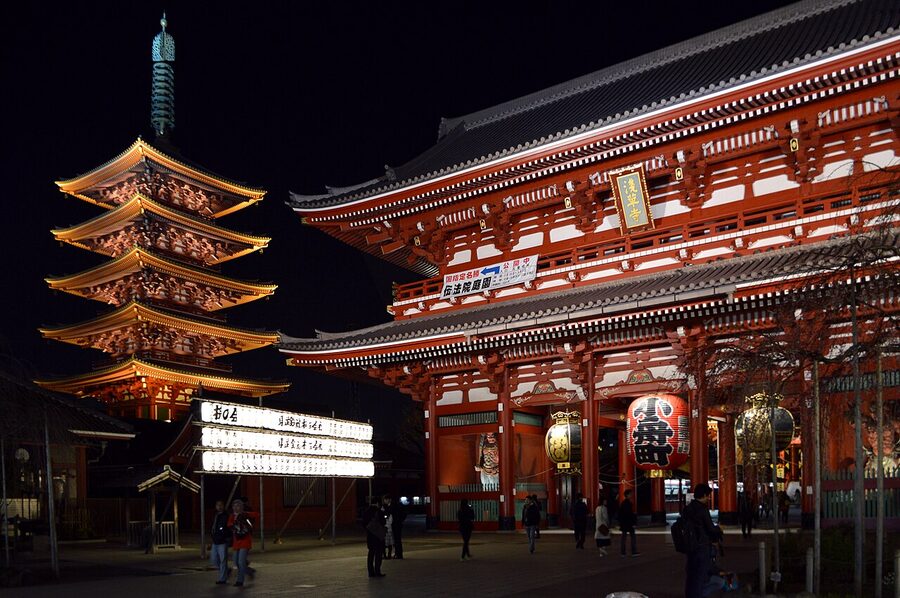
Hozomon (宝蔵門) is Senso-ji’s inner gate — two storeys, three giant paper lanterns, and a pair of enormous woven-straw sandals (waraji) hanging from the back. The sandals symbolise the foot size of the gate’s protective Nio guardians (about 4.5m each — the gods would have been huge). You pass through here from Nakamise into the main temple precinct. Free.
Stop and look up. The ceiling has a painted phoenix and a tiger — 17th-century originals preserved despite the gate itself being rebuilt in 1964 after the wartime fire. The big lanterns hide the ceiling unless you specifically look.
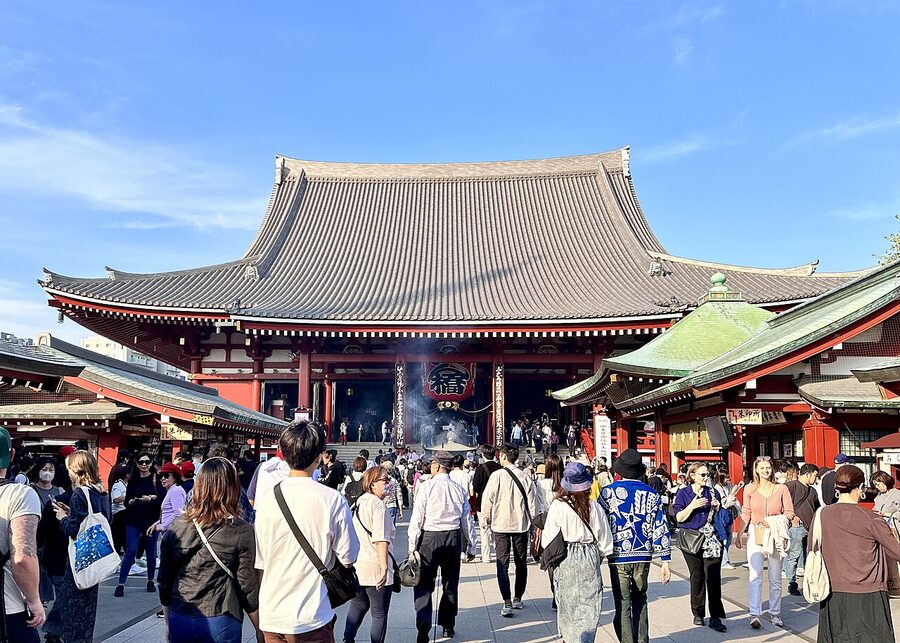
4. Pray (or at least stand) at Senso-ji Main Hall
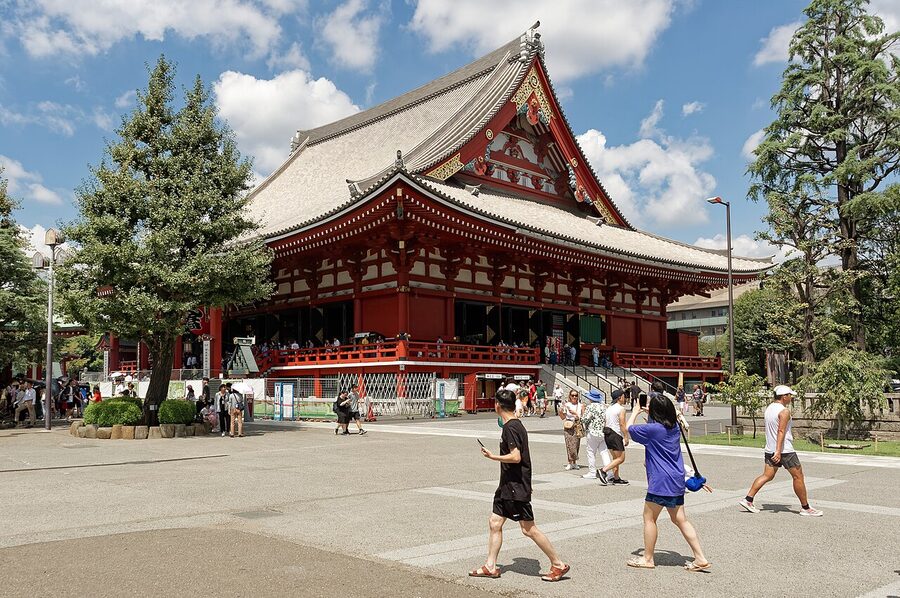
Past Hozomon, the Senso-ji Main Hall (本堂) is your destination. The temple was founded in 645 CE when two fishermen found a golden statue of Kannon (the bodhisattva of compassion) in the Sumida River. The current main hall is a 1958 concrete rebuild — the original 1649 building burned down in WWII firebombing. It’s still spectacular. The interior is dimly lit, heavy with incense smoke, and full of people quietly praying in a roomful of gilded Buddhist imagery.
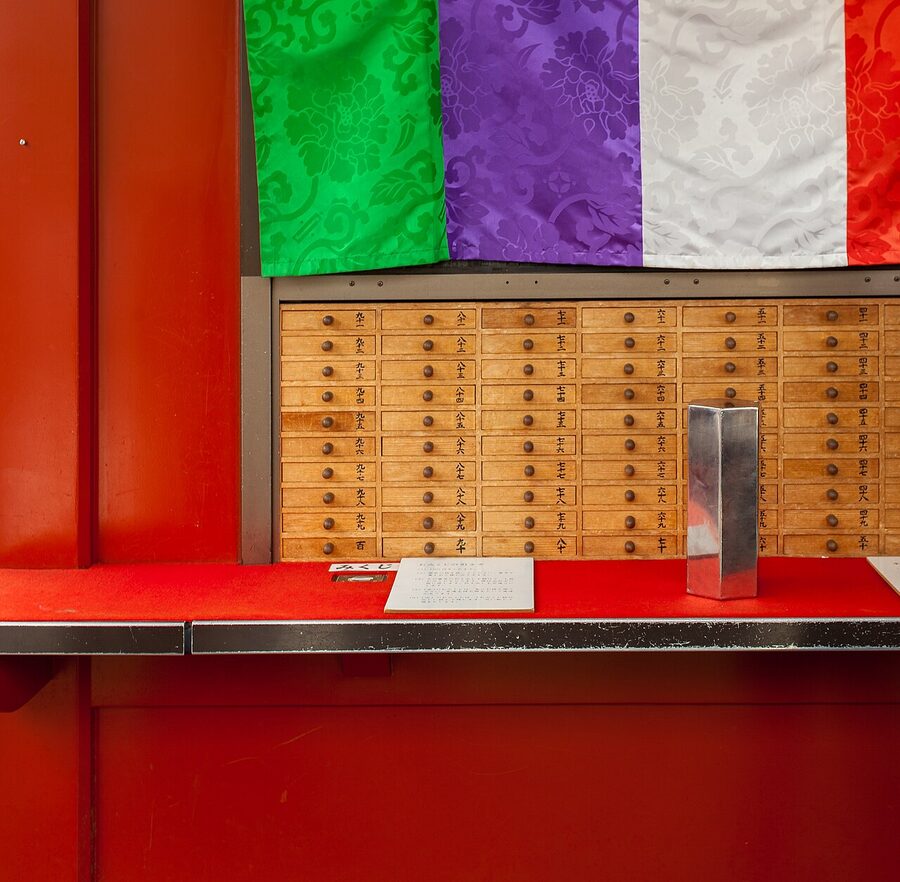
What to do: waft incense smoke from the big urn toward any body part that needs healing. Toss a 5-yen coin (go-en — ‘five yen’, homonymic with ‘connection’) into the offering box. Clap twice, bow, clap twice more, make a silent wish. Don’t photograph the central altar — it’s asked-politely not allowed.
Free. Hours: 6am-5pm (temple hall), grounds 24-hour. Morning and late afternoon are the calmer times — dawn is genuinely wonderful if you’re jet-lagged and awake anyway.
5. Look up at the Five-Storied Pagoda
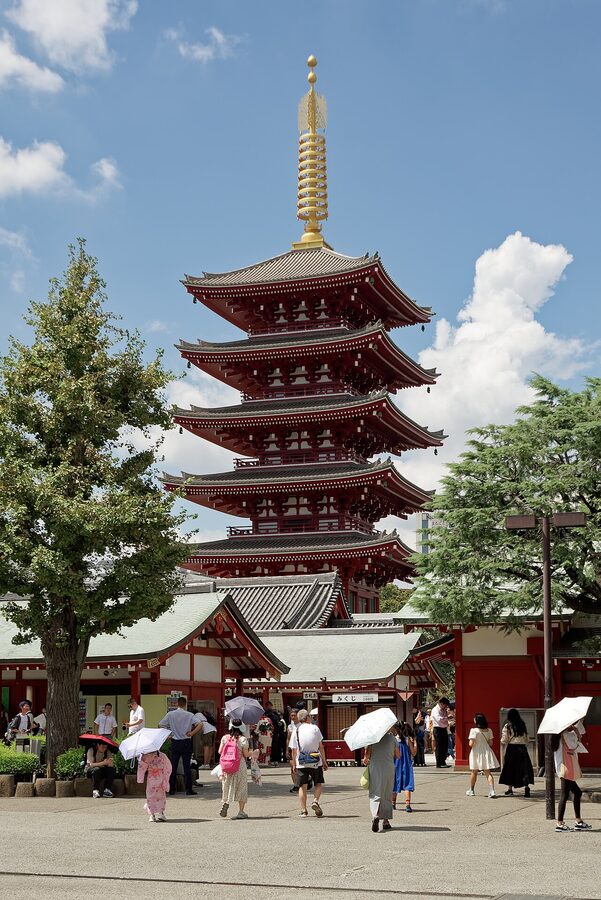
Just left of the main hall stands the Five-Storied Pagoda (五重塔) — a 53-metre reconstruction of the 1648 original. Best photographed from the Nakamise side looking east, or from Hozomon Gate looking south. At night, it’s floodlit and arguably more dramatic than in daylight. The interior isn’t open to the public.
Free. Visible from everywhere on the Senso-ji precinct. Peak photo times: blue hour (roughly 30 minutes after sunset), when the lights come on and the sky’s still blue.
6. Visit Asakusa Shrine next door
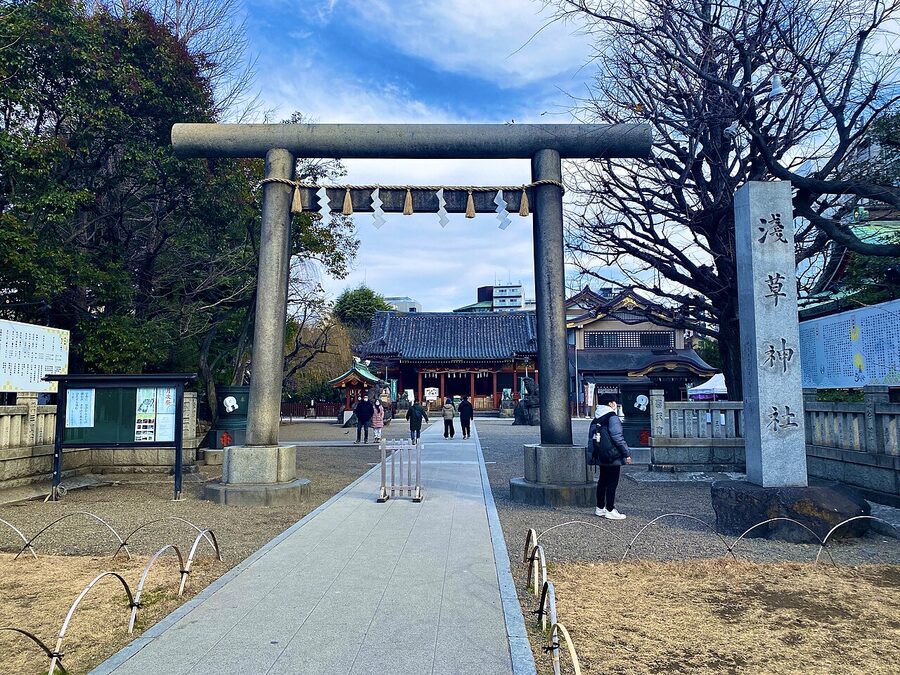
Tucked immediately east of the main hall is Asakusa Shrine (浅草神社) — a Shinto shrine dedicated to the two fishermen who found the Kannon statue and the third local man who verified it was a real Buddhist icon. It’s one of central Tokyo’s few pre-war buildings — the 1649 main hall survived WWII firebombing and is an Important Cultural Property.
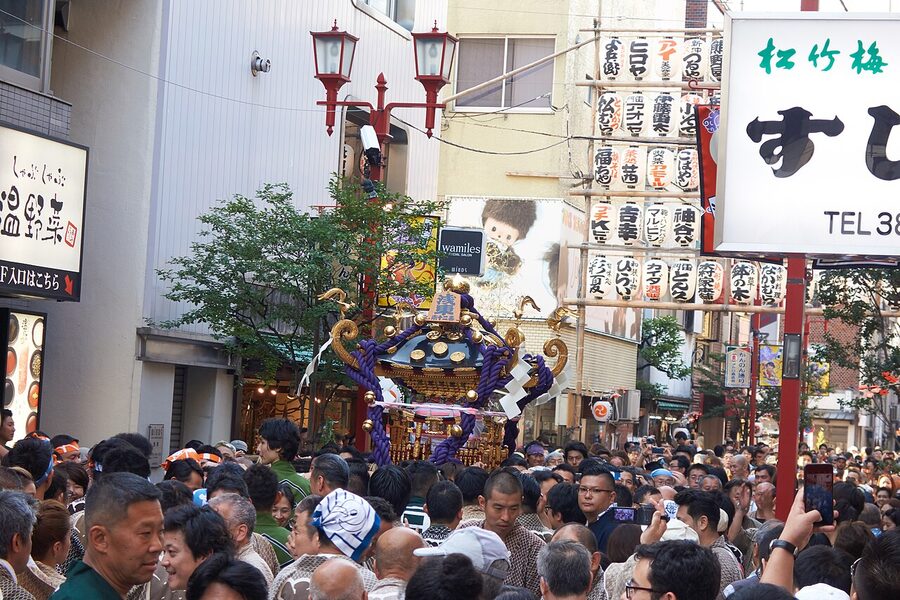
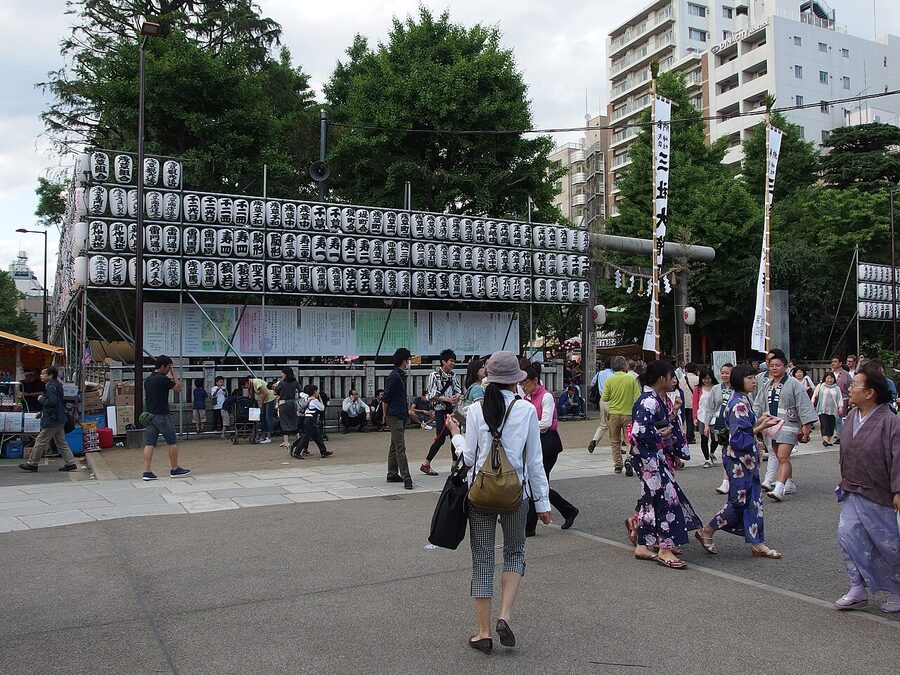
The shrine is famous for the Sanja Matsuri (Three-Shrine Festival) on the third weekend of May — one of Tokyo’s three biggest festivals, when 100 portable shrines are carried through the streets by thousands of locals, many of whom strip to the waist to show their tattoos (the one weekend of the year Japan’s anti-tattoo conventions genuinely flip). It’s spectacular and moderately chaotic.
7. Take a rickshaw ride
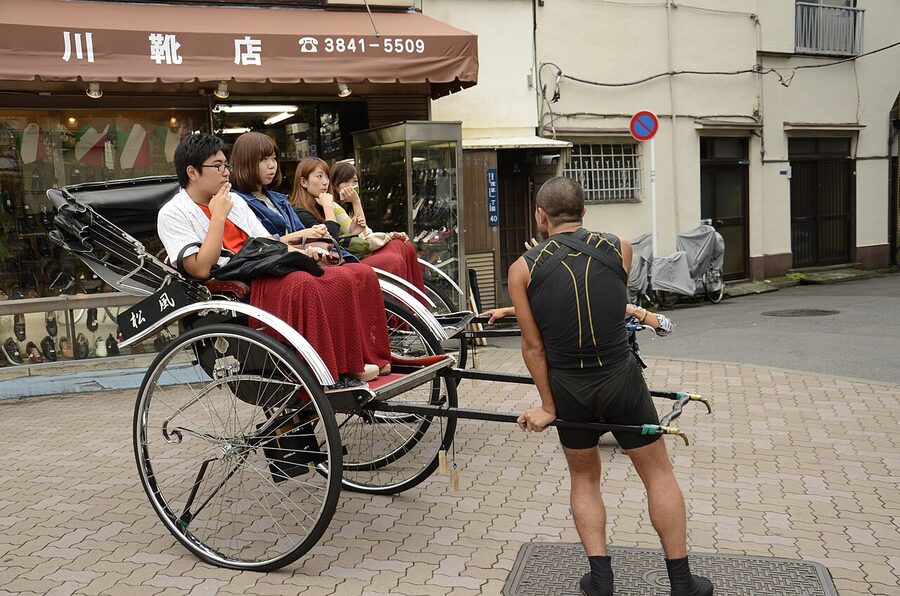
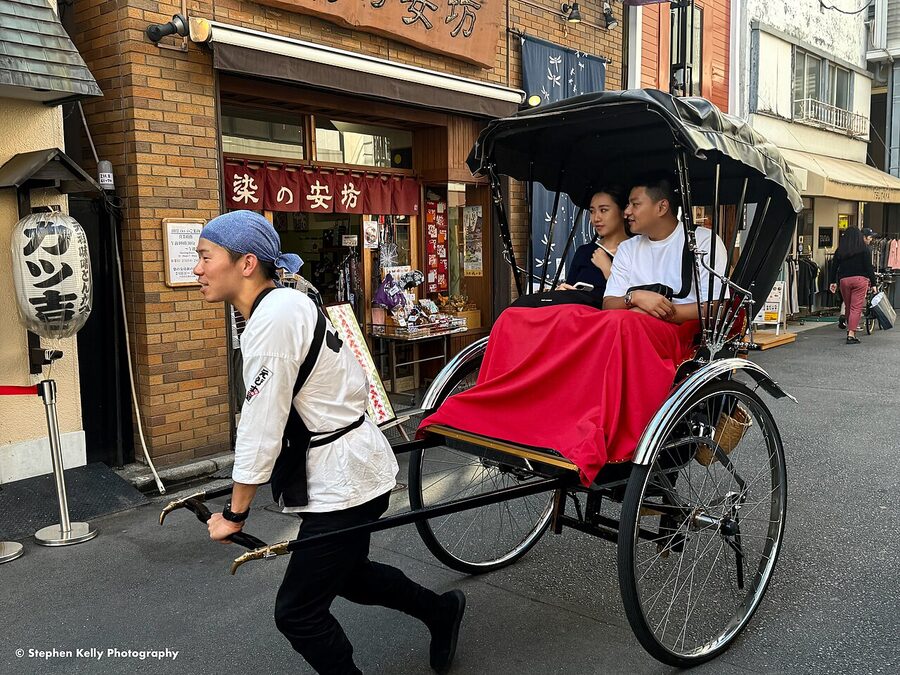
Asakusa is one of the only places in Tokyo where the rickshaw (人力車) trade still exists — roughly 15 companies operating around Kaminarimon, each with young drivers in traditional uniforms who double as charming tour guides. It’s touristy, obviously. It’s also a genuinely pleasant 30-60 minutes of someone running you around the neighbourhood while pointing out details you’d walk past otherwise.
Prices: ¥5,000 for 15 minutes, ¥9,000 for 30 minutes, up to ¥30,000 for 2 hours (two people). Book on the spot around Kaminarimon or pre-book online with Ebisuya (the biggest operator). The driver does the running AND the talking — tip ¥500-1,000 if they were good. English-speaking drivers are plentiful if you ask.
Our take: worth it once, probably not twice. Do the 30-minute option — 15 is barely enough to cover the rickshaw setup and photo-ops.
8. Cruise the Sumida River
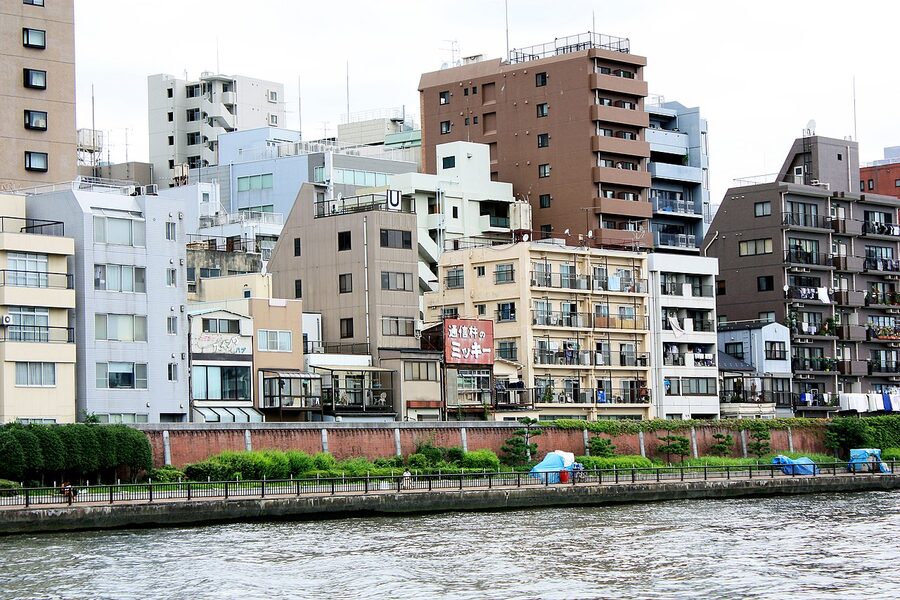
The Sumida River runs east of Senso-ji, and from Asakusa Pier you can take a boat south to Hinode (for Odaiba/Hamamatsucho) or Hama-rikyu Gardens. It’s a full-on waterway tour of low-rise riverside Tokyo and — fine — tourist-oriented, but the boats pass under 12 bridges, give you Skytree views from the river, and get you to Odaiba without changing trains three times.
Tokyo Cruise (formerly Himiko): futuristic Leiji Matsumoto-designed boats, ¥1,200 to Hinode. Tokyo Water Bus: more standard boats, slightly cheaper. Yakatabune: traditional low-slung covered boats, usually evening dinner cruises (¥10,000-15,000/person).
9. Shoot the Skytree from the Asahi Flame
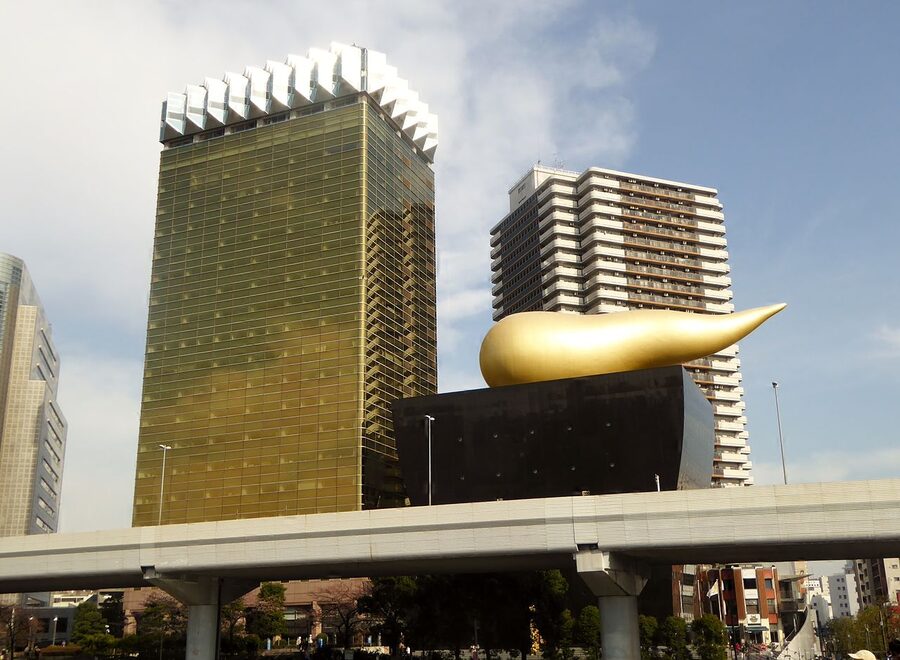
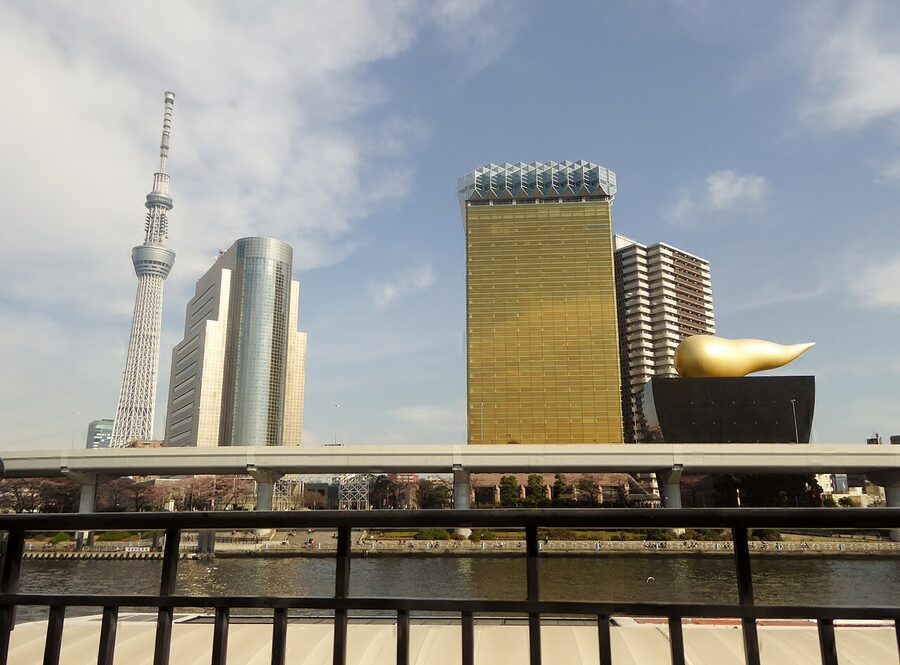
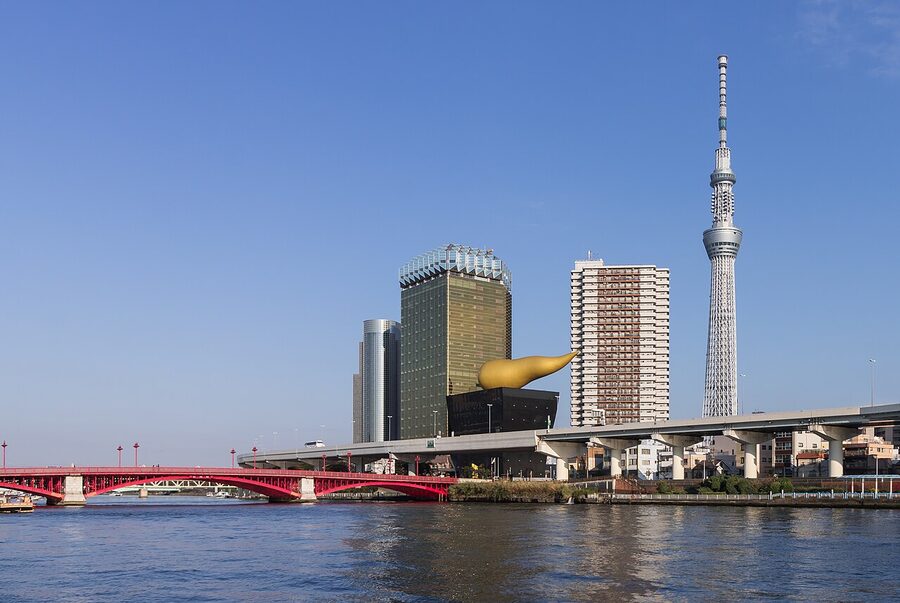
Across the Sumida River from Asakusa sits the Asahi Beer Hall (Super Dry Hall) with its famous rooftop sculpture — a giant golden flame-shape that locals have called the "golden turd" for 30 years (the sculptor, Philippe Starck, intended it as a flame; the Japanese public renamed it immediately). Behind it stands the Skytree. Photographing all three together — Asahi Flame, beer tower, Skytree — is one of those defining Tokyo shots. Free.
Best angle: from Azuma-bashi (the big red bridge just east of Kaminarimon) looking east. Or from the first few metres of the riverside walk. Sunset and blue hour both work.
10. Walk Azuma Bridge
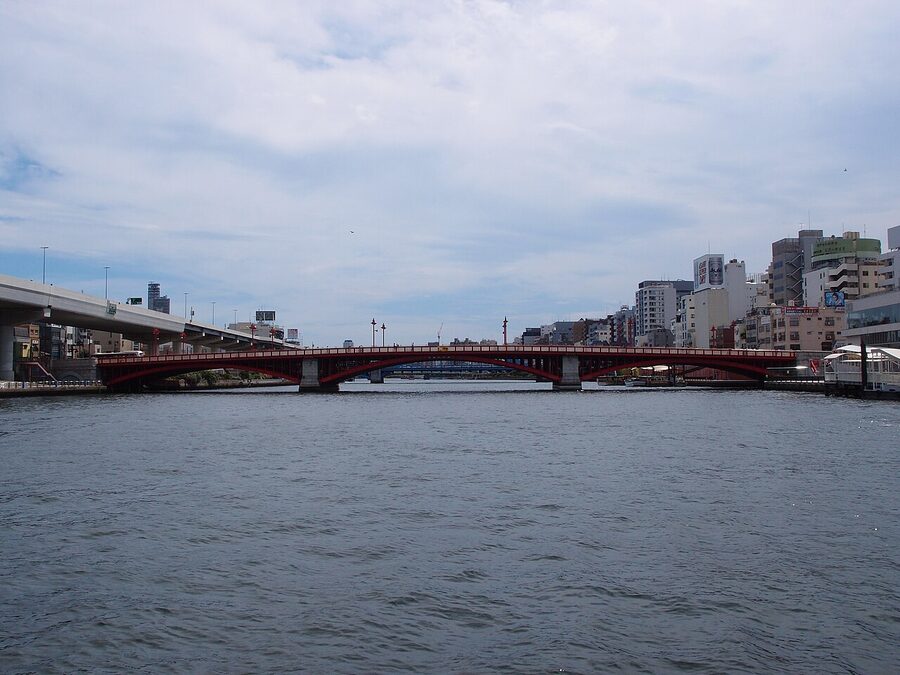
Azuma-bashi (吾妻橋) — Azuma Bridge — is the big red bridge over the Sumida connecting Asakusa to the Asahi Hall side. It’s the oldest bridge location in this area (first bridge built 1774, rebuilt multiple times). The current bridge is from 1931. Walking across takes 2 minutes and gives you riverside views in both directions. Free. Always open.
Stop in the middle. Look north — Sumida Park and the Skytree. Look south — Azuma rail bridge and the Tokyo Cruise boats. It’s one of the most genuinely scenic quick views in central Tokyo, and basically no one stops on the bridge itself because they’re hurrying across.
11. Go up Tokyo Skytree
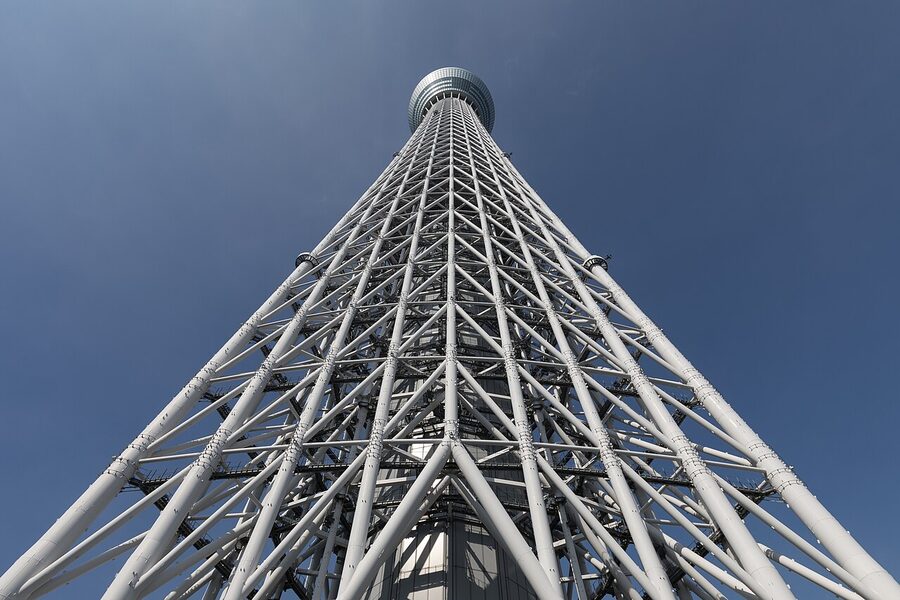
The Tokyo Skytree (東京スカイツリー) is the 634-metre tower across the river in Sumida — the second-tallest structure on earth (at time of build) and Tokyo’s main broadcasting antenna. Two observation decks: Tembo Deck at 350m (¥2,100) and Tembo Galleria at 450m (¥3,100). On clear days, Fuji. On unclear days, the largest city view in Asia. Book online in advance; walk-up waits at weekends can hit 90+ minutes.
From Asakusa: 15-minute walk across Azuma Bridge + 10 more minutes east. Or 1 stop on the Tobu Skytree Line (¥150). Faster by train. Covered in more detail in our forthcoming Tokyo Skytree guide.
12. Picnic in Sumida Park
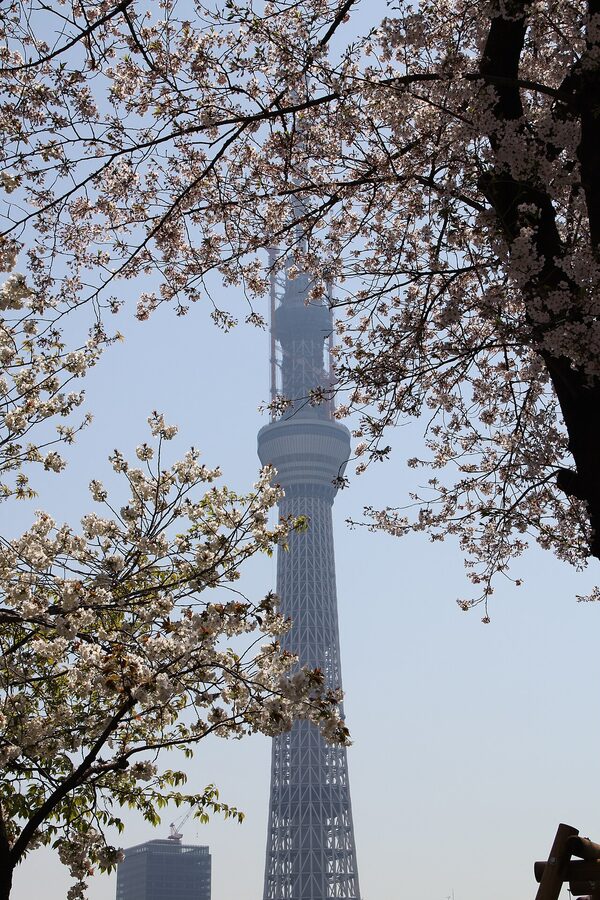
Sumida Park (隅田公園) runs along the Asakusa side of the river, north of Azuma Bridge. It’s a long, narrow park with cherry trees, benches, and probably the best Skytree-over-cherry-blossoms shot you’ll get anywhere. In cherry blossom week (late March-early April) it gets crowded but in a civilised way — less chaotic than Ueno, more scenic than Yoyogi.
Free, always open. The X-shaped pedestrian Sakura Bridge at the park’s north end is a small architectural landmark and a viewpoint in its own right. Great for a quick convenience-store picnic on the grass.
13. Rent a kimono and walk the temple grounds
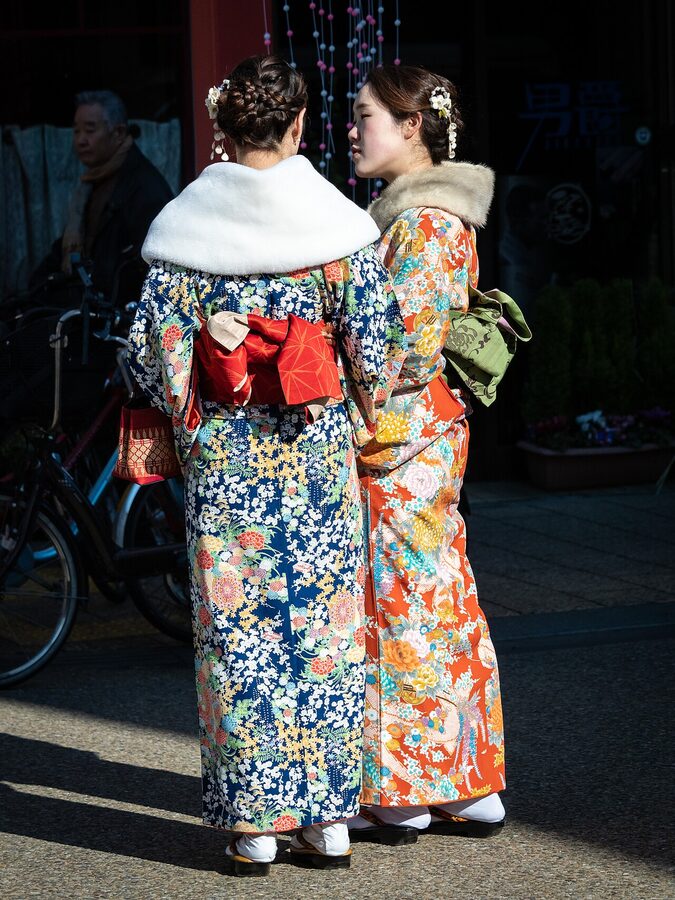
Asakusa is Tokyo’s kimono rental capital — roughly 20 shops around Senso-ji let you hire a full kimono or yukata for a day (¥4,000-8,000 depending on quality), often including hair styling and a professional photo. You’ll see visitors in kimono everywhere in the temple grounds. It’s cliché but it’s also fun and the photos look great in the red-and-wood environment.
Big chains: Yae, Kimono Rental Wargo, VASARA. All take online bookings and walk-ins. Go early (9-10am) to avoid the afternoon hair-styling queues. Bring ID and your own small accessories (phone, wallet, small purse — most kimono have no pockets).
14. Eat your way down Hoppy-Dori
Two blocks west of the temple runs Hoppy-Dori (ホッピー通り) — an informally-nicknamed alley of 50+ izakayas, tachinomi bars, and cheap food stalls. ‘Hoppy’ is a low-alcohol beer-substitute drink popular in working-class Tokyo, and the alley has been serving it at ¥300 a glass for decades. It’s cheap, loud, smoky, friendly, and the opposite of luxury.
Budget ¥1,500-2,500 for a round of hoppy + 2-3 small plates. Most places open from noon to midnight. Cash helps; some take cards.
15. Spot Asakusa yatai food stalls
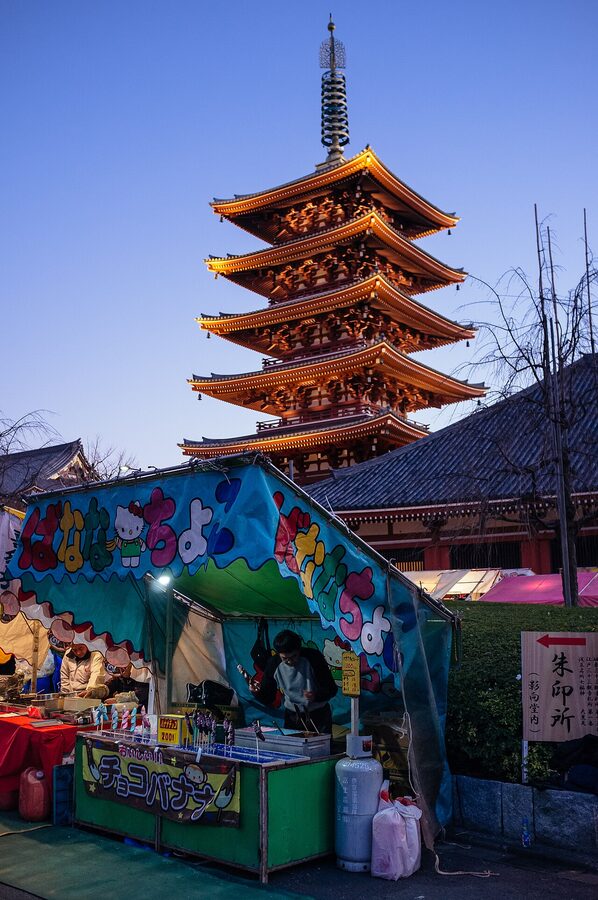
During festivals and weekends, yatai (屋台) — the food carts — line the streets around Senso-ji selling yakisoba, takoyaki, taiyaki, fried potatoes, and seasonal specialties (kakigori shaved ice in summer, sweet potato in autumn). Budget ¥300-600 per snack. They’re tourist-priced compared to the grown-up restaurants but they’re also the sensory experience you came to Asakusa for.
Our rotation: ningyo-yaki (little cakes filled with bean paste), age-manju (deep-fried manju), taiyaki (fish-shaped waffles, usually red bean or custard). All ¥200-350.
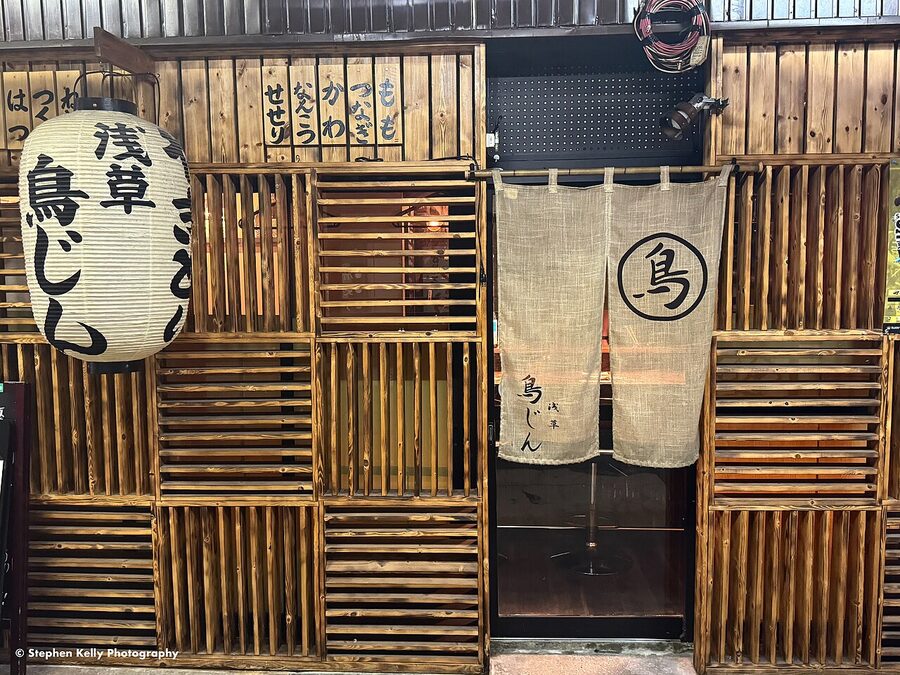
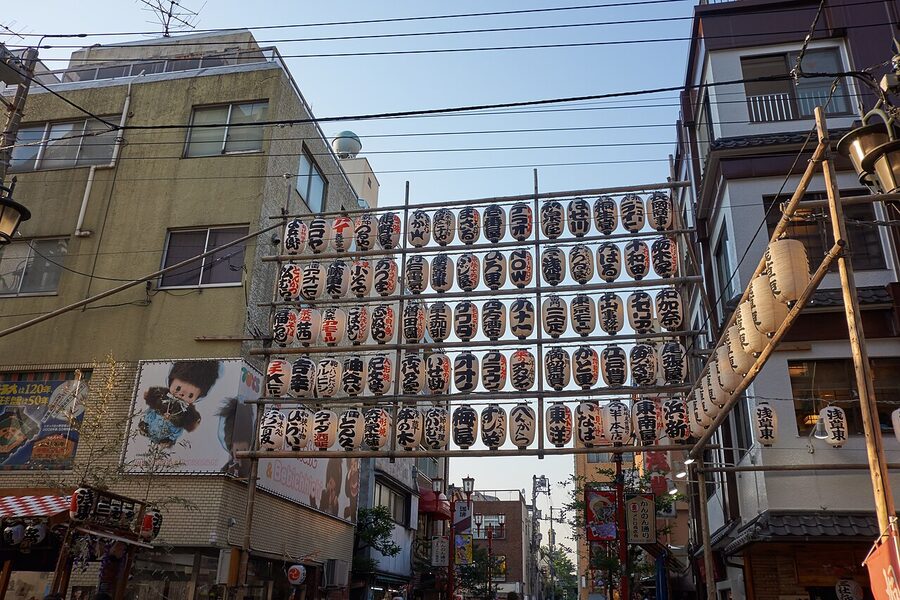
16. Photograph the lanterns
Asakusa’s paper lanterns (chochin) are everywhere — outside every restaurant, above every shop door, lining alleys. Most are replaced yearly. Red and white are most common; some restaurants use blue (Noryo) or green (summer cooling). After dark they glow from inside and turn every side street into a photography subject.
Take a slow walk through the back streets north-west of Senso-ji after 7pm for the best lantern density. Bring a phone with manual controls; the low light is what makes the shots.
17. Play old-school at Hanayashiki amusement park
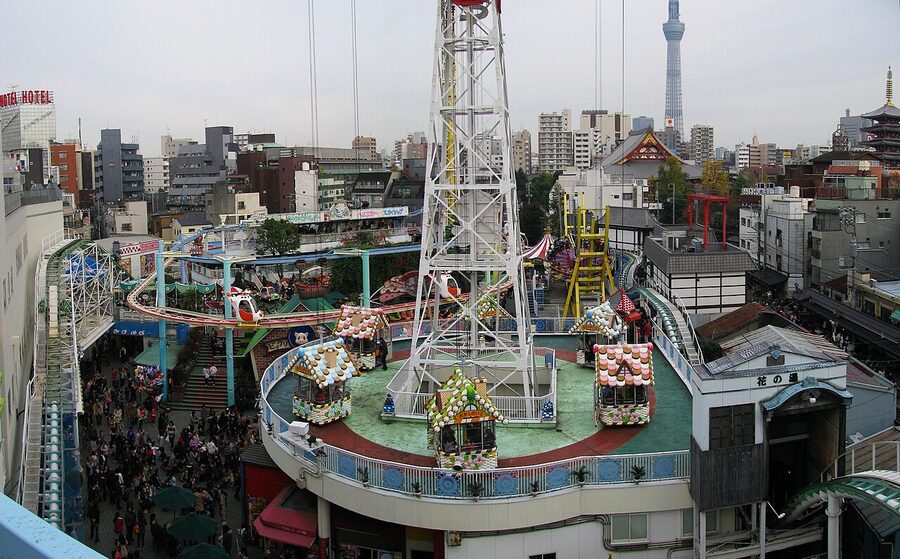
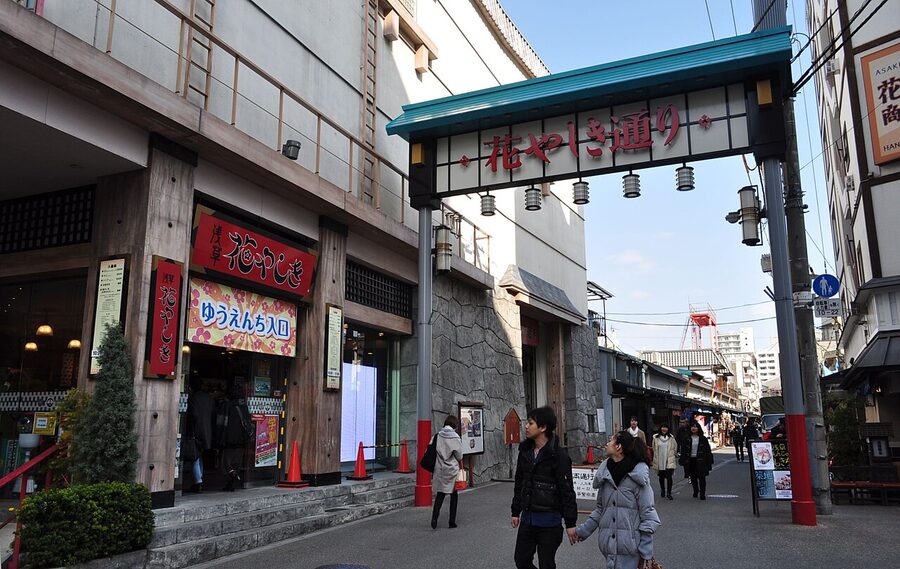
Hanayashiki (浅草花やしき) is Japan’s oldest amusement park — founded 1853 — and one of the oddest places in central Tokyo. A tiny, creaking park tucked behind Senso-ji, with a rollercoaster from 1953 that rattles between apartment buildings, a small haunted house, and genuinely charming 1960s Showa-era kitsch. It’s not big. It is extremely Japanese.
Entry: ¥1,200 adults; rides ¥100-500 each (or buy a ¥2,800 all-rides pass). Hours: 10am–6pm. Kids under 12 will love it; adults either think it’s a gem or think it’s sad — we fall firmly in the ‘gem’ camp.
18. Visit the Asakusa Culture Tourist Information Center
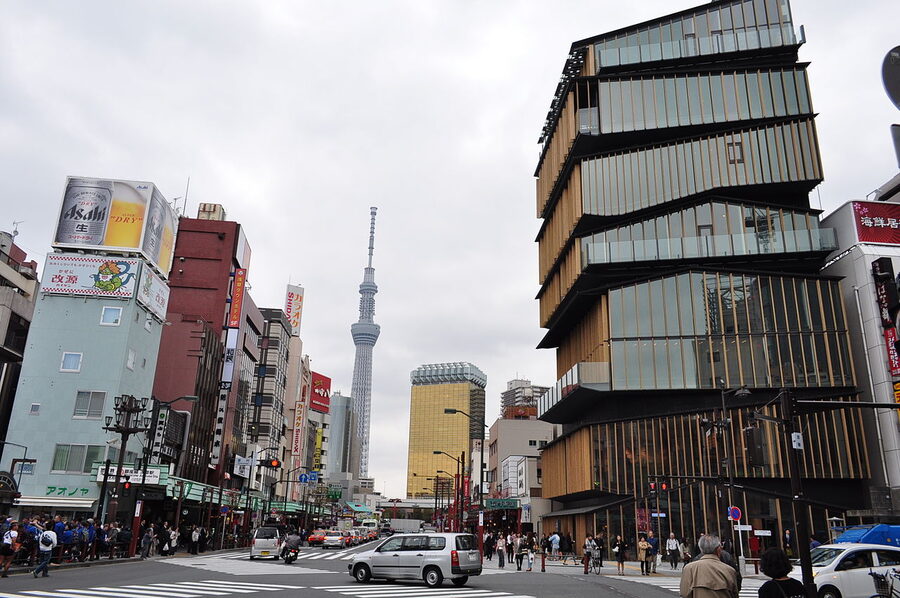
Opposite Kaminarimon stands the Asakusa Culture Tourist Information Center — an 8-storey Kengo Kuma-designed wooden-clad building (completed 2012) that doubles as the neighbourhood’s information office. Don’t be put off by the ‘tourist centre’ label: the 8F free observation deck has the best free view of the Senso-ji complex from above, plus the Skytree on the horizon.
Free. 9am–8pm. Quick elevator ride. Mostly empty. Architecture nerd bonus: Kuma’s cedar-louvre facade is one of his earlier public works before he did the Olympic Stadium.
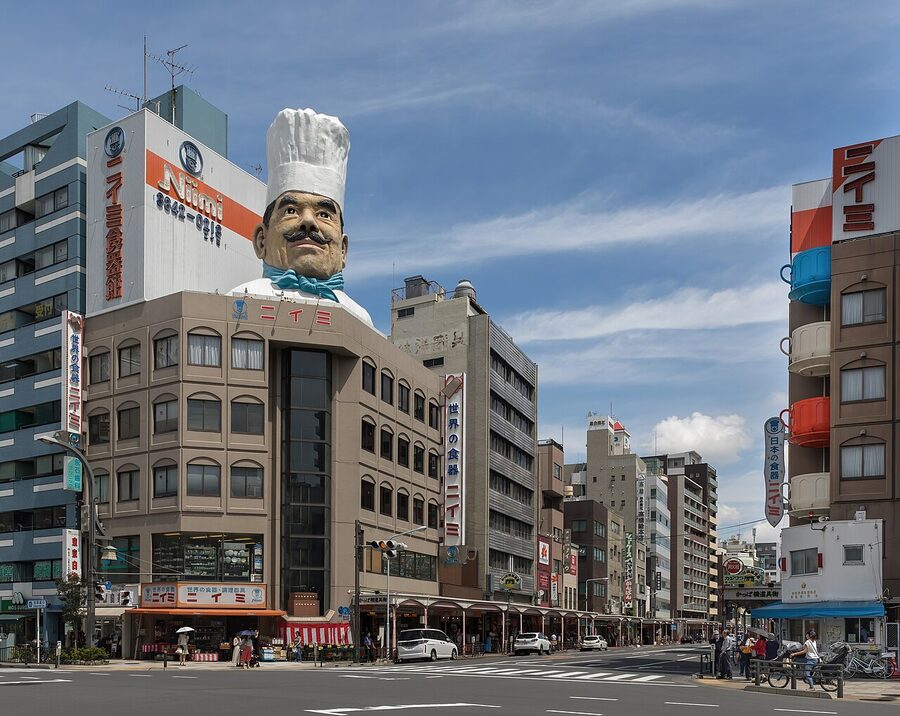
19. Shop Kappabashi (for real knives)
Between Asakusa and Ueno runs Kappabashi Dougu Street (we covered it in our Ueno guide too — it sits between the two districts). This is Tokyo’s restaurant-supply street: professional kitchen knives, crockery, plastic food samples, chef whites. If you’re into cooking at home, a Japanese chef knife (¥8,000-20,000 for something genuinely good) is the single best souvenir in Tokyo.
Access: 10-minute walk north-west from Asakusa, ending at Tawaramachi Station. Most shops 10am-5:30pm, closed Sundays.
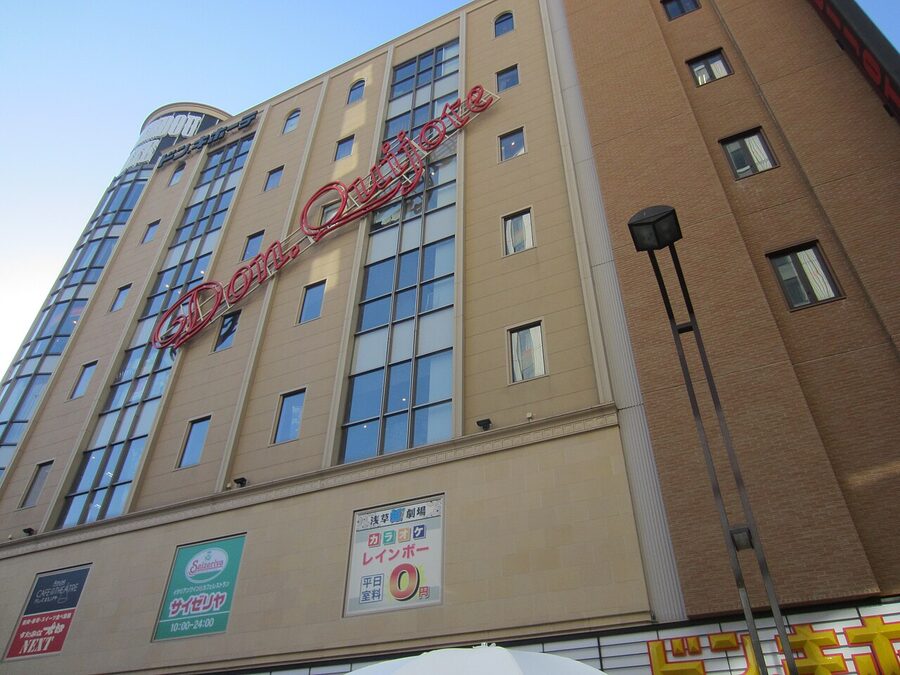
20. Raid Don Quijote Asakusa
The Asakusa branch of Don Quijote (Donki) is smaller than the Shinjuku flagship but more manageable — three floors with the full range of Japanese discount shopping: cosmetics, snacks, souvenir-tier goods, matcha KitKats, and an increasingly big tourist-souvenir section. Good stop for last-minute gifts or emergency laundry detergent.
Hours: 24/7. Tax-free counter with passport.
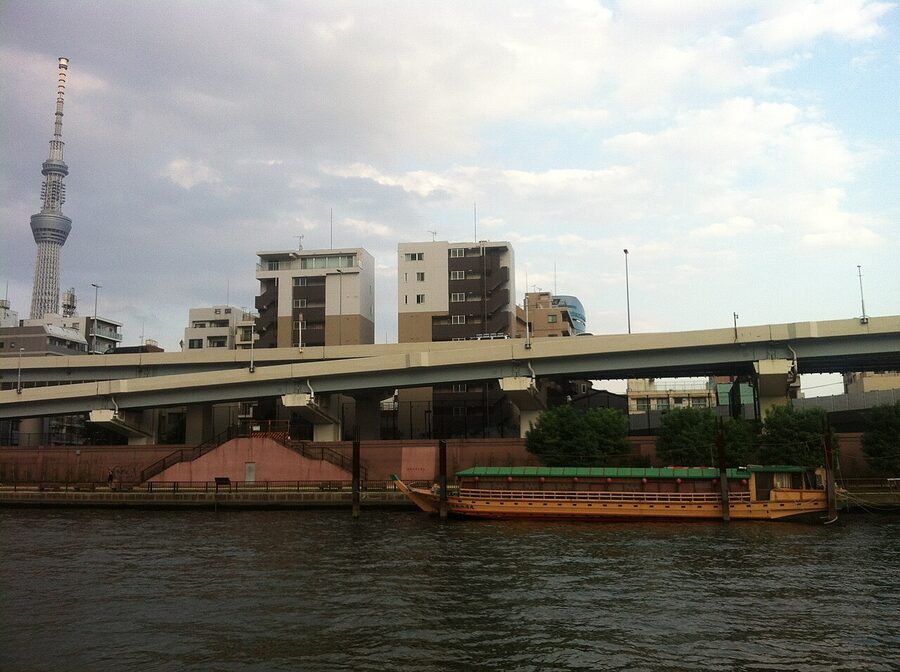
21. Yakatabune dinner cruise
A yakatabune (屋形船) is a traditional Japanese pleasure boat — low wooden hull, sliding shoji screens, tatami seating, evening dinner cruise — that’s been on the Sumida for 400+ years. Several operators run 2-hour dinner cruises from Asakusa for ¥10,000-15,000/person including tempura kaiseki meal, unlimited drinks, karaoke, and views of Tokyo from the river at night.
It is touristy. It is also wonderful. Book ahead (especially summer — fireworks cruises fill up months in advance). English-speaking operators exist; Mikawaya is one of the biggest and easiest to book.
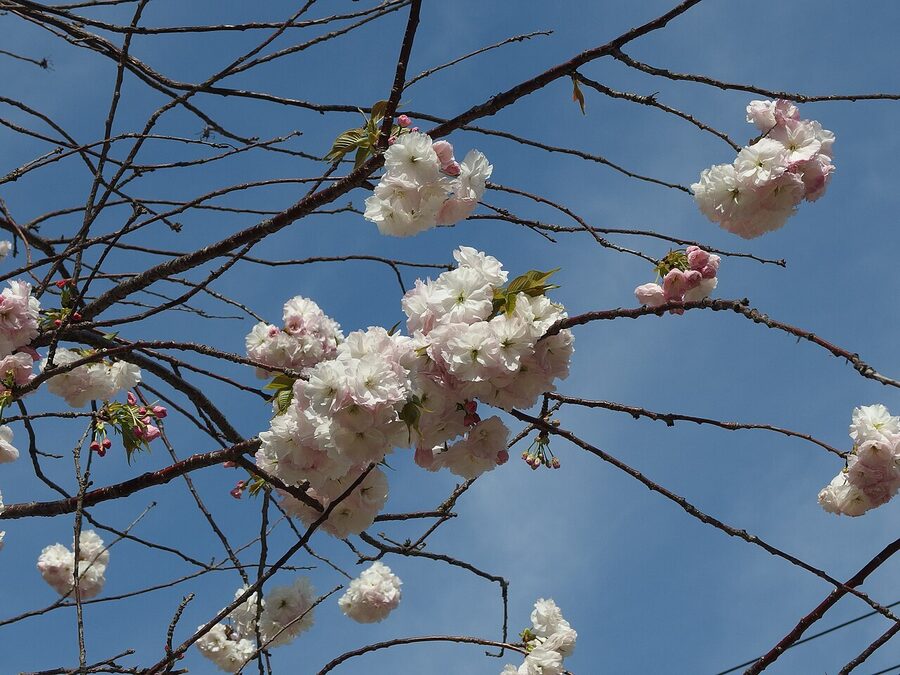
22. Catch cherry blossoms in Asakusa
Asakusa’s cherry blossoms (late March-early April) are concentrated along the Sumida — Sumida Park on both sides of the river gives you roughly 2km of sakura walks, with the Skytree as backdrop. It’s one of Tokyo’s five best cherry blossom spots and less chaotic than Ueno. Boats running the Sumida during peak bloom sometimes do special viewings.
23. See Sanja Matsuri (if you’re lucky with timing)
We mentioned Sanja in item 6 — it deserves its own line. The Sanja Matsuri (三社祭) runs the third weekend of May every year. It’s Asakusa’s biggest festival, with over a million attendees over three days. 100+ portable shrines (mikoshi) are paraded through the streets by traditional Japanese garment-wearing bearers — and a smaller number of them by (famously) local yakuza groups who strip to the waist to display elaborate full-body tattoos. It’s the one weekend a year tattoo-friendliness is openly celebrated in central Tokyo.
If you’re in Tokyo that weekend, your itinerary gets reordered. It’s that good.
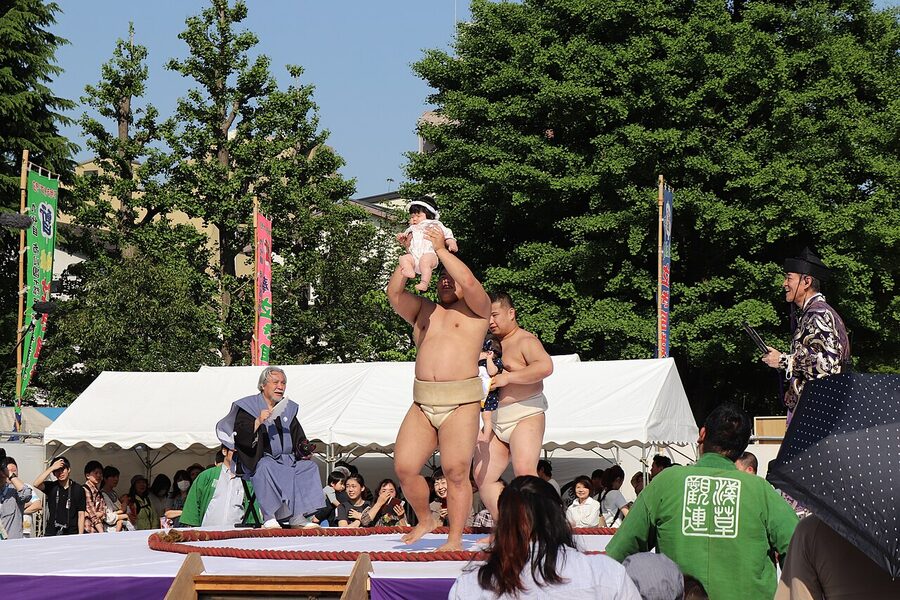
24. Spot the Naki Sumo (Crying Baby Festival)
In late April every year, Senso-ji hosts Naki Sumo (泣き相撲) — an 400-year-old tradition where sumo wrestlers hold babies facing each other and try to make them cry. The belief is that the baby who cries first and loudest will have the best health and longevity. It’s exactly as bizarre and delightful as it sounds. Free to attend. Wear layers; babies cry all day.
25. Take the ground-level Asakusa walking tour
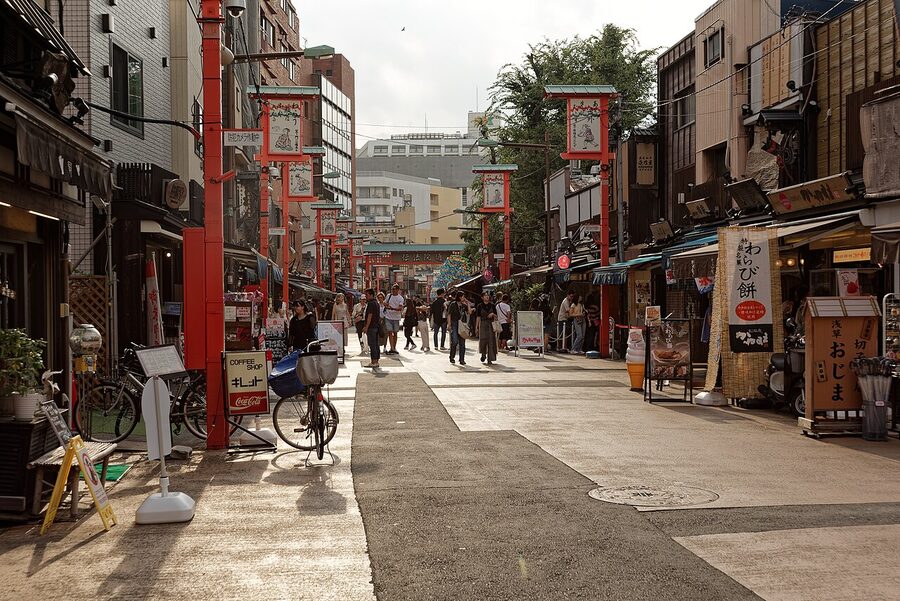
Asakusa’s side streets west and south of Senso-ji are the Shitamachi (old-town) heartland that most tourists skip. Narrow one-way streets, 1930s wooden buildings, tiny family-run shops, coffee houses from the Showa era, old sweet shops, a real-life noodle workshop or two. Walk west from Nakamise for 10 minutes and you’re out of the tourist crush.
Our favourite stretch: the Tsuginaka-dori area, 5-10 minutes south-west of Senso-ji. Nearly zero tourists, lots of old storefronts, proper kissaten (old-school Japanese coffee shops) that serve ¥500 pour-overs and egg sandwiches.
26. Photograph Asakusa from Azuma-bashi at blue hour
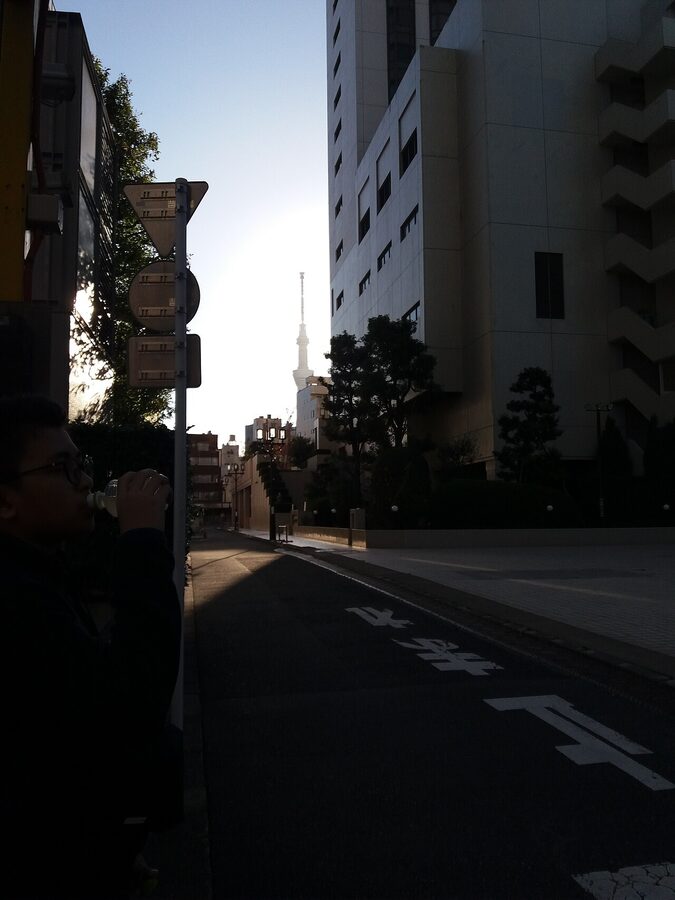
We’ve mentioned Azuma Bridge and the Asahi Flame separately. The blue hour shot from Azuma-bashi — about 25-30 minutes after sunset — is the single Asakusa photograph you should absolutely take. The red bridge, the Skytree lit up, the Asahi Flame glowing, the sky in perfect blue-to-purple gradient. We’ve seen it a dozen times and we still stop.
Best month for crisp air and clear skies: November through February. Summer is hazier.
27. End the day at a shitamachi kissaten
The kissaten (喫茶店) — traditional Japanese coffee shops with their heavy wood interiors, velvet booths, and ¥500 siphon-brewed coffee — are disappearing from central Tokyo but Asakusa’s shitamachi still has a handful of legitimate Showa-era survivors. Ginza Cafe Paulista (technically in Ginza but historically linked), Kayaba Coffee (in Yanaka, adjacent to Asakusa), and Angelus (closed 2019 but the type of place we mean) are the reference points. In Asakusa itself: Café Muléru and Dembo-in Coffee are both the real deal.
Order a blend coffee (¥500-700) and a slice of cheesecake. Sit. Watch someone make a hand-drip coffee that takes 10 minutes. This is how you recover from a big Asakusa day.
Getting to Asakusa
From Narita: Keisei Skyliner to Ueno, switch to Ginza line south to Asakusa. ~75 min, ¥3,000. Or Keisei Access Express direct to Oshiage (Skytree Station), one stop from Asakusa.
From Haneda: Airport Limousine Bus direct to Asakusa or via Hamamatsuchō + Asakusa line direct. ~45-55 min, ¥1,200.
Within Tokyo: Asakusa is the terminus of the Ginza line (Tokyo’s oldest subway, 1927) — ~15 min from Ginza, ~20 min from Shibuya. Also on the Asakusa line and Tobu Skytree line.
Where to stay in Asakusa
Asakusa is a brilliant first-Tokyo base — ~30% cheaper than Shibuya/Shinjuku, genuinely atmospheric, full of cheap-and-cheerful restaurants, and direct to Narita via Keisei. Boutique ryokan options (Ryokan Asakusa Shigetsu, Asakusa Kikuya) are a change from the usual business hotel. Mid-range chains abound. Search Asakusa on Booking.com.
Asakusa FAQ
Is Asakusa worth visiting?
Yes — essential for a first Tokyo trip. Budget minimum 3-4 hours for Senso-ji and Nakamise, a full day if you want to include Sumida Park, Kappabashi, rickshaws, and a Sumida cruise.
How do I avoid the crowds at Senso-ji?
Go at dawn (6-8am) or late evening (8pm onwards). The temple grounds are open 24/7 even when the main hall isn’t. Both windows give you photo-ready emptiness and reasonable temperature in summer.
Is Asakusa a good base for visiting Tokyo?
Very. Cheaper than Shibuya or Shinjuku, easy airport access (Keisei Skyliner to Narita from Ueno is 15 minutes away), and genuine neighbourhood character. The trade-off: it shuts down earlier at night than Shibuya or Shinjuku.
Can I combine Asakusa with Ueno in one day?
Very comfortably. Asakusa and Ueno are 15 minutes apart on foot via Kappabashi, or one metro stop apart on the Ginza line. A common full day: Asakusa morning (temple, cruise, lunch), Kappabashi shopping, Ueno afternoon (park, museum, Ameyoko for dinner).
What’s the best time of year to visit?
Late March-early April (cherry blossoms), mid-May (Sanja Matsuri), late July (Sumidagawa fireworks — yes, Tokyo’s biggest fireworks are right here), November (clearest air, best Skytree visibility). Avoid New Year’s if you want space — the temple gets 3 million visitors in three days.
The short version
Asakusa is 1,400-year-old temple + Nakamise shopping street + river + Skytree + rickshaws + lanterns + a concentrated dose of old-Tokyo aesthetic. It’s touristy but it’s also genuine. Budget half a day minimum. Come back in the evening for the lantern lighting. Come back in April for sakura. Come back in May if you can plan around Sanja.
Next up: Ueno is the quieter museum-heavy counterpart 15 minutes away. Shibuya is the neon counterpart 25 minutes by metro. And our citywide list ties it all together.