
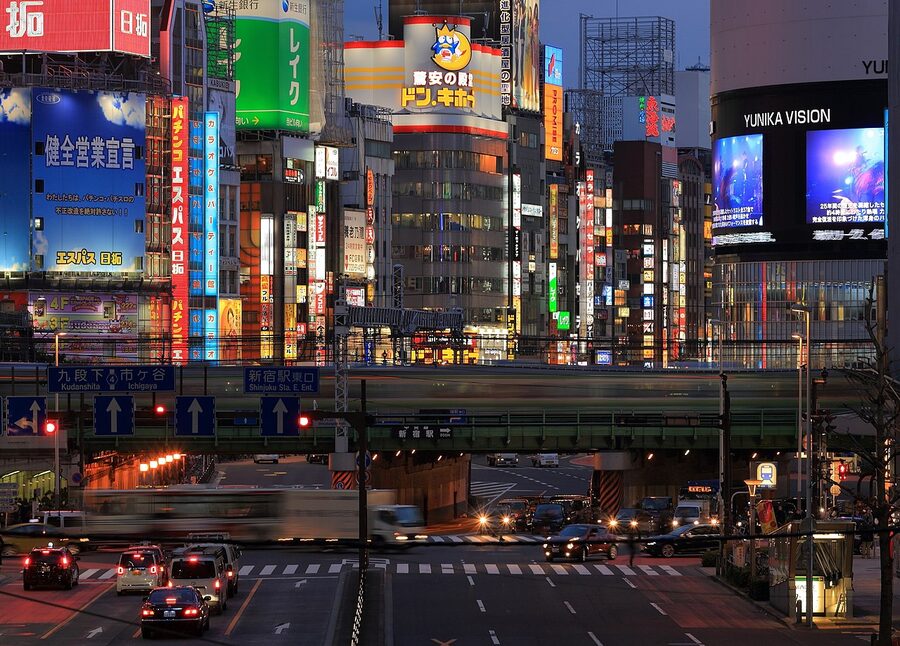
Shinjuku is what Tokyo looks like in your imagination before you visit. It’s the neon-saturated, crowd-heavy, train-station-as-city district that appears in every Tokyo postcard and every Japanese film still. The reality is actually more chaotic than the image — but also more beautiful, with a 140-acre imperial garden on one side, six bar micro-districts, the world’s busiest train station in the middle, and a 3D cat watching over it all.
Below is our run-through of 30 things to do in Shinjuku. Yen prices, station exits, real takes on which bits are worth your evening and which ones are tourist traps. If this is your first trip, pair this with our first-timer’s guide and our citywide things-to-do list. Already covered Shibuya? Shinjuku is four minutes up the Yamanote line.
Shinjuku Station is the largest train station in the world — 3.6 million passengers a day, 200+ exits. We’ll repeat this on every item that needs it, because station exits matter here more than anywhere else in Tokyo. The big four: East Exit (Kabukicho, Golden Gai, the 3D cat), West Exit (Metro Government Building, Omoide Yokocho), South Exit (Shinjuku Gyoen, Lumine), New South (Yoyogi-direction). Get a map screenshot before you enter.
In This Article
- 1. Picnic in Shinjuku Gyoen
- 2. Free views at Tokyo Metropolitan Government Building
- 3. Eat in Omoide Yokocho
- 4. Drink in Golden Gai
- 5. Walk Kabukicho
- 6. Find Godzilla at Hotel Gracery
- 7. Wave at the 3D Cat
- 8. Pay respects at Hanazono Shrine
- 9. Sing karaoke
- 10. Drink at the New York Bar at Park Hyatt
- 11. Visit the Yayoi Kusama Museum
- 12. Get lost in Kinokuniya
- 13. Shop Isetan Shinjuku
- 14. Climb Tokyu Kabukicho Tower
- 15. See Mode Gakuen Cocoon Tower
- 16. Shop Lumine and Lumine EST
- 17. Look up at Shinjuku’s neon
- 18. Watch the Shinjuku skyline
- 19. Take the Shinjuku Station challenge
- 20. Soak at Thermae-Yu
- 21. Cross Godzilla Road
- 22. Shop Don Quijote Shinjuku East
- 23. Wander Shin-Okubo (Koreatown)
- 24. Catch the 3D cat at night
- 25. Find Shinjuku Gyoen in autumn
- 26. See cherry blossoms at Shinjuku Gyoen
- 27. Stop at Alta or the East Exit Plaza
- 28. Eat Tsukemen (and an izakaya crawl)
- 29. Find the Samurai Experience
- 30. Close the night at a Golden Gai jazz bar
- Getting to Shinjuku
- Where to stay in Shinjuku
- Shinjuku FAQ
- Is Shinjuku worth visiting?
- Is Kabukicho safe at night?
- How many hours do you need in Shinjuku?
- Can I do Shinjuku and Shibuya in one day?
- What time does Shinjuku shut down?
- The short version
1. Picnic in Shinjuku Gyoen
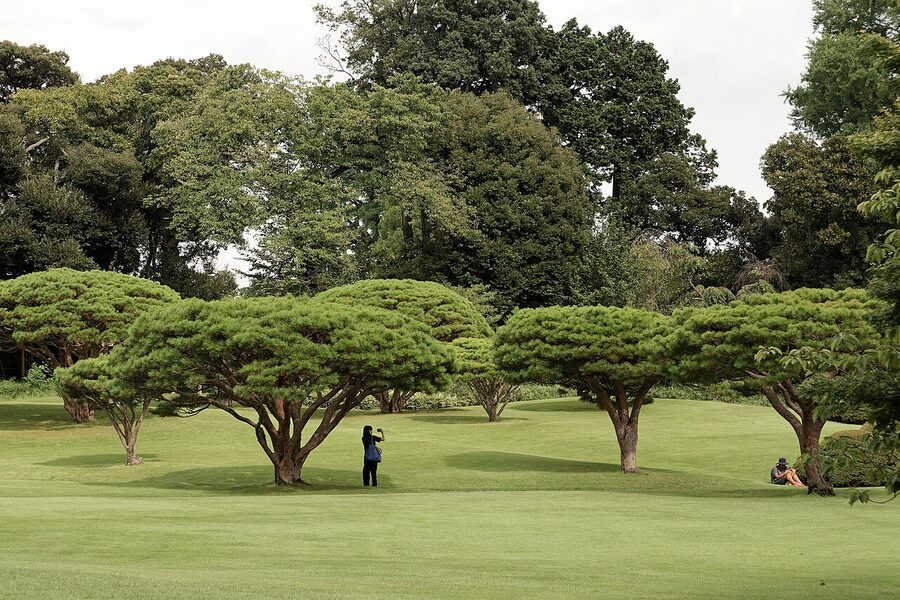
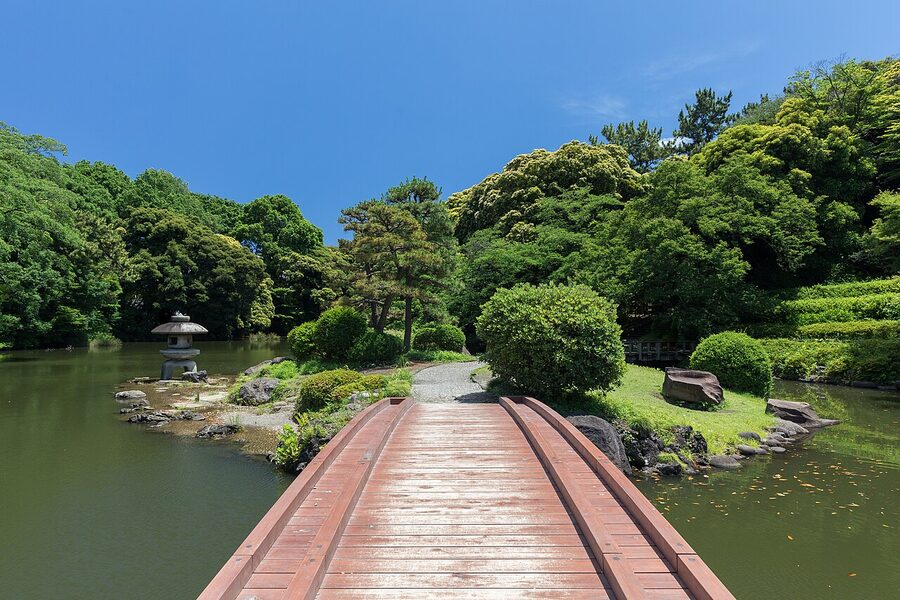
Shinjuku Gyoen (新宿御苑) is a 144-acre garden that started as a feudal lord’s estate, became imperial property, and was opened to the public in 1949. It’s Tokyo’s best formal garden — three styles in one (Japanese, French formal, English landscape), ringed by the Shinjuku skyline, sublime in every season. Cherry blossoms in late March/early April. Wisteria in May. Lotus in August. Maple leaves in November. Cheap at ¥500 and worth five times that.
Entry: ¥500 adults, ¥250 children. Hours: 9am–6pm (summer extension to 7pm; winter to 4pm), closed Mondays. Alcohol and smoking prohibited inside — bring food and non-alcoholic drinks. Official site.
Best entry: the Sendagaya Gate (nearest to the Japanese garden) if you’re coming from Yoyogi; Shinjuku Gate for Shinjuku Station access; Okido Gate for quick entry when Shinjuku Gate is queued.
2. Free views at Tokyo Metropolitan Government Building
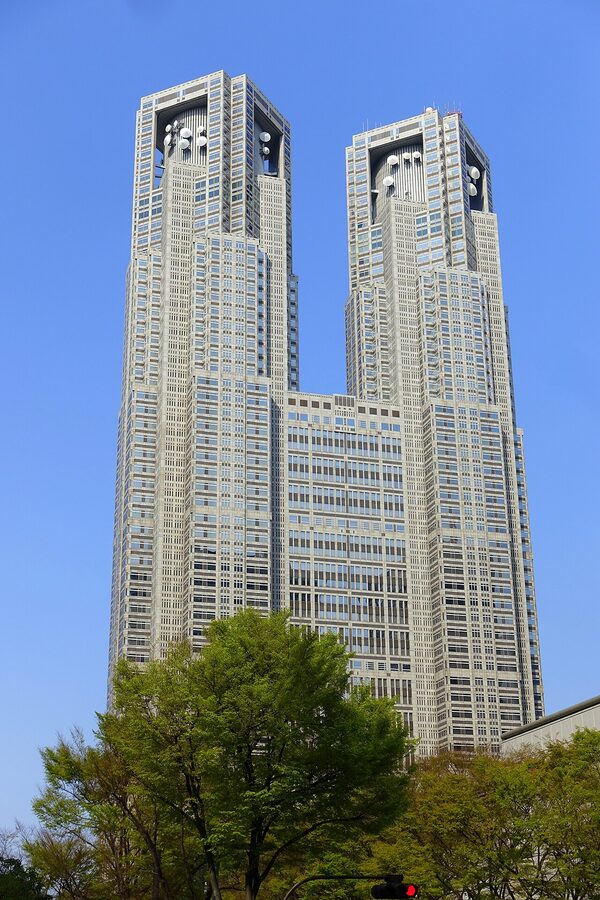
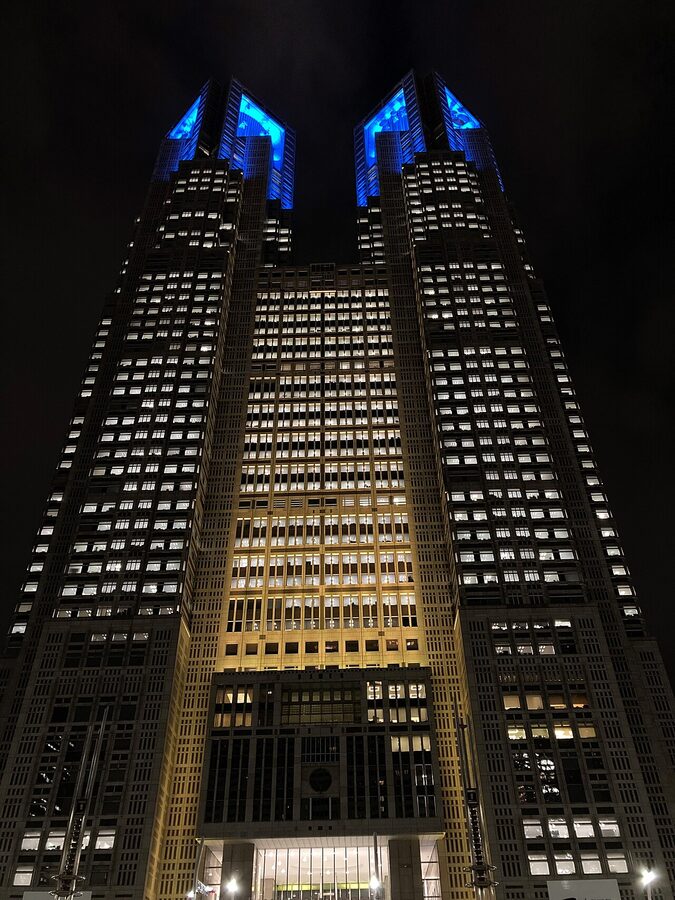
The Tokyo Metropolitan Government Building (都庁) has two observation decks on the 45th floor, 202 metres up — and they’re free. It’s the best-value Tokyo city view by a margin. On clear days you can see Mt Fuji. The views aren’t quite as dramatic as Shibuya Sky’s, but you pay ¥0 instead of ¥2,500, which settles many debates.
North Observatory: open 9:30am–10pm. South Observatory: open 9:30am–5pm (Japan’s Metropolitan Government Hospital Watch Tower feature closes earlier). Both observatories alternate closures; check before you go. Access: 10-minute walk from Shinjuku Station West Exit, or direct from Tochomae Station (Oedo Line).
Pro tip: go at sunset and stay into early evening to watch the lights come on. The waits are usually 10-15 minutes on weekends, zero on weekdays.
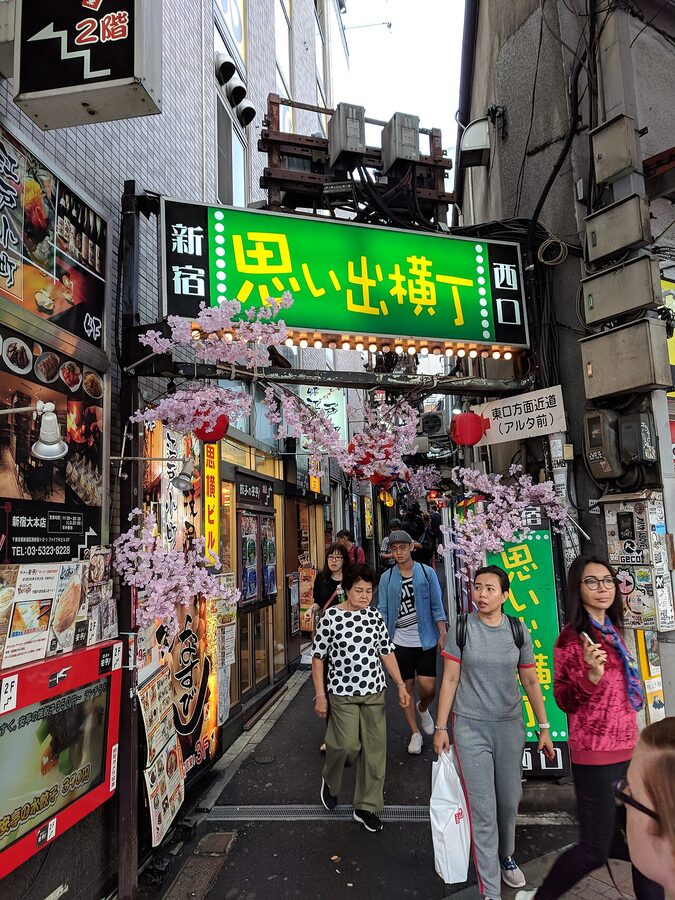
3. Eat in Omoide Yokocho
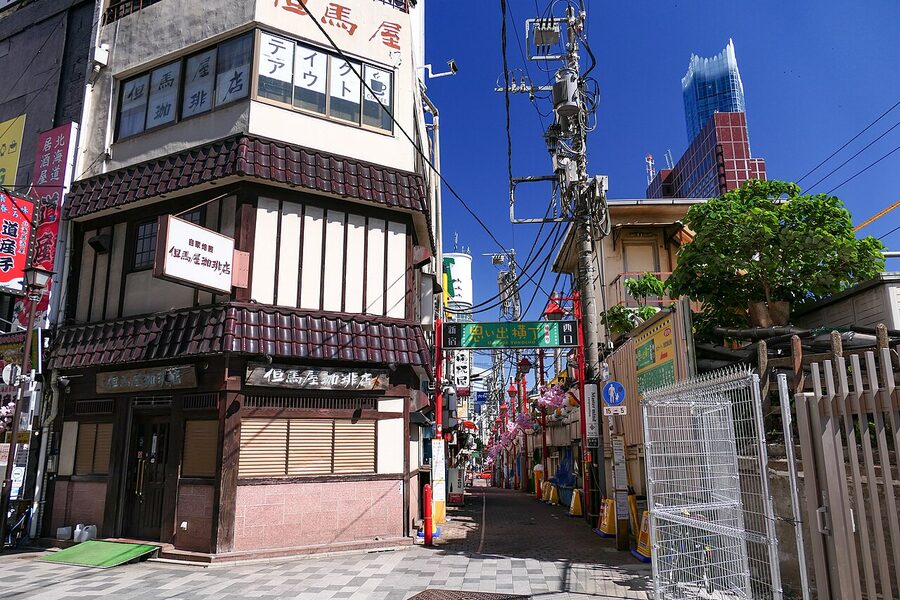
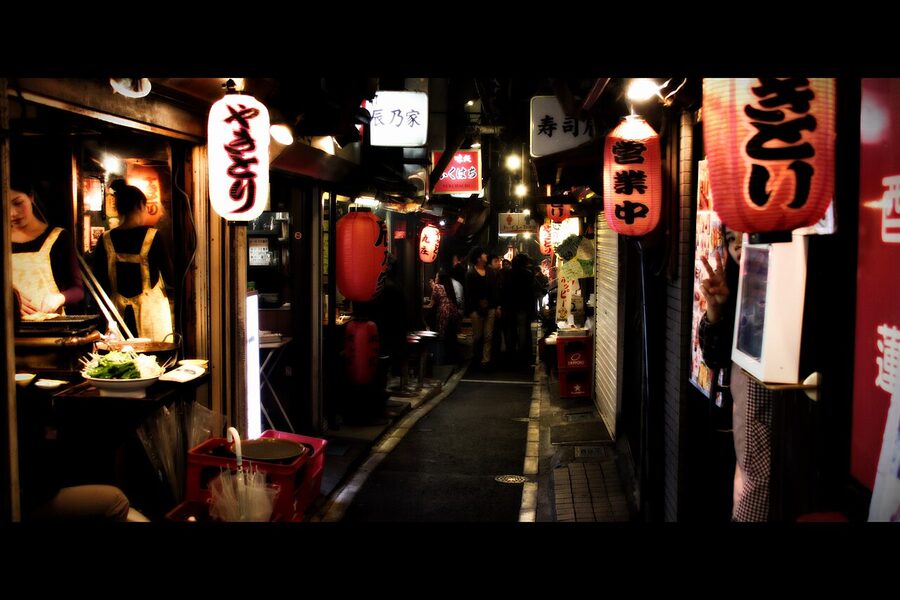
Omoide Yokocho (思い出横丁) — literally "memory lane" but also known as Shōben Yokochō (Piss Alley, a nickname from the postwar era) — is a two-block cluster of 60+ tiny yakitori, ramen, and standing-bar joints just north of Shinjuku Station’s West Exit. The alley was built illegally in the 1940s black-market era and somehow survived decades of redevelopment plans. It’s smoky, cramped, warm, and about as Tokyo as anywhere gets.
Most shops seat 6-10 people. Yakitori is the specialty — ¥150-300 per skewer, usually ordered in sets of three. Beer and sake dominate. Peak hours (6-9pm) you’ll wait 15-20 minutes to squeeze in; at 5pm or after 10pm you walk straight in.
Our pick: Kabuto (eel specialist, queues out the door), or any place where you can see the chef at the counter and the regulars are laughing. Avoid anywhere with tout boards in English.
4. Drink in Golden Gai
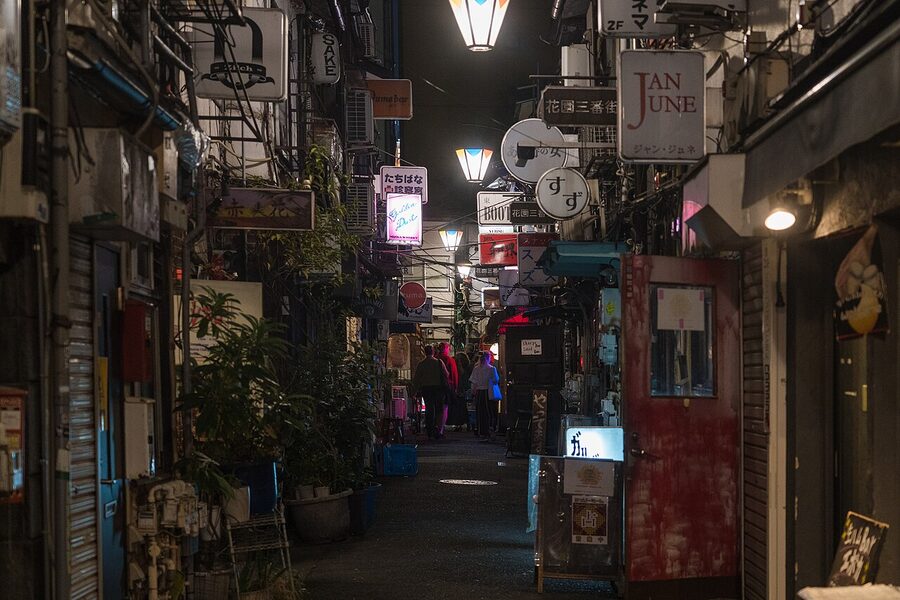
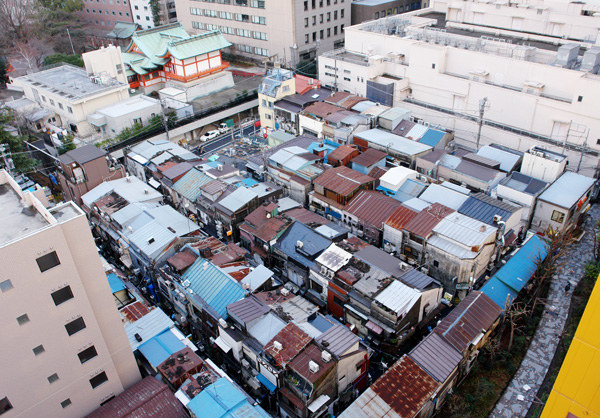
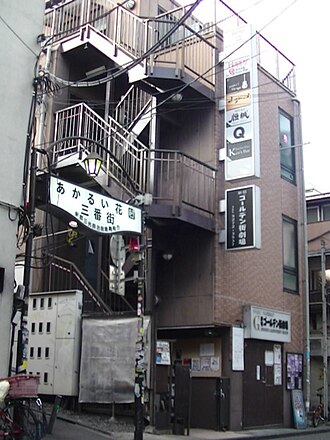
Golden Gai (ゴールデン街) is six narrow alleys in Kabukicho containing over 200 miniature bars, most seating 4-8 people. It’s one of Tokyo’s most atmospheric nightlife districts — a surviving pocket of postwar wooden architecture in the middle of neon Shinjuku. Each bar has its own theme (jazz, punk, horror films, 1960s Japanese literature, whatever) and its own regulars.
The rules: Most bars have a cover charge (¥500-1,500). Most have a no-tourists sign out the front; if a bar says English-friendly, they mean it. Some bars genuinely don’t want foreigners — respect the signs. Cash only at most. Drinks ¥700-1,200. Budget ¥3,000-5,000 per person for a proper Golden Gai evening.
Starters: Champion (karaoke, English-welcoming, cheap), Kenzo’s (jazz), Death Match in Hiroshima (punk theme), Araku (no theme, always friendly). Go before 10pm for easier entry.
5. Walk Kabukicho
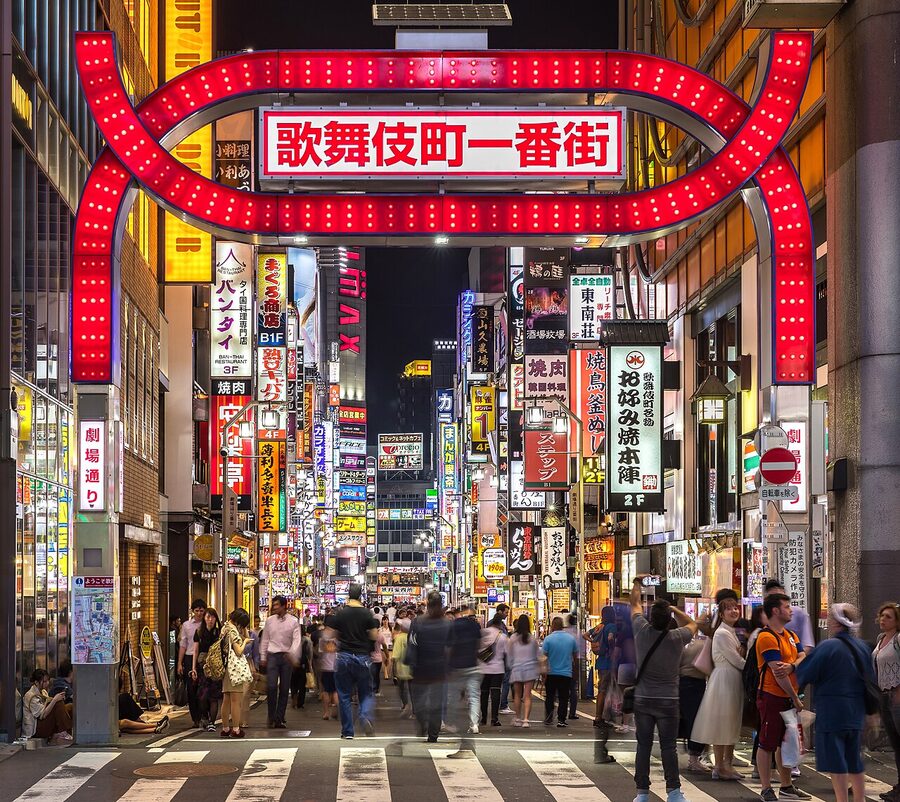
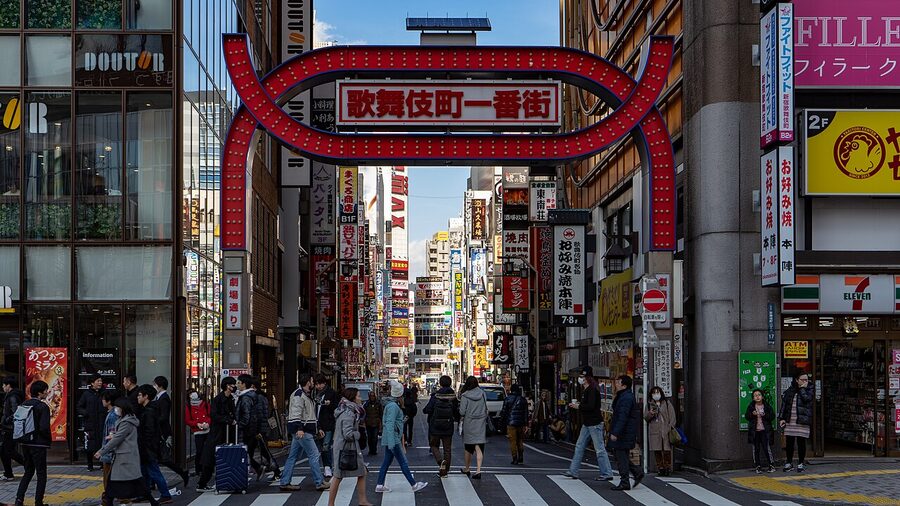
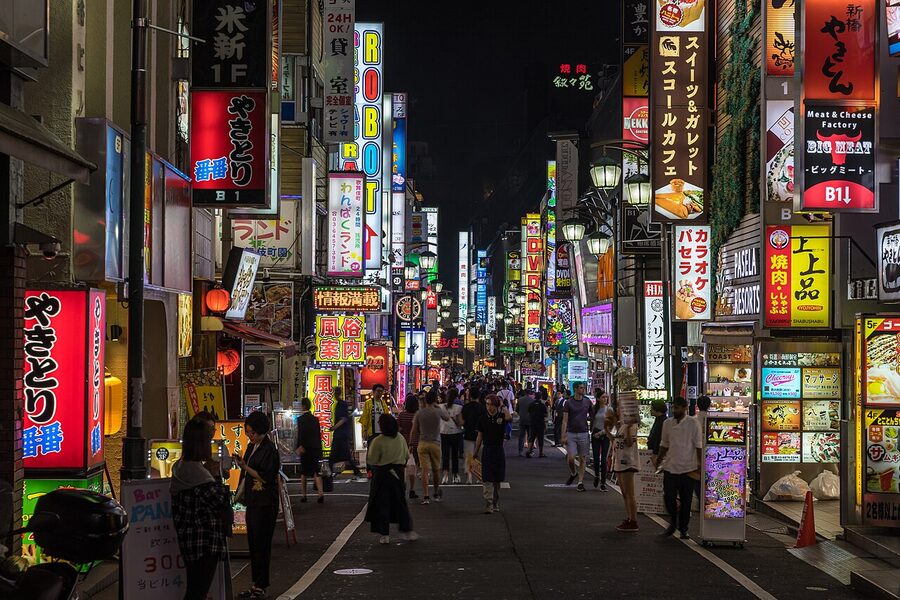
Kabukicho (歌舞伎町) is Shinjuku’s red-light and entertainment district — a roughly 400-metre-square area east of the station. By day it’s unremarkable and slightly seedy. By night it’s Tokyo’s neon sign capital: hostess clubs, izakayas, cinemas, game centres, multi-storey karaoke boxes, and the new Tokyu Kabukicho Tower (item 18). You’ve definitely seen Kabukicho in photos even if you’ve never heard the name.
Is it safe? Yes — main streets are fine. Touts will approach you; ignore them politely. Don’t follow anyone to a "special bar with girls" — those are scams. Don’t enter unmarked elevators. Stick to streets you can see the end of. Police patrols are heavy.
6. Find Godzilla at Hotel Gracery
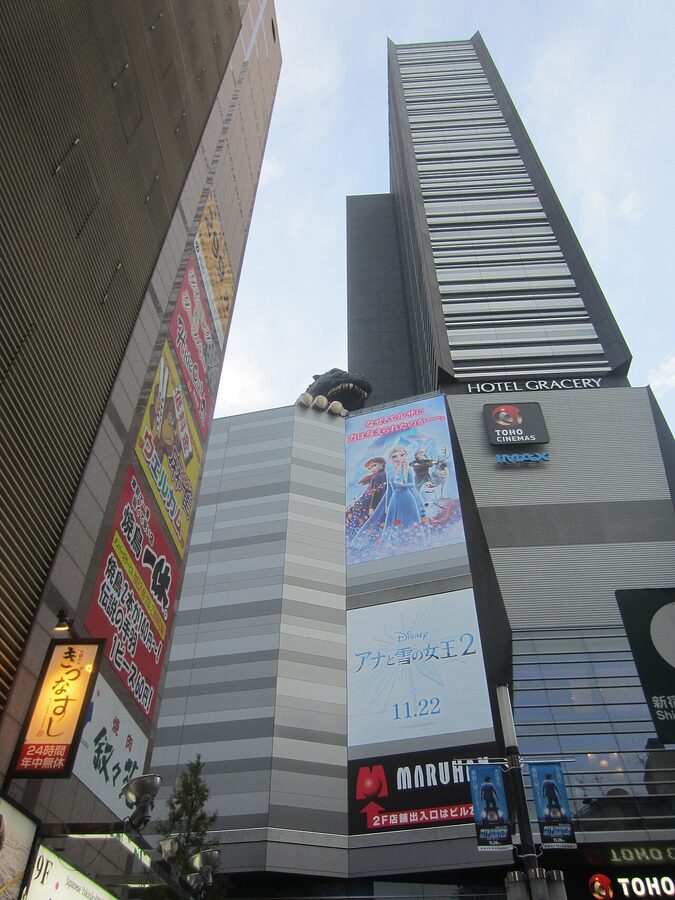
At the corner of Kabukicho, on the roof of Hotel Gracery Shinjuku, sits a 12-metre Godzilla head that roars and lights up every hour on the hour (12pm to 8pm). It was installed in 2015 when the hotel opened on the site of the old Shinjuku Koma Theatre. The street running past it is officially named Godzilla Road.
Free. Visible from street level on the Kabukicho side. Hotel guests can see Godzilla eye-to-eye from Godzilla-themed rooms. The shows are 30 seconds long and delightful if you’re into kaiju. Film nerd bonus: the old Koma Theatre premiered every major Japanese Godzilla film from 1954 onward.
7. Wave at the 3D Cat
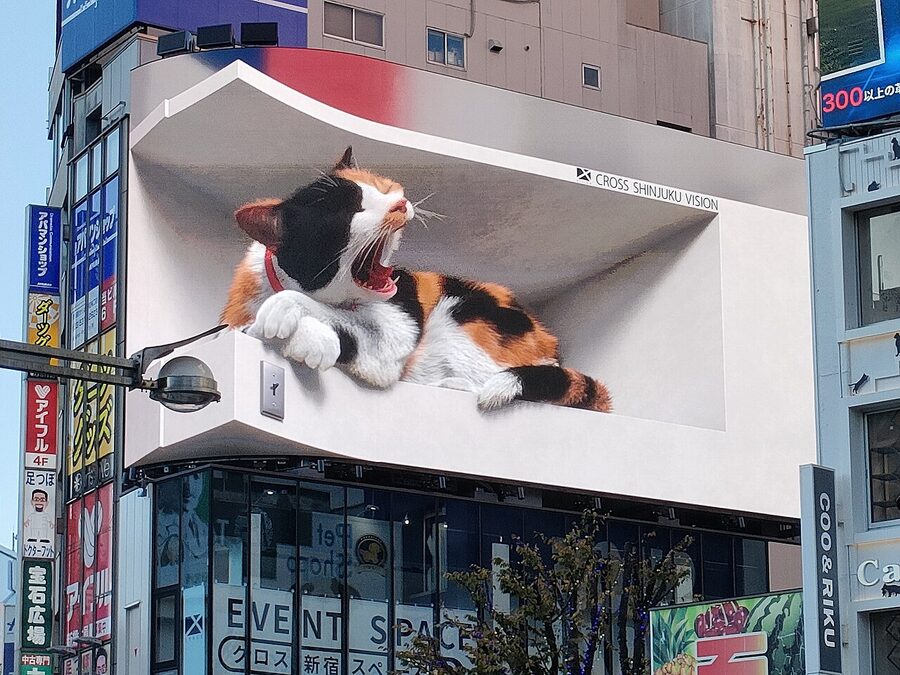
On a curved billboard at Cross Shinjuku Vision, above the East Exit of Shinjuku Station, lives a 12-metre tortoiseshell calico cat that wakes, stretches, and meows on a schedule. It launched in 2021, went viral worldwide, and has become Tokyo’s most-photographed animated animal. The cat performs roughly every 10 minutes during daylight hours.
Free, always-on (during daylight). Best viewing spot: the crossing directly in front of the East Exit, facing north-east. The cat is also visible from inside Yodobashi Camera’s upper floors if you want to watch from indoors. Stay a couple of cycles — different animations rotate through.
8. Pay respects at Hanazono Shrine
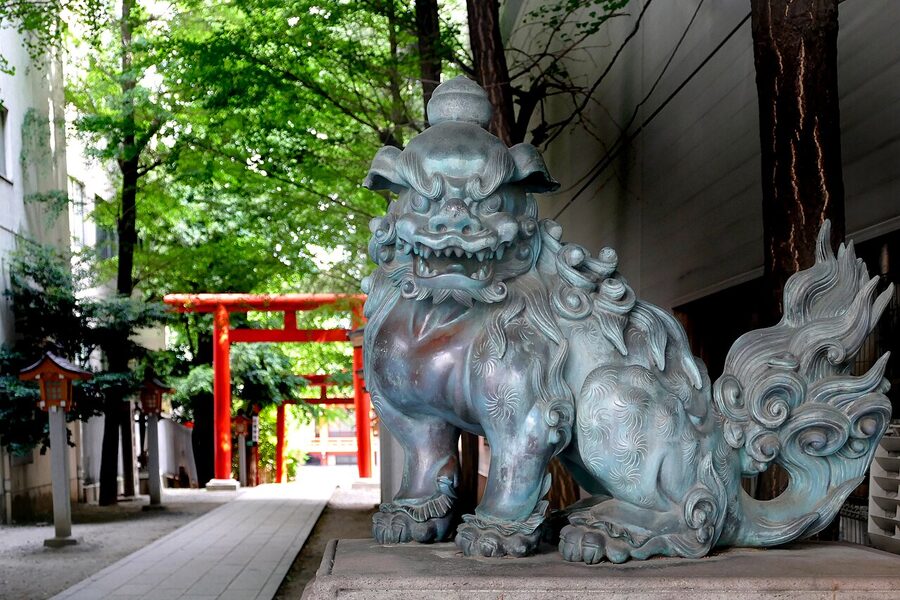
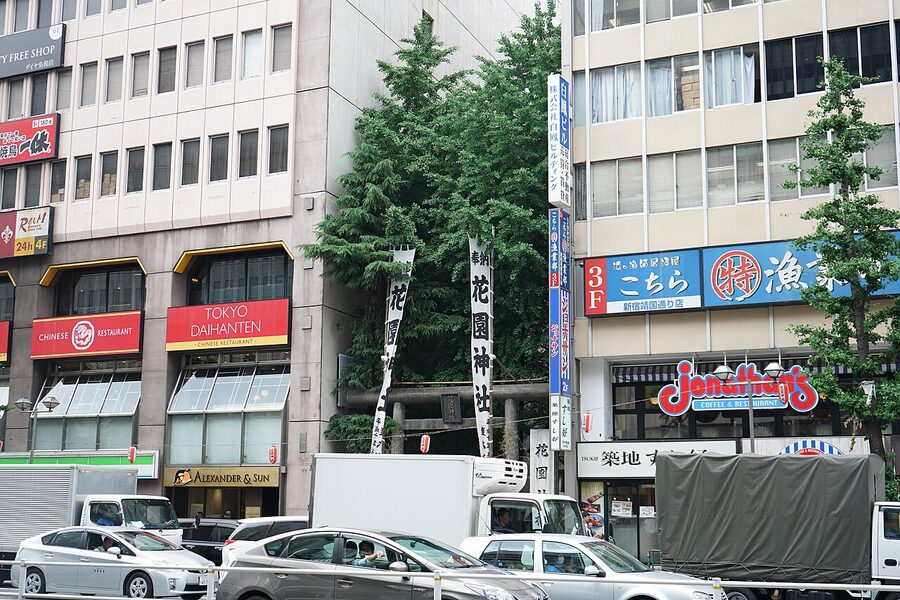
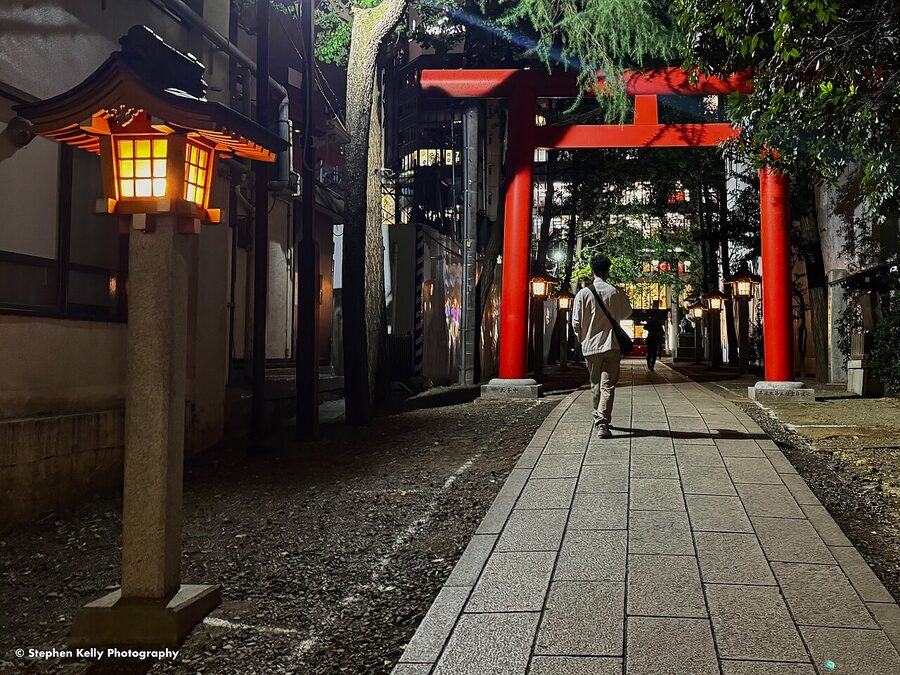
Hanazono Jinja (花園神社), tucked behind Kabukicho, is the local Shinto shrine and one of central Tokyo’s oldest (founded 1600s, rebuilt after WWII). It’s open 24 hours, which makes it a rare quiet spot in Shinjuku at 3am. Locals come to pray for business prosperity — half the entertainment district’s operators make donations here, which is why the shrine is funded nicely despite being surrounded by karaoke boxes.
Free. 24/7 access. Special events worth timing around: the Tori-no-Ichi (Rake festival) in November — stalls sell elaborately decorated bamboo rakes for good luck. Odd and wonderful.
9. Sing karaoke
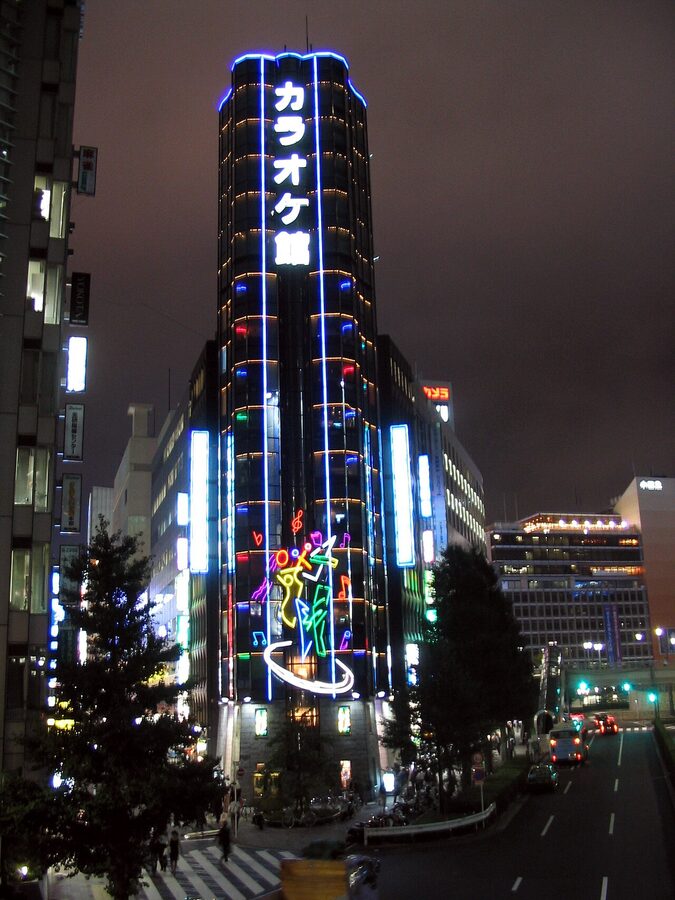
Karaoke is non-negotiable in Shinjuku. The Karaoke Kan and Big Echo chains have several multi-floor branches in Kabukicho and the East Exit area. You rent a private room, not a stage — 2-4 people for ¥1,000-2,000 per hour including drinks. English-language menus are standard. Foreign songs are plentiful. You will be terrible. That’s the point.
Book ahead on weekends. Most chains take walk-ins weekdays but Fridays and Saturdays around 8-11pm are completely full. Nomihōdai (all-you-can-drink) packages are ¥2,500-3,500/hr and genuinely good value if you’re in for the long haul.
Lost in Translation karaoke scene filmed at Karaoke Kan Shibuya, not Shinjuku — but the Kabukicho Karaoke Kan is where the actual scenes would have filmed in 2003.
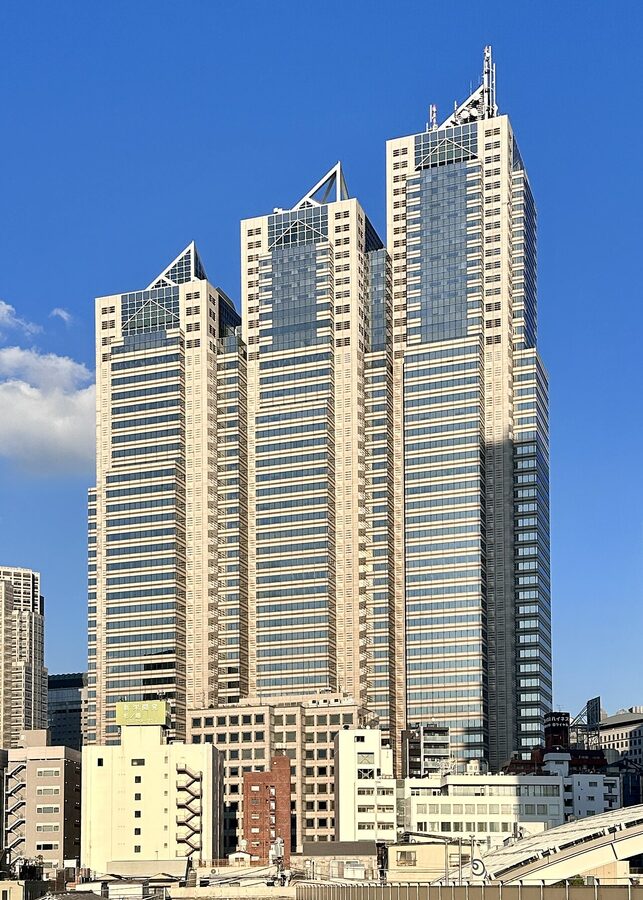
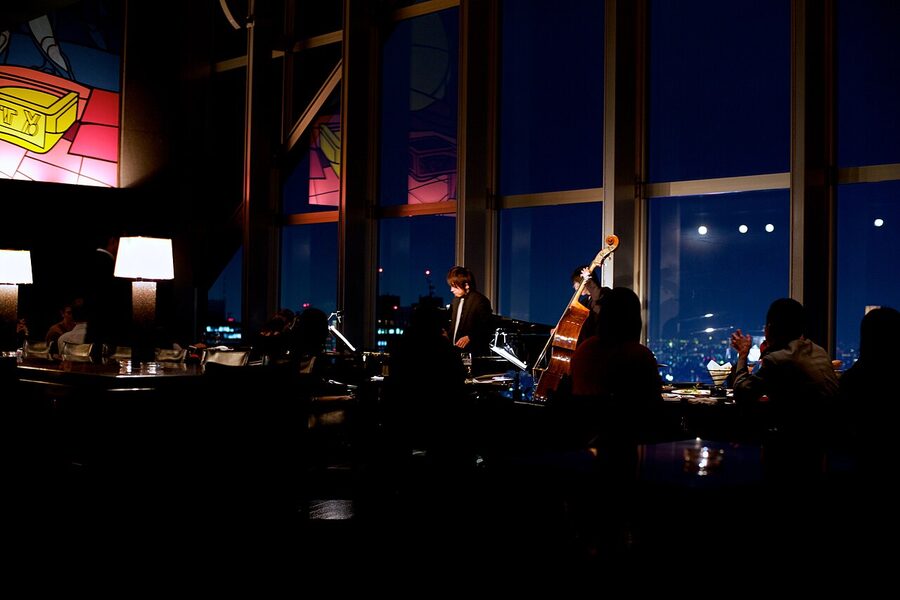
10. Drink at the New York Bar at Park Hyatt
The New York Bar on the 52nd floor of the Park Hyatt Tokyo is the Lost in Translation bar — the one where Bill Murray films the whisky commercial. It’s still open, still has jazz live sets, and still has the view from the film. Drinks are expensive (¥2,000-3,500 per cocktail), there’s a cover charge after 8pm (¥2,750 for the jazz set), and it’s a dress-code place — no shorts or sandals.
Is it worth it? If you loved the film, unquestionably yes. If you’re a Tokyo regular, the view and the jazz justify one visit even if you’ve never heard of the film. Booking ahead is strongly recommended for weekends. Sunset slot is the one you want.
11. Visit the Yayoi Kusama Museum
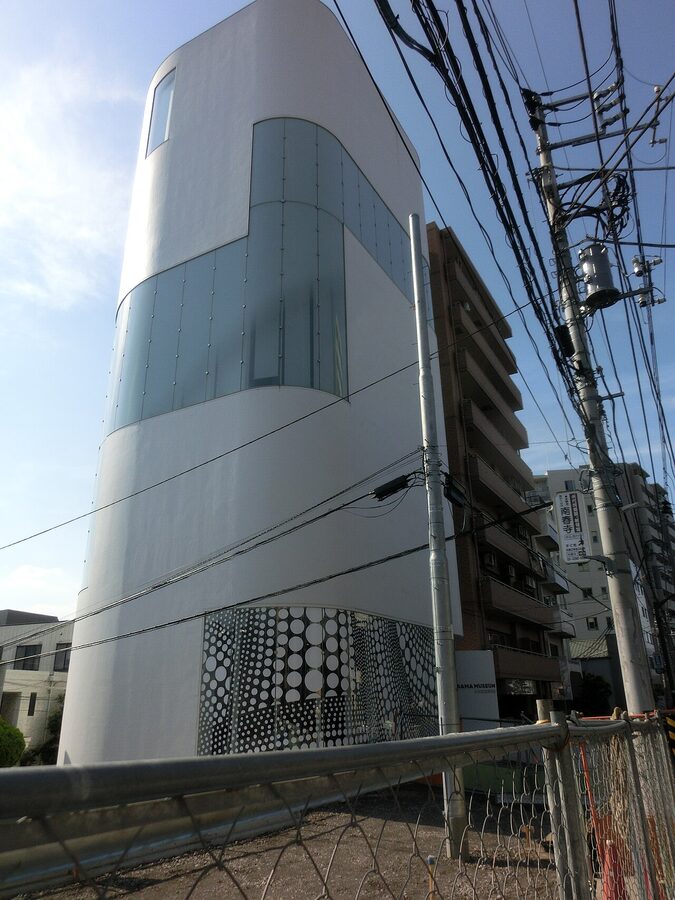
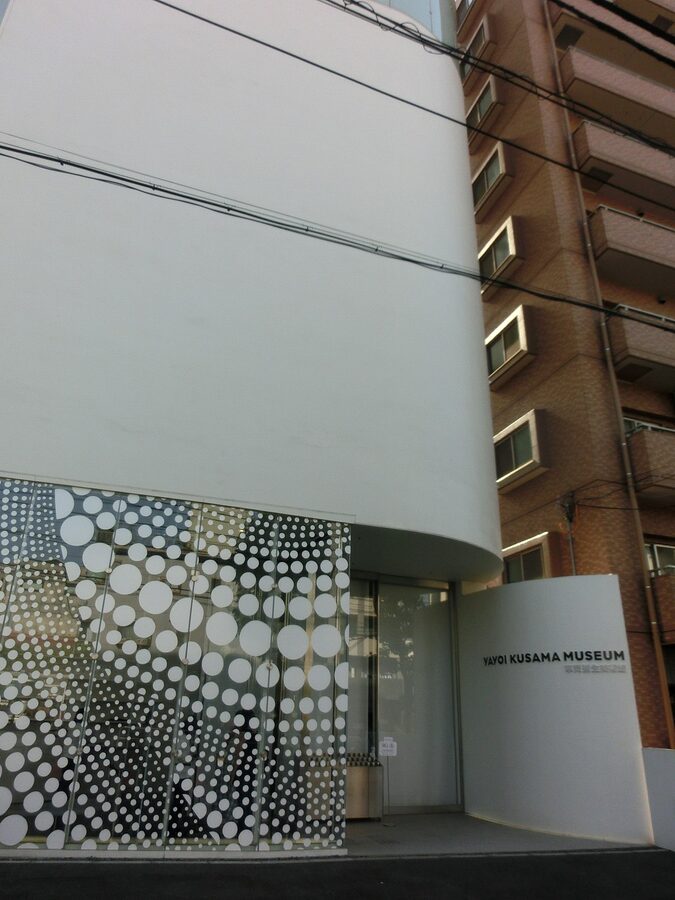
The Yayoi Kusama Museum (草間彌生美術館) is a five-floor permanent space dedicated to the 95-year-old Japanese artist whose polka-dot pumpkins and Infinity Mirror Rooms are some of the most recognisable works of the past 40 years. Each floor has a rotating themed exhibition. The top-floor outdoor sculpture terrace is usually free of museum-fatigue and has one of Kusama’s signature polka-dot installations.
Tickets are timed-entry only, bought online in advance — they sell out a week or two ahead of time. ¥1,100. 90-minute slots. 6 days a week (closed Monday/Tuesday). Official site.
The museum is a 15-minute walk west of Shinjuku Station — technically in the Bentencho neighbourhood, but close enough to include in a Shinjuku day.
12. Get lost in Kinokuniya
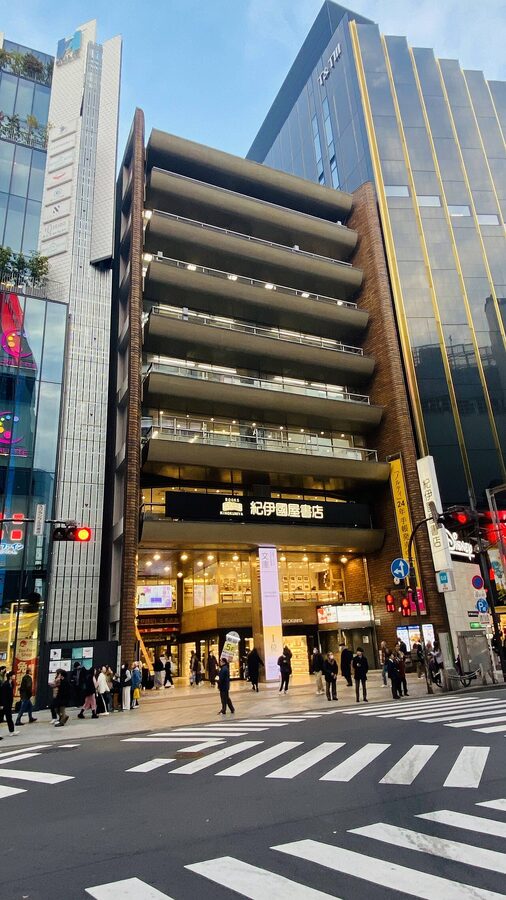
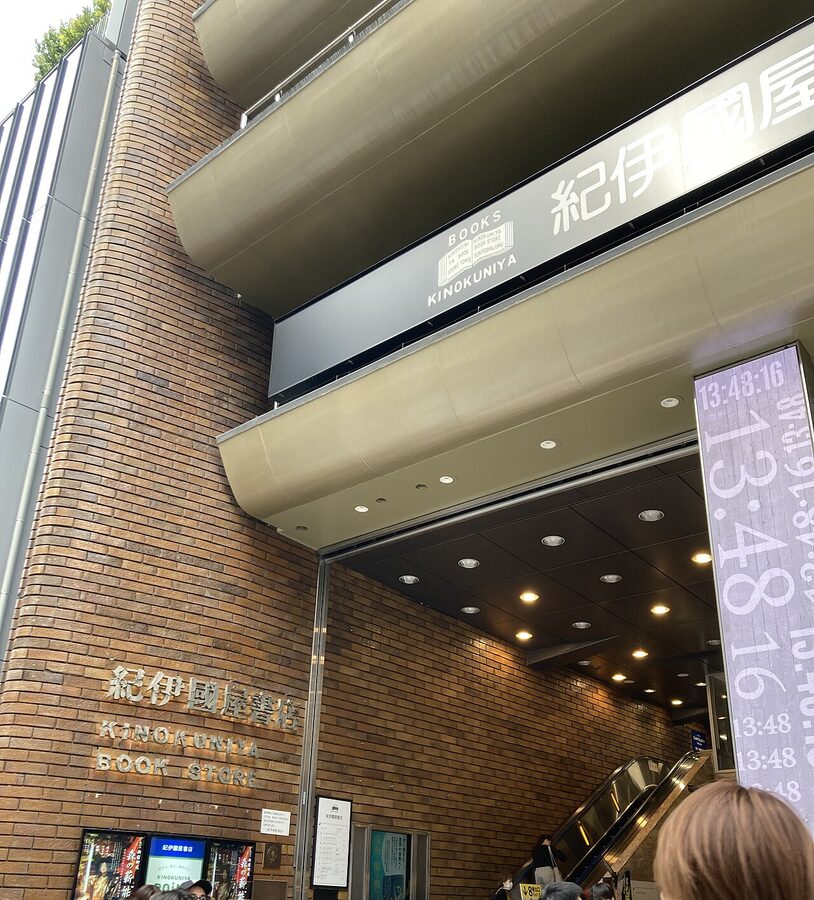
Kinokuniya Shinjuku is one of the world’s great bookstores — eight floors, English-language books on the 6th (a serious international selection), manga and graphic novels on several floors, stationery in the basement, and a cafe for when you need to regroup. Founded 1927. Still family-owned.
Even if you don’t read Japanese, the 6F English section is one of the better English-language bookshops in Asia, and the manga floors give you a window into the Japanese publishing industry that’s unmatched anywhere outside Tokyo. Free to browse. Easy two-hour rainy-day stop.
Hours: 10am–9pm. Main store opposite Shinjuku Station East Exit.
13. Shop Isetan Shinjuku
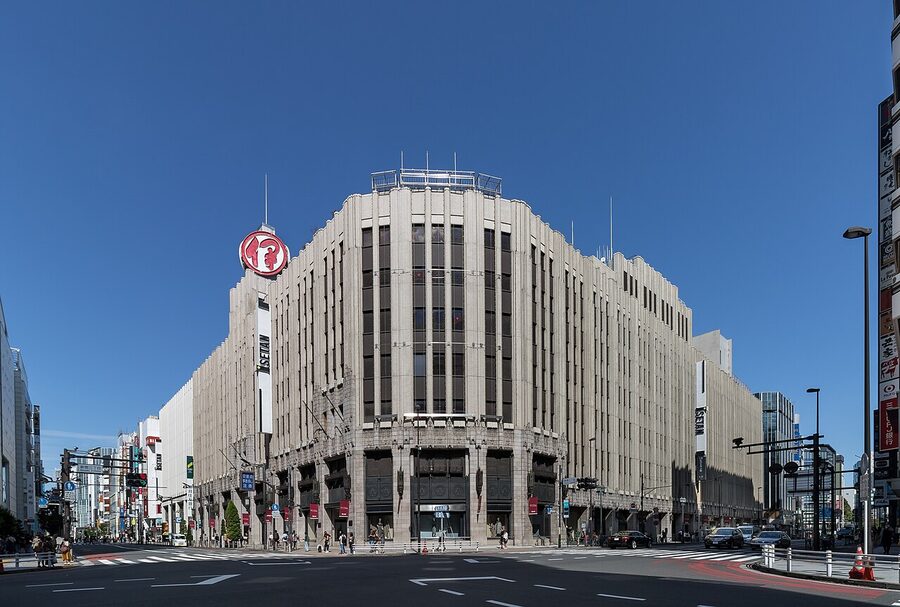
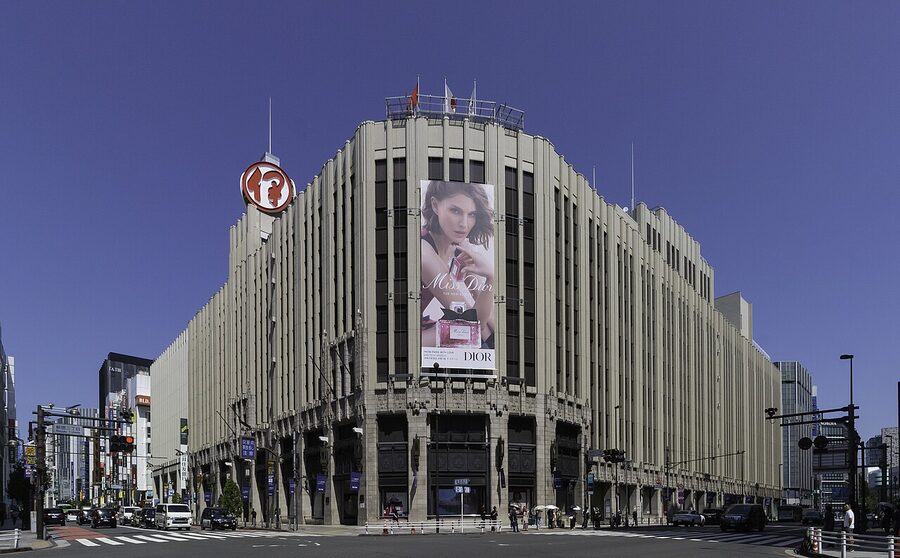
Isetan Shinjuku is Japan’s second-biggest department store and widely considered its most editorially interesting. The basement (depachika) food floor is legendary — every major Japanese confectioner, regional specialties, seasonal pop-ups, sit-down wagashi counters. The women’s fashion floors (2-6) are where Tokyo style writers come to research trends. The men’s building next door is separate and also worth a look.
For visitors: the basement food floor is the move, even if you have no intention of buying clothes. ¥500-2,000 buys you excellent prepared food for the hotel or a park picnic. Tax-free counter on the ground floor of the women’s building.
Hours: 10am–8pm. A 5-minute walk east of Shinjuku Station East Exit.
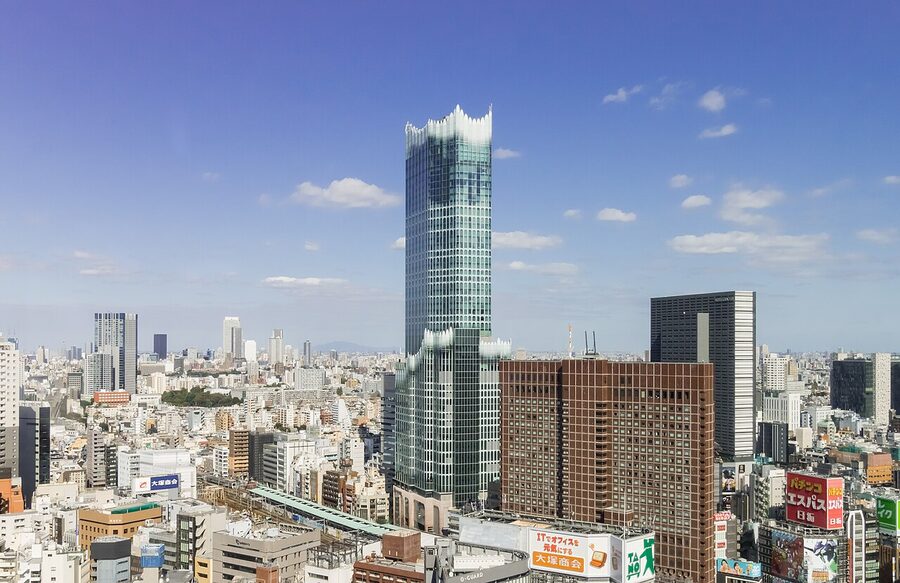
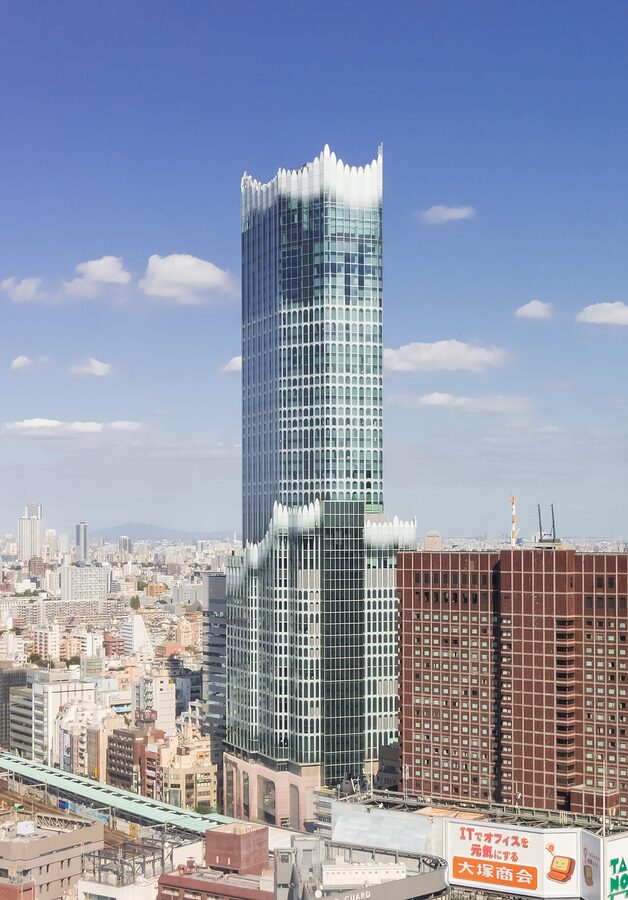
14. Climb Tokyu Kabukicho Tower
Tokyu Kabukicho Tower (歌舞伎町タワー) is the 48-storey skyscraper that opened in 2023 in the centre of Kabukicho — a massive entertainment complex combining a 5-theatre cinema, hotels, restaurants on multiple floors, and a full-floor live-music venue (Zepp Shinjuku). It has reshaped the district visually; you’ll see it from everywhere now.
What to actually do here: the basement B1 Shinjuku Kabuki Hall — Kabuki Yokocho food hall is a themed food-court with ten regional Japanese cuisines under one roof (Hokkaido, Kyushu, Osaka, etc.). Touristy but fun, reasonably priced (¥1,500-3,000/person), and a good rainy-afternoon stop.
The tower’s high floors host the Hotel Groove Shinjuku and Bellustar Tokyo luxury hotel; view-seeking non-guests are limited to the lobby floors.
15. See Mode Gakuen Cocoon Tower
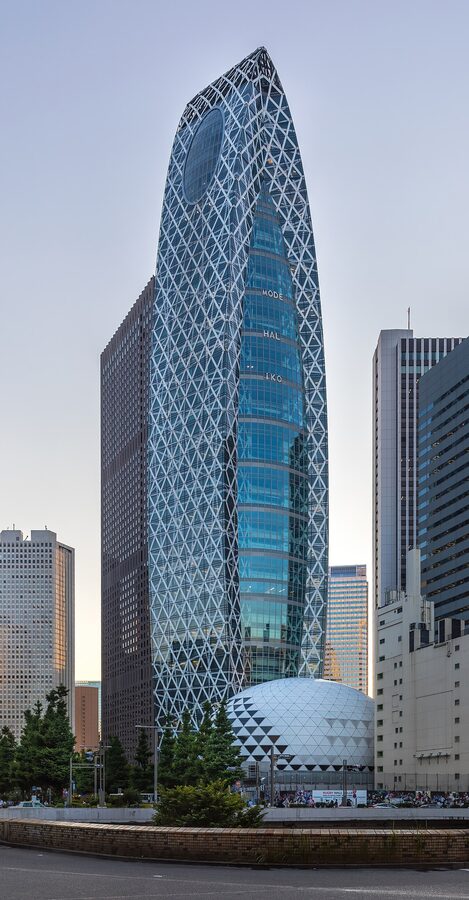
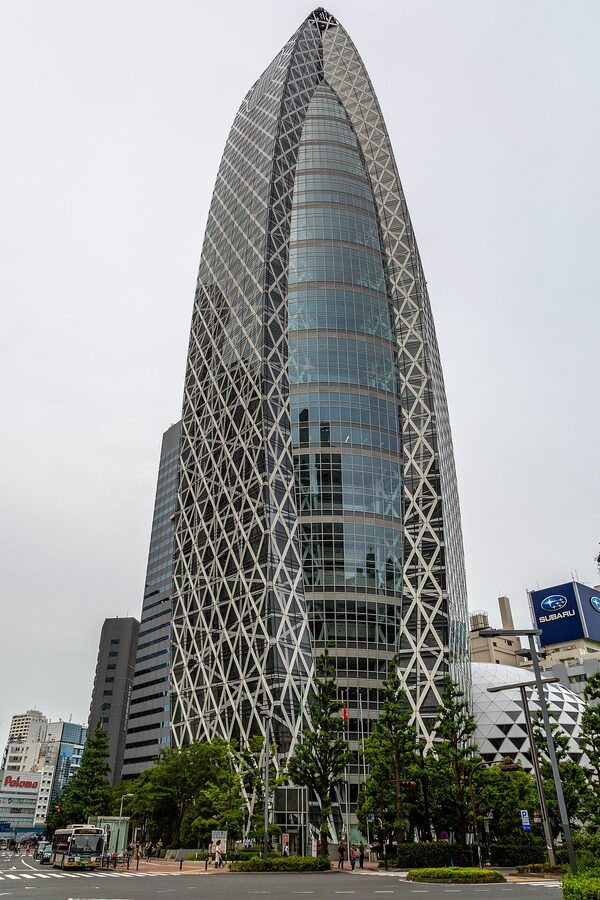
Mode Gakuen Cocoon Tower (モード学園コクーンタワー) is the 50-storey, cocoon-shaped fashion school building just west of Shinjuku Station — completed 2008, designer Paul Noritaka Tange. The diagonal white grid wrapping the building creates the cocoon effect and is a genuine piece of Tokyo architectural ambition. It’s purely an educational building (no public access inside), but the exterior alone is worth a 10-minute detour.
Best viewing angle: from the Tokyo Metropolitan Government Building observation deck, where you see the cocoon head-on. At night the grid lights up in a pattern that’s been called "building as jewellery."
16. Shop Lumine and Lumine EST
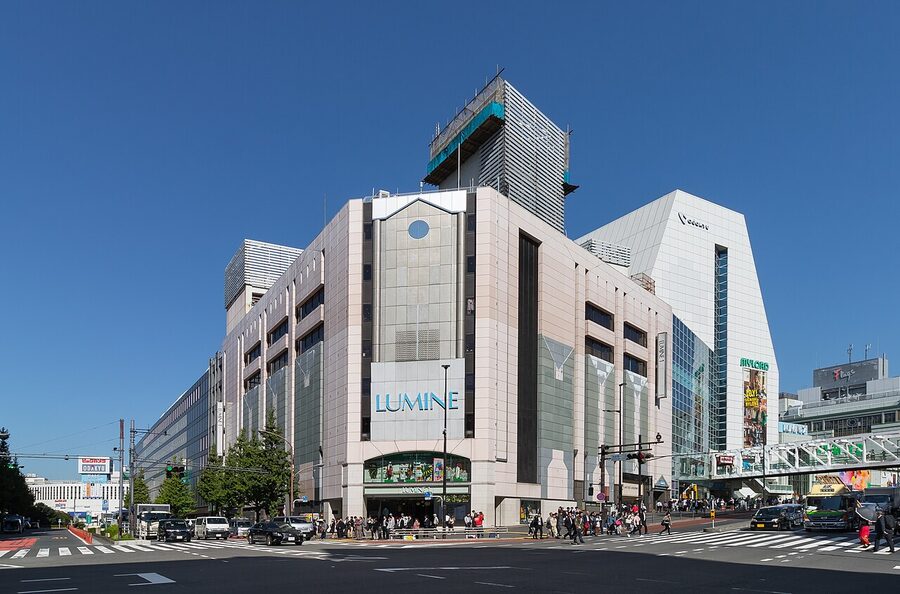
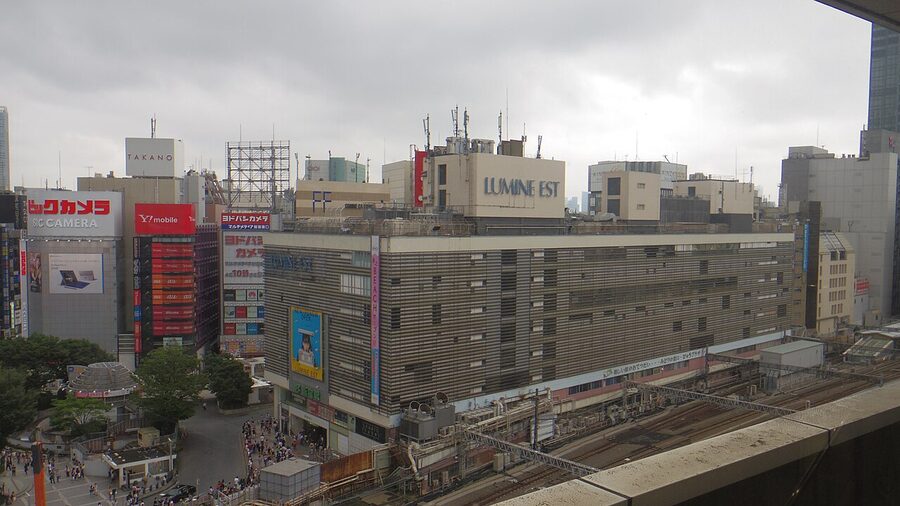
Lumine is the mid-range fashion department store physically attached to Shinjuku Station — Lumine 1, Lumine 2, and Lumine EST (east side). They’re aimed at young working women (20s-30s) and are reliable for Japanese casual brands (Beams, Ships, Urban Research, United Arrows) at real prices, not tourist-markup prices. Restaurants on the top floors of each are solid mid-range Japanese.
If you need one shopping stop that covers daily-life-Tokyo fashion and food, it’s Lumine EST. Basement 1 has a food hall that’s open later than Isetan’s depachika (useful).
Hours: 11am–9pm (shops); 11am–10pm (restaurants).
17. Look up at Shinjuku’s neon
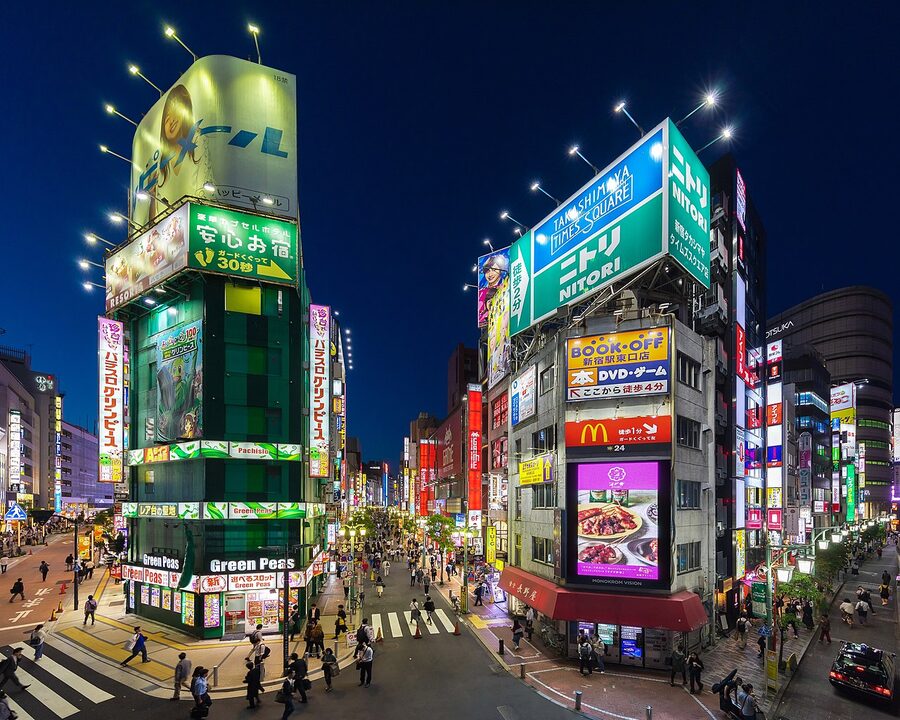
Shinjuku’s neon at night is not contained in any single building or street — it’s the whole district after dark. Most tourists get a phoneful of Kabukicho Ichiban-gai shots and call it done. We’d send you further: walk east to the Yasukuni-dori side streets, north to Shin-Okubo (Korea town), south to the Lumine EST plaza. The whole 800m radius is neon soup.
For photography specifically: shoot on a rainy evening. Wet pavement doubles the neon reflection. A phone is fine; long exposure gives the best shots, but don’t worry too much about gear.
18. Watch the Shinjuku skyline
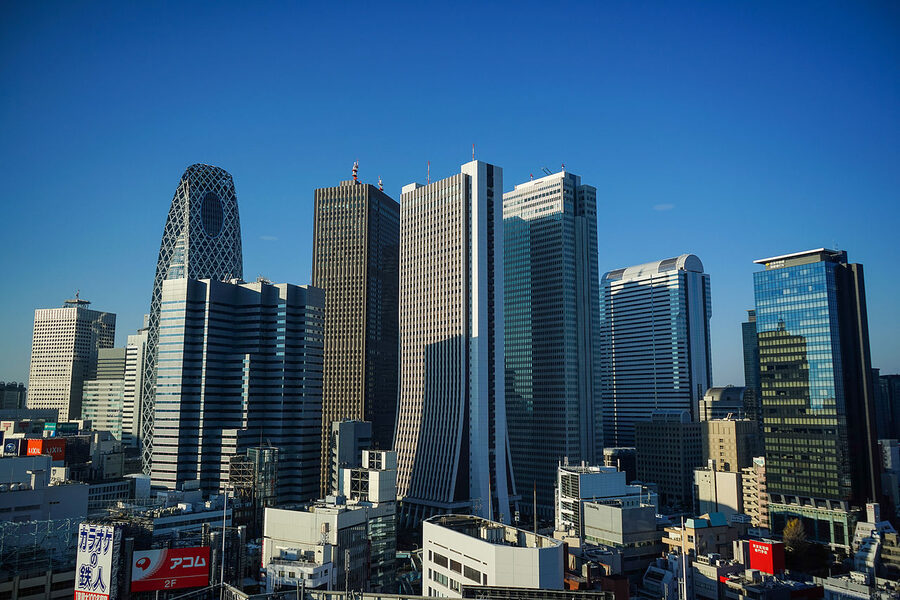
The West Shinjuku skyline — the cluster of 40+ storey skyscrapers around the Metropolitan Government Building — is Tokyo’s densest high-rise concentration outside Marunouchi. It’s also a deliberately planned 1970s-onwards attempt to shift Tokyo’s government away from the old Imperial core toward Shinjuku, which succeeded more on paper than in practice. The view looking north-west from the South Exit is pure late-20th-century Tokyo.
Best skyline shots: from the rooftop of Shinjuku Southern Terrace (a small elevated park south of the station, free access) or from Shinjuku Gyoen’s north edge. Mode Gakuen and the Park Hyatt tower are visually prominent; Tokyo’s Shinjuku sub-centre plan deliberately created an urban amphitheatre.
19. Take the Shinjuku Station challenge
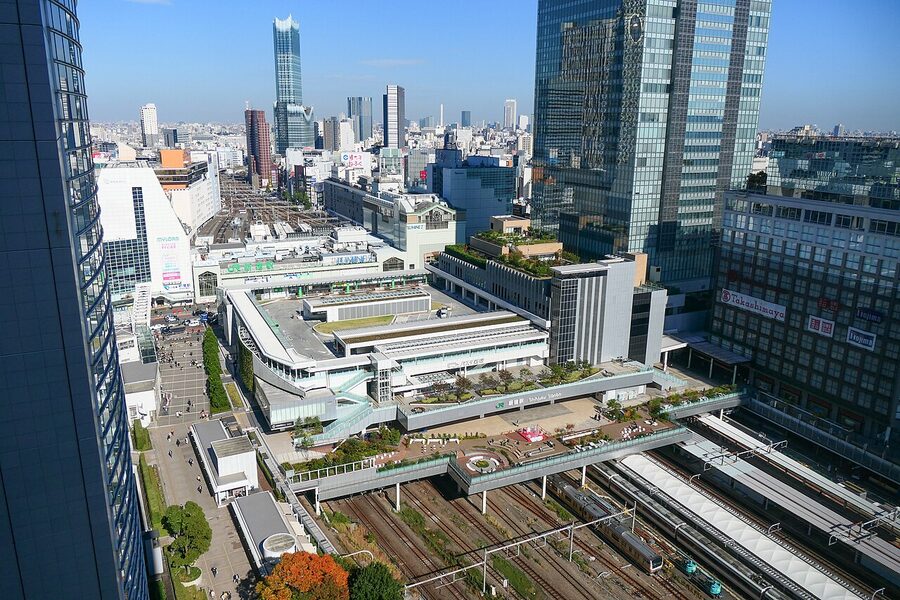
Shinjuku Station is the world’s busiest railway station by passenger volume — 3.6 million people a day, more than London’s entire Tube network. It has 36 platforms across multiple operators (JR, Odakyu, Keio, Tokyo Metro, Toei), 200+ exits, and a layout that still confuses Tokyo natives after 20 years. "Give yourself 10 extra minutes" is not a joke.
Useful exits to memorise: East (Kabukicho, 3D cat), West (Metro Government Building, Omoide Yokocho), South (Lumine, Shinjuku Gyoen, Southern Terrace), New South (Yoyogi). Other exits exist but these are the big four.
20. Soak at Thermae-Yu
Thermae-Yu (テルマー湯) is Kabukicho’s 24-hour urban onsen — real hot-spring water trucked in daily from Nakaizu in Shizuoka prefecture. 10+ baths (indoor, outdoor, carbonated, a sauna, a cold plunge), a resting lounge, massage, and food. It’s fundamentally a weird thing to have in the middle of Tokyo’s red-light district, and it’s completely wonderful.
Entry: ¥2,900 adults daytime (¥3,200 evenings after 8pm). Tattoos: small covered tattoos are allowed; large tattoos are not. Bring swimsuit? No — onsen etiquette is nude. 24-hour means you can soak at 4am after a Golden Gai night. Official site.
21. Cross Godzilla Road
The street between Shinjuku Station East Exit and Kabukicho is officially Godzilla Road (ゴジラロード). It runs under the Godzilla head (item 6), past the Cross Shinjuku Vision 3D cat (item 7), and directly to the Kabukicho Ichiban-gai gate (item 5). It’s the single most concentrated "Tokyo at night" short walk in the city.
For a compressed Shinjuku evening walking tour: exit Shinjuku Station East, cross the plaza, look up at the 3D cat, walk Godzilla Road past the Gracery, enter Kabukicho at the red gate, loop left to Golden Gai, reverse through Hanazono Shrine, end at Omoide Yokocho on the West side. Total: 90 minutes of pure neon.
22. Shop Don Quijote Shinjuku East
Shinjuku’s Don Quijote (Donki) Kabukicho branch is five floors, open 24 hours, and stocks the full range of discount everything — cosmetics, snacks, toys, electronics, traditional Japanese crafts at souvenir prices, and a floor of the infamous "adult" section that even locals blush at. It’s chaotic, weirdly themed, and a genuine Tokyo experience, 3am or otherwise.
For visitors: the 2F cosmetics floor is where to stock up on Japanese skincare (Hada Labo, DHC, SK-II at discount). The 3F has snacks, Japan-only KitKats (¥800-1,500/bag), and tourist souvenirs. Tax-free counter on ground floor with passport.
23. Wander Shin-Okubo (Koreatown)
Two stops north of Shinjuku on the Yamanote is Shin-Okubo — officially the Ōkubo neighbourhood but known to everyone as Tokyo’s Koreatown. Korean BBQ restaurants, Korean skincare (full Olive Young branch), cosmetics, K-pop merch, and Korean street food stalls (tornado fries, bungeobbang, cheese dakgalbi). Very different energy from Shinjuku proper — younger, louder, pink-themed.
Within easy walking distance of Shinjuku Station (15 minutes) or one-stop train. Useful add-on if you’re doing a full Shinjuku day. Peak crowds: weekend afternoons. Quietest: weekday mornings.
24. Catch the 3D cat at night
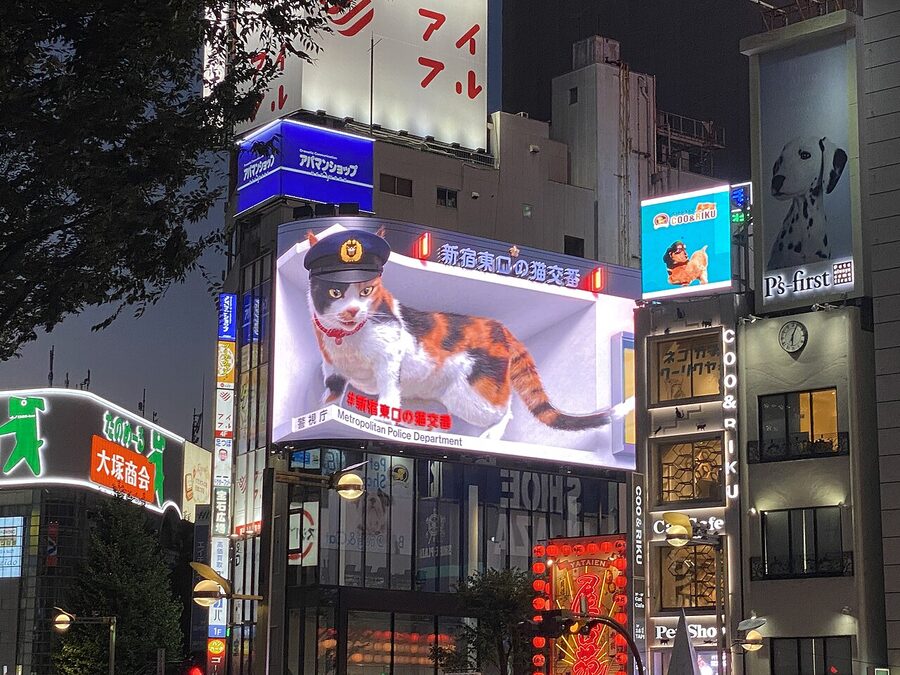
We mentioned the cat at item 7. It deserves a second mention because the night version is a different animal. The LED panel runs at full brightness after dark, and the cat’s animations are slightly more elaborate in evening cycles. The street below is also properly neon-lit at night, creating a double-layer effect between the cat and the city around it.
Go back at 8pm if you first saw the cat during the day. Budget 15 minutes standing and watching — tourists cluster but the area around the East Exit plaza is big enough to fit everyone.
25. Find Shinjuku Gyoen in autumn
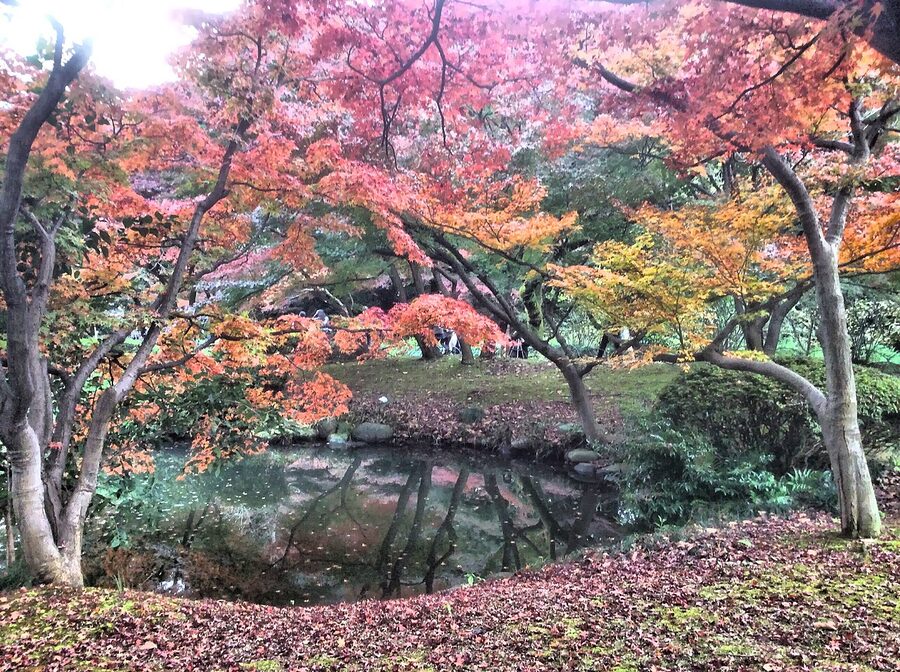
Shinjuku Gyoen in late November through early December is Tokyo’s best kōyō (autumn leaves) destination inside the central 23 wards. The 10,000+ trees include serious numbers of Japanese maple (Acer palmatum) — the small red ones you see in every Kyoto photo — plus gingko, cherry, and deciduous shrubs. Peak colour runs approximately 20 November to 5 December; exact dates shift each year.
The Japanese garden section is where the tightest red concentrations are. Arrive by 10am on a weekend if you want photos without people. Weekdays are much calmer. Entry fees same as normal (¥500).
26. See cherry blossoms at Shinjuku Gyoen
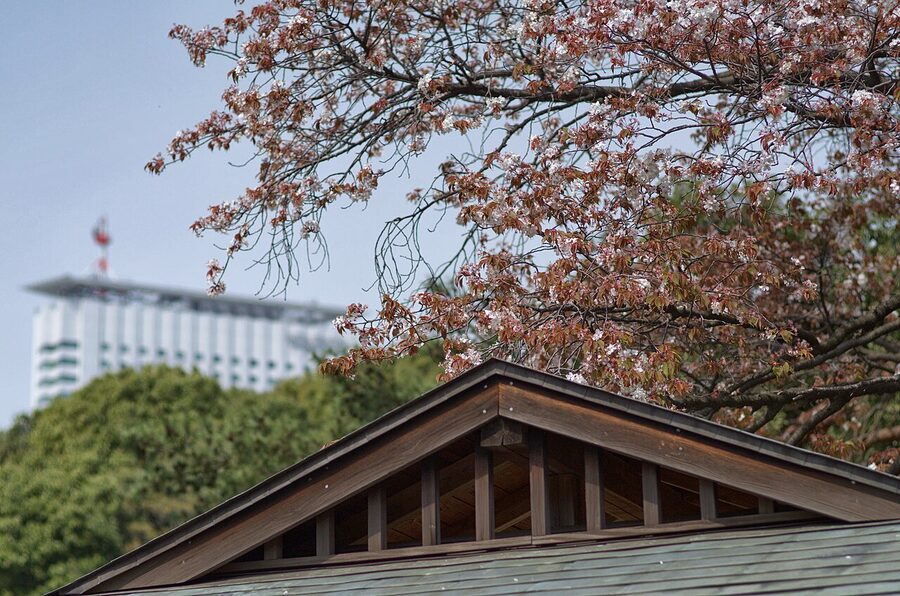
Cherry blossoms at Shinjuku Gyoen (late March through early April) are arguably better than Ueno Park’s more famous display — similar density, less aggressive crowds, paid entry filters the drunkest parties out, alcohol ban keeps it civil. 1,500 cherry trees across 60+ varieties, so the blooming window is stretched over ~3 weeks instead of Ueno’s one intense week.
Go early morning on a weekday for photos. Pack food — alcohol is prohibited but bentos and picnic food are fine. The biggest crowds are on the first fully-bloomed weekend; book entry through the official site during peak bloom.
27. Stop at Alta or the East Exit Plaza
Studio Alta — the famous building with the huge digital screen at Shinjuku East Exit plaza — has been Tokyo’s most-used meeting point alongside Hachiko for decades. The old Alta building closed for redevelopment in 2025 and a replacement is under construction. The screen ("Alta Vision") still functions, showing ads and occasional live broadcasts.
Even post-closure, the East Exit plaza is one of Tokyo’s great informal gathering spaces — buskers, promotion campaigns, randomly assembled crowds, the 3D cat overhead. Spend 10 minutes sitting on the steps or the planters and watch what’s happening.
28. Eat Tsukemen (and an izakaya crawl)
Shinjuku is a legitimate contender for Tokyo’s best ramen district. The local specialty that’s most worth your queue time is tsukemen (dipping ramen) — thick broth separate from noodles, you dip rather than slurp. Shinjuku has Fuunji (famously always queued, 45-minute average wait) and Tsujita (easier to walk into). ¥1,100-1,400. Both are south/west of the station.
For izakaya proper, the Shinjuku Golden Gai Food Hall (not the bars in Golden Gai itself — a separate new basement dining complex) is a reliable starting point. Otherwise: any of the bars on the alleys behind Kabukicho Ichiban-gai where the laminated photo menu is mostly in Japanese.
29. Find the Samurai Experience
The original Samurai Restaurant (the over-the-top robot-lights-and-drummers spectacle that replaced the closed Robot Restaurant) runs 3-4 shows a night in Kabukicho. ¥9,000-11,000 per person including a bento meal. It’s enormously touristy and makes no attempt to be subtle. Some love it; some walk out bewildered. Book ahead online; walk-up tickets sometimes available.
Alternatively: the Ninja Trick House in Kabukicho is a small hands-on museum where you learn shuriken (throwing star) basics, see ninja tools, and do a short training session. ¥1,300 adults. Less show, more actual content. Better for kids.
30. Close the night at a Golden Gai jazz bar
If you’re going to do one Golden Gai bar as a first-timer, make it one of the jazz-themed ones. Kenzo’s (upstairs, small vinyl collection, proper owner-host), Albatross (not strictly jazz but similar vibe, English-welcoming, 4-6 seats), or DeathMatch in Hiroshima if you want punk instead. Budget ¥1,500-2,500 for one drink and cover. Stay late — the last train pressure keeps Tokyo Shinjuku alive to roughly 1:30am, then everything shifts to cabs or taxis.
If you miss the last train (Yamanote stops roughly 12:30am to 4:30am), Shinjuku is one of the few Tokyo districts where karaoke, internet cafés, 24-hour Donki, and the Thermae-Yu onsen give you legitimate "stay up until trains restart" options. That’s the Shinjuku way.
Getting to Shinjuku
From Narita: Narita Express direct to Shinjuku (80 min, ¥3,250). Alternate: Keisei Skyliner to Nippori, Yamanote to Shinjuku (~70 min, ¥2,600).
From Haneda: Airport Limousine Bus direct to Shinjuku (45-60 min, ¥1,400). Or Tokyo Monorail to Hamamatsuchō + Yamanote.
Within Tokyo: Shinjuku is on the JR Yamanote line — 4 min from Shibuya, 8 min from Tokyo Station. Four metro lines also stop here. Literally one of the easiest Tokyo destinations to reach.
Where to stay in Shinjuku
Shinjuku is many visitors’ preferred first-Tokyo base — huge hotel range, central location, the station itself. Options span from ¥4,000/night capsule hotels (Book and Bed, Nine Hours) through mid-range business hotels (APA, Tokyu Stay, Park Hotel Tokyo Shiodome nearby) to the Park Hyatt (¥75,000+). The West Exit side is quieter for sleep; the East Exit side puts you in the action. Search Shinjuku on Booking.com.
Shinjuku FAQ
Is Shinjuku worth visiting?
Yes — it’s on our non-negotiable list for any first Tokyo trip. Plan at least a full day. Evening is essential; daytime is where you fit in Shinjuku Gyoen and museums.
Is Kabukicho safe at night?
Yes — for reasonable travellers on main streets. Avoid side alleys you can’t see the end of, ignore touts, don’t follow strangers to unadvertised bars. Tokyo’s police presence in Kabukicho is heavy, especially on weekend nights. The usual travel rules apply.
How many hours do you need in Shinjuku?
Minimum full day to hit the essentials (Gyoen, TMG observatory, Kabukicho night, Omoide Yokocho dinner, Golden Gai drinks). Two days to include Shin-Okubo, the Kusama Museum, and the West-Shinjuku architecture walk. Three to do it properly.
Can I do Shinjuku and Shibuya in one day?
Tightly — possible but rushed. Our preferred split: Shibuya morning/afternoon, then four minutes on the Yamanote to Shinjuku for evening. See our Shibuya guide.
What time does Shinjuku shut down?
Kabukicho properly winds down around 3-4am. Golden Gai bars close typically 2-3am. 24-hour options (Donki, Thermae-Yu, some karaoke, some ramen) run straight through. Last train for most Yamanote destinations is around 12:30am; first train back to most places is around 4:30am. Plan your Shinjuku night with that gap in mind.
The short version
Shinjuku is the Tokyo you’ve pictured. Huge station, huge crowds, neon walls, a 140-acre garden, six micro-nightlife districts, a 3D cat, a Godzilla head, and more bars per square metre than anywhere else in Japan. Budget one full day minimum; two for full coverage; three if you want to actually know it. You’ll come back to Shinjuku more than any other Tokyo district — that’s OK, so do we.
Next up: our Shibuya guide is a four-minute train away, our Harajuku guide is two, and our citywide list ties it all together.