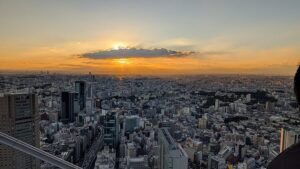
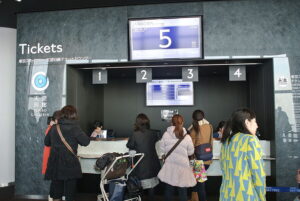
Tokyo has roughly a dozen paid observation decks, three free ones worth the ride up, and one (Shibuya Sky) that’s genuinely one of the best in the world. The city’s unbroken flatness — the old Edo plain stretching in all directions — means these views do something you don’t get in denser mountainous cities like Hong Kong or Bogotá: you see horizon-to-horizon. On a clear winter day you can see Mt Fuji from most of them. On a clear night you can see why Tokyo’s lighting got its 2020 Olympic nickname.
This is the decision guide. Price, view quality, best time of day, and the specific reason each one is worth it (or not). Pair with our dedicated Shibuya Sky and Tokyo Skytree deep-dives for the two biggest names.
In This Article
- The shortlist — 10 decks worth the elevator ride
- 1. Shibuya Sky — the best paid observation deck in Tokyo
- 2. Tokyo Skytree — the tallest, with the east-Tokyo view
- 3. Tokyo Metropolitan Government Building — the free option that’s great
- 4. Tokyo Tower — the sentimental favourite
- 5. Mori Tower — the Roppongi Hills option
- 6. Caretta Shiodome — free, 46F, rarely crowded
- 7. Sunshine 60 — the Ikebukuro option
- 8. Shibuya Scramble Square — the building itself
- 9. Tokyo Station’s rooftop garden
- 10. The Sky Tree Galleria — the highest public floor in Tokyo
- Fuji visibility calendar
- Decision matrix — which one should you do?
- FAQ
- Can I see both Mt Fuji and Tokyo Tower from the same deck?
- Which has the best Shibuya Crossing aerial view?
- Do paid decks have priority lines?
- Can I photograph at all decks?
- Best deck for a date?
- Short version
The shortlist — 10 decks worth the elevator ride
Below, ranked by our preference, with the reason to pick each one. If you’re doing just one, pick Shibuya Sky. If you’re doing two, add the Tokyo Metropolitan Government Building (it’s free). Beyond that, pick by proximity to where you already are.
1. Shibuya Sky — the best paid observation deck in Tokyo
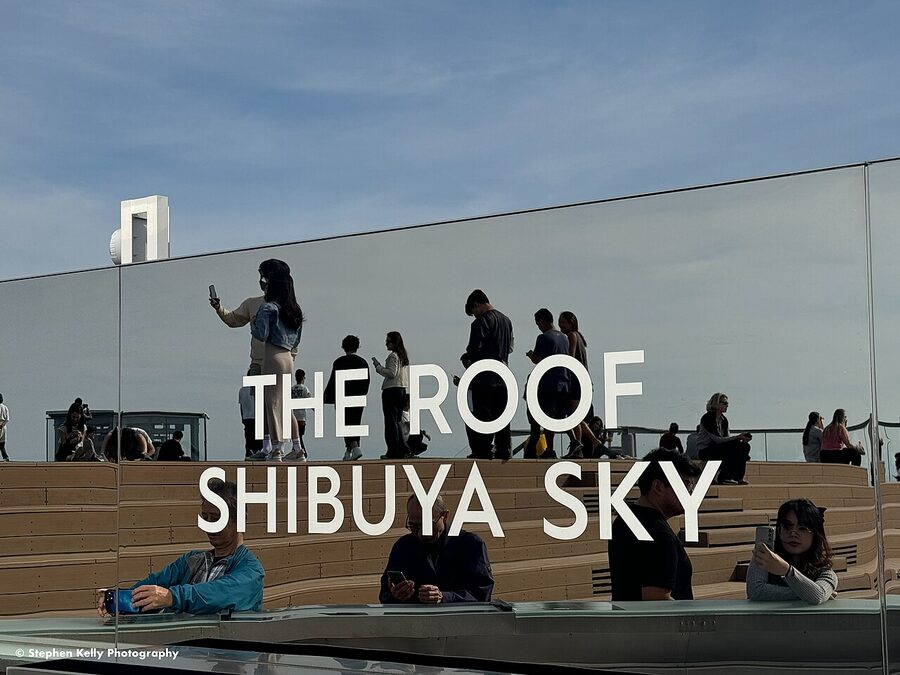
229m, open-air rooftop, ¥2,500 online. Sky Gallery (46F indoor) + Sky Stage (rooftop open-air). The helipad-style glass-edge photo spot, the couches facing west toward Mt Fuji, the view straight down onto Shibuya Scramble Crossing — every defining modern-Tokyo observation experience is here. Book online for the sunset slot; 3-7 days ahead minimum. Full details: our Shibuya Sky guide.
2. Tokyo Skytree — the tallest, with the east-Tokyo view
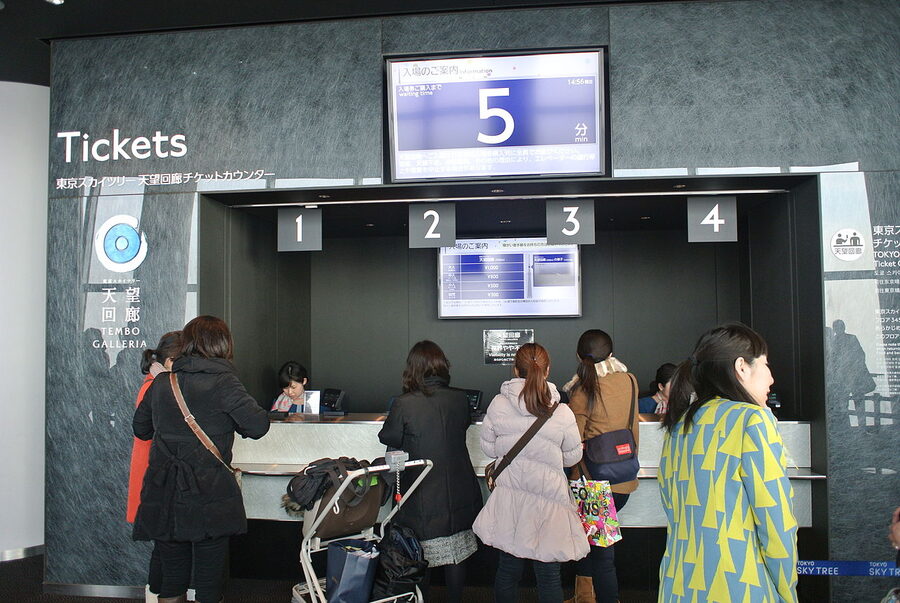
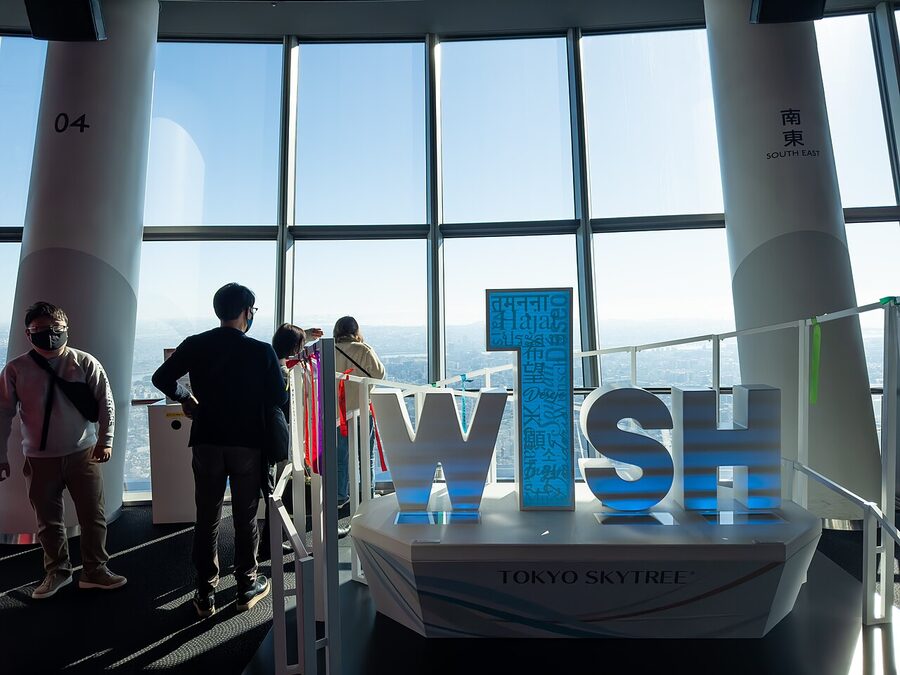
350m (Tembo Deck) / 450m (Tembo Galleria), ¥2,100-3,100. The height wins. The view east — Sumida River, Tokyo Bay, the flats toward Chiba — is unique; no other deck shows you this angle. Book online. Pair with Asakusa for a full east-side Tokyo day. Full coverage: our Tokyo Skytree guide.
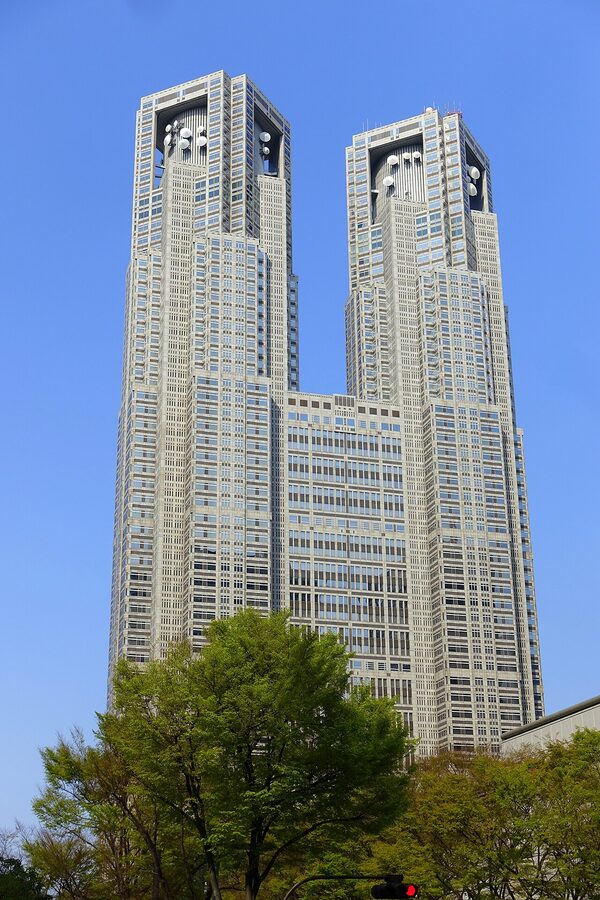
3. Tokyo Metropolitan Government Building — the free option that’s great
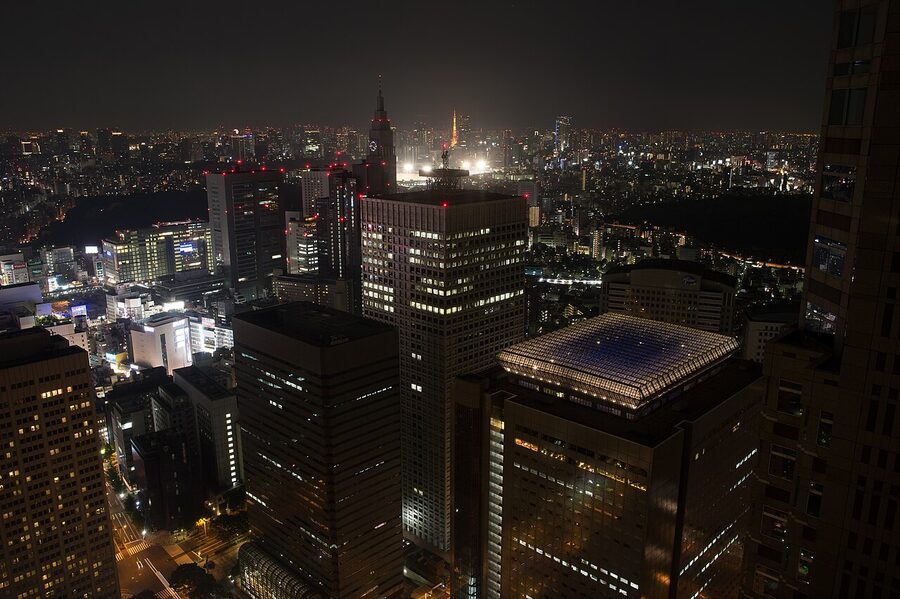
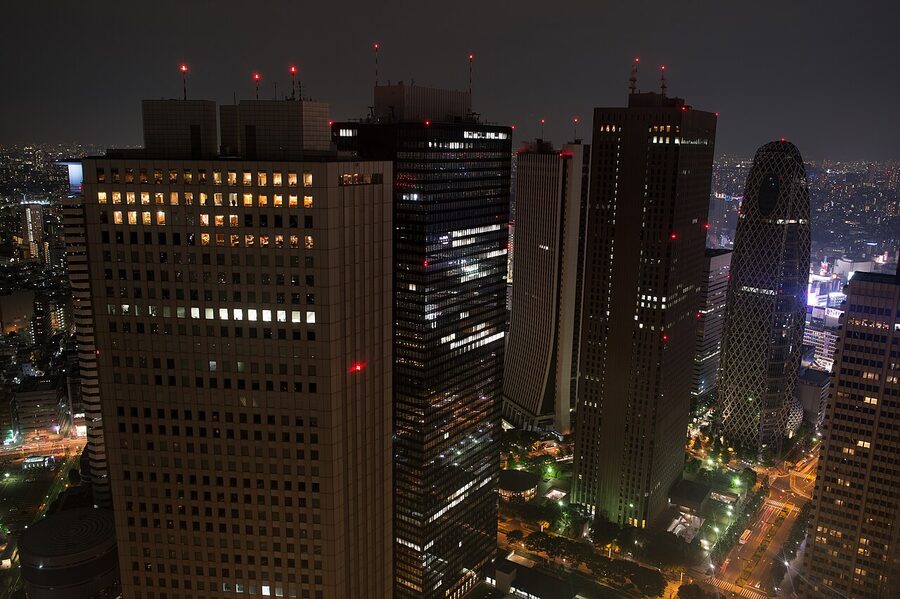
202m, free. Kenzō Tange’s twin-tower government building in West Shinjuku has two observation decks on the 45th floor. North Observatory: 9:30am-10pm. South Observatory: 9:30am-5pm. On clear winter days, the Mt Fuji visibility from the west windows is the single best in central Tokyo.
Why it’s special: genuinely free, genuinely good, queue is typically 10-20 min on weekends. The view quality rivals Tokyo Skytree’s Tembo Deck on clear days; you’re not paying ¥2,500. The building’s 1991 Kenzō Tange architecture is worth seeing from ground level too.
Access: 10-min walk from Shinjuku Station West Exit, or Tochomae Station (Toei Oedo line) direct. Full Shinjuku context: our Shinjuku guide.
4. Tokyo Tower — the sentimental favourite
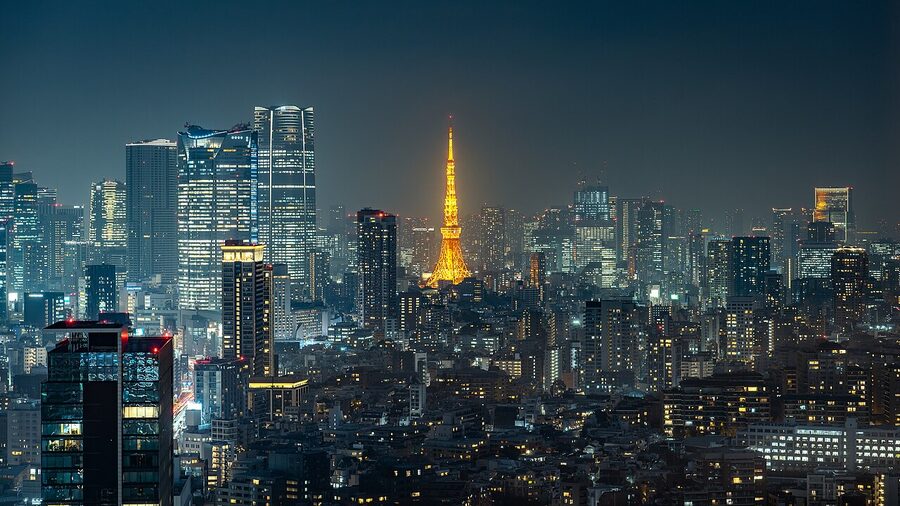
150m (Main Deck) and 250m (Top Deck), ¥1,200-3,000. Tokyo Tower opened in 1958, 30 years before Skytree, and was Tokyo’s tallest structure until 2010. It’s been eclipsed in height but remains a sentimental and visual landmark — in Minato, central Tokyo, surrounded by Shiba Park. At night its orange-and-white paint lights up, changing seasonally.
Why go: the view from Tokyo Tower shows you Tokyo Tower-less Tokyo — no Tokyo Tower in the skyline. It’s a different vantage than the big modern decks. The Top Deck (250m) includes a mirrored ceiling gimmick that’s surprisingly effective.
Photo tip: Tokyo Tower from Roppongi Hills (Mori Tower) or from Zōjō-ji temple at night is arguably more photogenic than the view from the tower itself. Book the tower for the experience; photograph it from nearby.
5. Mori Tower — the Roppongi Hills option
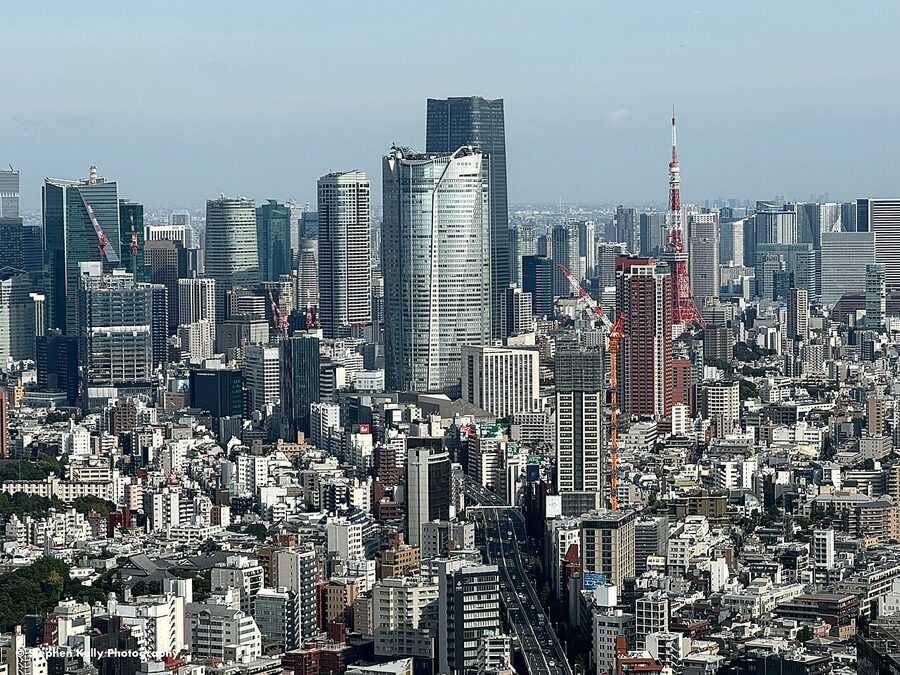
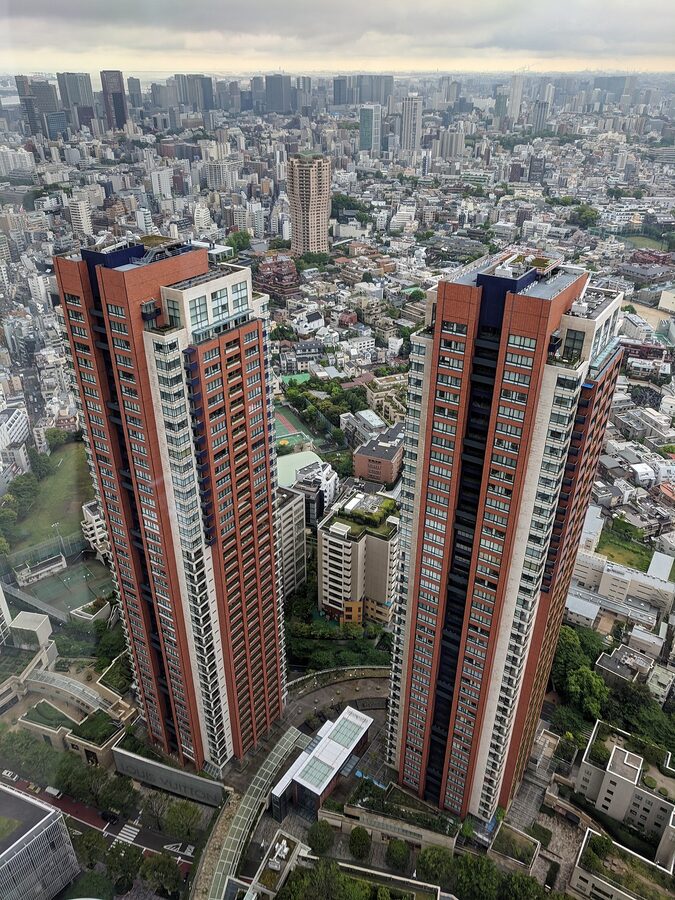
270m (Sky Deck rooftop) + 238m (Tokyo City View), ¥2,000 combined. The Mori Tower in Roppongi Hills has two observation experiences: Tokyo City View (indoor, 238m, 52F) and Sky Deck (outdoor rooftop, 270m, 54F). The rooftop Sky Deck is unique for being exposed open-sky at this height in central Tokyo — similar experience to Shibuya Sky but framing Tokyo Tower and Mt Fuji through a different angle.
Bundled with: the Mori Art Museum on 52F (¥2,000 exhibition ticket often includes Tokyo City View access). The combination is a good rainy-day paid option.
Access: Roppongi Station (Hibiya/Oedo lines). Full Roppongi context in our citywide things-to-do list.
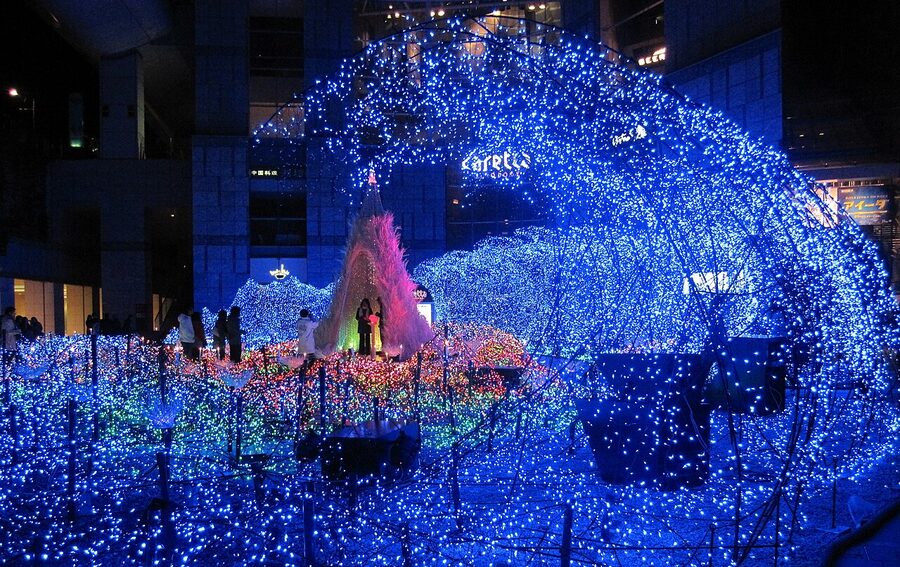
6. Caretta Shiodome — free, 46F, rarely crowded
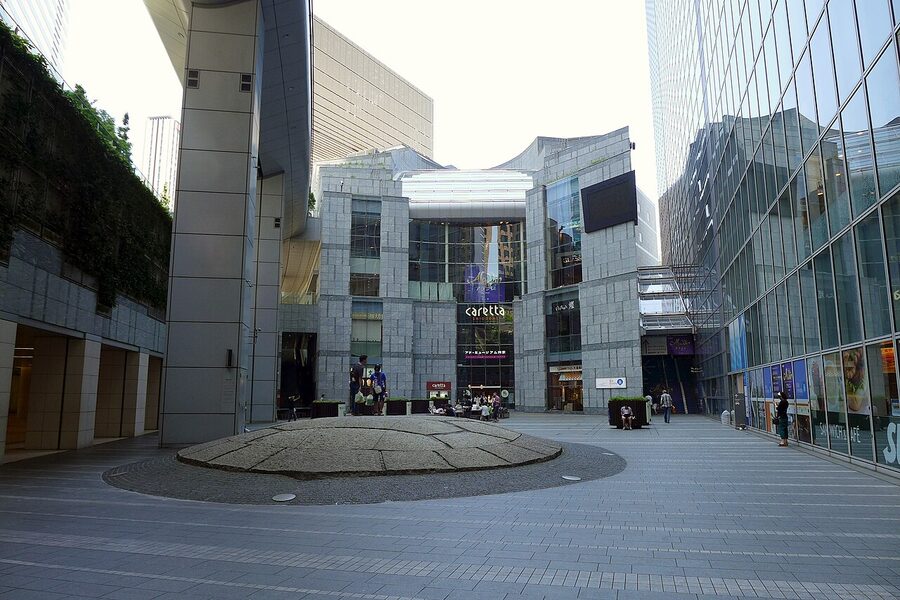
200m, free. Caretta Shiodome (the Dentsu Building) in Shiodome has a free 46F observation floor that almost no tourists know about. The view is east over Tokyo Bay, Hamarikyu Gardens, and across to Odaiba and Skytree. Best at dusk — when the office workers are still at their desks and you basically have the floor to yourself.
Why it’s special: free, uncrowded, east-bay view that’s different from Shibuya Sky or Skytree’s angles. Good secondary deck pick after you’ve done Shibuya Sky.
Access: Shiodome Station (Yurikamome/Oedo lines), direct connection via underground passages. Access floor via the main building elevators — signage is clear.
7. Sunshine 60 — the Ikebukuro option
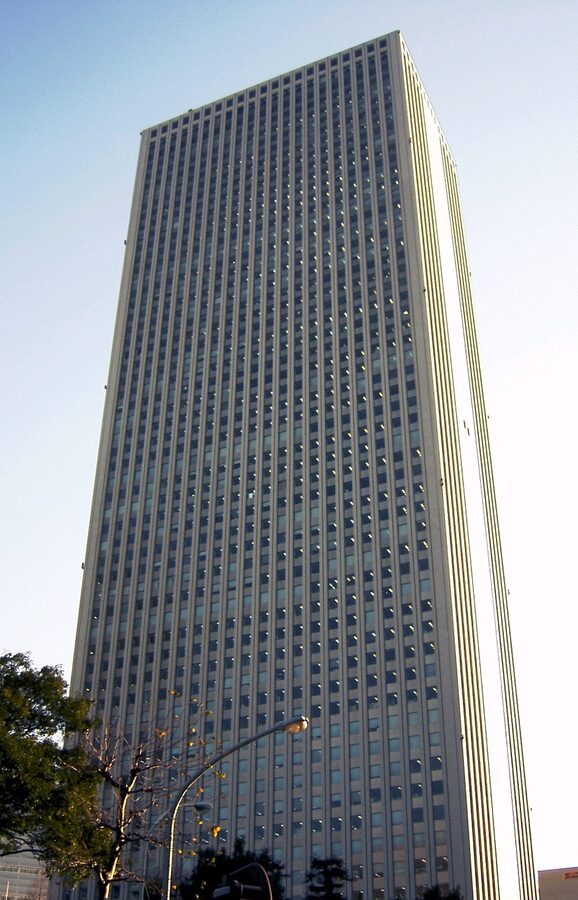
240m, ¥1,200 (adult). Sunshine 60 in Ikebukuro opened 1978 and was Asia’s tallest building until 1990. It’s now a mid-tier observation experience with Sky Circus on the 60th floor — a VR/projection-mapping enhancement that some love and some find gimmicky. The raw view (looking east over Ikebukuro toward Skytree, west toward Shinjuku) is solid.
Why go: good if you’re already in Ikebukuro (Otome Road shoppers, Animate flagship visitors). Not a destination in itself given Shibuya Sky and TMG exist.
8. Shibuya Scramble Square — the building itself
14F sky lobby + rooftop (Shibuya Sky). Shibuya Scramble Square’s 14th floor has a publicly accessible lobby with a solid indoor view at street-facing altitude — useful for bad weather when Shibuya Sky’s rooftop closes. Not a primary destination; just a known fallback inside the same building.
9. Tokyo Station’s rooftop garden
Free, accessible via KITTE building (6F). The KITTE retail complex directly opposite Tokyo Station has a 6F rooftop garden (Marunouchi Terrace) with a direct view of Tokyo Station’s historic red-brick Marunouchi-side facade. Low altitude (~30m) but a unique ground-level-cathedral angle of Tokyo Station from above. Free, quiet, rarely mentioned in tourist guides. Great for train-photography fans.
10. The Sky Tree Galleria — the highest public floor in Tokyo
We covered this in our Skytree guide — the 450m upper deck (Tembo Galleria) is technically the single highest public floor in Tokyo. ¥1,000 on top of the Tembo Deck ticket. Worth the upgrade on clear days for the extra 100m of height; skip when hazy.
Fuji visibility calendar
Most first-timers want Mt Fuji visibility. Here’s the realistic guide:
December-February: 50-70% chance per day of clear Fuji visibility. Clearest winter morning hours. March-May: 30-50%, improving toward pollen season. June-September: 10-30%, heat haze dominant. October-November: 40-60%, cooling air.
The best Fuji decks, in order: TMG Building (free, west-facing, clear Fuji line of sight), Shibuya Sky (south-west corner of rooftop), Mori Tower (south-west corner of Sky Deck), Skytree (Tembo Galleria, long distance).
Decision matrix — which one should you do?
Visiting Tokyo for the first time, one observation experience: Shibuya Sky, sunset slot, book ahead.
Tight budget, first time: Tokyo Metropolitan Government Building, free, weekday morning, Fuji visibility.
Second Tokyo trip, already done Shibuya Sky: Tokyo Skytree for the east-side view.
With kids: Tokyo Tower (the orange-and-white landmark factor), Tokyo Skytree (height + aquarium at the base).
Art or architecture nerd: Mori Tower (bundled with Mori Art Museum).
Free-only stops: TMG Building + Caretta Shiodome. Together they cover most of central Tokyo’s view angles at zero cost.
FAQ
Can I see both Mt Fuji and Tokyo Tower from the same deck?
Yes — Shibuya Sky (south-west corner), TMG Building, and Mori Tower all capture both in one panorama on clear days.
Which has the best Shibuya Crossing aerial view?
Shibuya Sky (you’re directly above it) is the specific answer. Magnet by Shibuya109’s smaller rooftop (¥300, covered in our Shibuya guide) is the cheaper alternative. No other deck gives you the Crossing at the right angle.
Do paid decks have priority lines?
Some. Shibuya Sky has time-slot entry (no priority add-on needed if you book your slot). Skytree has a fast-track "Enjoy Pack" upgrade (¥500-1,000 extra). Tokyo Tower has occasional "Peak Entry" upgrades but queue is usually manageable.
Can I photograph at all decks?
Phones/personal cameras yes. Tripods prohibited on most rooftops (safety — wind risk). DSLRs with long lenses occasionally questioned at Shibuya Sky.
Best deck for a date?
Shibuya Sky sunset slot. Full stop. The combination of sunset + outdoor rooftop + free-to-linger until closing makes it the most atmospheric deck for two people.
Short version
Shibuya Sky is the single best Tokyo observation deck. Tokyo Metropolitan Government Building is the best free deck. Tokyo Skytree is the tallest and best for east-side view. All others are secondary. Book Shibuya Sky ahead, add TMG if you have a second free slot, skip the rest unless proximity makes it convenient.
More: Shibuya Sky deep dive, Tokyo Skytree guide, citywide things to do, first-time Tokyo guide.