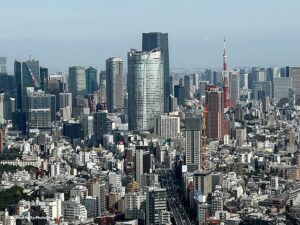
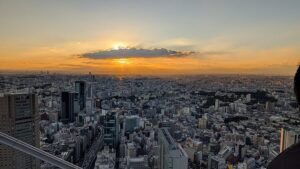
Tokyo Skytree is 634 metres of broadcasting antenna that doubles as the second-tallest freestanding structure on earth. It’s so much the tallest thing in Tokyo that you’ll see it from unexpected places — across the Sumida from Asakusa, from Sumida Park’s cherry trees in April, from a hotel window 10km away. It was built in 2012 partly because digital TV broadcast needed a taller antenna than Tokyo Tower, and partly because Tokyo, having watched Shanghai and Dubai go vertical, wanted a statement. It is a statement. It’s also a genuinely good observation experience if you do it right.
Our take: Skytree’s best argument is not the "tallest" bragging right, but the view east over Tokyo Bay and the river flats — the city side that Shibuya Sky and the Metropolitan Government Building can’t show you. If you’re doing Tokyo for the first time, Skytree goes on the list alongside one other observation deck, not instead of it. Pair this with our Shibuya Sky guide to pick between them.
In This Article
- Two observation decks, one tower
- Tembo Deck — 350m
- Tembo Galleria — 450m
- Pricing: the money math
- How to actually book
- When’s the best time to go up?
- What you’ll actually see
- Getting there
- Skytree Town — the mall underneath
- What to see in Solamachi (even without the tower)
- Photographing the tower (from outside)
- What’s nearby (combine into a full day)
- Is Skytree worth it, really?
- FAQ
- How long does the whole visit take?
- Is it good for kids?
- Do I need to book in advance?
- Skytree vs Shibuya Sky vs Tokyo Metropolitan Government Building?
- Is there a cafe / bar at the top?
- Can I see Mt Fuji?
- Short version
Two observation decks, one tower
Skytree has two separate paid observation levels that you can buy individually or bundled. They’re different experiences.
Tembo Deck — 350m
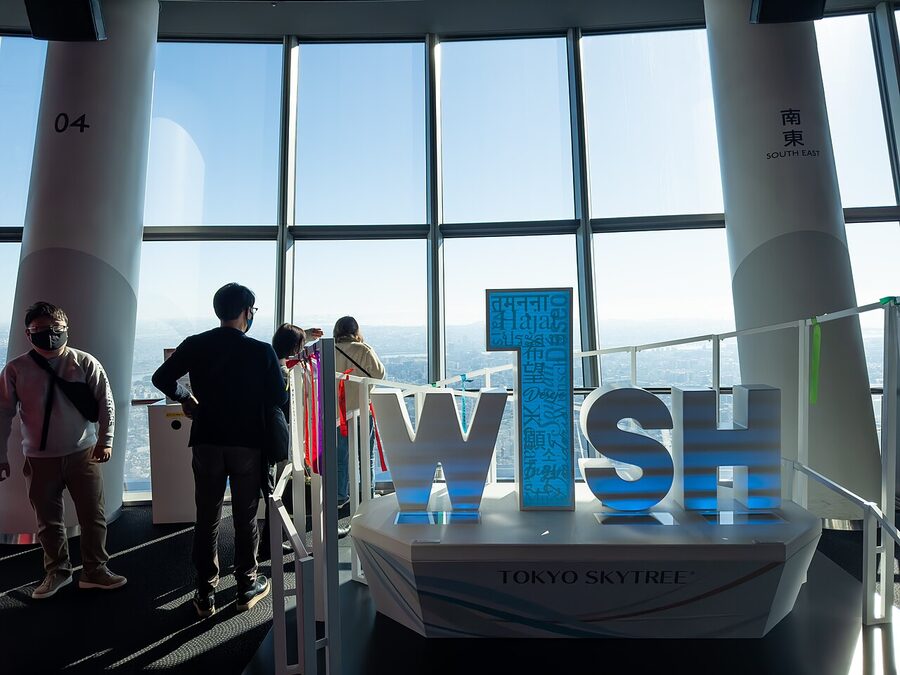
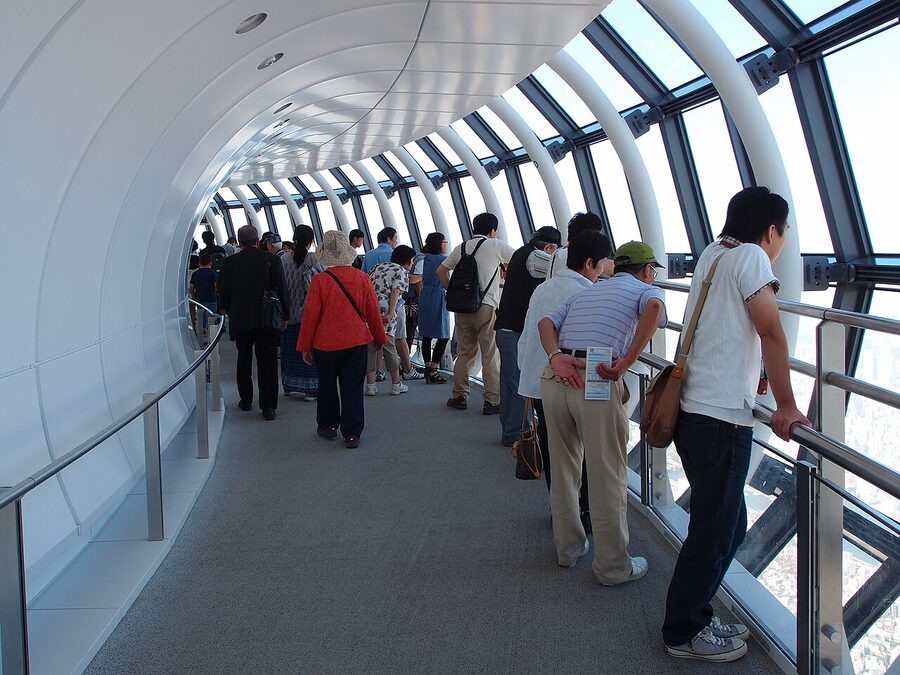
The main observation deck. Three floors (340, 345, 350m), glass-walled, seated areas, a cafe, a gift shop. Slowly-rotating views, glass-floor sections you can stand on and look straight down. The entry level for most visitors.
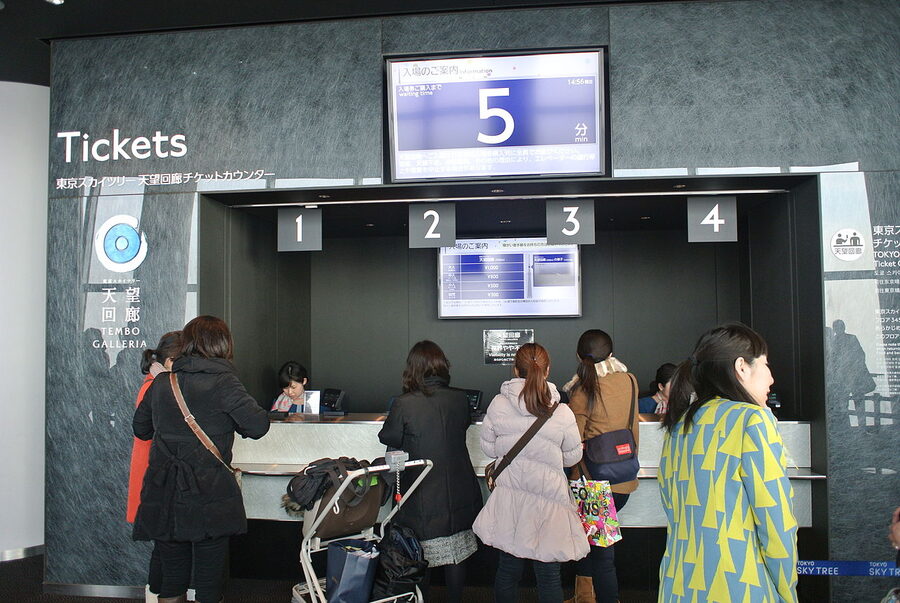
Tickets: ¥2,100 online (advance), ¥2,400 at the door. Timed-entry online avoids queues. Allow: 45-75 minutes for the visit itself. Elevator up takes 50 seconds.
Tembo Galleria — 450m
The upper deck, connected to Tembo Deck by a separate elevator. A spiral ramp leads from 445m to 450m (the official highest point), ending at a small glass floor section. Quieter than Tembo, dramatically higher. The view up there is worth the upgrade if the weather’s clear.
Tickets: ¥1,000 on top of Tembo Deck entry. Combined ticket ¥3,100 online / ¥3,400 at door. Only accessible after paying for Tembo first.
Our rule: buy the combined ticket if the weather forecast shows good visibility. Skip the Galleria upgrade if it’s hazy or low-cloud — you’ll literally see less.
Pricing: the money math
Skytree’s pricing changed in 2023 to time-based variable rates. Peak slots cost more. General ranges:
Tembo Deck: ¥2,100-2,700 depending on day/time (weekends + holidays higher). Online booking ~15% cheaper than door.
Tembo Deck + Galleria combo: ¥3,100-3,800 total. Essentially a 30% add-on.
Fast-skip "Skytree Enjoy Pack": ¥500-1,000 extra for priority elevator access. Worth it on busy weekend afternoons if you hate queues.
Kids: half-price under-12, free under-6. Family discount exists for 2 adults + 2 kids.
Compare: Shibuya Sky is ¥2,500 for a single rooftop experience — no upper-deck upgrade, fewer levels, but more dramatic outdoor exposure. See our Shibuya Sky guide for the head-to-head.
How to actually book
Use the official site: en.tokyo-skytree.jp. Timed-entry slots release 30 days in advance. Weekend slots in April/November fill up 2-3 days ahead; weekday slots usually available same-day.
Klook and GetYourGuide both resell timed-entry bundles at similar or slightly lower prices, sometimes including Solamachi vouchers. Read the specific slot rules — some resellers lock you to a narrow window.
Walk-up: possible, but weekend queues can hit 60-90 minutes at the Tembo Deck ticket counter. We’d book online.
When’s the best time to go up?
Visibility is everything. Three factors matter:
Time of year: December-February has the clearest air. Mt Fuji visible on 50-70% of winter days. Summer visibility falls to 10-30% due to heat haze.
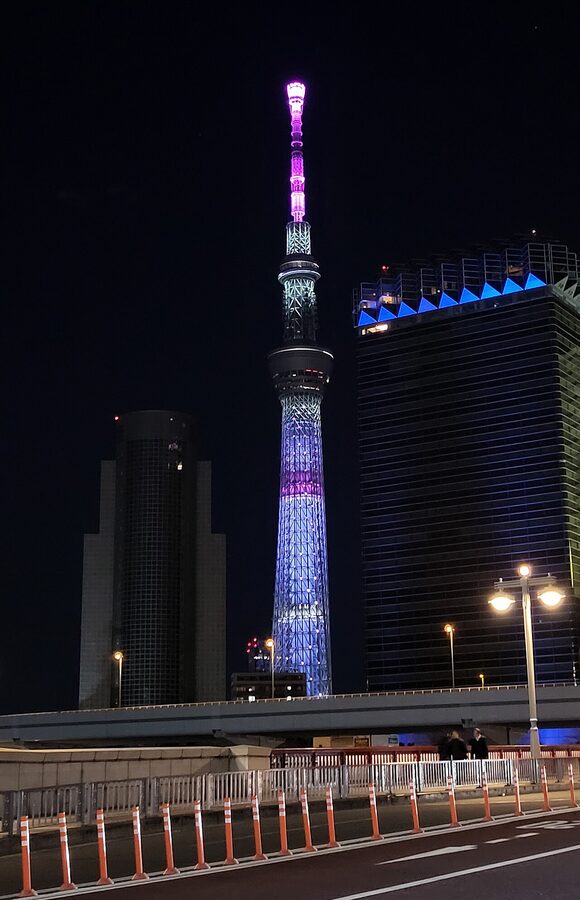
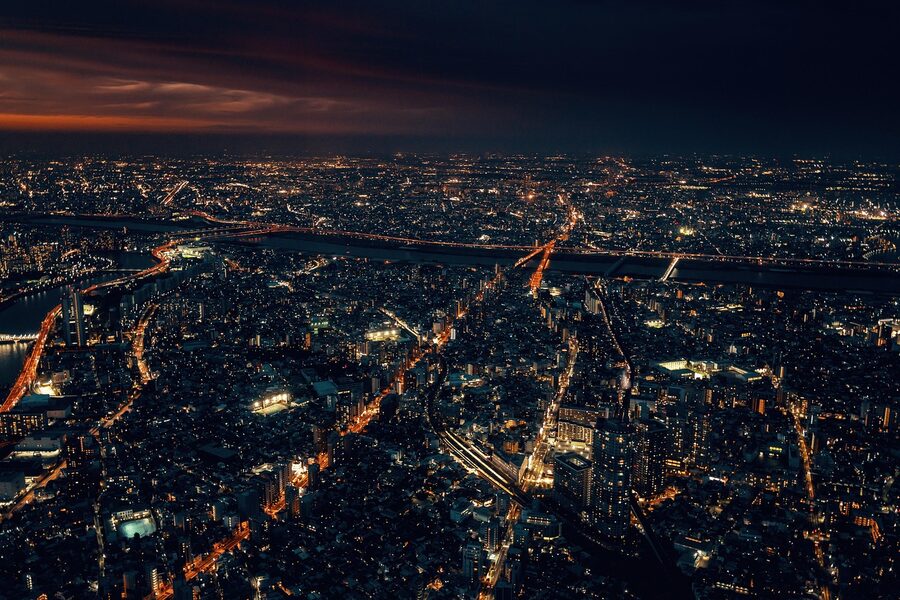
Time of day: sunset is the dramatic slot — colours in the sky, city lights coming on, blue hour after. Mid-morning (10-11am) is the clearest typically, fewest crowds. Afternoon is hazy.
Weather: check the live webcam on the official site before leaving your hotel. If the top is in cloud, save the trip for another day — the ticket is non-refundable but timed slots can usually be rescheduled.
What you’ll actually see
Standing on Tembo Deck, a clockwise scan:
West — central Tokyo. Tokyo Tower in the mid-distance (about 10km). Shinjuku skyline further out. On clear winter days: Mt Fuji, 100km beyond.
South — Tokyo Bay. The Rainbow Bridge is visible. Haneda Airport’s runways sometimes visible on the horizon. Odaiba’s waterfront buildings.
East — the river flats and Chiba. Less dramatic but a real view of the residential-industrial Tokyo that tourists rarely see.
North — Saitama and the mountains. On a clear day, the Japan Alps are visible. Mt Tsukuba (north-east, rises above the plain).
Directly below: the Sumida River, Asakusa’s Senso-ji (visible by its five-storied pagoda), the Asahi Flame on the Asahi building.
Getting there
Easiest: the Tobu Skytree Line. Skytree has its own station (Tokyo Skytree Station / とうきょうスカイツリー駅) on this line. From Asakusa, one stop (¥150, 3 minutes).
Alternative: Oshiage Station (Hanzomon, Asakusa Line, Toei Asakusa, Tobu Skytree) — directly connected to Skytree Town underground. From Shibuya, 35 min via Hanzomon line (¥280).
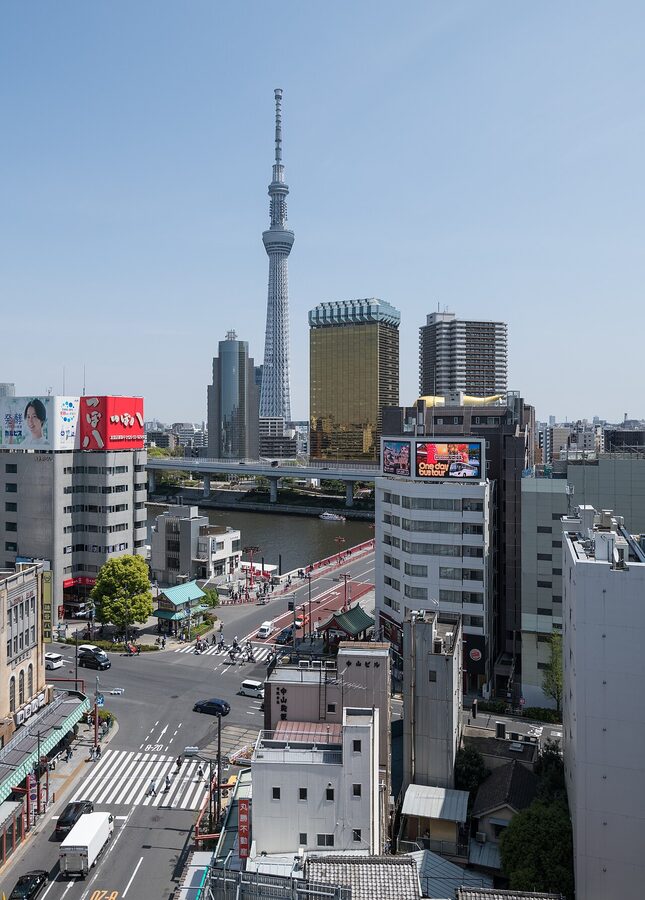
Walk from Asakusa: 15-20 minutes across Azuma Bridge + along the Sumida river. Pleasant in good weather; you’ll pass the Asahi Flame and get the best photo angles.
Skytree Town — the mall underneath
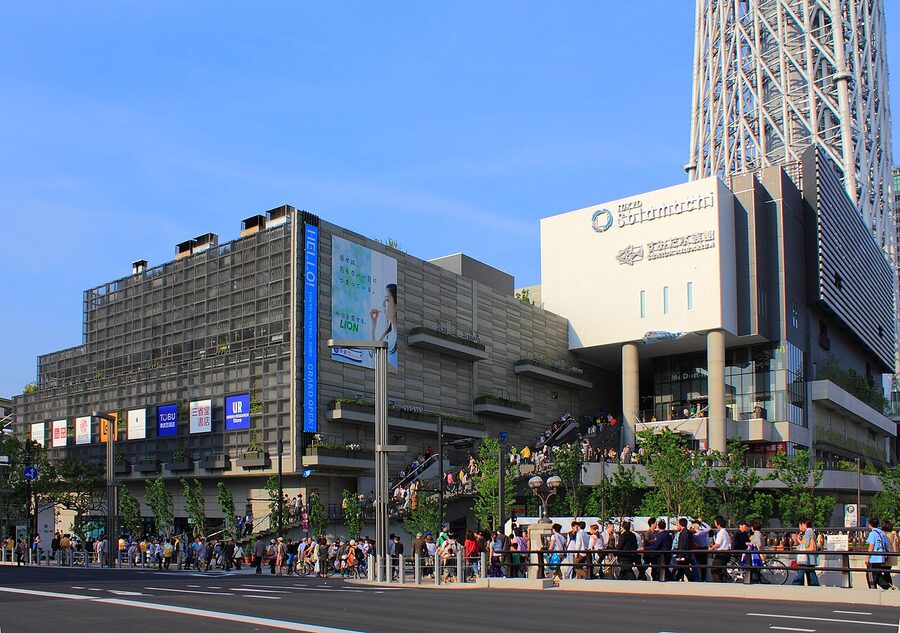
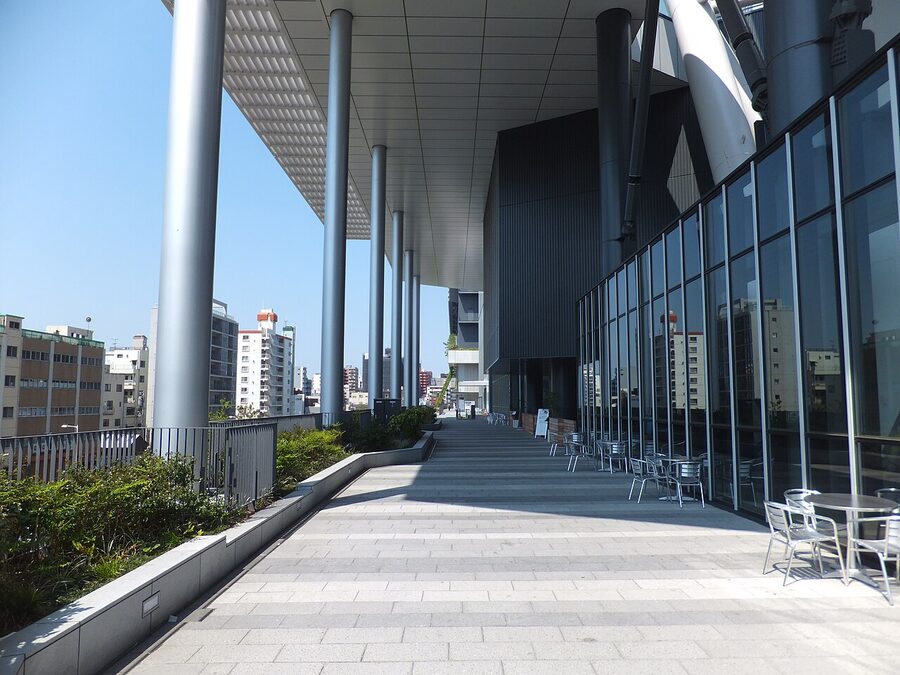
The Skytree tower sits on top of Tokyo Solamachi (東京ソラマチ) — a 312-shop shopping and dining complex. This is what most visitors don’t realise: you can spend an entire day here without going up the tower at all. Four main floors of retail, two floors of restaurants, a planetarium, and the Sumida Aquarium.
What to see in Solamachi (even without the tower)
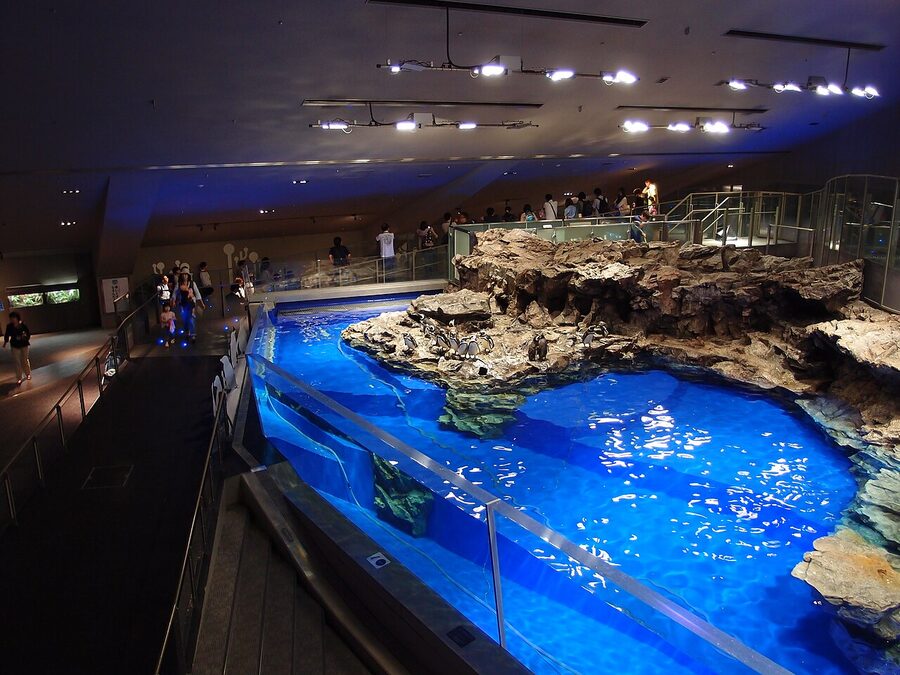
Sumida Aquarium — a modern, small-footprint aquarium on 5-6F of Solamachi. Famous for its penguin pool (you can watch them from multiple angles, the path wraps around the tank) and jellyfish tank. ¥2,500 adult. Konica Minolta Planetarium on 7F (¥1,500). Tokyo Banana flagship shop — the ubiquitous banana-shaped sponge cake, genuinely a decent souvenir. Ukiyo-e gallery on 4F (free). Postal Museum Japan on 9F of Solamachi East Tower (¥300).
For food: the Solamachi 6F & 7F restaurant floors are reliable mid-range (¥1,200-3,500 per person). Avoid the specifically-for-tourists themed restaurants; head for the local chain izakayas and ramen counters.
Photographing the tower (from outside)
Some of Skytree’s best photos aren’t taken from the top — they’re taken from specific street-level angles:
Azuma Bridge (Asakusa side): the classic angle. Tower + Asahi Flame + Sumida River in one frame. Best at blue hour (~30 min after sunset).
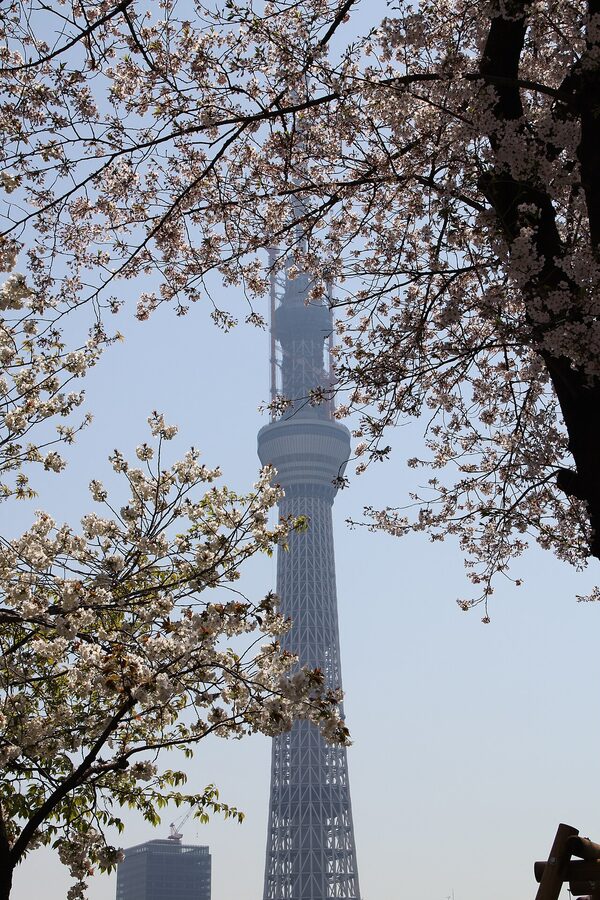
Sumida Park north end: framed by cherry blossoms in April, or by autumn colour in late November.
Jikken Bridge (from the north): looking up at the base, great for wide-angle vertical shots.
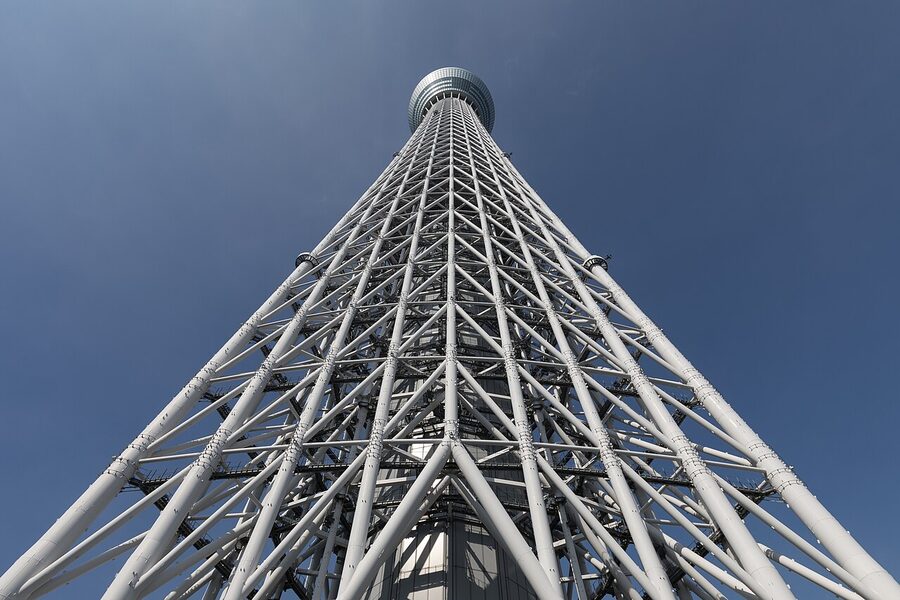
Worm’s-eye up from directly below: stand at the Skytree base entrance. Look up. Phone vertical. Classic viral composition.
What’s nearby (combine into a full day)
Skytree is right next to Asakusa — walking distance across the Sumida. A natural combination:
Morning: Skytree visit (10:30am-12pm slot, beat the afternoon haze).
Lunch: Solamachi food floors (¥1,500-2,500).
Afternoon: walk across the Sumida to Asakusa — Senso-ji temple, Nakamise shopping street, rickshaw ride if you want one.
Evening: back across Azuma Bridge for the blue-hour Skytree + Asahi Flame shot.
Full Asakusa context in our Asakusa guide.
Is Skytree worth it, really?
Yes, if any of these: it’s your first trip to Tokyo, winter visit with good Fuji visibility, you want the river-and-bay side view that Shibuya doesn’t give you, you’re spending the afternoon in Asakusa anyway.
Skip if: the forecast shows cloud or haze at the top, you’ve already done Shibuya Sky and are trying to decide between a second observation or something else, you dislike queues and have no pre-booked ticket.
Our strong view: Skytree does exactly one thing better than any other Tokyo observation deck — the river flats and eastern bay view. For the classic Tokyo postcard view (Fuji + skyscrapers), Shibuya Sky or the free Tokyo Metropolitan Government Building observation deck are better angles. Pick Skytree when you want the specific thing it offers, not generically "tallest."
FAQ
How long does the whole visit take?
Allow 2-3 hours minimum, not counting travel. 30-45 min at Tembo Deck, 30-45 min at Galleria if upgrading, 60+ min wandering Solamachi. Add Sumida Aquarium and you’re at 4 hours.
Is it good for kids?
Yes. The Sumida Aquarium is a genuine kid-magnet. The Tembo Deck glass floor sections are a predictable giggle-generator. Galleria upper deck is less interesting for small children — skip it unless they specifically want the highest-point experience.
Do I need to book in advance?
Recommended but not required. Weekend slots in cherry blossom season (early April) and autumn (November) can sell out 2-3 days ahead. Weekday winter slots often available same-day at the door.
Skytree vs Shibuya Sky vs Tokyo Metropolitan Government Building?
Skytree: tallest, paid, best east-side view. Shibuya Sky: mid-height, paid, most dramatic open-air deck, best central-Tokyo view. Metropolitan Government: free, city-wide view, less dramatic. Full comparison in our Shibuya Sky guide.
Is there a cafe / bar at the top?
Tembo Deck has Skytree Cafe (¥600-1,500 drinks, simple snacks). No alcohol at the top. If you want a rooftop-bar experience with a view, Shibuya Sky’s rooftop has standing beer and the Park Hyatt New York Bar (covered in our Shinjuku guide) still runs.
Can I see Mt Fuji?
Yes — on clear winter days. Dec-Feb gives 50-70% visibility. Summer typically 10-30%. The official site’s live webcam tells you the current visibility at the top.
Short version
Tokyo Skytree is 634m of broadcasting tower you can ride to the top of, the eastern counterpoint to Shibuya Sky, the best river-and-bay Tokyo view, and the anchor of a 300-shop shopping complex that’s worth half a day on its own. Book online. Prioritise clear days. Pair with Asakusa for the full east-side Tokyo experience.
For more Tokyo: our citywide list, Asakusa guide (next door), Shibuya Sky guide (the comparison), first-timer logistics.