
Ueno gets skipped. First-timers see the name on the Yamanote line map, read a line somewhere that it’s "a bit touristy" or "just a zoo and some museums," and stay on the train through to Asakusa. Mistake. Ueno is home to Japan’s best museums, its oldest zoo, a park that holds Tokyo’s biggest cherry blossom party, a market that hasn’t calmed down since the 1940s, and a back-alley neighbourhood (Yanaka) that somehow still looks like Tokyo did in 1962. It’s just not Shibuya-shiny or Shinjuku-neon, which is probably why the blog aggregators underrate it.
We’ve lost entire days wandering between Ueno Park’s museums, eating our way down Ameyoko, and getting quietly lost in Yanaka’s side streets. What follows is our no-fluff list of 25 things to do in Ueno — with yen prices, station exits, and real takes on what’s worth your time and what you can comfortably skip. If this is your first Tokyo trip, pair this with our first-timer’s guide to Tokyo and our broader list of things to do across the city.
A quick orientation: almost everything below is within a 25-minute walk of Ueno Station (JR Yamanote, Keihin-Tohoku, Ginza and Hibiya lines, plus the Shinkansen). If you’re coming from Narita, the Keisei Skyliner terminates at Keisei Ueno — fastest way in from the airport. Station exits matter here: the Park Exit (公園口) is the one you want for Ueno Park and the museums. The Shinobazu Exit gets you to the pond and south-west side of the park. The Hirokoji Exit is the one for Ameyoko.
(First trip to Tokyo and Ueno is one stop of many? The classic shortcut is happytovisit.com/1-day-tokyo-bus-tour/ — Ueno, Asakusa and the bay in one loop — then come back here for the slow version. For what’s on inside the park’s museums this month, the Tokyo National Museum posts its exhibition calendar in English.)
In This Article
- 1. Walk through Ueno Park itself
- 2. See the pandas (and everything else) at Ueno Zoo
- 3. Spend a morning at the Tokyo National Museum
- 4. Nerd out at the National Museum of Nature and Science
- 5. See Le Corbusier’s National Museum of Western Art
- 6. Check what’s on at the Ueno Royal Museum
- 7. Walk around Shinobazu Pond
- 8. Stop at Bentendo Temple on the pond’s island
- 9. Find Kiyomizu Kannon-do — Ueno’s mini Kyoto
- 10. Walk up to Ueno Tōshō-gū
- 11. Find the Saigo Takamori statue (yes, with his dog)
- 12. Catch cherry blossom season (late March – early April)
- 13. Find tiny Gojoten Shrine
- 14. Time-travel to Edo-era Tokyo at the Shitamachi Museum
- 15. Visit Kaneiji Temple
- 16. Eat (and shop) your way down Ameyoko Market
- 17. Wander Okachimachi for jewellery and old standing bars
- 18. Shop 2k540 Aki-Oka Artisan under the train tracks
- 19. Actually look at Ueno Station
- 20. Get lost in Yanaka
- 21. Shop Yanaka Ginza
- 22. Have a coffee at Ueno Sakuragi Atari
- 23. Shop Kappabashi for plastic food and real knives
- 24. Walk the torii tunnel at Nezu Shrine
- 25. Café-hop around Kuramae (on the way to Asakusa)
- Getting to Ueno
- Where to stay in Ueno
- Ueno FAQ
- Is Ueno worth visiting?
- How many hours do you need in Ueno?
- Is Ueno good for families?
- Can I see Ueno and Akihabara in one day?
- Where should I eat in Ueno?
- The short version
1. Walk through Ueno Park itself
Ueno Park (上野恩賜公園) is the reason this whole neighbourhood exists in its current form. Opened in 1873 as Japan’s first public park, it’s 530,000 square metres of cherry trees, museums, shrines, a pond, a zoo, and benches full of office workers eating convenience-store lunch. You could spend an entire day here and not see everything.
It’s free to walk in. The park itself is always open, though the museums and zoo inside have their own hours. If you only have two or three hours in Ueno, just walk from the Park Exit of Ueno Station north through the park, stop at whatever looks interesting, and don’t worry about covering it all. We’ve done this at least twenty times and still find something new.
2. See the pandas (and everything else) at Ueno Zoo
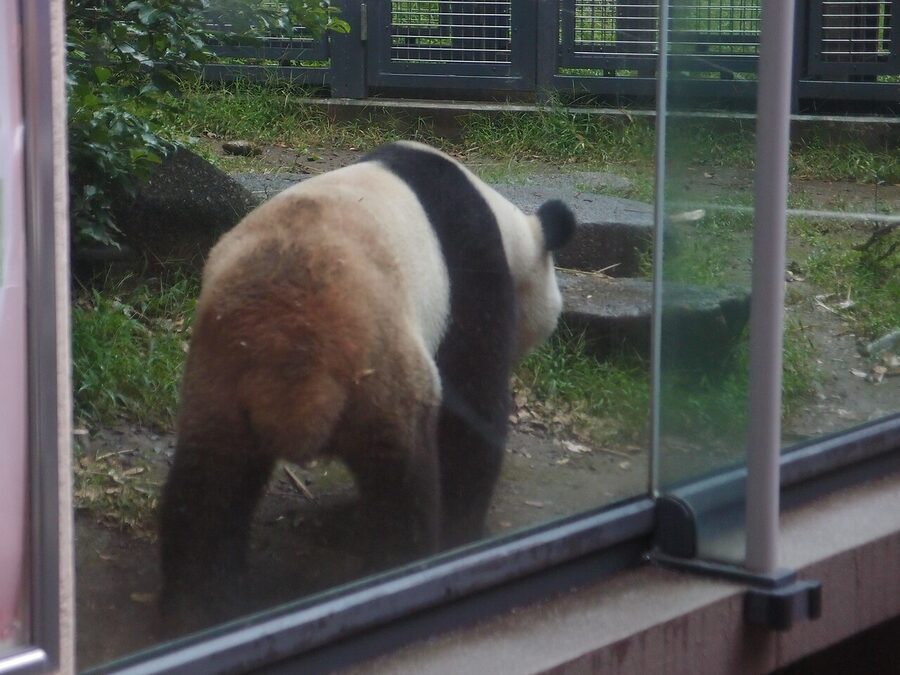
Ueno Zoo (恩賜上野動物園) has been around since 1882 — it’s the oldest zoo in Japan — and the main reason people come is still the pandas. Two giant pandas and (in recent years) their cubs live in a purpose-built enclosure that requires a separate queue to see. The queue moves, but it’s a real queue. Go first thing if pandas are your priority.
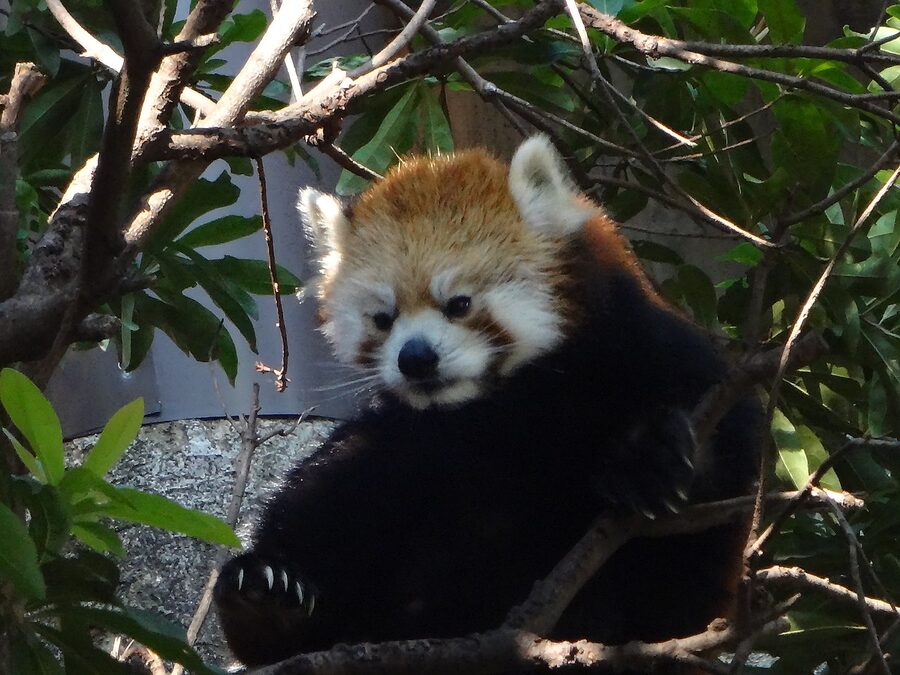
Entry is ¥600 for adults, free for children under 12 and seniors. The zoo is split into East and West Gardens, connected by a small monorail replacement (the old monorail was retired in 2019). The red pandas, by the way, are easier to see and arguably more charming. Don’t skip them.
Hours: 9:30am–5:00pm, closed Mondays (or Tuesday if Monday’s a holiday). The main entrance is a 5-minute walk from Ueno Station’s Park Exit. Tickets: you can book tickets on Klook to skip the ticket booth line (you still queue for pandas).
3. Spend a morning at the Tokyo National Museum
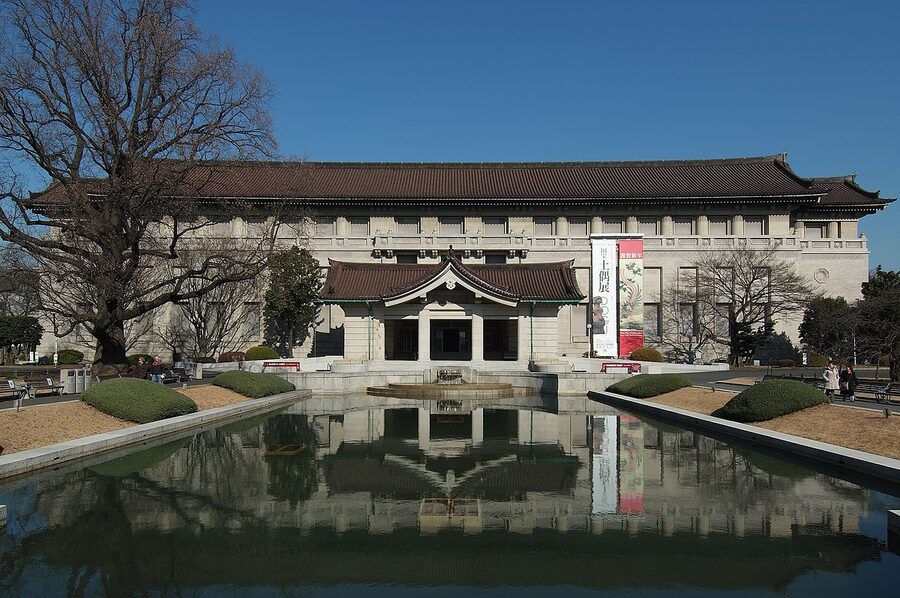
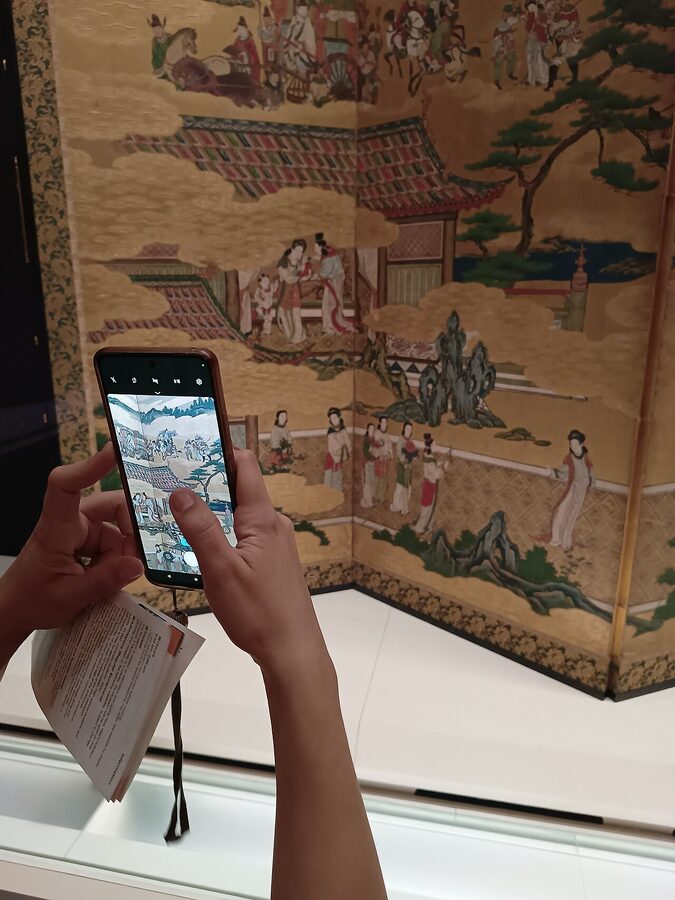
If you do one museum in Tokyo, make it this one. The Tokyo National Museum (東京国立博物館, TNM) is the country’s oldest and largest museum, with over 110,000 objects in its collection — roughly 6,000 on display at any time. It’s the best place in the world to see Japanese art, armour, ceramics, calligraphy, and Buddhist sculpture under one roof.
You’ll want at least two hours here; we usually give it three. The main Honkan building handles Japanese art chronologically, which is a good frame if you’re new to all this. The Toyokan next door covers the rest of Asia. There’s a separate Heiseikan used for rotating special exhibitions — these often cost extra but tend to be excellent.
Entry: ¥1,000 regular admission (special exhibitions extra, usually ¥1,500–¥2,500). Under-18s free. Free on International Museum Day (May 18) and Culture Day (Nov 3). Hours: 9:30am–5:00pm, closed Mondays. Official site.
4. Nerd out at the National Museum of Nature and Science
The National Museum of Nature and Science (国立科学博物館) is the one with the life-size blue whale out front. Inside: dinosaurs, a giant pendulum, a full working-class Japanese kitchen from the 1930s, meteorites, stuffed everything, and a 360-degree theatre that’s worth the extra ¥300 if you’ve got kids with you.
It’s the museum to pick if you’ve got no patience for 17th-century tea bowls and lots of patience for dinosaur skeletons. It’s also where Tokyo schoolkids go on field trips, so weekday afternoons can get loud. Mornings are calmer.
Entry: ¥630 regular, under-18s free. Hours: 9:00am–5:00pm (to 8pm on Fridays and Saturdays), closed Mondays. Official site.
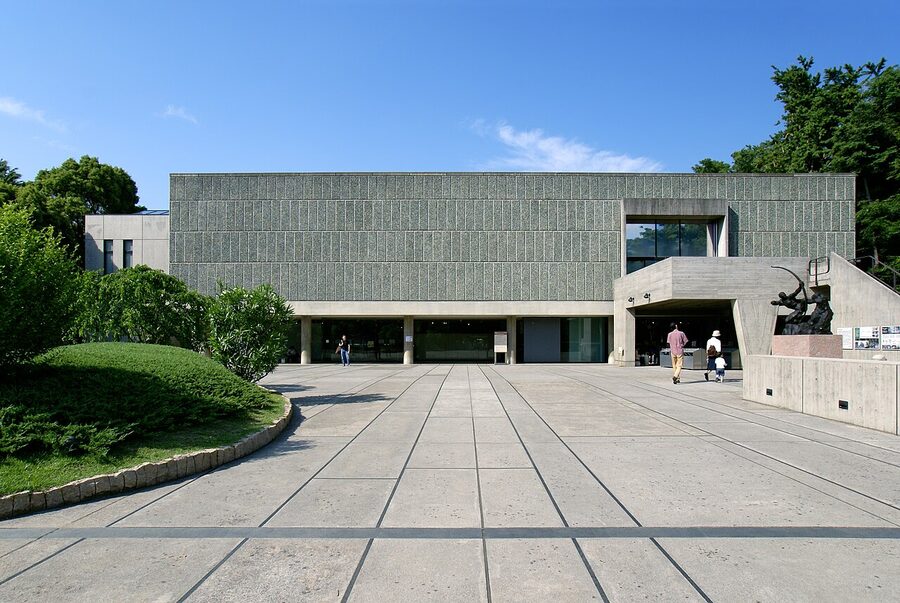
5. See Le Corbusier’s National Museum of Western Art
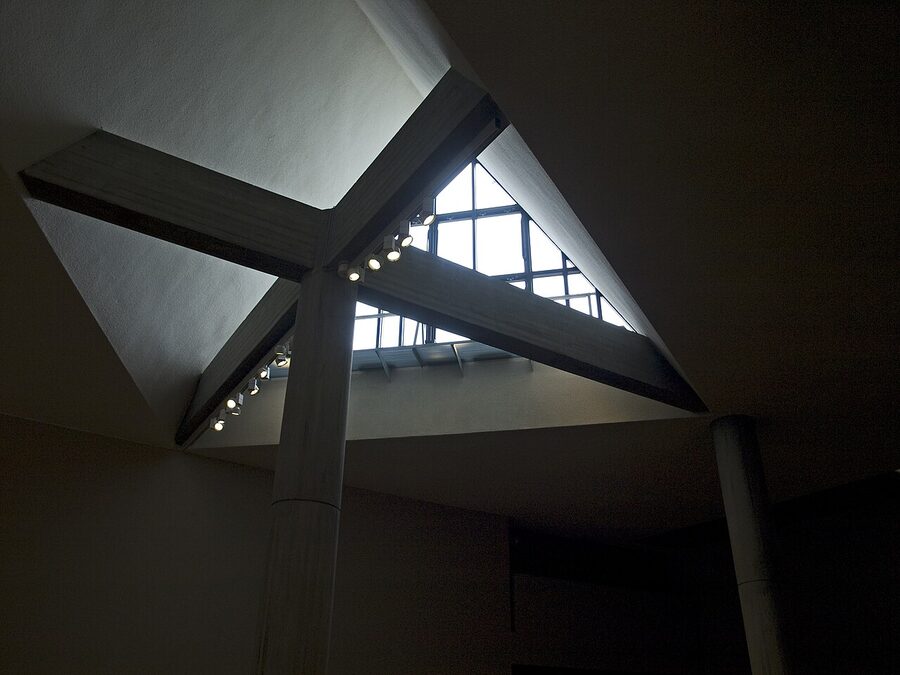
The National Museum of Western Art (国立西洋美術館) is the museum most visitors walk past to get to TNM. Don’t. Two reasons: the building is a UNESCO World Heritage site (one of 17 Le Corbusier works listed), and the collection — Rodin, Monet, Picasso, Manet, Van Gogh — is very good for what is essentially a single-gallery visit. The Rodin bronzes in the forecourt are free to see.
If you’re museum’d out from TNM across the plaza, this one is a quick 45-minute hit rather than a half-day commitment. Which is useful.
Entry: ¥500 permanent collection, special exhibitions extra. Under-18s and over-65s free on permanent. Free admission on the second and fourth Saturdays of the month (arrive early). Hours: 9:30am–5:30pm (to 8pm on Fridays and Saturdays), closed Mondays. Official site.
6. Check what’s on at the Ueno Royal Museum
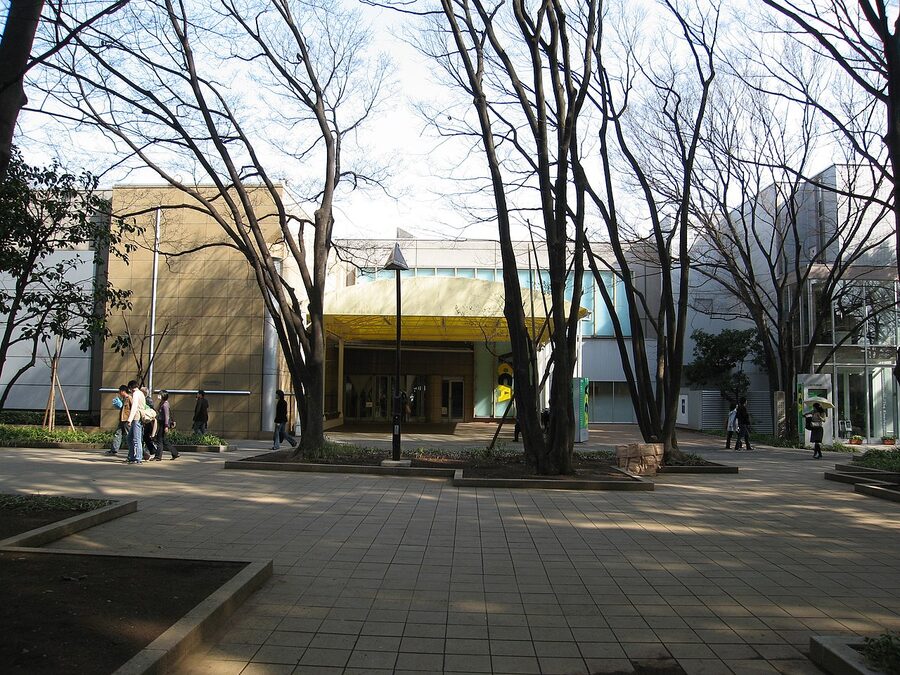
The Ueno Royal Museum (上野の森美術館) is a private art museum tucked between the Saigo statue and the science museum. It doesn’t have a permanent collection — it runs a rolling programme of special exhibitions, often photography, contemporary Japanese art, or international touring shows. Sometimes it’s brilliant. Sometimes it’s a school group’s art show. Check before you go.
It’s small (one building, two floors) and a fast 30-minute visit. The gift shop is better than average if you want an art-themed souvenir that isn’t tacky.
Entry: varies by exhibition, typically ¥1,200–¥1,800. Hours: 10am–5pm. Official site (check current show).
7. Walk around Shinobazu Pond
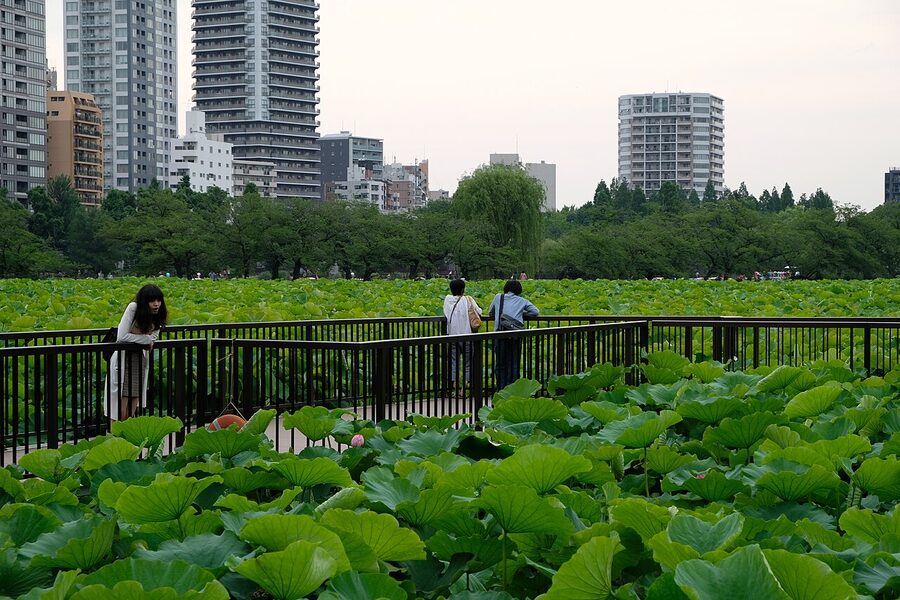
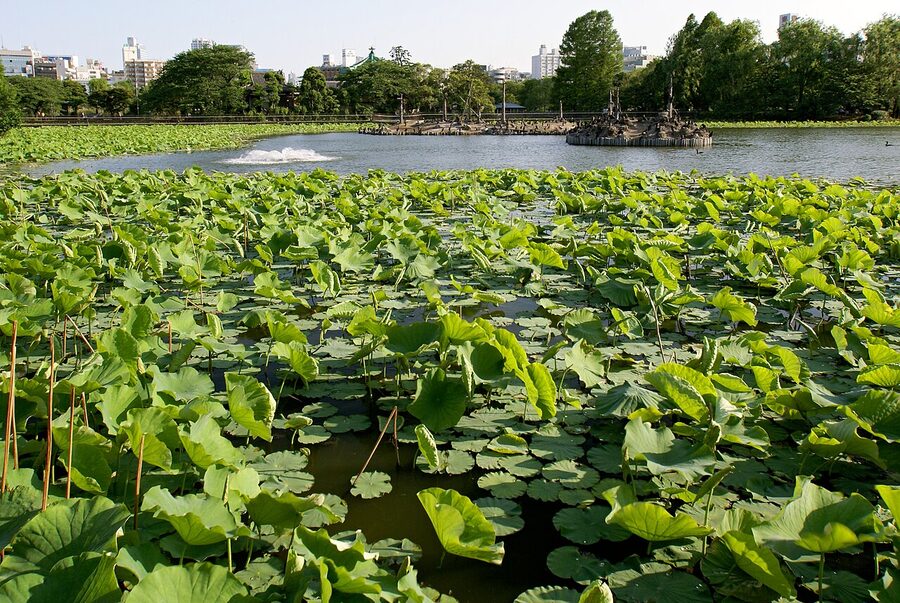
Shinobazu Pond (不忍池) is Ueno Park’s south-west lobe — a 40-acre freshwater pond split into three sections (boat pond, lotus pond, cormorant pond inside the zoo). In summer it’s covered in lotus flowers so thick you can’t see water. In winter it’s a migratory bird haul-out spot and gets weirdly quiet. Both versions are great.
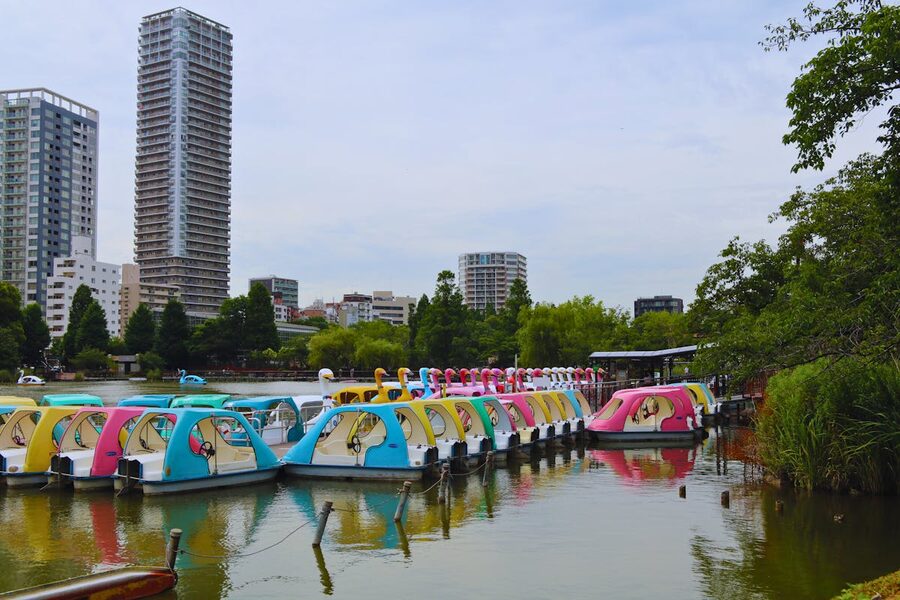
You can rent a swan boat at the boat pond for ¥700 for 30 minutes (rowboat ¥500). Touristy, yes. But an easy low-cost date activity and one of the better views of the Tokyo skyline behind the Bentendo temple.
The full perimeter walk is about 2km and takes 30 minutes at a normal pace. Entry is free.
8. Stop at Bentendo Temple on the pond’s island
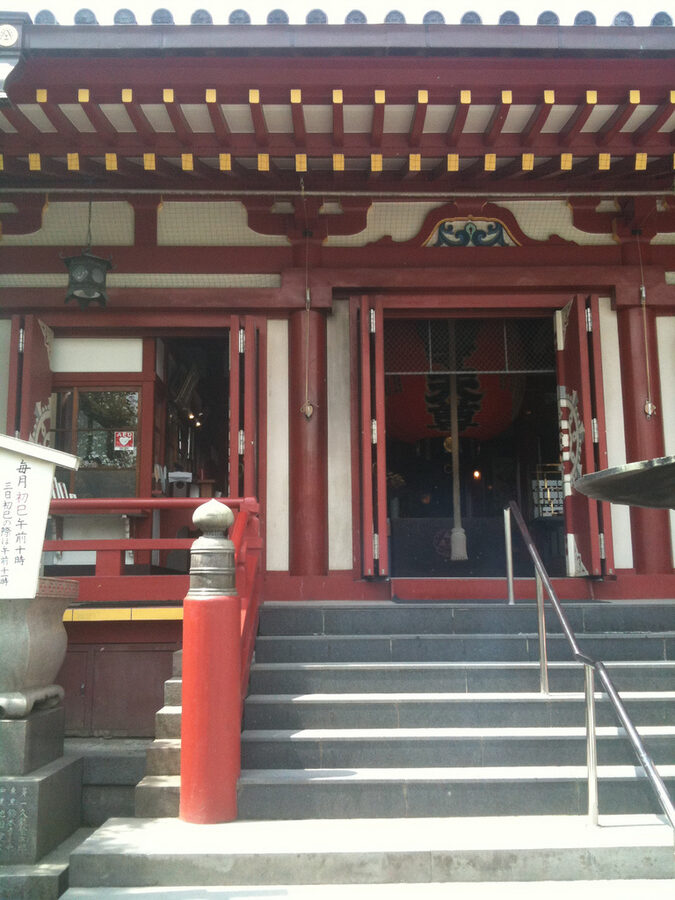
Shinobazu’s island holds Bentendo (不忍池辯天堂), a small hexagonal temple dedicated to Benzaiten — goddess of music, arts, wisdom, and (useful for Tokyo) water. The walk across the causeway from the north shore takes five minutes and the temple itself takes another five. It’s one of those Tokyo moments where you’re in the middle of the city but surrounded by water and lotus.
It’s always free and always open in daylight hours. No entry fee. There’s an ice-cream stand at the southern end of the causeway which is a small miracle in summer.
9. Find Kiyomizu Kannon-do — Ueno’s mini Kyoto
Here’s a Tokyo trivia win: there’s a mini version of Kyoto’s famous Kiyomizu-dera right here in Ueno Park, and almost no one knows. Kiyomizu Kannon-do (清水観音堂) was built in 1631 as a deliberate recreation of the Kyoto original. It’s a National Important Cultural Property and one of very few pre-Edo buildings to survive in central Tokyo. You can walk out onto its ‘stage’ — a small wooden platform overlooking the park.
It’s east of Shinobazu Pond, a steep staircase up from the pond level. Free entry. Easy 10-minute visit.
The famous round-shaped pine tree in front of the stage frames Bentendo behind it — the original intention was to mirror Kiyomizu-dera’s view of a distant pagoda. If you’re not going to Kyoto, this is a decent substitute. If you are, still stop here — the two don’t cancel out.
10. Walk up to Ueno Tōshō-gū
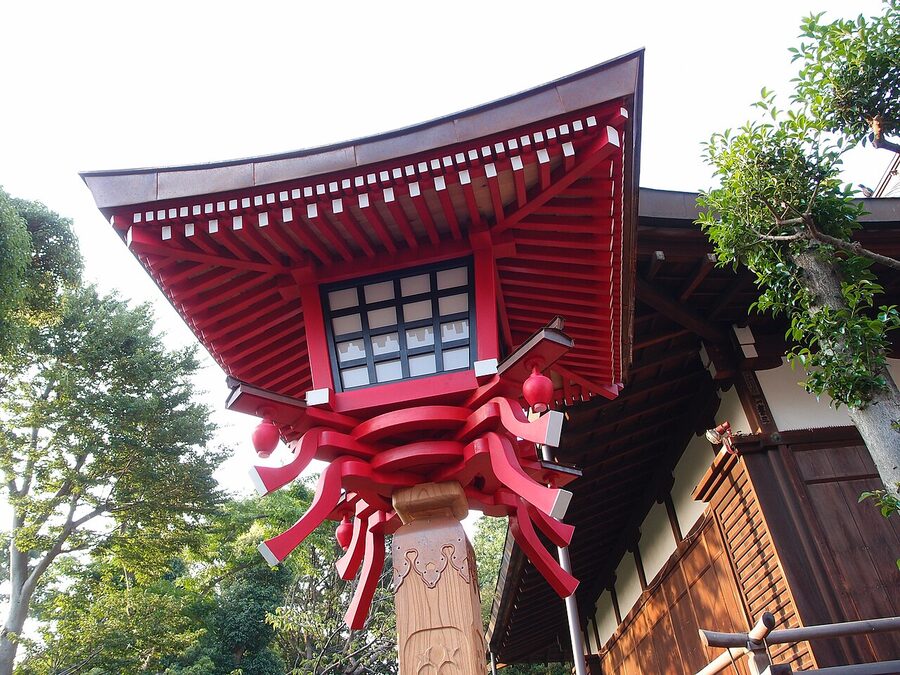
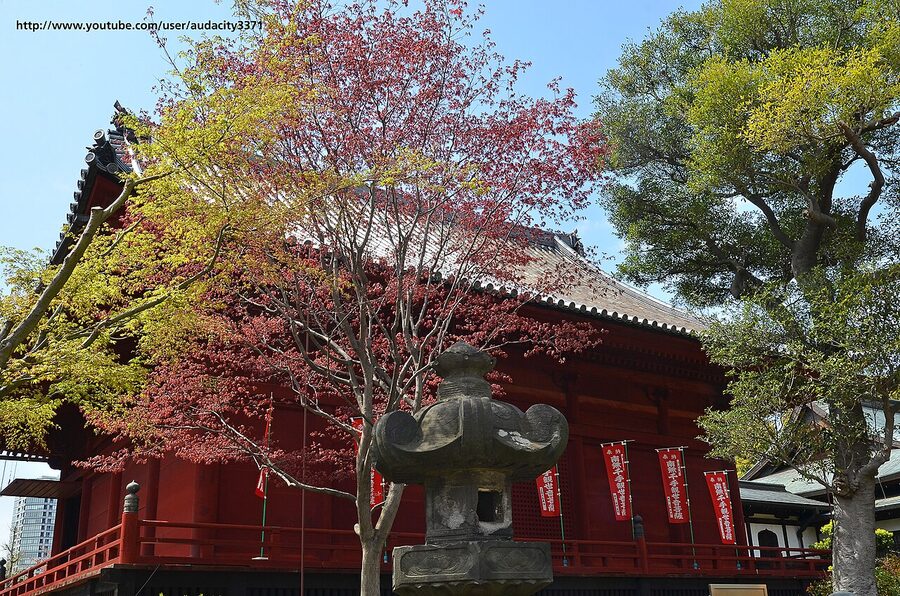
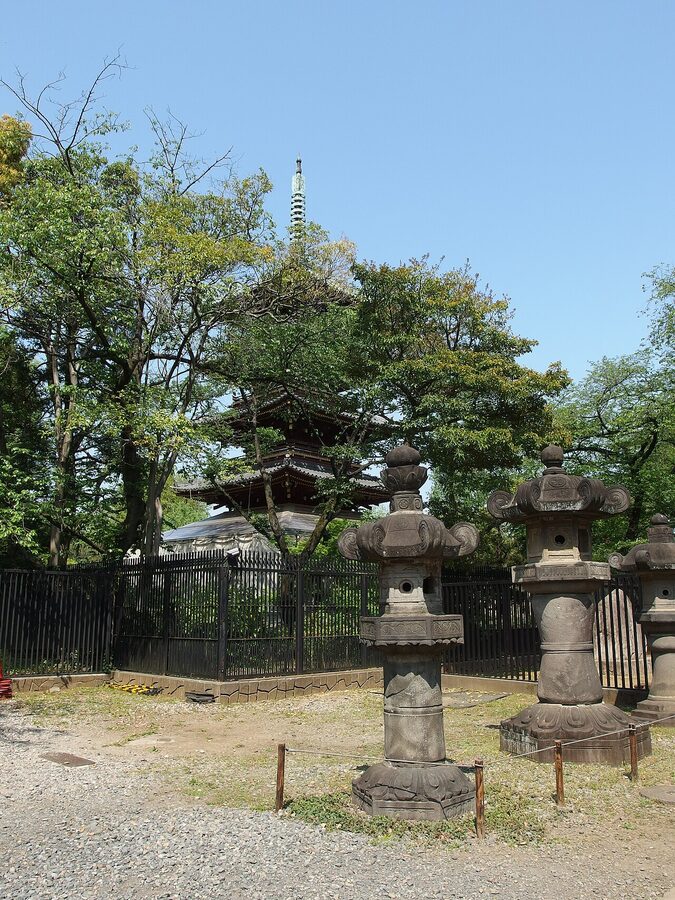
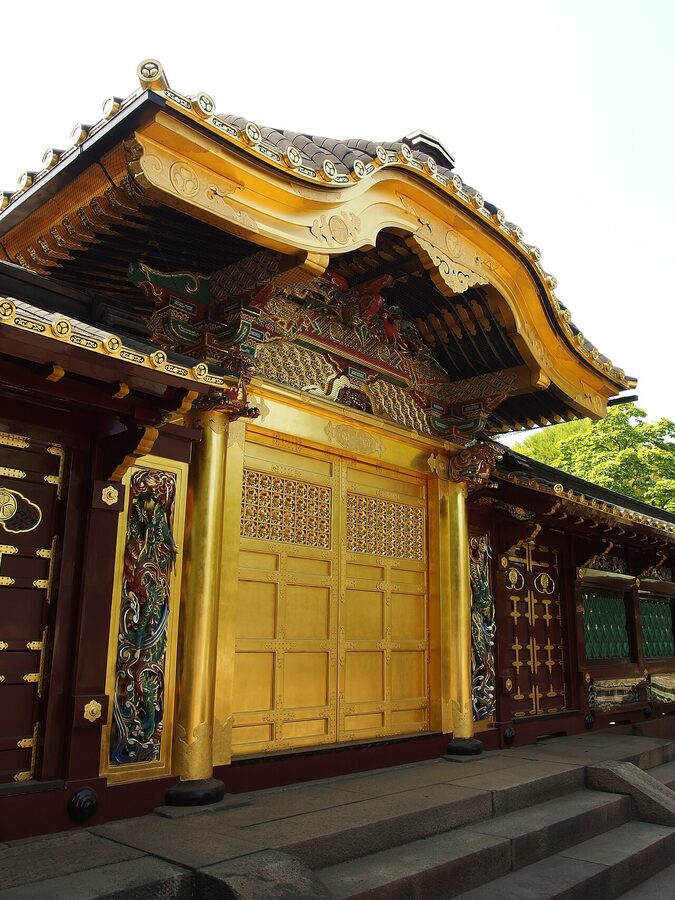
Ueno Tōshō-gū (上野東照宮) is the Tokyo branch-shrine of Nikko’s famous Toshogu — both dedicated to Tokugawa Ieyasu, the first shogun. This one dates from 1627 and is gold-leaf decorated in a way that feels almost incongruous in understated Tokyo. It survived the 1868 Battle of Ueno, the 1923 earthquake, and WWII bombing essentially untouched — one of very few Edo-period structures you can see in Tokyo today.
The shrine itself costs ¥500 to enter the inner precinct where you can see the gold-leaf details up close. The outer approach, stone lantern path, and front gate are all free. The peony garden (botan-en) next door is only open during peony season (mid-April to mid-May and winter); ¥1,000 to enter. Worth it if you’re around.
Hours: 9am–4:30pm (shorter in winter). On the north-west side of Ueno Park. Maps and signage are surprisingly clear.
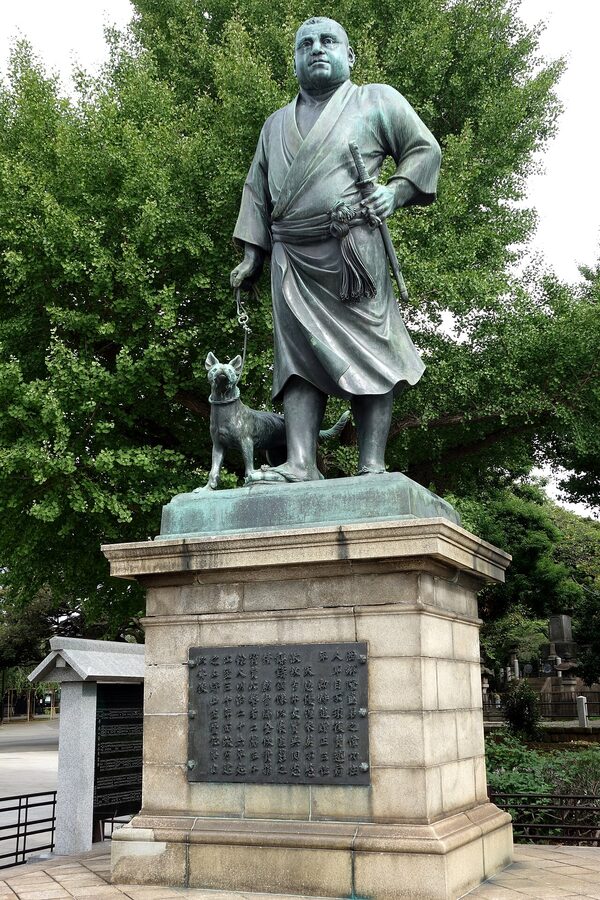
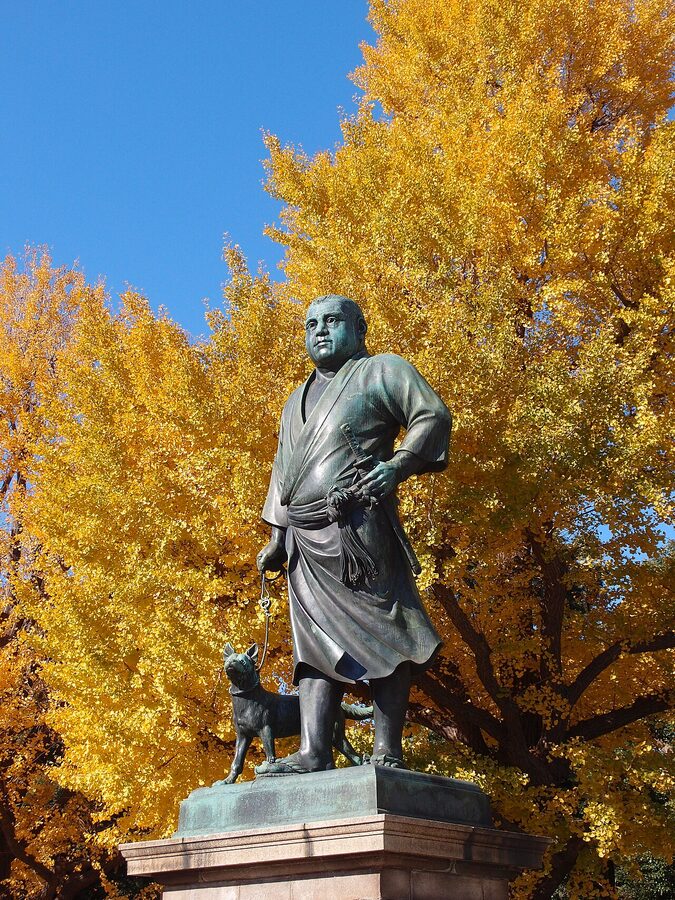
11. Find the Saigo Takamori statue (yes, with his dog)
At the south end of Ueno Park, just up from the Shinobazu Exit escalator, stands a bronze statue of Saigō Takamori — the samurai who led the last great rebellion against the Meiji government he’d helped create. He’s shown in a yukata with his Satsuma dog, Tsun. The statue was unveiled in 1898 and is one of Tokyo’s three oldest public monuments.
It’s free, quick (two-minute stop), and doubles as a useful meeting point — ‘meet me at Saigo’s dog’ works as well as any station pillar. It’s also one of the best places in the park to look south over the Ameyoko rooftops toward Akihabara.
12. Catch cherry blossom season (late March – early April)
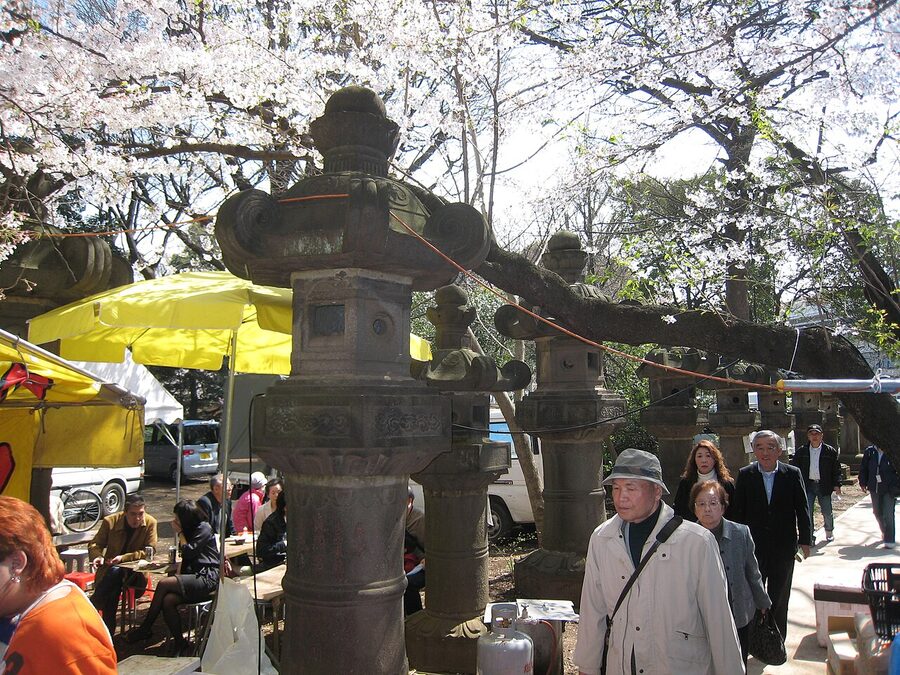
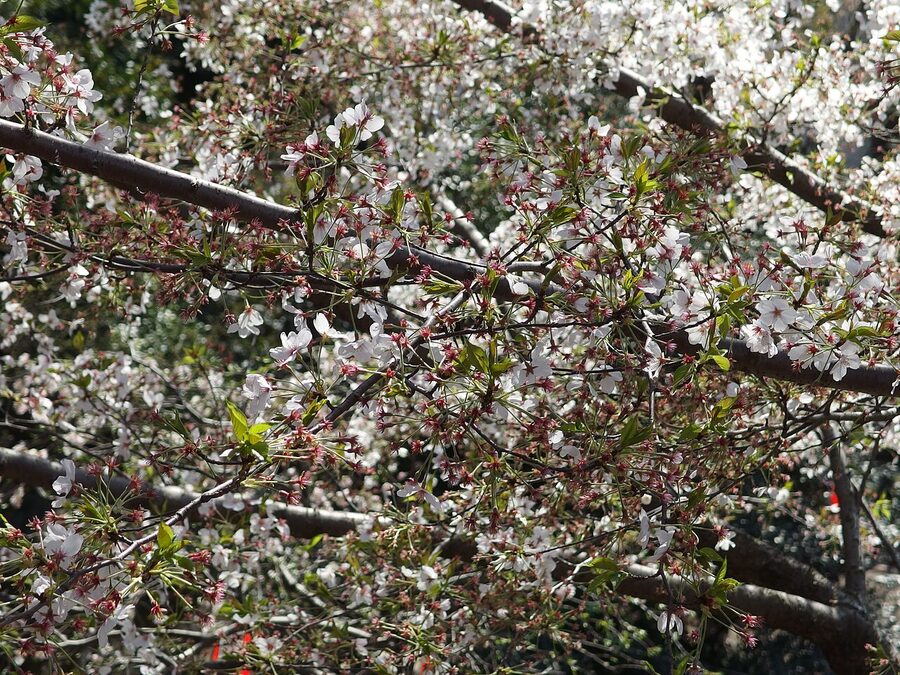
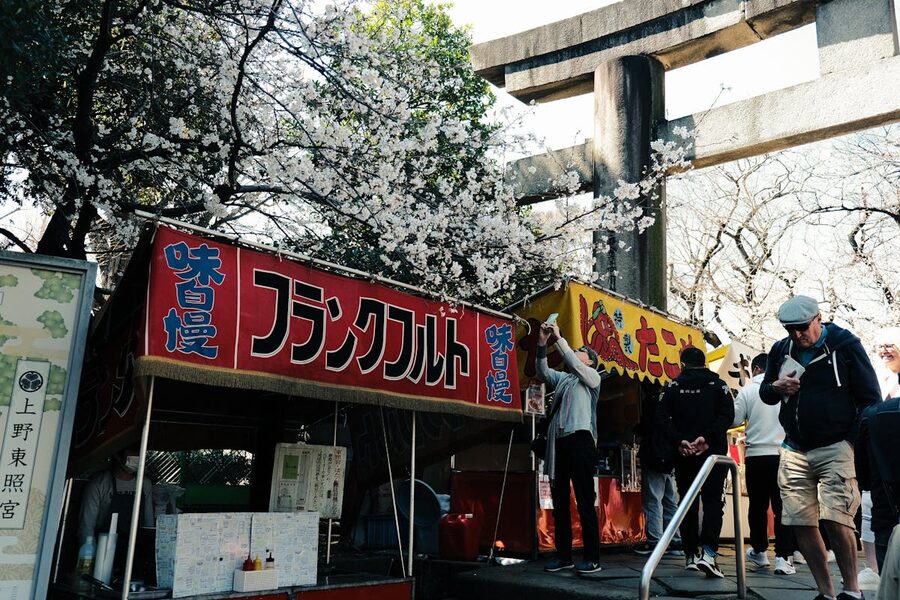
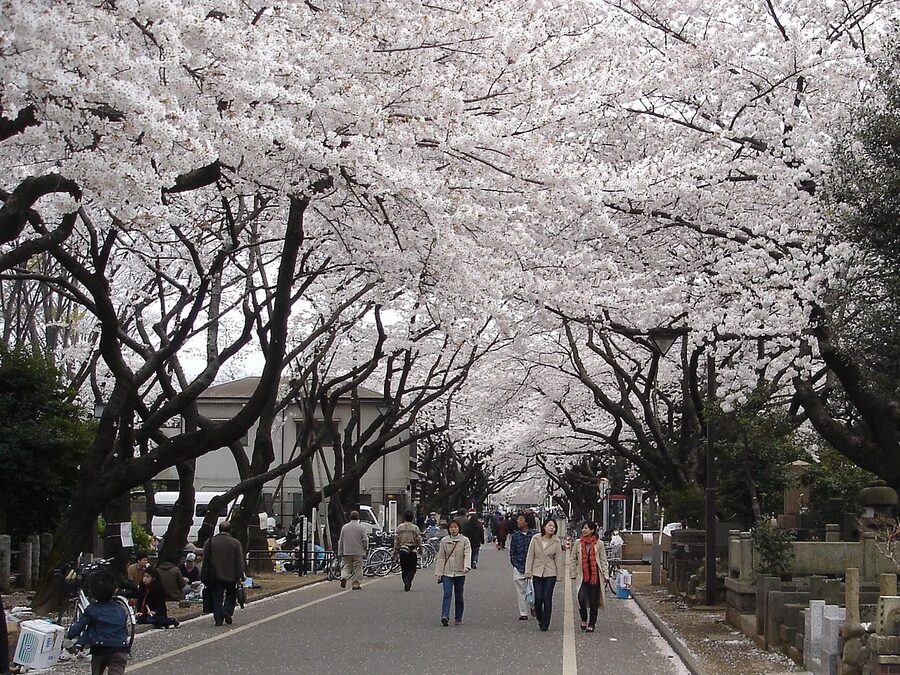
Ueno Park is the most famous hanami (花見, cherry-blossom viewing) spot in Tokyo. Over 1,000 cherry trees line the main avenue, and during the week of peak bloom — usually late March to the first week of April — the park hosts around three million visitors. It is completely chaotic, in the best way.
If you want a ground-level spot under a tree, arrive by 7am on a weekend and put down your tarp. No, we are not exaggerating. If you just want to walk through the pink canopy and not have a picnic, any time of day works, but evenings with the paper lanterns lit are the real reward. Warm beer, warm sake, warm konbini chicken. Everyone’s on their phones trying to photograph the same branch. It’s great.
The Ueno Park Cherry Blossom Festival runs alongside peak bloom with food stalls lining the paths. For the exact bloom dates (they vary yearly), the Japan Meteorological Corporation publishes forecasts from February onward — and our trip planning guides get updated each year too.
13. Find tiny Gojoten Shrine
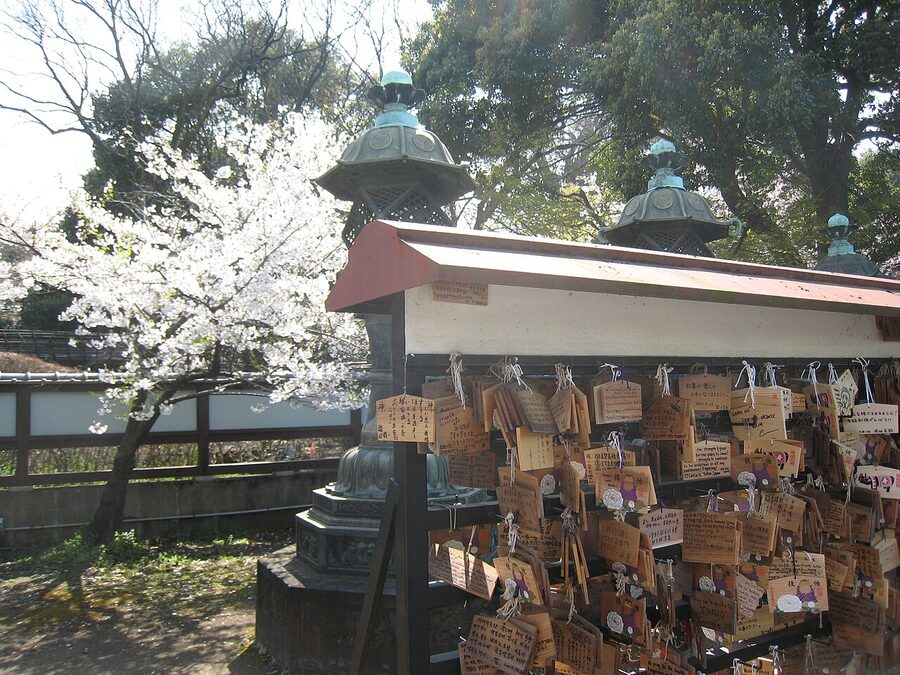
Gojoten Jinja (五條天神社) is the quiet counter-argument to Ueno Park’s big-ticket attractions. It’s a small Shinto shrine tucked in the park’s trees, with a reputation as a healing shrine (the enshrined deity is Sukunabikona-no-Kami, associated with medicine). Locals come to pray for health, especially around New Year.
You’ll walk past it if you’re not looking. The torii is easy to miss between the zoo entrance and Shinobazu. In April, the cherry trees around the shrine are among the park’s prettiest — more intimate than the crowded main avenue. Free, always open.
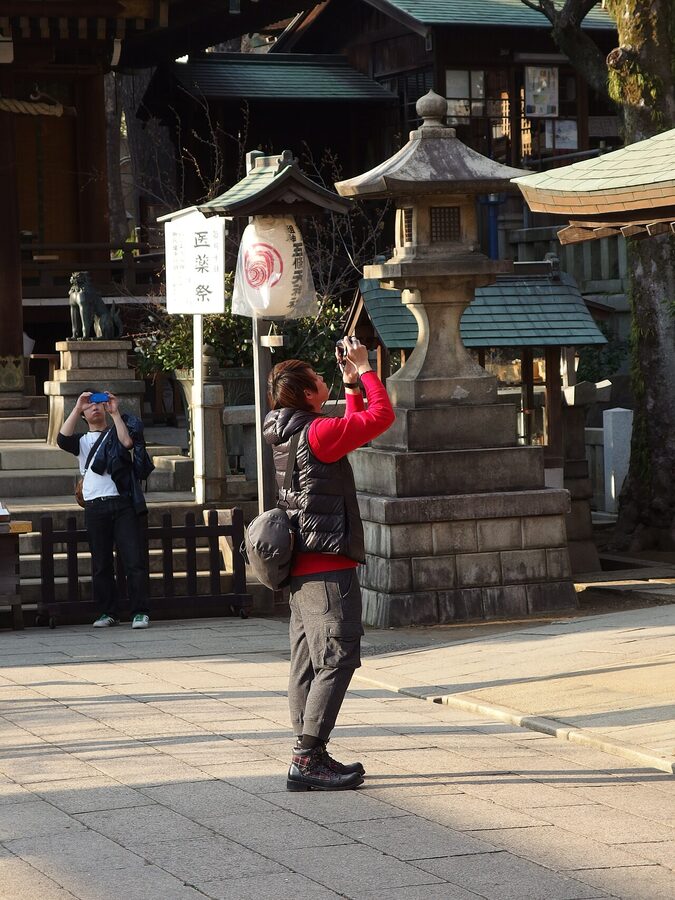
14. Time-travel to Edo-era Tokyo at the Shitamachi Museum
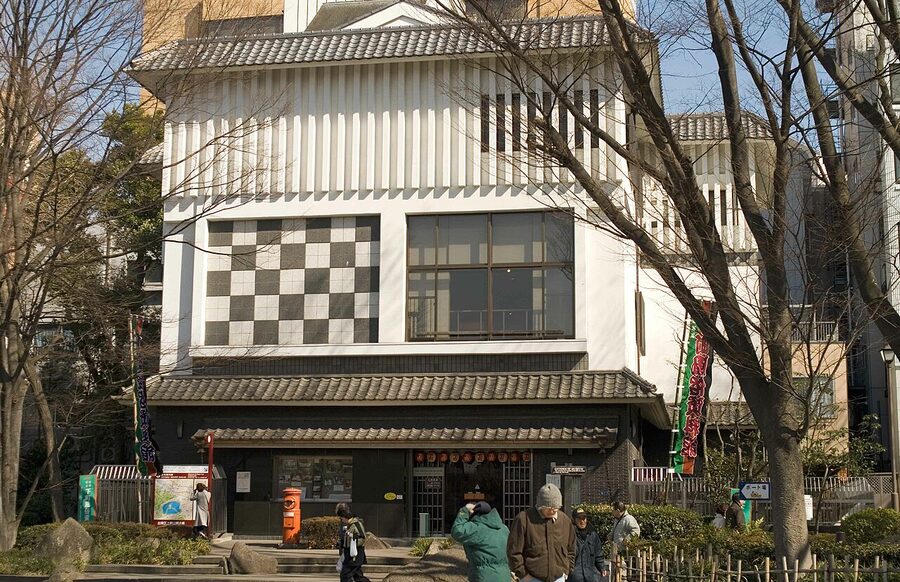
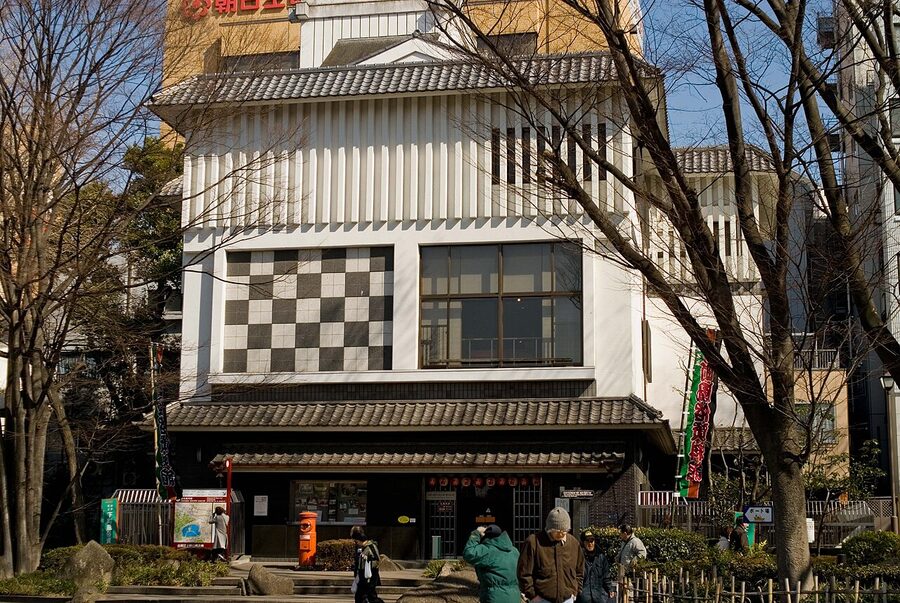
Shitamachi (下町) means ‘low town’ — the old working-class districts of Edo-period Tokyo. The Shitamachi Museum (下町風俗資料館), at Shinobazu’s south end, is a small but genuinely charming reconstruction of a Taisho-era (1920s) neighbourhood: a tenement row, a sweet shop, a coppersmith’s workshop. You can step inside the reconstructed buildings, sit on the tatami, and handle some of the objects.
It’s the closest thing to a time machine we’ve found in Tokyo. An hour is enough. Our vote for the most underrated museum in Ueno — partly because it’s cheap and partly because the staff are delighted that you’re there.
Entry: ¥300 (closed for renovation as of 2026 — check before you walk over). Hours: 9:30am–4:30pm.
15. Visit Kaneiji Temple
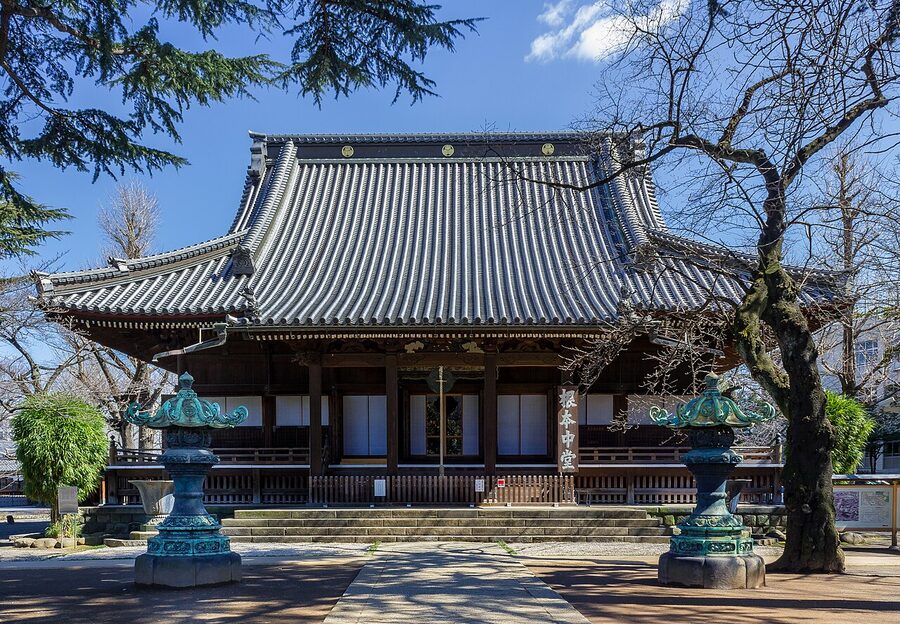
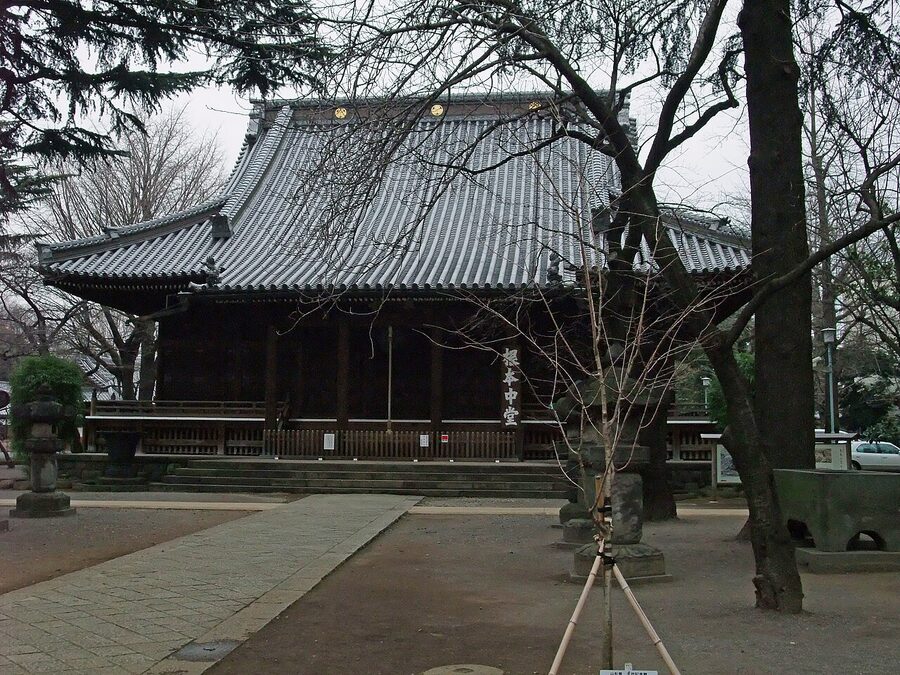
Before Ueno Park existed, this whole site was Kaneiji (寛永寺) — the Tokugawa shogunate’s personal family temple, once one of the two largest temple complexes in Edo. It was almost completely destroyed in the 1868 Battle of Ueno between pro-shogunate and pro-imperial forces. What remains today is a scattered handful of buildings across Ueno Park (including Tōshō-gū above) and the current main hall to the north.
The current main hall (Konpon-Chudō) is a quiet temple that most tourists never see. Six Tokugawa shoguns are buried in the adjacent cemetery, which is closed to the general public but occasionally opens for tours. Just being there and imagining the scale of the original complex is the experience.
Free. A 15-minute walk north of Ueno Station.
16. Eat (and shop) your way down Ameyoko Market
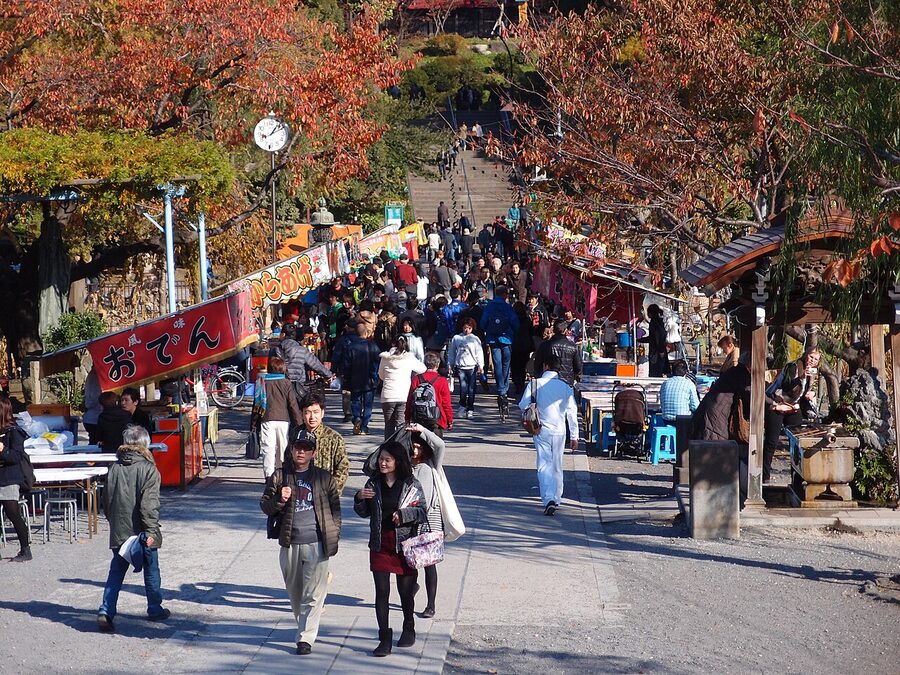
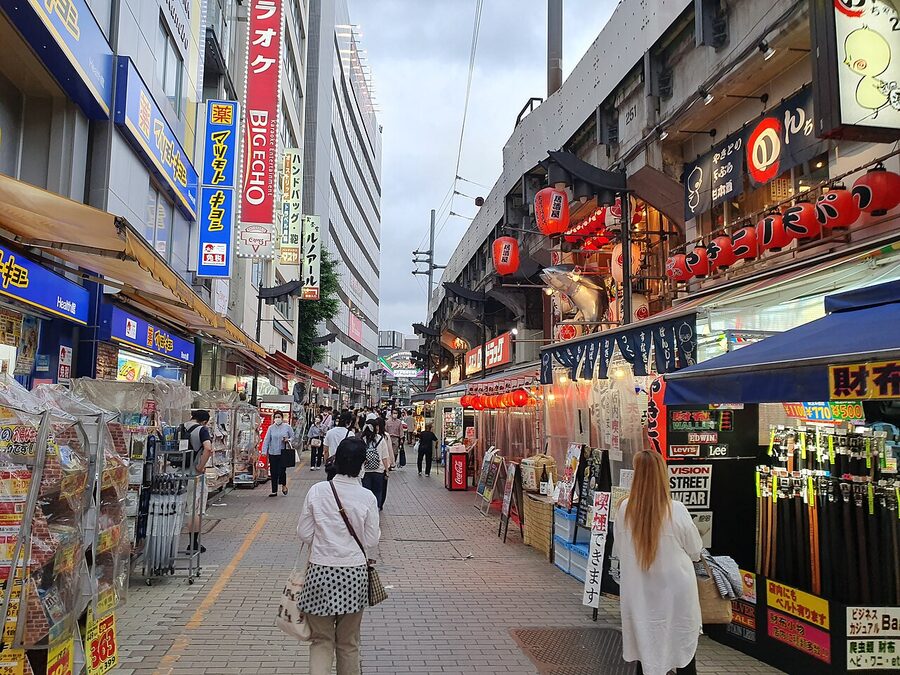
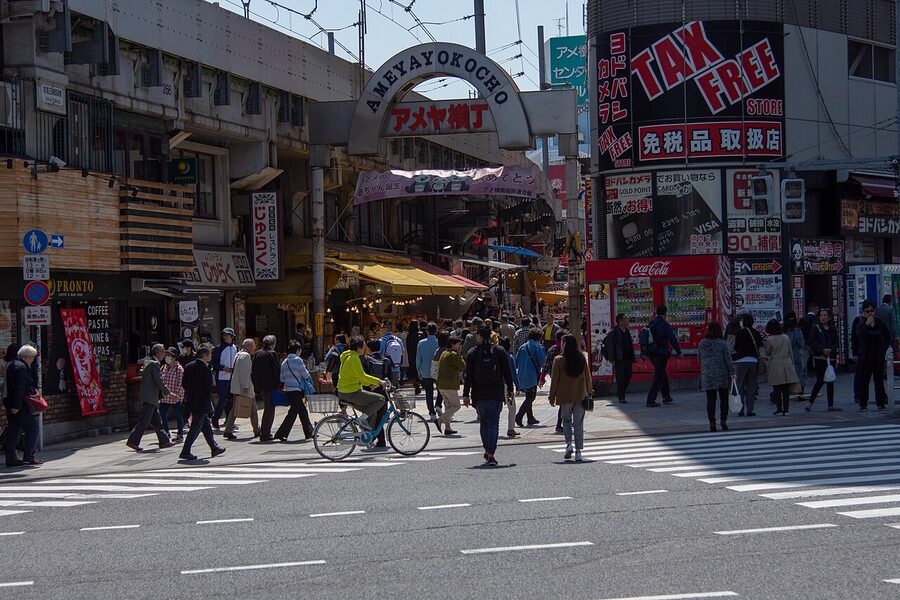
Ameyoko (アメヤ横丁, short for Ameya-Yokochō) is the 400m-long alley of shops and food stalls that runs from Ueno Station south to Okachimachi. It’s the only Tokyo market that still feels like a market — fishmongers shouting prices, dried-squid vendors handing out samples, tourists getting lost, and older salarymen having 3pm beers standing up at tiny bars.
What to buy: fresh seafood (mostly to look at), dried fish and seaweed (good souvenirs that survive the flight home), cheap-ish cosmetics and skincare, counterfeit-looking but actually-just-cheap branded goods, and street food. What to eat: grilled skewers, kakigōri (shaved ice) in summer, and the standing-bar tachinomi spots for cold beer and small plates.
Access: exit Ueno Station’s Hirokoji Exit, or walk up from Okachimachi Station (Hibiya or Oedo line). Hours: roughly 10am–8pm daily; busiest late afternoon. Cash helps, though most vendors now take IC cards and QR.
17. Wander Okachimachi for jewellery and old standing bars
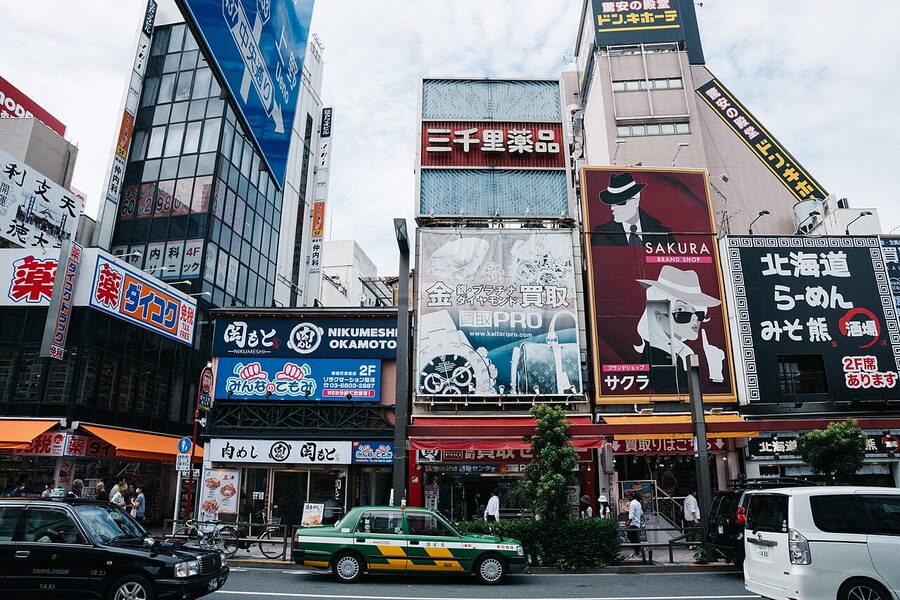
Ameyoko ends at Okachimachi (御徒町) — one stop south on the Yamanote line, or a 5-minute walk through the market. Okachimachi is Tokyo’s wholesale jewellery and diamond district (most of Japan’s jewellery quietly passes through here), and it’s also one of our favourite streets for old-school Showa-era tachinomi (standing bars) — the kind with ¥300 highballs and regulars who’ve been coming to the same stool since 1985.
During the day it’s functional and unglamorous. After 5pm it comes alive. You don’t really ‘do’ Okachimachi as a stop — you end up here and find something to eat. That’s the point.
18. Shop 2k540 Aki-Oka Artisan under the train tracks
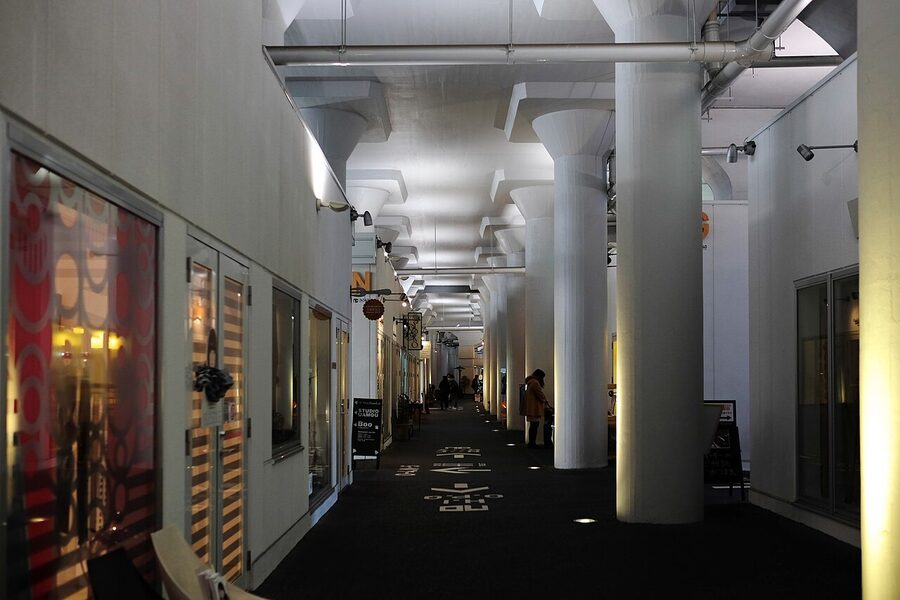
Between Okachimachi and Akihabara, tucked into the arches directly under the JR Yamanote tracks, sits 2k540 Aki-Oka Artisan — a purpose-built strip of roughly 50 small studios selling hand-made Japanese crafts: leather goods, stationery, ceramics, jewellery, woodwork. The name ‘2k540’ refers to the track distance from Tokyo Station (2 km and 540 metres).
It’s the opposite of Ameyoko’s chaos. Quiet, deliberate, and almost everything on sale is made by the person behind the counter. Prices are higher than a souvenir shop but the quality is there. A good rainy-afternoon Ueno option.
Hours: most shops 11am–7pm, closed Wednesdays. Access: 6-minute walk south of Okachimachi Station.
19. Actually look at Ueno Station
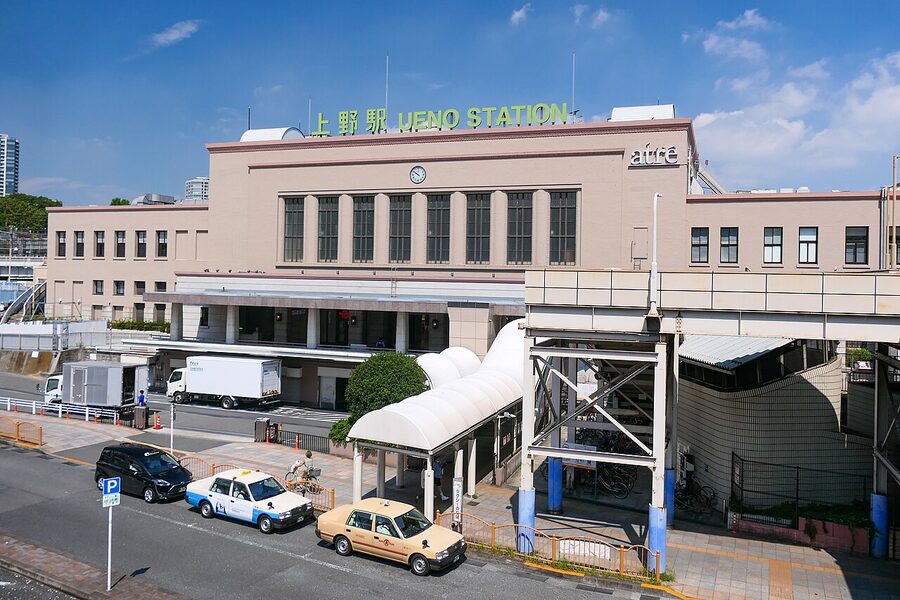
You’ll pass through Ueno Station (上野駅) multiple times in a Tokyo trip. Look up at it once. The main (west) station building dates from 1932 and is one of Tokyo’s few pre-war station buildings still in use — the vaulted central hall is an art-deco gem, especially in morning light coming through the roof glass.
The station also has an underground mall (Echika) that’s good for a quick meal, plus a basement grocery (Okashi Land) that’s a tourist candy shop done right. If you’re catching the Shinkansen north to Sendai, Aomori, or Hokkaido — Ueno is your station, not Tokyo Station.
For Narita airport, Keisei Ueno station is 5 minutes’ walk south, with the Skyliner direct to Narita in 41 minutes. See our Getting Around Tokyo guides for the full rundown.
20. Get lost in Yanaka
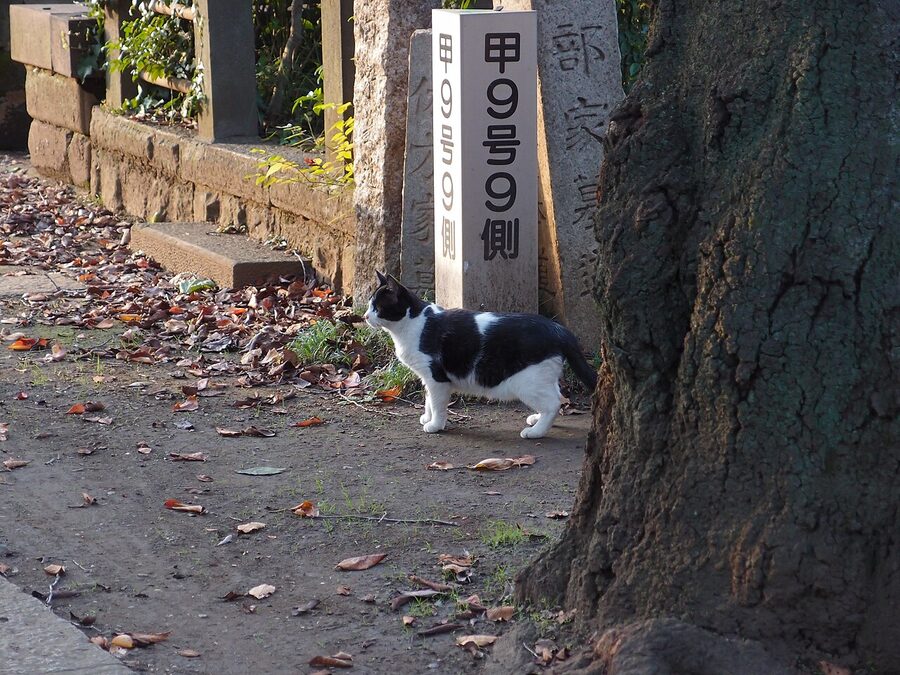
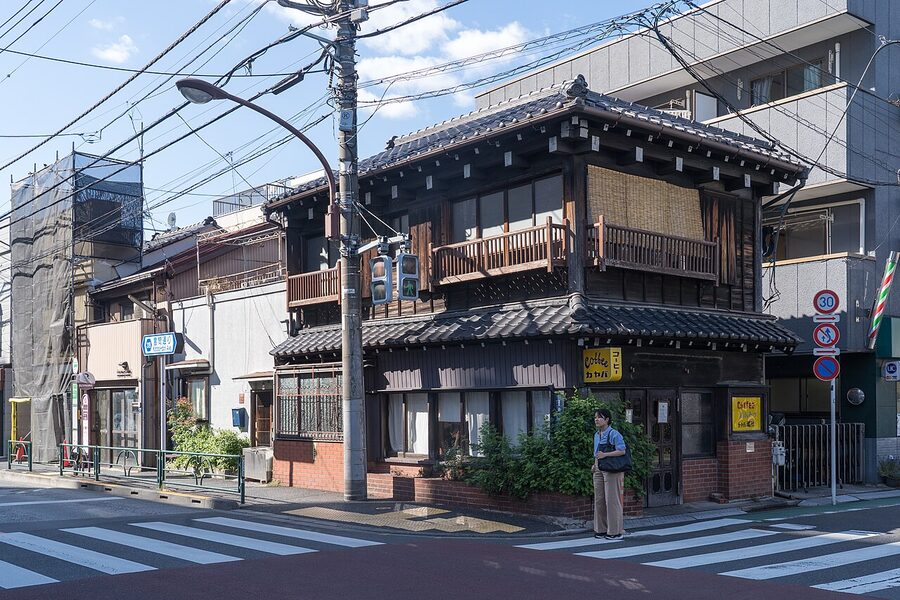
Yanaka (谷中) is what everyone hopes Tokyo secretly still is. It’s a sleepy residential neighbourhood 15 minutes’ walk north-west of Ueno Park, most of which somehow survived WWII firebombing (which flattened most of central Tokyo) and never got redeveloped. Wooden houses, single-storey shops, cats on walls, old temples, and a cemetery full of cherry trees. We love it here.
There’s no one single sight — the whole neighbourhood is the attraction. Walking routes: from Nippori Station (one stop north of Ueno on the Yamanote), head west into the Yanaka area. Or from Ueno Park’s north side, walk directly up through Kaneiji. Allow two hours minimum, three if you stop for coffee (which you will).
Weekends are busier (domestic tourists mostly). Weekday mornings are the ideal time — empty streets, cats out in the sun.
21. Shop Yanaka Ginza
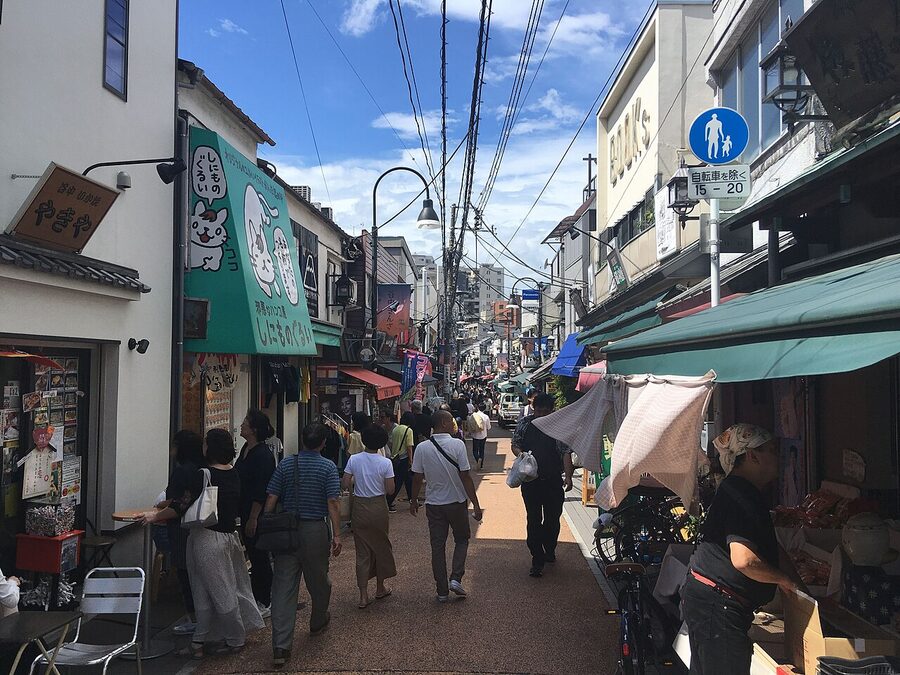
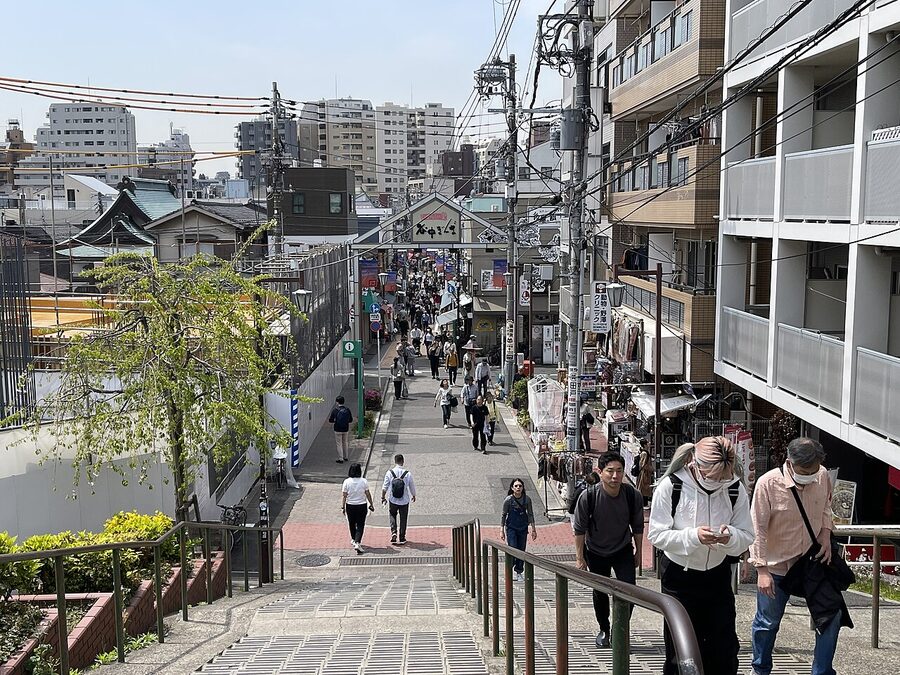
Yanaka Ginza (谷中銀座) is the 170-metre shopping street at the heart of Yanaka — around 60 small independent shops and food stalls selling vegetables, grilled skewers, croquettes, wagashi sweets, cheap clothing, and tourist-y cat-themed everything (Yanaka is famous for its cat population, and the local businesses lean in). It’s cash-heavy, weekend-busy, and charming.
What to eat as you walk: menchi-katsu (¥200–¥300 breaded pork cutlet), yakitori skewers, hot croquettes, soft-serve ice cream. What to buy: the sake crackers from Takane Senbei are excellent. The Dagashi-ya penny-sweet shops are catnip for children and adults who were children.
Access: 5-minute walk from Nippori Station (west exit). The famous ‘Yuyake Dandan’ (夕焼けだんだん, sunset steps) at the east end is a Tokyo photo cliché for a reason — go at actual sunset.
22. Have a coffee at Ueno Sakuragi Atari
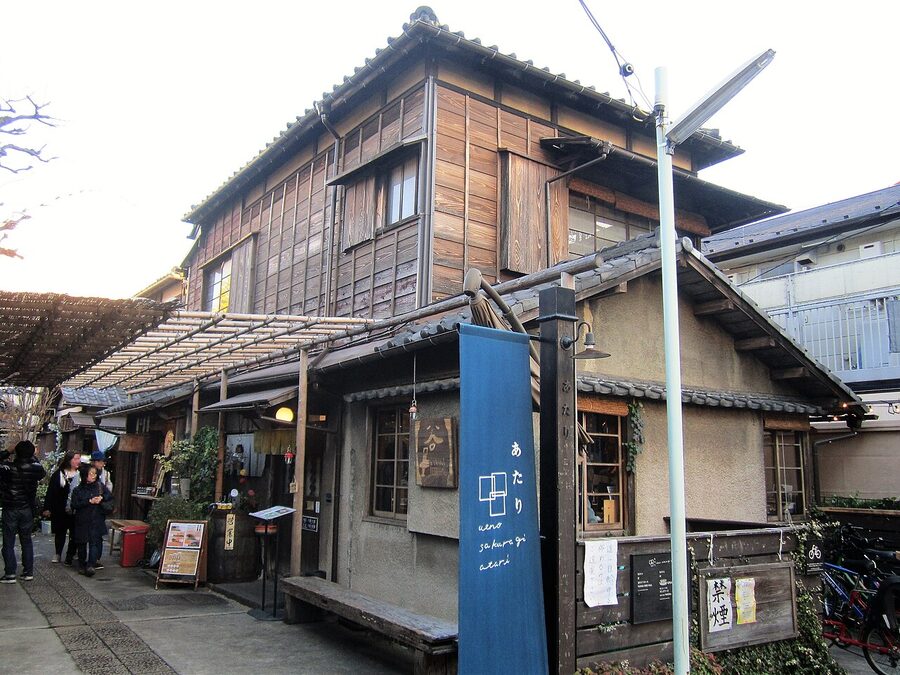
Between Ueno Park and Yanaka sits Ueno Sakuragi Atari (上野桜木あたり) — three connected 1930s wooden houses that were renovated in 2015 into a tiny complex of specialty shops: a bakery, a beer hall, a salt shop, an olive oil shop, a café. It’s tiny, it’s instagram-bait, and it’s also genuinely lovely.
Our favourite stop: the beer hall (Yanaka Beer Hall) does local craft beer in the restored tatami room. The bakery (Vaner) does very good sourdough, sold out by 2pm most days. Free to wander in and look around even without buying anything.
Access: 10-minute walk north of Ueno Park, or 8 minutes from Nippori Station. Hours: most shops 11am–7pm; specific hours vary. Closed Tuesdays.
23. Shop Kappabashi for plastic food and real knives
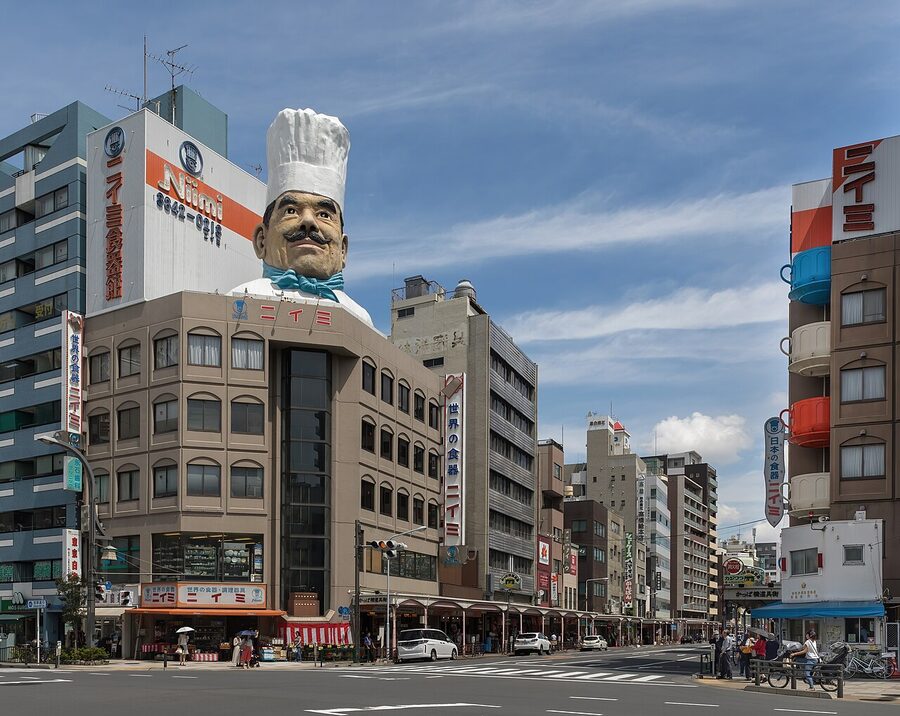
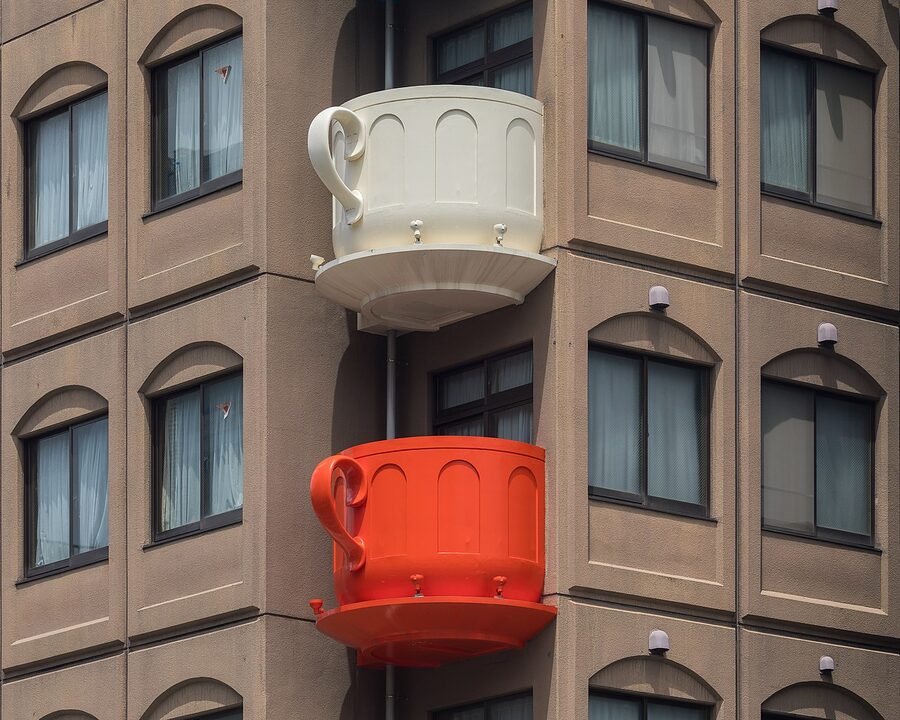
Kappabashi (合羽橋) — also called Kappabashi Dougu Street (合羽橋道具街) — is the 800m-long restaurant-supply street that runs north-south between Ueno and Asakusa. This is where every restaurant in Tokyo buys its knives, crockery, uniforms, menu books, and — the tourist highlight — plastic food samples. Those glorious, wildly expensive, lovingly crafted plates of fake ramen and plastic beer foam you see in restaurant windows: they come from here.
Budget at least 90 minutes if you love kitchen shopping. A good Japanese kitchen knife (hocho) starts around ¥8,000 for something decent and climbs from there; plastic food samples run ¥1,000–¥5,000 for a small item, more for elaborate pieces. Knives are a great souvenir that will last 30 years. Plastic sushi is a fun Instagram shot and a questionable long-term purchase.
Access: closer to Tawaramachi Station (Ginza line) than Ueno Station, about a 10-minute walk from either. Most shops open 10am–5:30pm, closed Sundays.
24. Walk the torii tunnel at Nezu Shrine
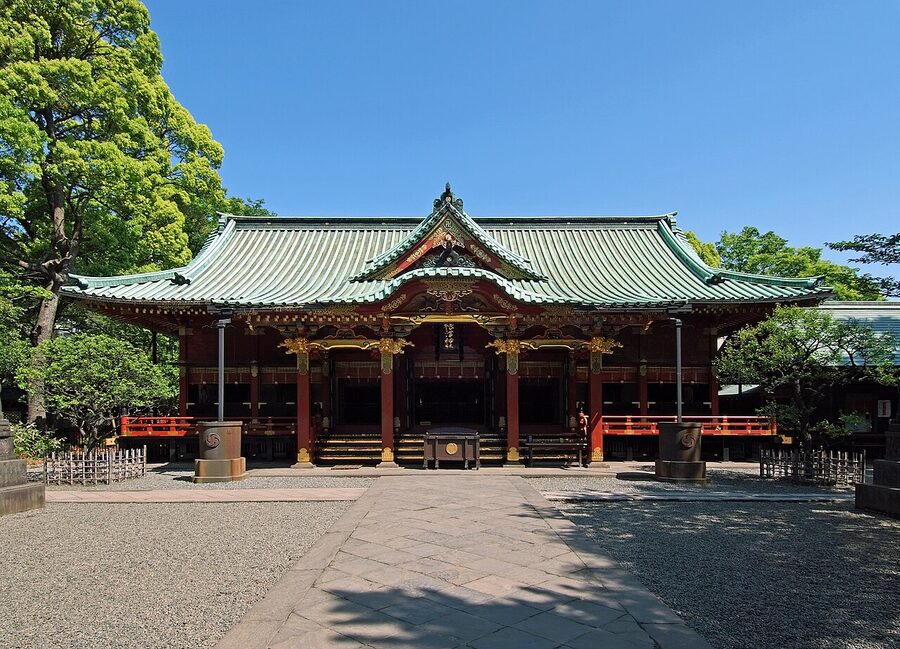
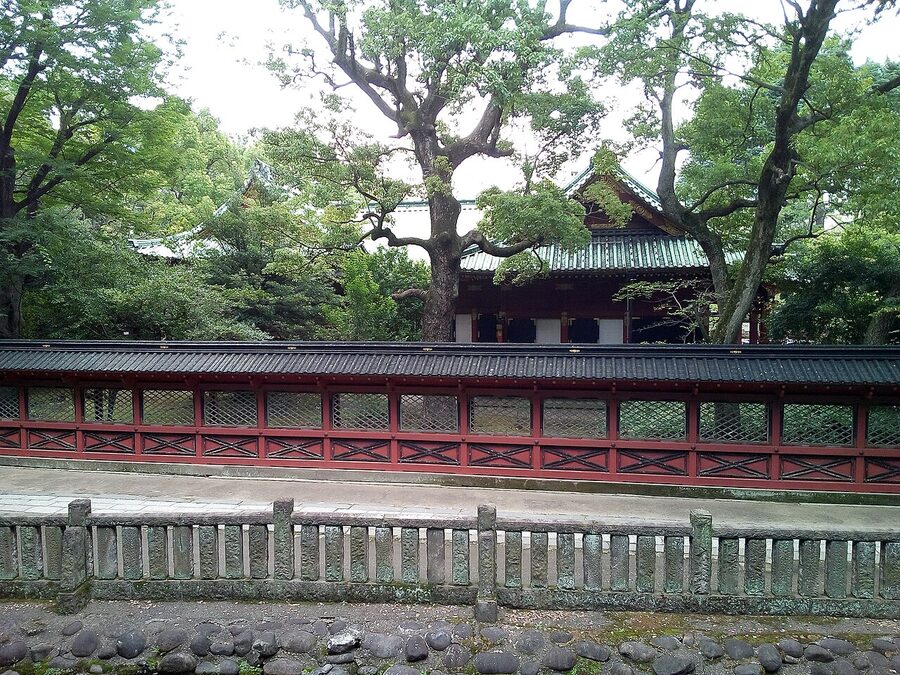
Nezu Shrine (根津神社), about 15 minutes’ walk west of Ueno Park, is one of Tokyo’s oldest shrines (founded roughly 1,900 years ago, rebuilt 1706) and one of the most architecturally complete. The main hall, gate, and surrounding buildings all date from the original Edo-period construction — rare for central Tokyo.
The highlight for most visitors is the Otome Inari Jinja sub-shrine inside the grounds: a corridor of bright red torii gates on a hillside, smaller than Fushimi Inari’s famous Kyoto version but far less crowded. You can actually photograph it without waiting 40 minutes.
The shrine is also the site of the Nezu Tsutsuji Matsuri (azalea festival) in mid-April to early May — 3,000 azalea bushes in full flower. This is the shrine’s peak, genuinely worth timing a visit around if you’re in Tokyo then.
Free entry. Hours: 6am–5pm (later in summer). Access: Nezu Station (Chiyoda line), 5 minutes’ walk. Or 20 minutes from Ueno Park on foot.
25. Café-hop around Kuramae (on the way to Asakusa)
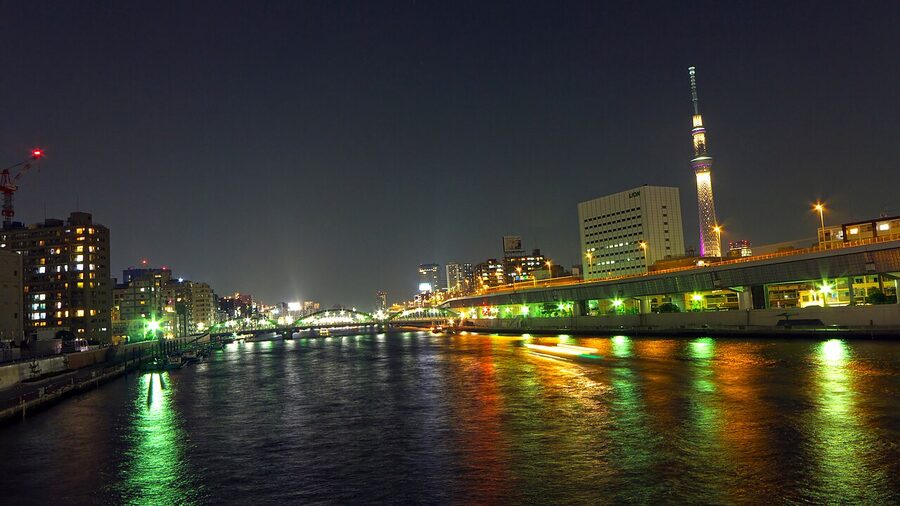
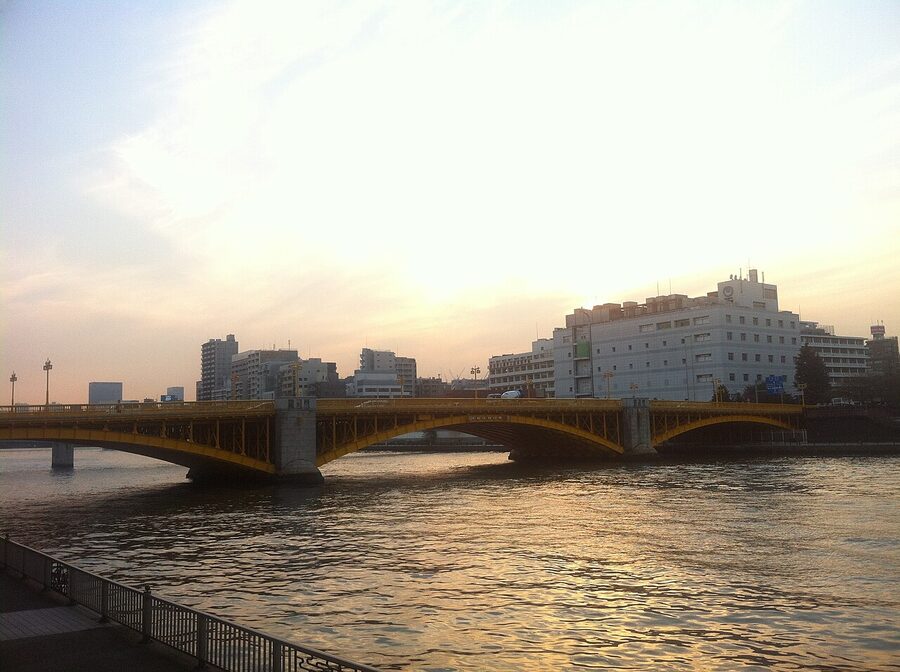
Kuramae (蔵前) is Ueno’s southern neighbour — a riverside former warehouse district that in the last decade turned into Tokyo’s de-facto craft and specialty-coffee neighbourhood. Think: independent coffee roasters, a few very good leather shops, natural-wine bars, stationery shops that make you want to start journaling again. If you’re heading to Asakusa from Ueno, walk via Kuramae instead of taking the train — it’s 20 minutes and doubles as a café-crawl route.
Our regulars here: Koffee Mameya Kakeru (appointment-only coffee tasting), Mirror (whiskey bar), and Kakimori (custom stationery and notebook binding — you design your own notebook and they bind it while you wait).
Access: Kuramae Station (Asakusa or Oedo line). Walking from Ueno Station takes about 20 minutes.
Getting to Ueno
From Narita Airport: Keisei Skyliner direct to Keisei Ueno in 41 minutes. ¥2,580 one-way. Fastest option. The Narita Express doesn’t stop at Ueno.
From Haneda Airport: Keikyu line to Asakusa, then change to JR Yamanote at Asakusabashi. Roughly 45–55 minutes depending on connection. ¥650.
Within Tokyo: Ueno is on the JR Yamanote line — so you can reach it from Shibuya, Shinjuku, Tokyo Station, and Akihabara without changing trains. Akihabara is literally one stop south.
Onward: Ueno is one of Tokyo’s main Shinkansen hubs. If you’re heading north to Sendai, Aomori, or Hokkaido, trains depart from here.
Where to stay in Ueno
Ueno is one of our favourite bases for a first Tokyo trip — accommodation runs 20–30% cheaper than Shinjuku or Shibuya, you’re on the Yamanote line for everywhere else, and you’re five minutes from the Skyliner if you’ve got an early flight. Mid-range business hotels dominate; there are a few good boutique options near Yanaka.
We’ll have a dedicated Where to Stay in Ueno article soon. In the meantime, the areas to search on Booking.com (Ueno district) are: around Ueno Station (convenient, a bit characterless), around Okachimachi (cheaper, better for food), and up toward Nippori (quieter, closer to Yanaka).
Ueno FAQ
Is Ueno worth visiting?
Yes — and specifically, yes even on a short Tokyo trip. The museum cluster alone would justify the stop, and it’s five minutes on the Yamanote line from anywhere. The one case where we’d deprioritise it: if you only have two days in Tokyo, are travelling with no interest in museums, and want neon-Tokyo more than old-Tokyo. Then you might skip it and double-down on Shibuya/Shinjuku.
How many hours do you need in Ueno?
Half a day for a highlights run (park, one museum, Ameyoko, Yanaka Ginza). A full day if you want to do two museums properly. Two days if you’re doing every major museum and also Yanaka/Kuramae. We’ve happily spent four days here across different trips.
Is Ueno good for families?
Very. The zoo, the Nature and Science Museum, the park itself, the swan boats, and the Shitamachi Museum all work for kids. Ameyoko is a big-kid snack paradise. Toilets in the park are plentiful and clean. Prams are manageable on all main paths (some museum galleries have stairs only).
Can I see Ueno and Akihabara in one day?
Easily — they’re one stop apart on the Yamanote line, or a 15-minute walk via 2k540. Most sensible combination: Ueno morning (park + one museum + Ameyoko), then lunch and Akihabara in the afternoon.
Where should I eat in Ueno?
Ameyoko for street food. Okachimachi’s back streets for izakayas. Yanaka Ginza for snack-as-you-walk. For a proper sit-down meal, the restaurants inside Ueno Station’s Atre complex are reliable and mid-priced. Skip anywhere inside Ueno Park itself — the café/restaurant options there are tourist-priced for what they are.
The short version
Ueno is museums, a park, a market, and a neighbourhood (Yanaka) that together make it one of Tokyo’s densest culture-per-square-metre districts. It’s less shiny than Shibuya and less ancient-looking than Asakusa, which is why first-timers skip it and why we keep coming back. Budget half a day minimum; a full day if you love museums; two if you want to include Yanaka and Kappabashi properly.
Next up in Tokyo: pair this with our big list of things to do across the city, our Tokyo Skytree guide, and the wider trip planning section.