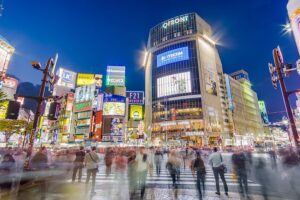
You land at Narita or Haneda. You’re jet-lagged. You step outside into heat or rain or snow. You realise the signs are in three alphabets, the train map looks like a circuit board, and the man in front of you is very politely explaining something you don’t understand. And then some magic happens — within roughly six hours of landing, Tokyo starts to click. It’s the single best city in the world to be a tourist in. Signposted in English. Impeccably clean. Obscenely safe. Train-punctual to the 15-second mark. Cheap at the bottom and infinite at the top.
We remember our first Tokyo trip very precisely. We also remember the things we got wrong — the JR Pass we didn’t need, the wrong airport shuttle, the day we spent trying to find a specific ramen shop that had moved in 2019. This is that guide: the practical first-time-in-Tokyo orientation, written by people who’ve been coming back for a decade and still learn something every visit. Pair with our big citywide things-to-do list once you’ve worked out the logistics below.
In This Article
- When to come
- How long you actually need
- Narita vs Haneda — which airport?
- Getting from airport to your hotel
- From Narita
- From Haneda
- Get a Suica or Pasmo card immediately
- The JR Pass question (probably: don’t)
- Pick a base, not a wandering trail
- Money: cash still exists here
- Moving around the city
- What to eat (at any budget)
- What you absolutely must not get wrong
- Language — how much Japanese do you need?
- A suggested 5-day itinerary
- Day 1 — land and orient
- Day 2 — Shibuya + Harajuku morning, Shinjuku evening
- Day 3 — Ueno + Asakusa + Skytree
- Day 4 — Ginza + Tokyo Station + Akihabara
- Day 5 — day trip or deep dive
- Day trips worth taking
- Common first-timer mistakes (we made most of them)
- What to pack
- Is Tokyo safe? (Yes.)
- Free things that are genuinely great
- FAQ
- Do I need a visa?
- Is Tokyo expensive?
- Best time for Mt Fuji visibility?
- Can I do Tokyo in 3 days?
- What’s the best neighbourhood for my first Tokyo trip?
- When should I book a JR Pass if I want one?
- What if my luggage is lost or I have an emergency?
- Final practical thought
When to come
Tokyo has four pronounced seasons. Three are great. One is brutal. Rough guide:
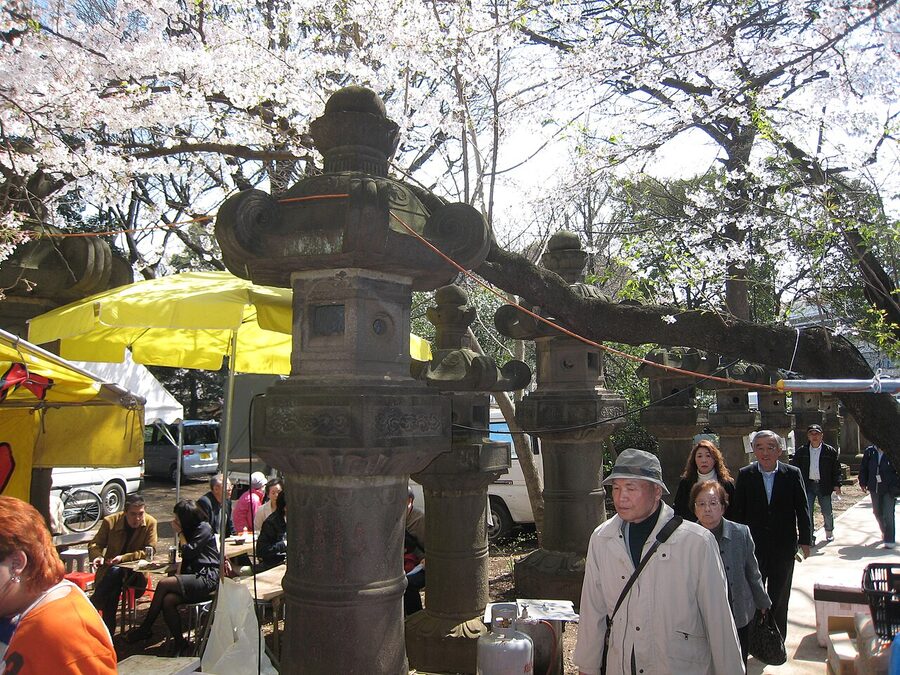
Late March to early April — cherry blossoms. Tokyo’s peak visitor season by a margin. Book flights and hotels 3-4 months ahead. Exact peak varies by year (Japan Meteorological Corporation forecasts from February) — the actual bloom window is about 5-7 days. Prices run 30-50% higher than low season.
Late October to early December — autumn colour. Our personal favourite. Cool, clear days, crisp evenings, red and gold maples in Shinjuku Gyoen and Rikugien. Lower crowds than spring. Usually our picks for best month: mid-November.
December to February — winter. Cold (2-10°C typical) but dry and clear. Mt Fuji visibility peaks. Budget season for hotels. New Year’s (1-3 Jan) is the one week many restaurants and shops close, so avoid the days directly either side.
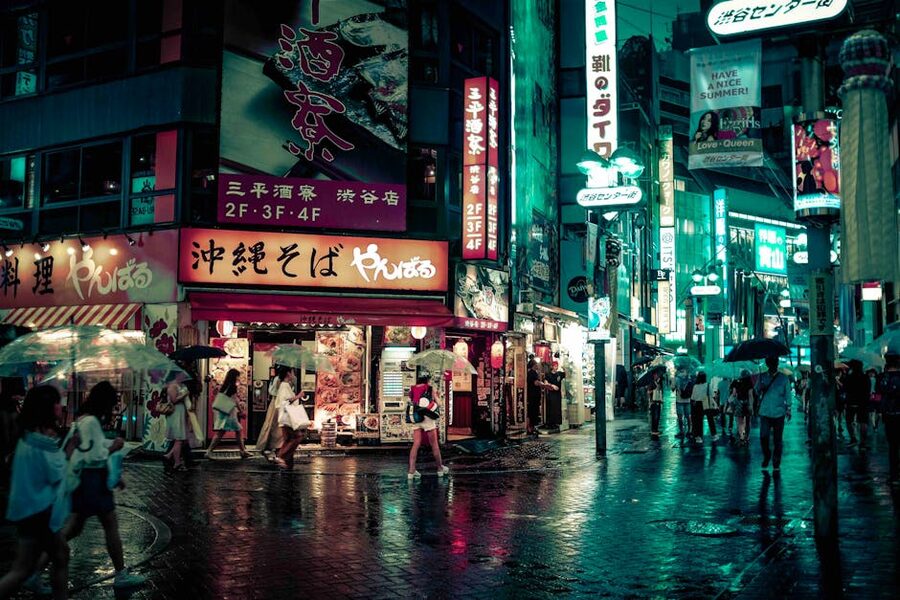
Late June to mid-July — rainy season (tsuyu). Frequent drizzle, high humidity, lower tourist numbers, cheaper hotels. Not our favourite but defensible if you want the photographer’s wet-Tokyo aesthetic.
July through September — hot. Genuinely uncomfortable. 30-35°C daytime, 70-85% humidity. Avoid if you can. If you can’t, plan indoor days (museums, malls, observation decks with aircon) and evening outdoor activity only.
How long you actually need
Four days minimum. Below that and you’re optimising for stress. Five to seven days lets you cover the main neighbourhoods properly plus one day trip (Kamakura, Nikko, Hakone). Ten days is our "you’ll really know it" sweet spot — enough to include a Kyoto or Osaka round trip while keeping Tokyo as your base.
First-time visitors routinely underestimate how tiring Tokyo is. The city rewards walking — we average 20-25km a day on foot during a typical visit — and the sensory density (every shop has music, every station has announcements, every street has signs) is genuinely exhausting. Build in rest days. Cafes are your friend. Hotel naps are acceptable and encouraged.
Narita vs Haneda — which airport?
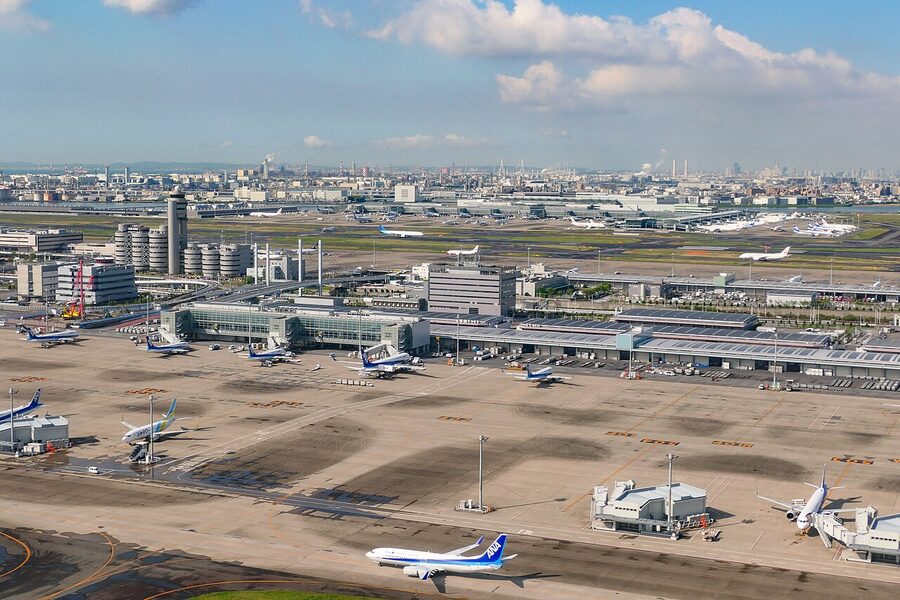
Tokyo has two international airports. Both are fine. They differ on distance from the city and which airlines use them.
Haneda (HND) — 15km south of central Tokyo. 30-45 minutes by train or bus. The closer, more convenient option. Most ANA / JAL domestic flights use it; increasingly more international flights too. If you can fly into Haneda, do.
Narita (NRT) — 70km east of Tokyo. 60-90 minutes by train to central areas. Still handles the bulk of international flights from Europe and North America. Not a problem — just a longer commute.
Either airport works. Don’t pay significantly more to avoid one. The transit time difference is 30-45 minutes; worth maybe $30-50 max to save.
Getting from airport to your hotel
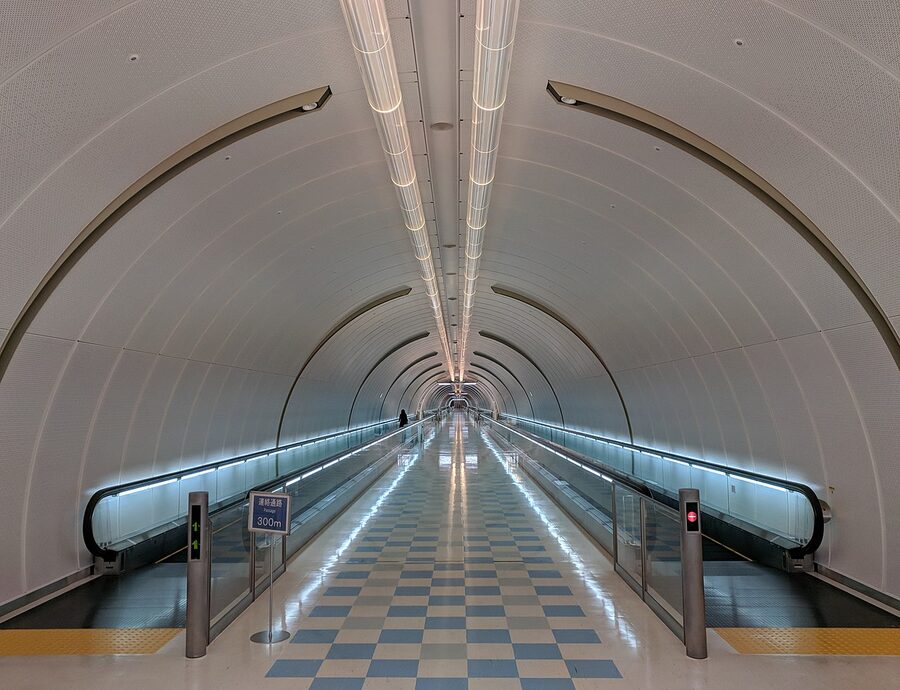
Three main options from either airport. Pick based on budget and where you’re staying.
From Narita
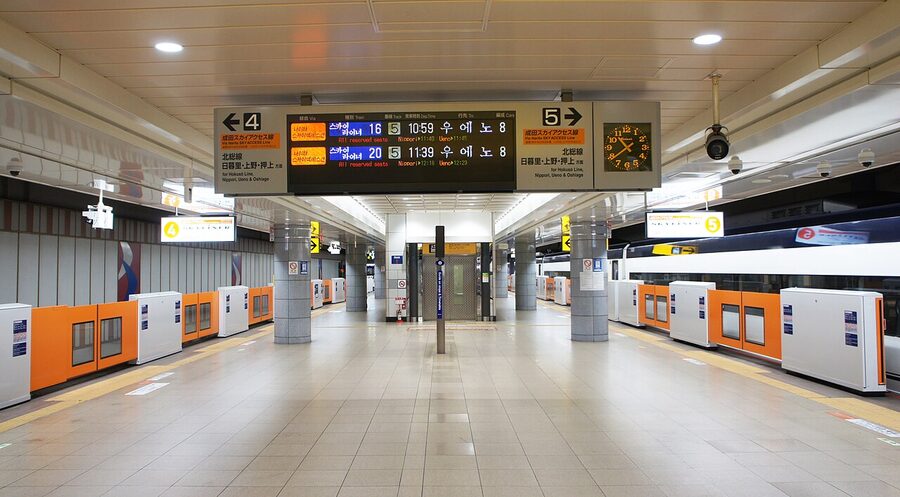
Keisei Skyliner — fastest option. 41 min to Nippori, 44 min to Keisei Ueno. ¥2,580 one-way. Trains every 20 minutes roughly. Buy tickets at a ticket machine or online; reserved-seat only.
Narita Express (N’EX) — JR-operated. 60-90 min to Tokyo / Shinjuku / Shibuya / Yokohama. ¥3,250 one-way. Less frequent than Skyliner but a direct connection to multiple central stations. Covered by Japan Rail Pass if you have one.
Airport Limousine Bus — ¥3,600 to Shinjuku area hotels. 90-120 min depending on traffic. Drops at your hotel door (ish). Slower but door-to-door with luggage is sometimes worth it.
Taxi — ¥20,000+ and 90+ minutes in traffic. Not recommended unless you’re a group of four with luggage.
From Haneda
Keikyu Line — 30-35 min to Shinagawa (JR connection) or direct to Shimbashi. ¥450 one-way. Cheapest.
Tokyo Monorail — to Hamamatsuchō (Yamanote line connection). 30 min, ¥500. Older, characterful, panoramic bay views.
Limousine Bus — to major hotels. ¥1,230 to Shinjuku. 45-60 min.
Taxi — about ¥6,000-8,000 to central Tokyo. 30-60 min. Reasonable for 2+ people with bags.
Get a Suica or Pasmo card immediately
Priority one after landing: buy a transit IC card. Either Suica (JR East) or Pasmo (metro consortium) — functionally identical for travellers. Rechargeable, works on all trains, buses, and convenience stores + vending machines. Saves you from buying paper tickets at every transfer.
How to get one: ticket machines at any JR or metro station. ¥2,000 deposit + ¥1,000-3,000 typical starting load. As of 2024, physical Suica cards are in supply shortage for non-residents in some areas — if one isn’t available, buy a Welcome Suica (28-day tourist version, ¥2,000 no deposit). Or set up Mobile Suica on your iPhone (Apple Wallet → add card). Android users in most regions can’t use Suica yet — stick with physical.
Tap in, tap out. That’s it. No thinking about which operator’s line you’re on, no fare calculations, no shame if you mis-tap — the machine just shows the correct deduction.
The JR Pass question (probably: don’t)
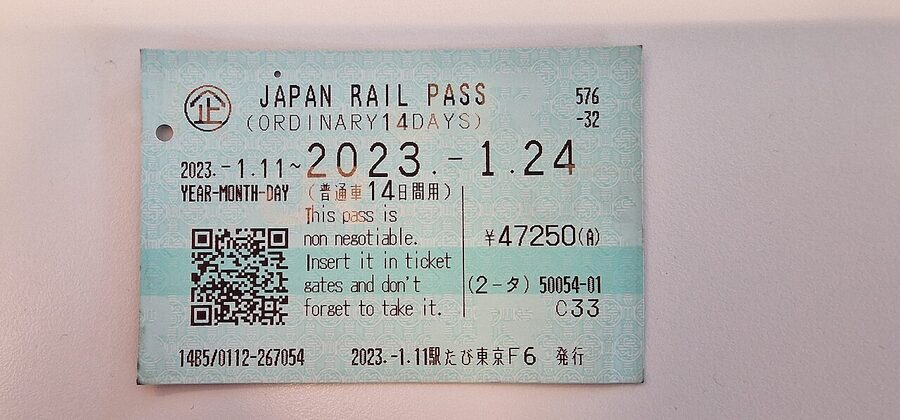
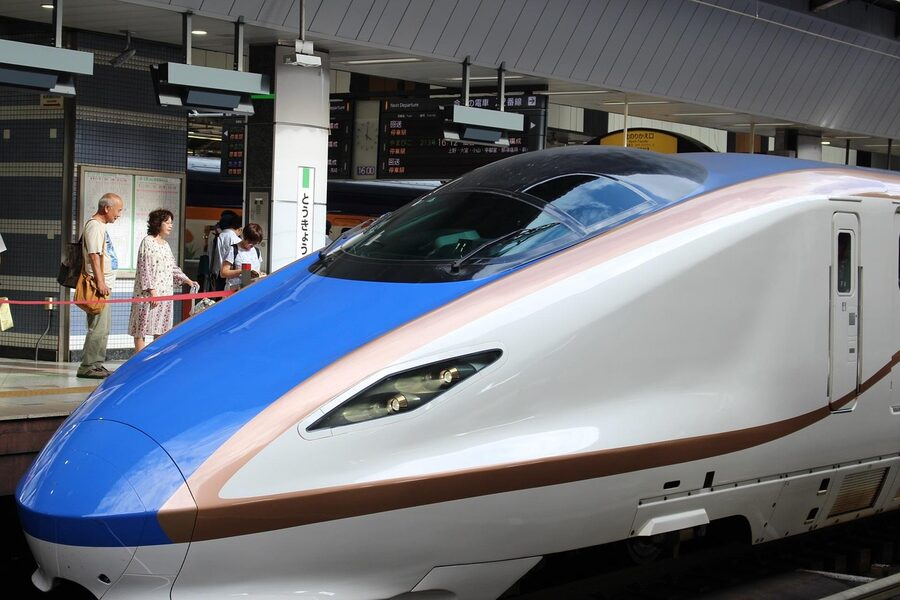
The Japan Rail Pass — a foreign-visitor-only unlimited-rides pass for JR trains including Shinkansen — became much worse value in October 2023 when prices rose ~70%. For a Tokyo-only trip you almost certainly don’t need one. Even for Tokyo + Kyoto + Osaka, the break-even math has shifted — often better to buy individual Shinkansen tickets.
Rough math for 2026: 7-day pass is ¥50,000. A Tokyo-Kyoto return Shinkansen is about ¥28,000. You’d need extensive additional travel to justify the pass. Do the calculation before buying.
When the pass still makes sense: if you’re doing 3+ long-distance legs in a week (e.g., Tokyo → Kyoto → Hiroshima → Tokyo + day trips). Otherwise, pay per trip.
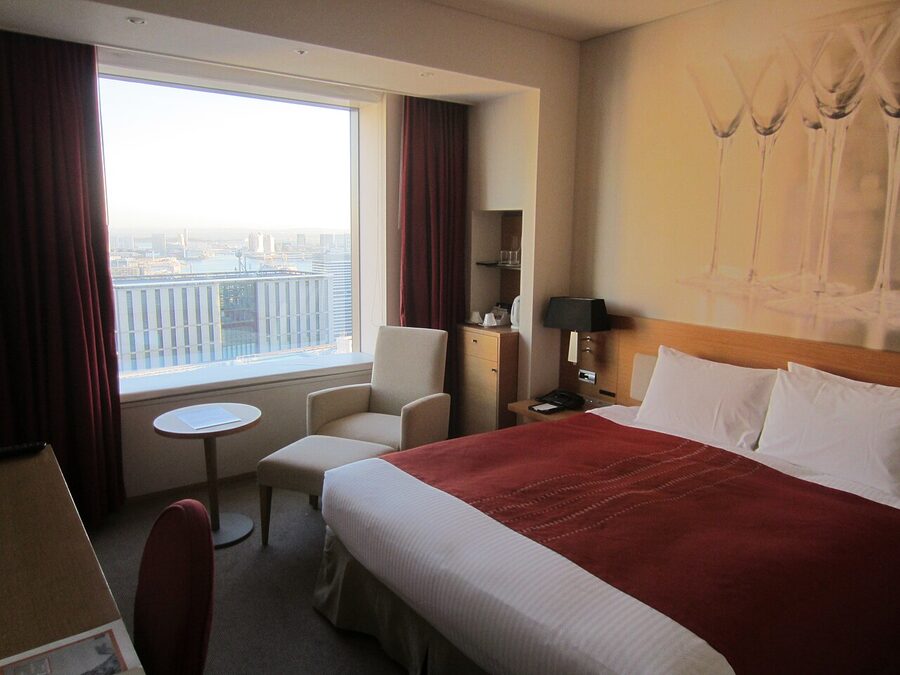
Pick a base, not a wandering trail
First-time Tokyo trips work better from a single base than moving hotels mid-trip. The neighbourhood you pick shapes your trip more than you’d expect. Our short list:
Shibuya — best for first-timers who want Tokyo maxed. Neon, crossings, 24-hour energy. Loud until 1am. Mid-range + luxury hotels dominate. Expect ¥18,000-35,000/night. See Shibuya things to do.
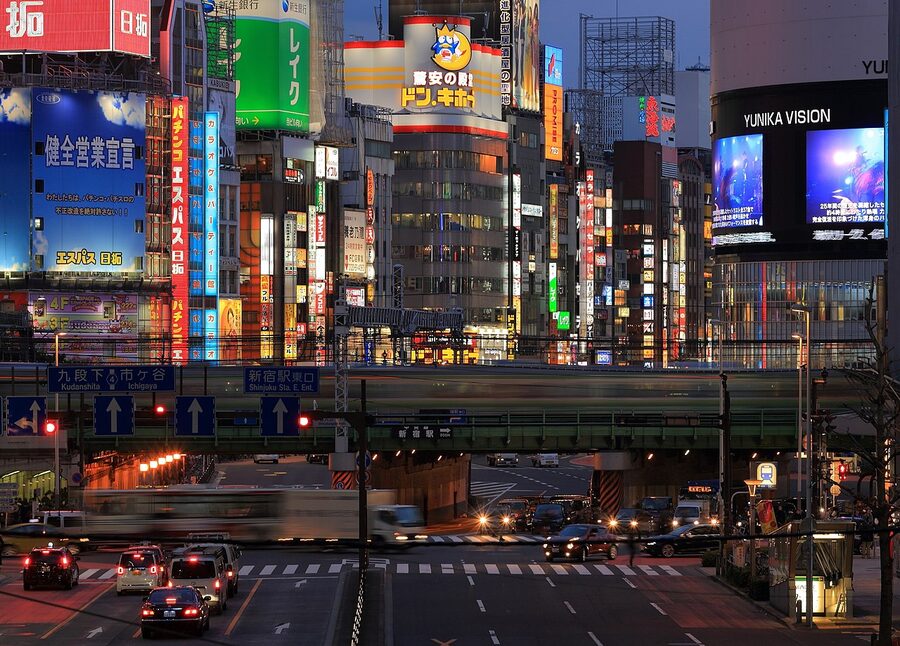
Shinjuku — our recommended first base. Enormous hotel range, direct airport limousine, station central to everything. Choose Shinjuku West Exit for quieter; East Exit for nightlife-in-your-face. ¥12,000-50,000/night. More: Shinjuku guide.
Ueno / Asakusa — cheaper and more traditional. ¥8,000-18,000/night. Good for museum-heavy or temple-focused trips. Direct Keisei Skyliner to Narita from Ueno. Full context: Ueno, Asakusa.
Ginza / Tokyo Station — the business-traveller option. Expensive. Quiet at night. Central for day-trips by Shinkansen. ¥25,000-60,000/night.
Skip: Odaiba (isolated from the main sights), Roppongi (expat-heavy, expensive), pure Kabukicho (loud, obnoxious touts).
Money: cash still exists here
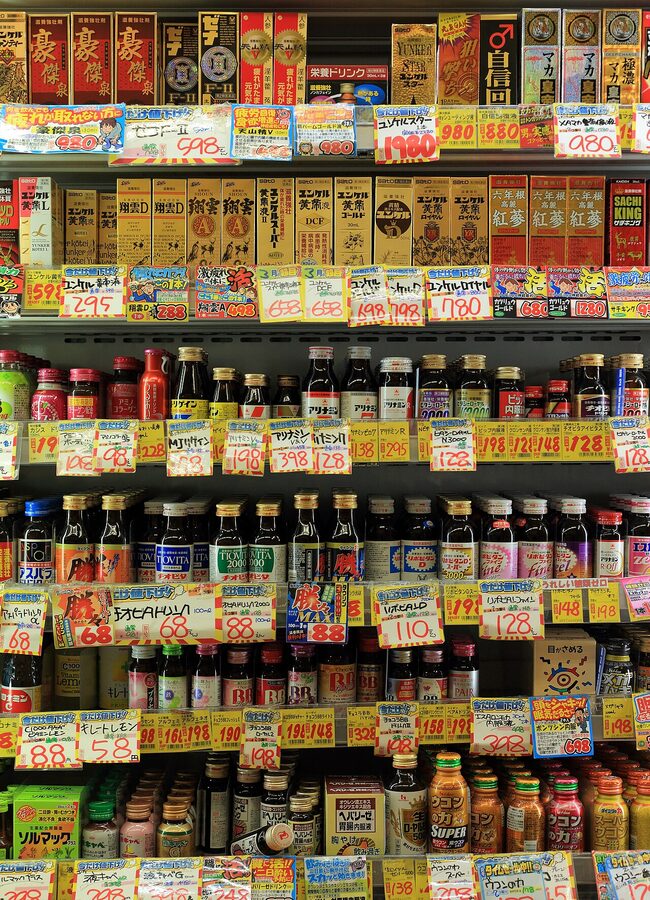
Tokyo has moved closer to cashless but isn’t fully there. You need some cash always — small shops, old restaurants, vending machines (though most now take IC cards), temple offerings, tips to rickshaw drivers. Most big chains, hotels, and convenience stores take credit cards.
Currency exchange: skip airport counters (bad rates). Better options: Seven Bank ATMs (in every 7-Eleven convenience store — accept international cards, 24-hour English interface) or Japan Post ATMs. Withdrawal fee ¥220 typically. Bring a no-foreign-fee debit card if you have one.
Tipping: don’t. Tipping is not customary in Japan and can actively confuse staff. A bow and "arigatou gozaimasu" is the expected thanks.
Typical budget: mid-range comfortable trip runs ¥15,000-25,000/day excluding accommodation. Budget hostel + konbini food + minimal attractions: ¥5,000-8,000/day. Splurge: ¥50,000+.
Moving around the city
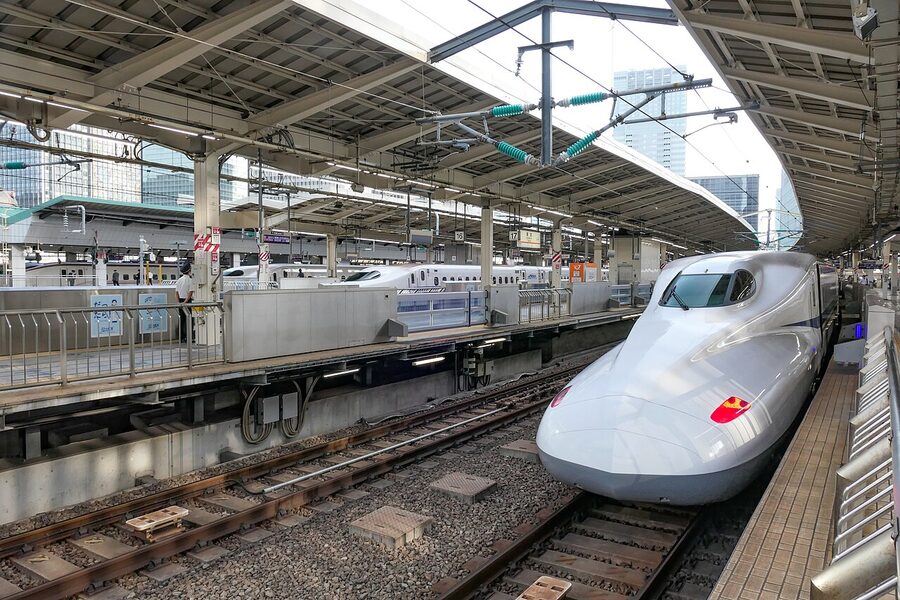
Tokyo’s rail system is the world’s best. It’s also the world’s most overwhelming. The key insight: you mostly need to understand the JR Yamanote line (the 35km loop circling central Tokyo). Almost every neighbourhood you’ll visit is on or one stop from the Yamanote.
Secondary: the Tokyo Metro (nine private lines, different operator from JR, same IC card) and Toei (four city-run lines). You’ll use Ginza, Marunouchi, and Chiyoda lines most. Google Maps handles routing perfectly — it knows which operator to use and prices correctly.
Rush hour: 7:30-9:30am and 5:30-7pm on weekdays. Trains are genuinely packed — not as theatrically as Youtube suggests, but uncomfortably full. Plan long journeys for off-peak if possible.
Last trains: most lines stop around 12:30am and restart 4:30-5am. Missing the last train means taxi (expensive), 24-hour karaoke / internet cafe / Donki shopping, or waiting it out. Our Shinjuku guide has the stay-awake options.
What to eat (at any budget)
Tokyo has more Michelin-starred restaurants than any other city. It also has convenience-store egg sandos that will convert you. The food-per-yen range is unmatched. A rough guide to not starving and not being broke:
Breakfast: konbini (7-Eleven, Lawson, FamilyMart) for ¥500-1,000. Egg sandos, onigiri, drip coffee, vending-machine hot drinks. Not sad — genuinely good. Alternate: hotel breakfast (¥1,500-3,500 buffet, often quite good if included) or a chain like Doutor (¥500-800 toast + coffee set).
Lunch: ¥900-1,500 at a ramen shop, donburi (rice bowl), curry house (CoCo Ichibanya chain), or set-meal (teishoku) restaurant. These are everywhere. Look for vending-machine ticket systems out front — that’s how proper cheap-Japanese restaurants work.
Dinner: ¥1,500-3,500 at a sit-down izakaya or yakitori place. ¥4,000-8,000 for a proper kaiseki / sushi / tempura course. ¥10,000+ for high-end. There’s no quality floor — a ¥800 bowl of Ichiran ramen is seriously good.
Language tip: most menus have photos or plastic food samples outside. Pointing works. Larger restaurants often have English menus (ask: "eigo menu?"). Google Translate’s camera mode handles kanji menus fluently.
Skip: chain restaurants aimed at tourists (Capybara Coffee, most mass-market sushi in Shinjuku). The best Tokyo food isn’t where tourists queue — it’s at the ¥1,000 lunch sets that locals do.
What you absolutely must not get wrong
Japan has a lot of etiquette rules. Most forgive tourists for minor slips. A few genuinely matter:
Don’t tip. Mentioned twice because it’s important. Not customary. Can come across as rude — staff will chase you to return the money, politely.
Don’t eat while walking on the street (OK at festival food stalls or specific snacks). Take it to a bench or the shop’s standing counter.
Don’t talk loudly on trains. Phone on silent. No phone calls. Even whispered conversations are noticed. Japanese commuter trains are the quietest enclosed public space you’ll encounter.
Cash handling: don’t hand cash directly to cashiers — there’s a small tray on the counter. Place cash there. Change comes back the same way.
Shoes off: at any traditional restaurant with a raised tatami platform, at temples with sanctuary access, at hotel tatami rooms. Look for shoe shelves at the entrance — if there are slippers, swap.
Public smoking is restricted to designated areas. Most streets now enforce no-smoking zones — signs are clear. Designated areas (often at station entrances) are fine.
Tattoos: still an issue at public baths (sento), onsen, and some gyms. Private onsen and tattoo-friendly options exist (see our onsen coverage). Beaches and pools usually OK. Street and restaurant attire usually fine.
Language — how much Japanese do you need?
Less than you think. Tokyo’s English signage is exceptional — almost all train stations, tourist sites, and mid-to-large restaurants have English. Major chains have English-speaking staff. Translation apps handle most menus and questions fluently.
Phrases worth learning (5 minutes, high payoff):
Sumimasen (すみません) — excuse me / sorry / thank you. Universal politeness token. Use it constantly.
Arigatou gozaimasu (ありがとうございます) — thank you (formal). Always paired with a small bow.
Ohayou gozaimasu / Konnichiwa / Konbanwa — good morning / hello / good evening.
Eigo o hanasemasu ka? — do you speak English? (The answer is often "a little" in English, which usually means "more than you speak Japanese.")
Kore kudasai — this one please (pointing at menu photo). Restaurant-winning phrase.
Apps worth installing before departure: Google Translate (with Japanese language pack downloaded for offline use), Google Maps (offline area map for Tokyo), Japan Travel by NAVITIME (train routing), and the Japan Meteorological app for weather/sakura forecasts.
A suggested 5-day itinerary
Every first-timer wants "the perfect plan." There isn’t one. This one covers the essentials without exhausting you:
Day 1 — land and orient
Arrive at Narita or Haneda. Get Suica. Check into hotel. First night: something walkable near your hotel. If staying Shinjuku: Omoide Yokocho for dinner, walk to Hanazono Shrine, brief peek at Kabukicho. If staying Shibuya: Crossing → Hachiko → dinner at a Center Gai chain. Ueno: Ameyoko street food + walk Ueno Park. Don’t push it — jet lag is real.
Day 2 — Shibuya + Harajuku morning, Shinjuku evening
Shibuya Scramble, Shibuya Sky (book sunset slot ahead), walk Cat Street north to Harajuku, Takeshita Street, Meiji Jingu late afternoon. Dinner in Shinjuku (Omoide Yokocho), Golden Gai for one drink. Our guides: Shibuya, Harajuku.
Day 3 — Ueno + Asakusa + Skytree
Ueno Park morning (one museum max — Tokyo National Museum is the pick). Ameyoko lunch. Walk to Asakusa via Kappabashi or one stop on the Ginza line. Senso-ji, Nakamise, rickshaw ride optional. Evening: Skytree observation. Our guides: Ueno, Asakusa, Skytree.
Day 4 — Ginza + Tokyo Station + Akihabara
Ginza for shopping + lunch at a depachika basement. Tokyo Station architecture. Short Imperial Palace walk. Afternoon: Akihabara electric town, arcades, one maid cafe if curious. Evening: izakaya in Akiba back streets. Guides: Ginza, Akihabara.
Day 5 — day trip or deep dive
Options: (a) Day trip to Kamakura (1 hr on Yokosuka line), Yokohama, or Nikko (if spring/autumn for colour). (b) Deep-dive in a neighbourhood you loved: Yanaka near Ueno, Shimokitazawa for vintage, Kichijoji for Inokashira Park / Ghibli Museum. (c) Film/anime pilgrimage using our Tokyo film & anime locations guide.
Day trips worth taking
Tokyo as a base is excellent for day trips. Top picks:
Kamakura — 1 hour south on the JR Yokosuka line. Beaches, temples, the Great Buddha, surf culture, good hiking. Low-key vibe — the opposite of Tokyo energy.
Nikko — 2 hours north on JR + Tobu. UNESCO-listed temple complex, 17th-century architecture, waterfalls. Best in autumn (peak foliage late October).
Hakone — 90 min on the Odakyu Romancecar. Hot springs (onsen), the Hakone open-air sculpture museum, Mt Fuji views from Lake Ashi. Overnight here is better than day-trip.
Yokohama — 30 min on Tokyu/JR. Chinatown, harbour, ramen museum, Cupnoodles museum. Underrated; arguably Tokyo’s best day trip for families.
Mt Fuji directly — takes effort. Kawaguchiko or Hakone are the best 5th-station base options. Don’t try to climb outside July-early September.
Common first-timer mistakes (we made most of them)
Over-scheduling day 1. Land, unpack, one easy dinner, sleep. Don’t try to "see Shibuya" at 10pm on arrival day.
Buying the JR Pass without doing the math. Covered above.
Staying in Kabukicho. Loud, touty, cheaper for a reason. Sleep one zone over.
Eating at the wrong restaurants — anything with staff standing outside pushing menus in English to tourists is usually meh and tourist-priced. Find places where locals eat (vending-machine ticket ramen shops, depachika food halls, salary-worker lunch sets).
Under-packing rain gear. Tokyo’s weather shifts fast; convenience stores sell ¥500 umbrellas if caught out.
Trying to book Tsukiji’s inner market. It moved to Toyosu in 2018. The Outer Market is still in Tsukiji and is what most visitors actually want.
Not booking Shibuya Sky / Ghibli / teamLab in advance. These are timed-entry, book ahead. Ghibli Museum sells out a month in advance.
Skipping Ueno. Museums plus the park plus Yanaka is one of Tokyo’s best days, and first-timers routinely skip it to do more Shibuya. Don’t.
What to pack
Shoes you can walk 25km/day in. Most important single item. Leather sneakers or trail runners. No new shoes.
Light layers. Tokyo’s indoor climate (aggressive aircon summer, aggressive heating winter) contrasts heavily with outdoor. A thin jacket year-round.
Socks. If you’re going to any traditional restaurant or temple, you’ll take your shoes off. Wear nice socks. The ones with holes don’t work.
A day pack. Tokyo is a carry-things-with-you city (no street bins — you’ll carry garbage around until you find a konbini). Small backpack with water bottle holder.
Power adapter. Japan is Type A (US-style two-pin). Most US visitors just plug in directly; voltage is 100V, which most modern USB-C chargers handle.
Portable wifi or SIM. Essential for Google Maps. Rent at the airport (~¥1,000/day pocket wifi), buy an eSIM through Airalo or Ubigi (~$15 for a week), or activate your home carrier’s international roaming if cheap.
Is Tokyo safe? (Yes.)
Tokyo is one of the world’s safest big cities. Women travelling solo, families with young kids, tourists walking around Kabukicho at 2am — all fine. You’ll forget to worry within 24 hours of arrival. Normal urban common sense (don’t wave cash around, don’t leave laptops unattended) applies the same way it would in any city.
The one exception: Halloween week (last week of October) in Shibuya. The street party there has gotten aggressively chaotic, involves alcohol bans, heavy police presence, and occasional incidents. If you’re in Tokyo then, avoid Shibuya after 8pm that weekend.
Natural disasters: earthquakes happen constantly. Most are imperceptible. If one is large enough to feel, follow locals — they’ll usually continue business as normal unless it’s serious. Japanese buildings are the most earthquake-engineered in the world.
Free things that are genuinely great
Tokyo has an enormous amount of free high-quality experience. Short list:
Tokyo Metropolitan Government Building observation deck — Shinjuku, 202m up, free. On a clear day, Mt Fuji. Full details: Shinjuku guide.
Meiji Jingū — the shrine and its 170-acre forest walk, free, Harajuku. Harajuku guide.
Hachiko Statue + Shibuya Scramble Crossing — free, always on. Our Shibuya guide.
Tokyo Station exterior + Marunouchi Naka-dori avenue — historic architecture walk, free.
Yanaka neighbourhood walk — old-Tokyo residential aesthetic, free. Ueno guide.
Shinjuku neon + Kabukicho night walk — free street theatre. Our Shinjuku guide.
Imperial Palace East Gardens — 115 hectares of former Edo Castle grounds, free, Wed-Mon.
Shibuya Scramble Square + Tokyu Plaza Omotesando mirror facades — free architectural landmarks.
FAQ
Do I need a visa?
Most Western passport holders (US, EU, UK, AU, NZ, Canada) get a 90-day visa-free stay on arrival. Check your country’s status on Japan’s MOFA site. Visa application online via the Japan Visit Web system is now required for many countries — takes 10 minutes.
Is Tokyo expensive?
Moderate. Less than Paris or NYC, more than Bangkok. Budget ¥15,000-25,000/day excluding accommodation for a comfortable mid-range trip. Hotel: ¥10,000-30,000/night for business-hotel tier in a central area. Food: ¥3,000-5,000/day if you mix konbini + mid-range. Transport: ¥1,000-1,500/day on IC card.
Best time for Mt Fuji visibility?
December through February (dry winter air). From Tokyo observation decks, Fuji appears on 50-70% of winter days. Summer is typically 10-30% visibility due to haze.
Can I do Tokyo in 3 days?
Yes, but you’ll be tired. A tight 3-day plan: Day 1 Shibuya + Harajuku; Day 2 Asakusa + Akihabara; Day 3 Shinjuku + one museum + one observation deck. Skip day trips. Skip Ginza. Sleep before you leave.
What’s the best neighbourhood for my first Tokyo trip?
Shinjuku as a base, Shibuya for the obvious postcard experience, Ueno for the museum/old-Tokyo day, Asakusa for the temple/atmosphere day. Those four cover most first-timers’ wish lists. Our citywide list is the superset.
When should I book a JR Pass if I want one?
Book before arrival (it’s now a mostly-domestic purchase too, but can be activated ahead). Do the math first — see the JR Pass section above — for most Tokyo-heavy trips, individual ticket purchases win.
What if my luggage is lost or I have an emergency?
Both airports have information desks with English-speaking staff. Hotels are universally helpful with tourist emergencies. Police (koban) boxes are on most street corners and staff will try to help even if language is limited. Emergency numbers: 110 (police), 119 (ambulance/fire). Medical care is excellent and non-resident-accessible — but bring travel insurance.
Final practical thought
Every Tokyo trip is a small negotiation between wanting to see everything and the physical reality of a city this size. First-time visitors invariably try to do too much on day one, hit a wall, and recover on day three. Embrace it. Build in coffee breaks. Take naps. Japan’s culture of pacing and space will start to work on you within about 48 hours — and then you’ll never want to leave.
We’ve written deeper dives on every major neighbourhood: Shibuya, Shinjuku, Harajuku, Ueno, Asakusa, Akihabara, Ginza, Odaiba. Plus specific guides for Tokyo Skytree, Shibuya Sky, and Tokyo’s film and anime locations. And the master citywide things-to-do list as your jumping-off index.
Good luck on the first trip. See you on the Yamanote line.