Tokyo’s theme-park scene is shaped by one unarguable fact: Tokyo Disney Resort is the best Disney resort on earth, and DisneySea is arguably the best theme park full stop. Once you’ve absorbed that, the rest of Tokyo’s park landscape sorts itself into "what else is worth a day?" That list turns out to be longer than most visitors realise — classic amusement parks (Yomiuriland), kawaii culture destinations (Sanrio Puroland), retro oddities (Asakusa Hanayashiki, Japan’s oldest amusement park), and scream machines just beyond Tokyo’s edge (Fuji-Q Highland). Ghibli Park, which opened in 2022, is technically in Aichi but close enough for most Tokyo-based planners to factor in.
This is the practical round-up: nine parks, what they’re good for, who should skip each one, and how to fit them into a Tokyo trip. Pair with our dedicated Tokyo Disney guide for the main event.
In This Article
- 1. Tokyo Disneyland
- 2. Tokyo DisneySea
- 3. Yomiuriland
- 4. Sanrio Puroland
- 5. Tokyo Dome City Attractions
- 6. Asakusa Hanayashiki
- 7. Fuji-Q Highland
- 8. Ghibli Park (Nagakute, Aichi)
- 9. Toshimaen (closed — replaced by Warner Bros. Studio Tour)
- Which one should you do?
- Fitting theme parks into a Tokyo trip
- FAQ
- Is DisneySea really worth the hype?
- Which is better for kids, Sanrio Puroland or Disneyland?
- Is Fuji-Q Highland worth the commute from Tokyo?
- Can I do a Disney park + another park in one day?
- What about Ghibli Park — is it worth a trip from Tokyo?
- Short version
1. Tokyo Disneyland
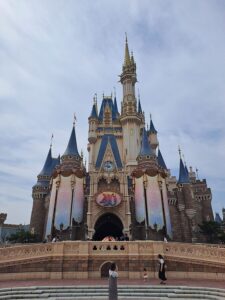
What it is: the classic Disney park, Japanese edition. Opened 1983 — the first Disney park outside the United States. Seven themed lands, about 40 attractions. Cinderella Castle centrepiece, two parades daily, fireworks nightly.
Who it’s for: families with kids 3-12. Disney classic fans. First-time Disney visitors. Anyone who wants the comfortable "I know this formula" experience executed to a higher standard than American parks.
Tickets: ¥7,900–10,900/day depending on date. Access: Maihama Station on JR Keiyo line, 15-20 min from Tokyo Station. Full guide: our Tokyo Disneyland guide.
2. Tokyo DisneySea
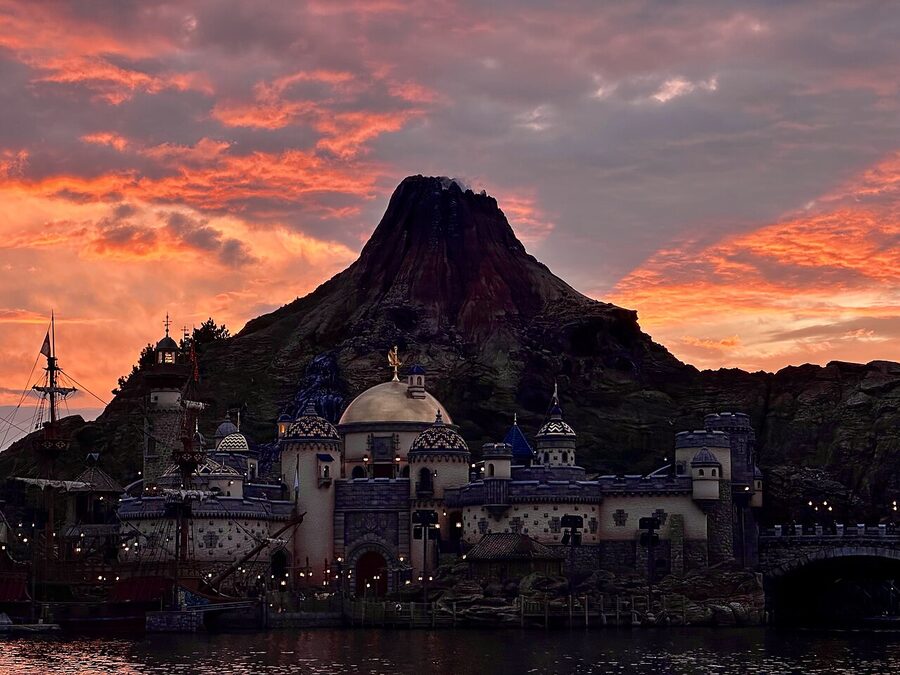
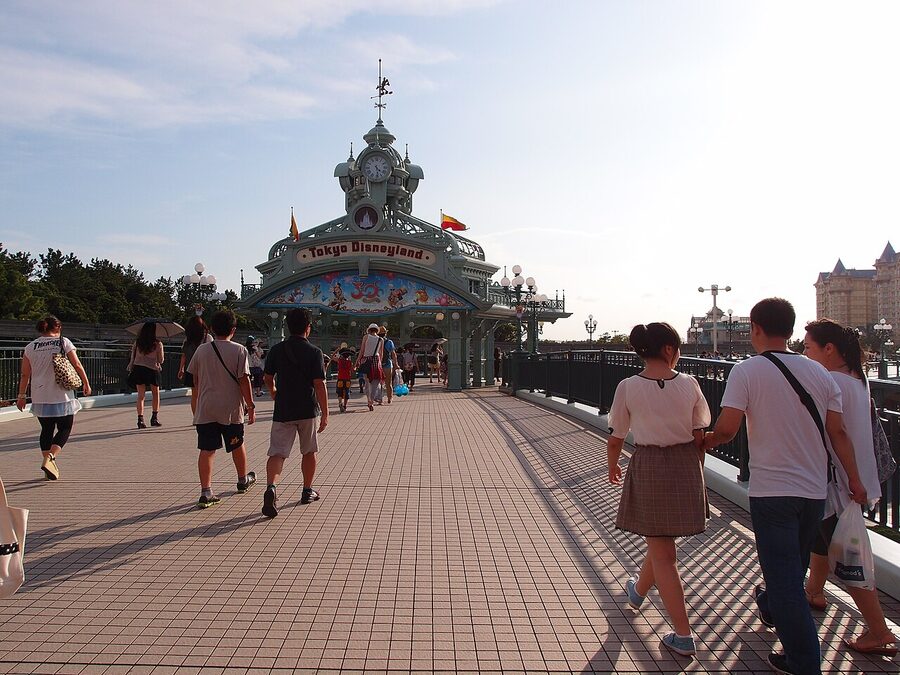
What it is: the best theme park on earth, per multiple industry rankings. Opened 2001. Seven themed ports around a central harbor — Mediterranean Harbor, American Waterfront, Arabian Coast, Mermaid Lagoon, Port Discovery, Lost River Delta, Mysterious Island. Plus the 2024 Fantasy Springs expansion (three more themed areas, four major new attractions).
Why it’s the one to beat: atmospheric theming at a level no other theme park matches. Alcohol service (beer, wine, cocktails). Adult-friendly. Exclusive characters (Duffy the Bear). Unique-on-earth rides (Journey to the Center of the Earth, Tower of Terror with Tokyo-specific storyline).
Tickets: ¥7,900-10,900/day, or ¥10,000-13,000 with Fantasy Springs Magic Key. Full guide: our Tokyo Disney guide.
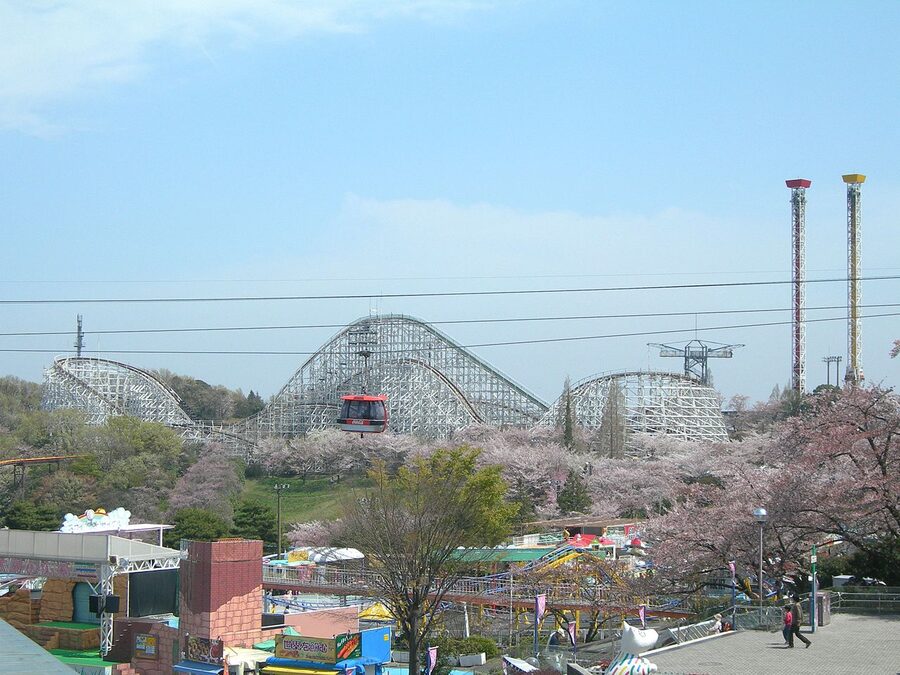
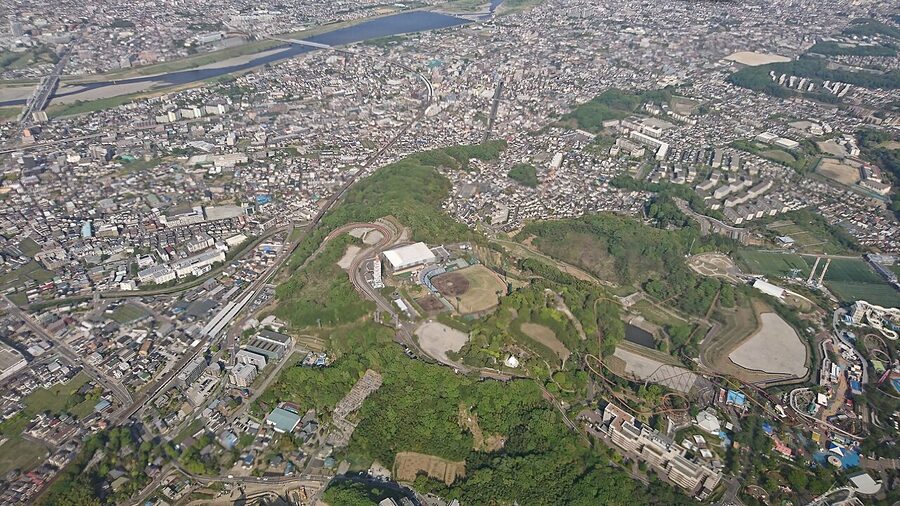
3. Yomiuriland
What it is: a 1964-era classic amusement park on Tokyo’s western edge. Roller coasters, a Ferris wheel, a swimming pool complex (summer), seasonal illuminations ("Jewellumination" November-April), and a more relaxed pricing model than Disney.
Who it’s for: cost-conscious family visitors, Tokyo residents looking for a local theme park day, illumination season visitors. Non-Disney fans.
Tickets: ¥1,800 entry + ¥500-1,000 per ride, or ¥5,900 all-rides pass. Significantly cheaper than Disney.
Access: Yomiuriland-mae Station on Keio Yomiuriland line, 30 min from Shinjuku.
4. Sanrio Puroland
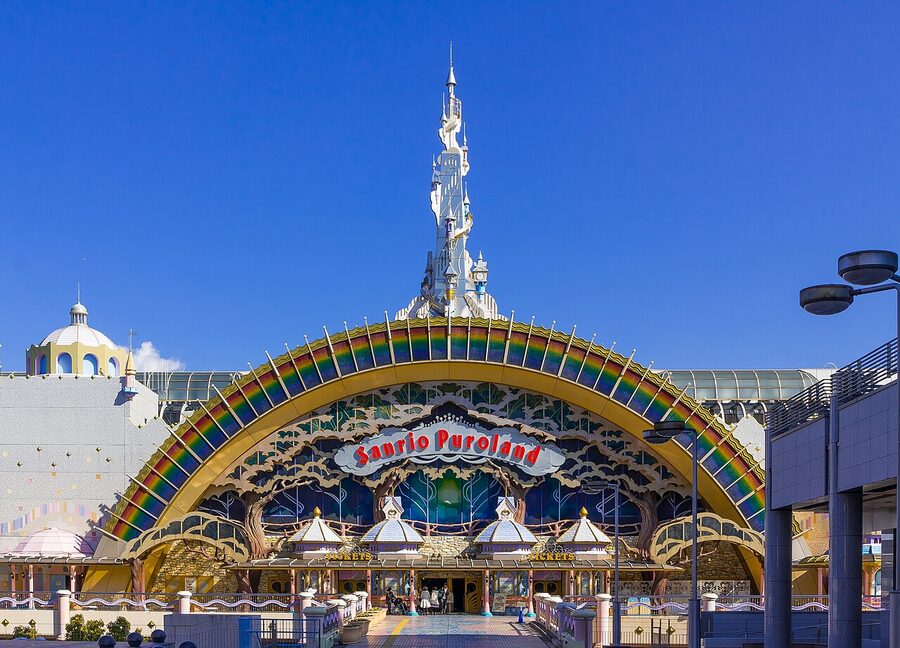
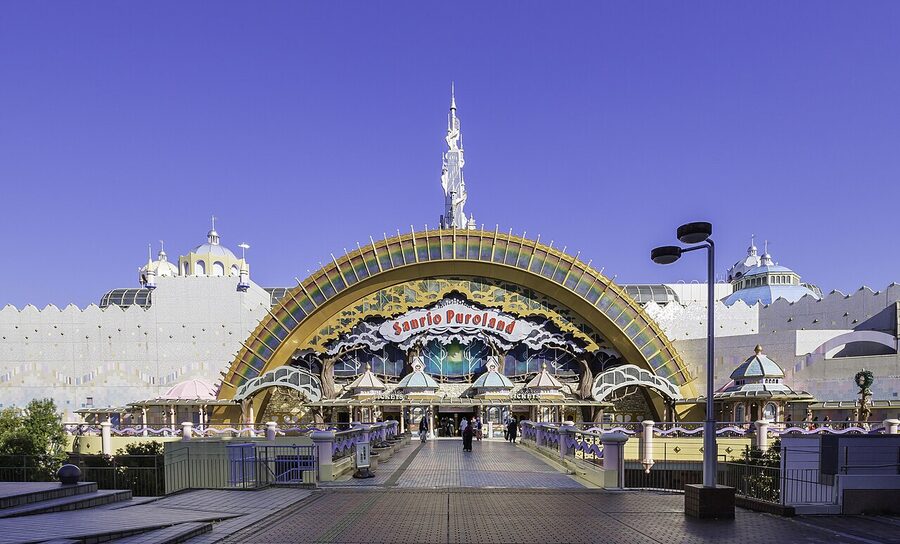
What it is: the Hello Kitty / Sanrio indoor theme park in Tama (western Tokyo). Opened 1990. Hello Kitty, My Melody, Kuromi, Gudetama, Cinnamoroll — every major Sanrio character has a dedicated attraction, photo spot, or dining venue.
Why it’s special: it’s the birthplace of Japan’s kawaii culture distilled into a single indoor complex. Parades are genuinely good (chorus-line choreography, original music). Everything is pink. Everyone is taking photos. It’s unashamedly itself.
Tickets: ¥3,300-4,900 depending on date. Access: Tama Center Station (Keio Tama or Odakyu Tama lines), 30-40 min from Shinjuku.
5. Tokyo Dome City Attractions
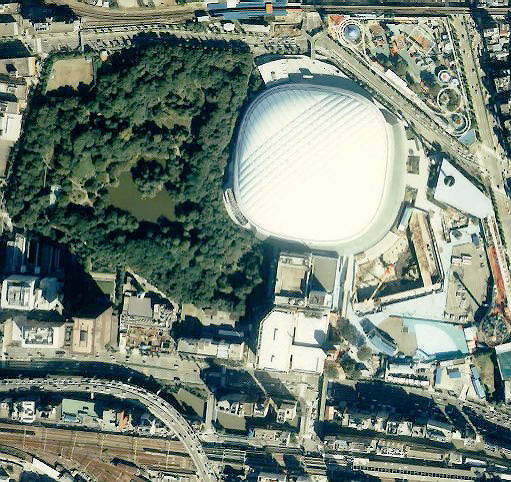
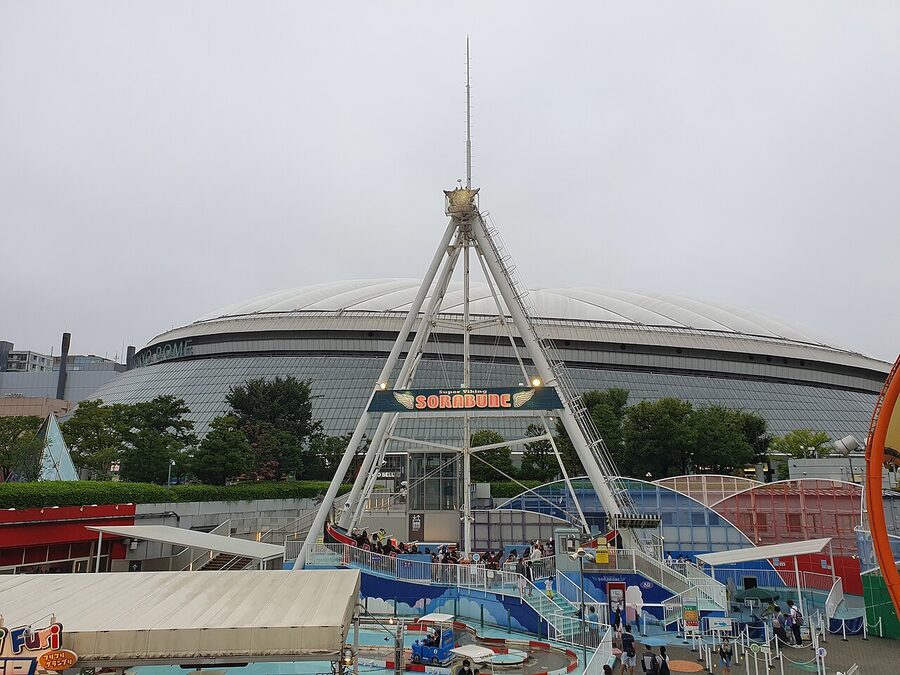
What it is: the urban amusement park built around Tokyo Dome baseball stadium in Bunkyo. It’s a pay-per-ride park (no entry fee), with the Thunder Dolphin roller coaster (running through a building gap, 80km/h, 130m drop) and the Big-O Ferris wheel without a central axis (the wheel wraps around a roller coaster that runs through its middle).
Why it’s special: free to walk around. Genuine urban-integration theme park — it’s built into the city, not a fenced suburban resort. Thunder Dolphin is a top-20 world coaster per enthusiast rankings.
Tickets: free entry; ¥800-1,400 per ride. Or day-pass ¥4,500. Access: Suidobashi Station (JR Chuo line) or Korakuen (Namboku/Marunouchi metro), walkable from both.
6. Asakusa Hanayashiki
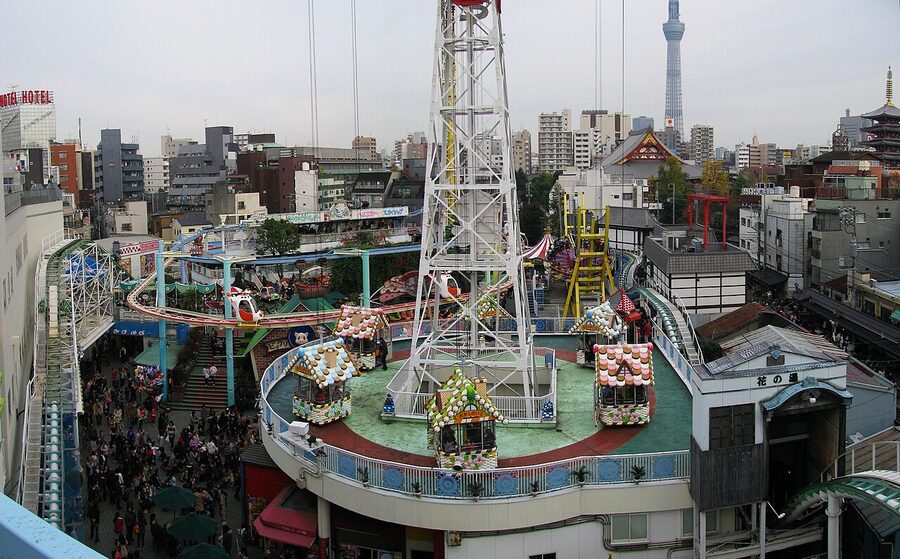
What it is: Japan’s oldest amusement park. Founded 1853 (yes, before Tokyo Disneyland by 130 years). A tiny, creaky, charming park tucked behind Asakusa’s Senso-ji, with a roller coaster built in 1953 that rattles between apartment buildings. About 20 attractions. Showa-era (1960s-80s) kitsch aesthetic preserved.
Why it’s worth it: curiosity value. Small kids under 10 love it. Adults appreciate the preserved Showa-vintage atmosphere if you’re a Japan-history nerd. Not a destination in itself — add it to an Asakusa day.
Tickets: ¥1,200 entry + ¥100-500/ride. Access: 5-min walk from Senso-ji. Full context: our Asakusa guide.
7. Fuji-Q Highland
What it is: Japan’s thrill-coaster capital, 2 hours west of Tokyo at the foot of Mt Fuji. Ride inventory includes Takabisha (world’s steepest coaster at 121°), Fujiyama (400m long, 79m drop), Eejanaika (the world’s most-inversion 4-D coaster). Also themed areas for Naruto and Thomas the Tank Engine.
Who it’s for: coaster enthusiasts. Teenagers. Anyone whose Tokyo trip needs one day of pure adrenaline. Not ideal for young kids — the thrill bias is serious.
Tickets: ¥6,400-7,400 one-day pass (includes all rides). Access: Fuji-Q Highland Station on Fujikyuko line, 2 hours from Shinjuku via Otsuki. Direct highway buses from Shinjuku (¥1,900, 100 min).
Technically outside Tokyo (Yamanashi prefecture), but practical as a day-trip from any Tokyo base. Pair with a Mt Fuji viewpoint stop for a full Fuji-centric day.
8. Ghibli Park (Nagakute, Aichi)
What it is: Studio Ghibli’s theme park, opened in stages from 2022. Five themed areas: Ghibli’s Grand Warehouse (permanent exhibits), Hill of Youth (Whisper of the Heart setting), Dondoko Forest (Totoro village), Mononoke Village (opened 2023), Valley of Witches (Kiki’s Delivery Service, opened 2024).
Why it’s unique: unlike most theme parks, Ghibli Park is built around walking and discovery rather than rides. You wander through the forests, into recreated Ghibli houses, find statues, have tea in themed teahouses. Open to nature. Tickets are timed-entry and sell out 1-2 months ahead.
Access: Aichikyuhaku-kinen-koen Station in Nagakute, Aichi. Roughly 4 hours from Tokyo via Shinkansen + local train. Not a Tokyo day-trip — plan as a separate Nagoya/Aichi overnight if you’re pursuing Ghibli content.
Tokyo alternative: if you can’t commit to Ghibli Park, the Ghibli Museum in Mitaka (covered in our citywide list) is the Tokyo-accessible fallback — smaller, more architectural, still wonderful.
9. Toshimaen (closed — replaced by Warner Bros. Studio Tour)
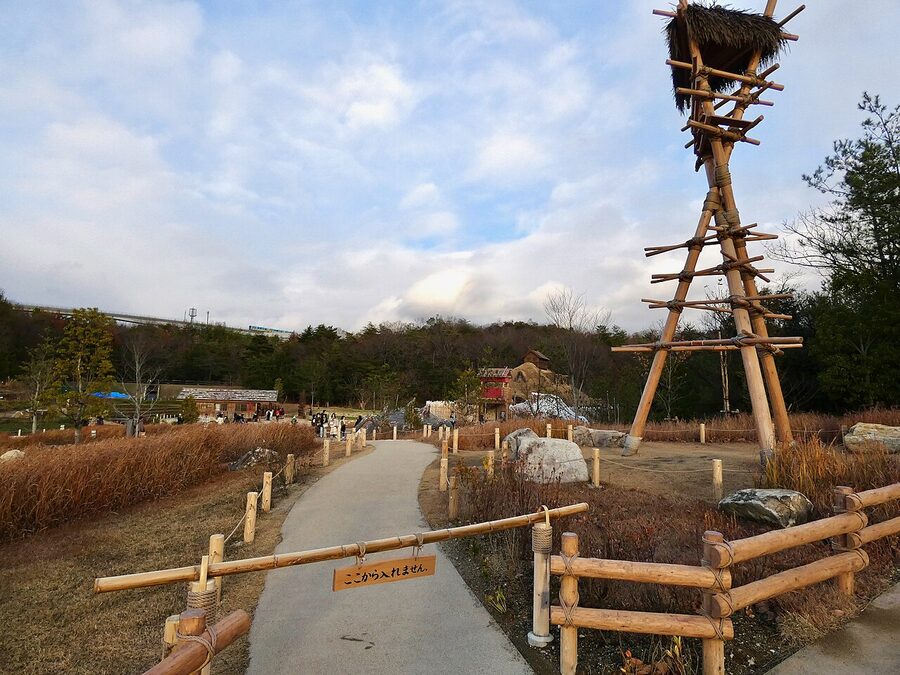
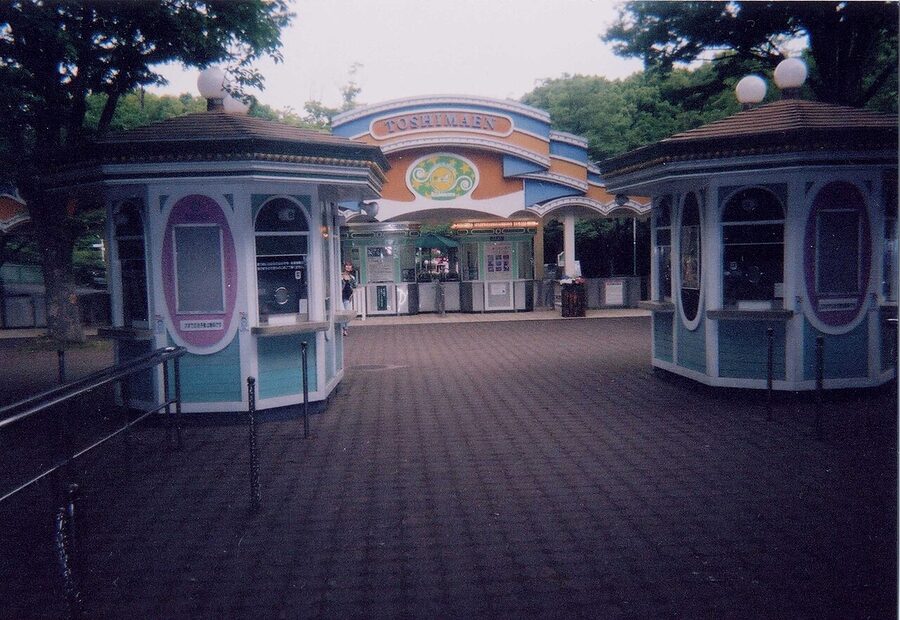
What was there: Toshimaen — the Showa-era amusement park in Nerima — closed in 2020 after 94 years of operation. On the same grounds, Warner Bros. Studio Tour Tokyo — The Making of Harry Potter opened June 2023. It’s a walk-through studio experience, not a rides park, but works as a theme-park-adjacent day for Harry Potter fans.
Tickets: ¥6,800-7,400 timed-entry. Access: Toshimaen Station on Seibu-Ikebukuro line, 20 min from Ikebukuro. Duration: 3-4 hours for a full tour.
Which one should you do?
First-time Tokyo visitor, no Disney preference: Tokyo DisneySea. Non-negotiable if you have one theme-park day.
With young kids (under 8): Tokyo Disneyland. Skip DisneySea (the alcohol service and more-adult-atmosphere theming don’t add value).
Second Tokyo trip, already done Disney: Yomiuriland (classic amusement park) or Fuji-Q Highland (adrenaline).
Hello Kitty or kawaii culture fan: Sanrio Puroland.
Ghibli fan: Ghibli Museum Mitaka (if staying in Tokyo). Ghibli Park in Aichi (if you have 2+ days to spare and will stay overnight in Nagoya).
Coaster obsessive: Fuji-Q Highland for the day — the ride portfolio justifies the 2-hour commute.
Rainy day plan: Sanrio Puroland (fully indoor). Tokyo Dome City (partly covered). Fuji-Q closes many rides in rain.
Fitting theme parks into a Tokyo trip
Theme parks eat days. Allocate one full day per park, minimum. Practical Tokyo-trip patterns:
5-day trip + one Disney day: most common. DisneySea day 4 or 5, when you’re comfortable with the city and less tempted to feel like you’re "wasting" time outside central Tokyo.
7-day trip + two Disney days: common for Disney enthusiasts. Both parks. Consider staying at a Disney hotel for the full experience on at least one night.
Family trip, 10 days: Disneyland + DisneySea + Sanrio Puroland + Hanayashiki. Broad age-range appeal.
Teen trip, coaster-heavy: DisneySea + Fuji-Q Highland + Yomiuriland. Two long days + one medium day.
FAQ
Is DisneySea really worth the hype?
Yes. The theming is on a level no other theme park matches, the rides are Tokyo-exclusive, and the overall atmosphere makes it feel less like a theme park and more like a dream-walk through a Japanese studio-designed world. First-time theme park visitors are routinely converted.
Which is better for kids, Sanrio Puroland or Disneyland?
Depends on age and Disney exposure. Under 5: Sanrio Puroland (cleaner, quieter, indoor, pink). 6-12: Tokyo Disneyland (bigger, more variety). Over 12: DisneySea.
Is Fuji-Q Highland worth the commute from Tokyo?
Only if you love coasters. The 2-hour each-way commute is a real cost — you’re essentially committing a full 12-hour day. Skip if you’re not specifically a thrill-ride person.
Can I do a Disney park + another park in one day?
No. Disney parks are full-day commitments. Don’t try.
What about Ghibli Park — is it worth a trip from Tokyo?
For committed Ghibli fans: yes, if you build an overnight Nagoya trip around it. For casual fans: no, the Ghibli Museum in Mitaka (Tokyo) is the practical alternative. Ghibli Park tickets also book out 1-2 months ahead, so plan early.
Short version
Tokyo DisneySea is the best theme park on earth. Tokyo Disneyland is the best classic Disney park. Sanrio Puroland is peak kawaii. Fuji-Q Highland is the coaster answer. Everything else is secondary. Pre-book your tickets; check dates for variable pricing; don’t try to do more than one park per day.
More: Tokyo Disney deep dive, citywide things to do, first-time Tokyo guide.