
Narita Airport to central Tokyo is the single most-researched travel question of any Japan trip. It’s also the one most people over-optimise. The airport is 70 kilometres east of central Tokyo, roughly an hour away by the fastest options, up to two by the cheapest. Five routes are worth knowing about. One of them is significantly cheaper than most guides mention. None of them are bad.
Here’s the practical comparison, laid out by what actually matters — speed, price, luggage handling, whether you need to transfer with bags, and which one fits your specific hotel neighbourhood. Pair with our first-time Tokyo guide if you haven’t worked out where you’re staying yet.
In This Article
- The five options — speed and price at a glance
- Keisei Skyliner — fastest to Ueno and Nippori
- Narita Express (N’EX) — direct to multiple Tokyo stations
- Keisei Access Express — the ¥1,290 option most tourists miss
- Airport Limousine Bus — door-to-door with luggage
- Taxi — only for specific situations
- Routing decision matrix
- What you need at the airport
- IC card (Suica or Pasmo)
- Pocket wifi / SIM
- What about Narita Terminal 1 vs 2 vs 3?
- Going back — airport transit on departure
- Narita vs Haneda — brief sidebar
- Ueno Station for Skyliner arrivals
- FAQ
- How long does the whole trip really take?
- What if I arrive late at night?
- Can I use a Japan Rail Pass for the N’EX?
- Is Narita safe? Anything to watch for?
- Should I use Google Maps for this journey?
- Short version
The five options — speed and price at a glance
Keisei Skyliner — ¥2,580 one-way, 41-44 min to Ueno, reserved seat. The speed-focused option.
Narita Express (N’EX) — ¥3,250 one-way, 60-90 min, direct to Tokyo/Shibuya/Shinjuku/Yokohama. The multi-destination option.
Keisei Access Express — ¥1,290, 60-70 min to Asakusa/Shinagawa. The cheap-train option nobody mentions.
Airport Limousine Bus — ¥3,600, 90-120 min to major hotels. The door-to-door-with-luggage option.
Taxi — ¥20,000+, 90-120 min. Only makes sense for groups of 4 with significant luggage.
All options are safe, reliable, and run on published schedules. Tokyo’s transit punctuality extends to every option listed.
Keisei Skyliner — fastest to Ueno and Nippori
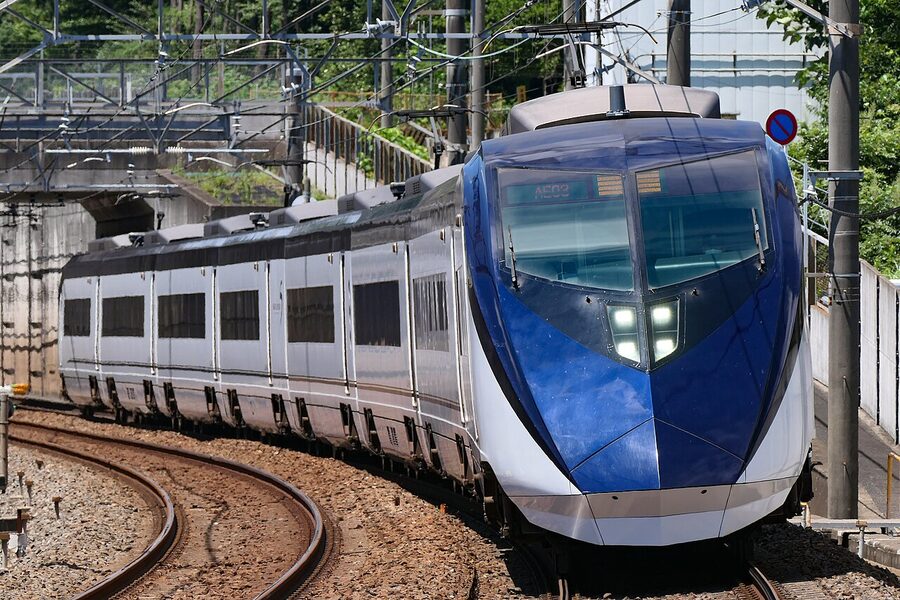
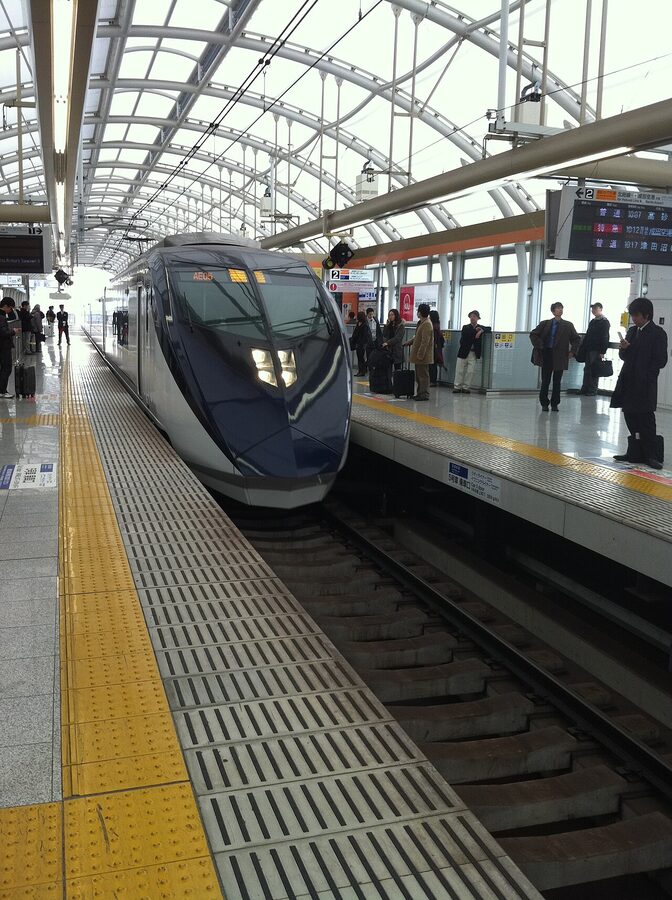
The Keisei Skyliner is the fastest Narita option. Leaves from Narita Airport Terminal 1 or Terminal 2 stations directly; runs every 20-40 minutes; 41 minutes to Nippori, 44 minutes to Keisei Ueno. ¥2,580 one-way, reserved seat. Runs 5:40am to 10pm roughly.
When to pick it: you’re staying in Ueno, Asakusa, or anywhere in north-east Tokyo. Or you’re connecting to JR at Nippori for destinations further north on the Yamanote line. The Skyliner is Tokyo-to-Ueno in a straight line — faster than any competing option.
Booking: ticket machine at the airport station, English interface. Or online via the Keisei site. A small discount for online purchase. Tourist discount packages (Skyliner + Tokyo Subway) are ¥2,890 combined and actually worth it if you’re using the metro heavily.
Narita Express (N’EX) — direct to multiple Tokyo stations
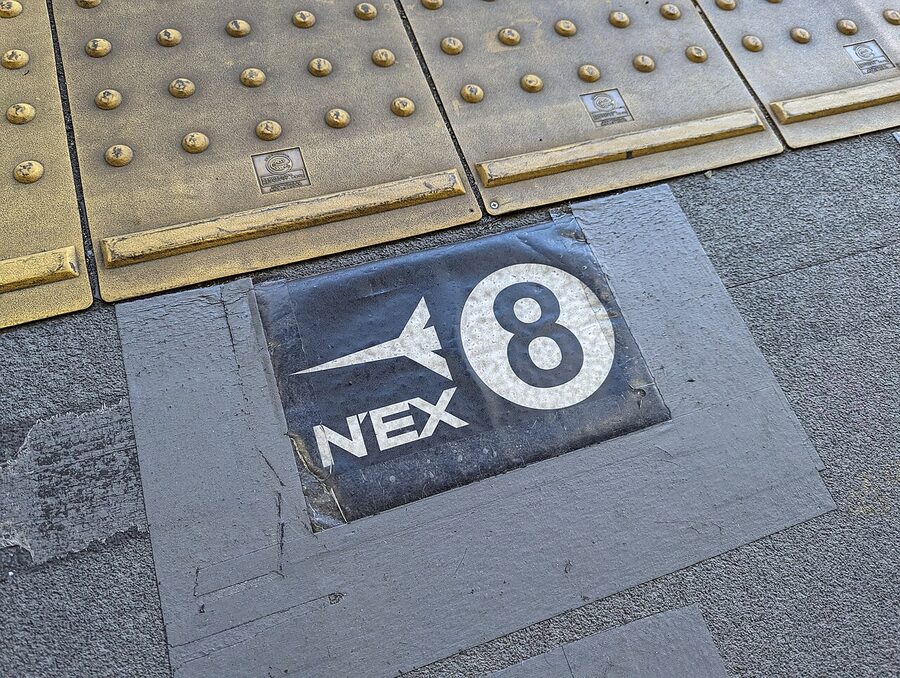
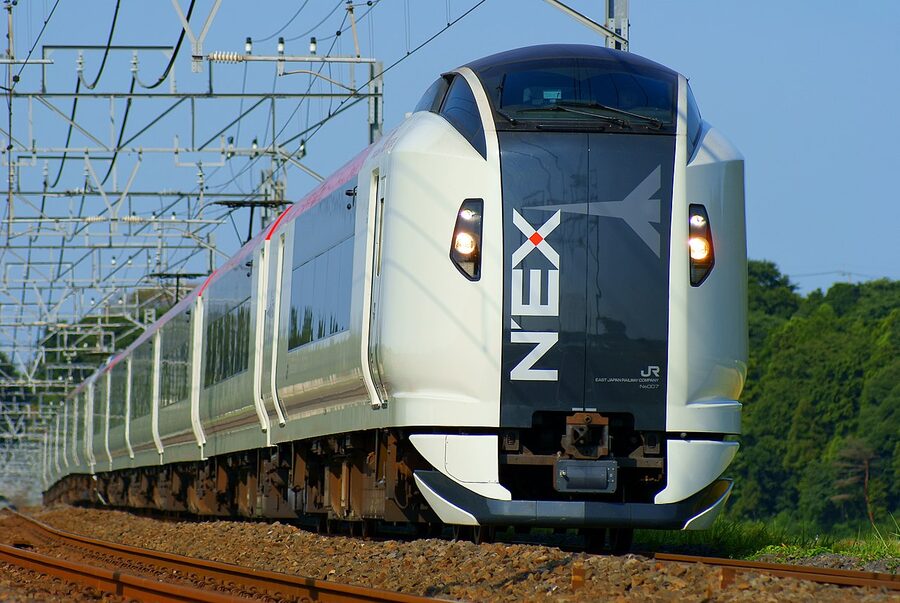
The Narita Express (N’EX) is JR East’s express train. Leaves Narita Airport stations; runs direct services to Tokyo Station (60 min), Shibuya (75 min), Shinjuku (83 min), Yokohama (95 min), and Ofuna/Omiya/other destinations. ¥3,250-3,500 one-way depending on destination. Reserved seat. Every 30-60 minutes.
When to pick it: you’re staying near a direct-service station (Shinjuku, Shibuya, Yokohama, Ikebukuro). Or you’re a Japan Rail Pass holder — the pass covers N’EX entirely, making it effectively free.
Tourist N’EX Round-Trip Ticket — ¥5,000 for return travel, visitor-only. Compared to ¥6,500 for two regular one-way tickets, you save ¥1,500. Available only to foreign passport holders. Buy at the JR EAST Travel Service Center at the airport.
Keisei Access Express — the ¥1,290 option most tourists miss
Here’s the one most guides skip: the Keisei Access Express (アクセス特急, Akusesu Tokkyū). It runs on the same Keisei line as the Skyliner, goes to broadly similar destinations, but is a regular local/rapid train with no reserved seats. ¥1,290 one-way to Asakusa, 60 minutes. Roughly half the price of Skyliner.
When to pick it: you’re on a budget and heading to Asakusa, Oshiage (Skytree area), or beyond (Shinagawa, Sengakuji, Haneda — the Keisei line connects to the Asakusa Line which runs through central Tokyo). You’re OK with an unreserved seat. You’re not carrying massive luggage (though luggage space exists; it’s just not as generous as on the Skyliner).
Key caveat: the Access Express is a through-service that runs on multiple connecting lines without requiring you to change trains. You stay on the same train from Narita to Shinagawa if you pick the right departure. Check the destination sign before boarding — "Nishi-Magome" or "Shinagawa" trains go deep into central Tokyo without a transfer; others terminate at Aoto and require a change.
Booking: just pay with your Suica/Pasmo IC card at the gate. No advance ticket needed. The simplest option.
Airport Limousine Bus — door-to-door with luggage
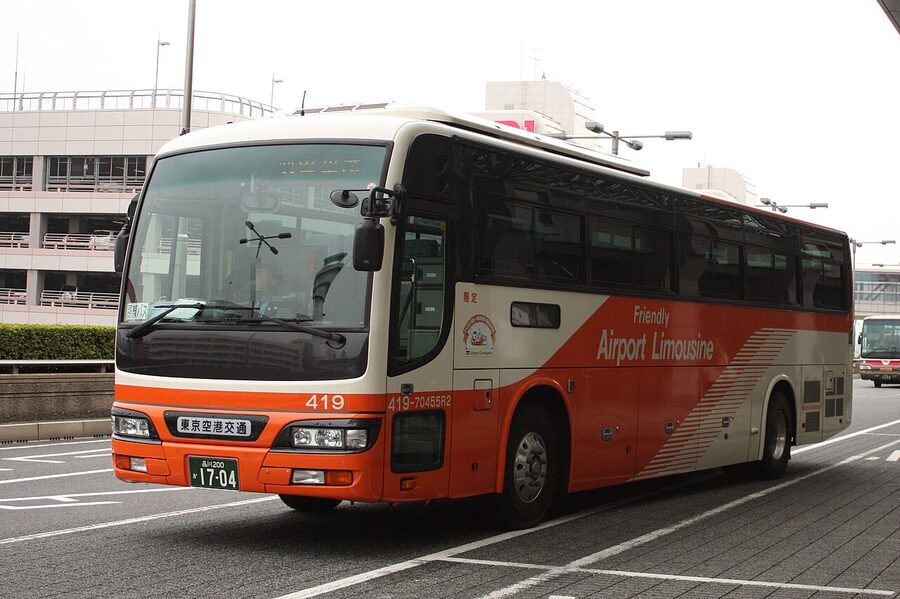
The Airport Limousine Bus runs from both Narita terminals directly to major Tokyo hotels. Roughly 70 destinations served: every big hotel (Shinjuku Washington, Shibuya Excel, Ginza Park, Shinagawa Prince, Tokyo Tower Hotel, every major business hotel chain has a stop), plus direct-to-station services (Tokyo Station, Shinjuku Station, Tokyo Disney Resort). ¥3,600 one-way, 90-120 minutes depending on traffic.
When to pick it: you’re staying at a hotel that has a Limousine Bus stop. You have significant luggage (they load it into the hold for you — you hand it over at pickup, receive it at dropoff). Traffic is light (late night, early morning).
When to skip it: rush-hour bus traffic can push the commute to 150+ minutes. Avoid 7-9am outbound toward the city, or 4-6pm in either direction.
Booking: tickets at the dedicated Airport Limousine counter in the arrivals hall. Cash, card, or IC card. No advance booking needed.
Taxi — only for specific situations
A Narita-to-central-Tokyo taxi costs ¥20,000-30,000 depending on destination and traffic. 90-120 minutes. It’s never the right answer for 1-2 people. It might be acceptable for:
Groups of 4 with 4 large suitcases. The per-person cost becomes ¥5,000-7,500, which is competitive with N’EX first-class.
Very late arrivals (after 10pm) when trains have stopped. Many services end around 10-10:30pm; a taxi is the practical choice.
Medical or mobility constraints that make train transfers impractical.
Booking: taxi ranks at both airport terminals. Fixed-price flat-fare services exist for specific routes (e.g., ¥25,000 to central Tokyo via Skytree Taxi). The meter-rate alternative works out similarly unless you hit bad traffic.
Routing decision matrix
Here’s how we’d pick, based on where you’re staying:
Staying in Ueno or Asakusa: Keisei Access Express (¥1,290 to Asakusa direct). Or Keisei Skyliner (¥2,580 to Ueno if you value the 15-minute time save).
Staying in Shinjuku or Shibuya: Narita Express (¥3,250, direct, no transfer). Or Keisei Skyliner to Nippori + JR Yamanote (¥2,580+¥170 = ¥2,750, 65 min). N’EX wins if you have a rail pass; Skyliner+Yamanote wins on pure cost.
Staying in Ginza or Tokyo Station area: Narita Express to Tokyo Station (¥3,250, 60 min direct).
Staying in Shinagawa: Keisei Access Express direct (¥1,500, 80 min — runs through via Asakusa Line and Keikyu Line). Cheapest option.
Staying near a Limousine Bus stop: Limousine Bus (¥3,600, door-to-door, no transfers). Premium for luggage convenience.
Group of 4 with heavy luggage: split a taxi (¥25,000 / 4 = ¥6,250/person).
What you need at the airport
First-timer tip: walk from arrivals → customs → then immediately left (or right, depending on terminal) toward the train signs. You want to buy (1) an IC card, (2) whichever long-distance ticket you need, (3) optionally a pocket wifi or SIM.
IC card (Suica or Pasmo)
Buy one at the JR East ticket office in the airport station. ¥2,000 deposit + ¥1,000-3,000 starting balance. Covers the Keisei Access Express + any subsequent Tokyo metro/JR travel. The one item you want before going anywhere else.
Pocket wifi / SIM
Arrive with a pre-booked pocket wifi (Ninja WiFi or similar, ¥800-1,200/day rental) for pickup at the airport, or an Airalo/Ubigi eSIM installed before landing. Physical SIMs from Japanese carriers available but require documentation. Pocket wifi covers multiple devices, ideal for groups.
What about Narita Terminal 1 vs 2 vs 3?
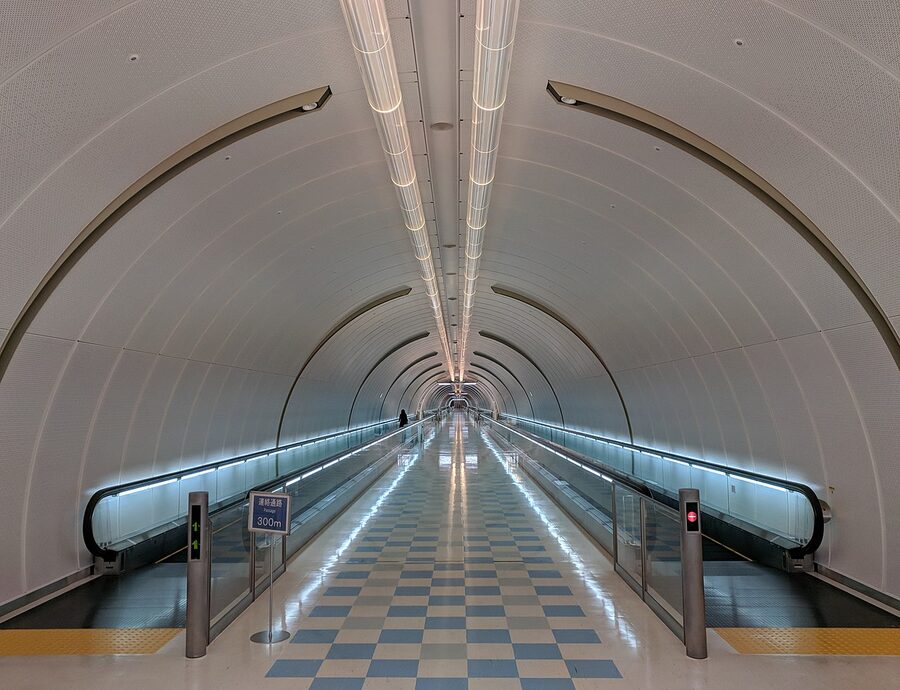
Three terminals at Narita, and your airline determines which one you arrive at. All three connect to the same Narita Airport train system.
Terminal 1 — most international carriers (ANA, Lufthansa, British Airways, most Star Alliance). Its train station is called "Narita Airport Terminal 1".
Terminal 2 — many international carriers (JAL, American, Air Canada, oneworld + SkyTeam). Its train station is "Airport Terminal 2-3".
Terminal 3 — low-cost carriers (Jetstar, Peach, Spring Japan). Uses the same Terminal 2-3 train station, plus a free shuttle bus between T3 and T2.
All three have Keisei Skyliner, Narita Express, Access Express, and Limousine Bus services. Signage from arrivals is clear in English.
Going back — airport transit on departure
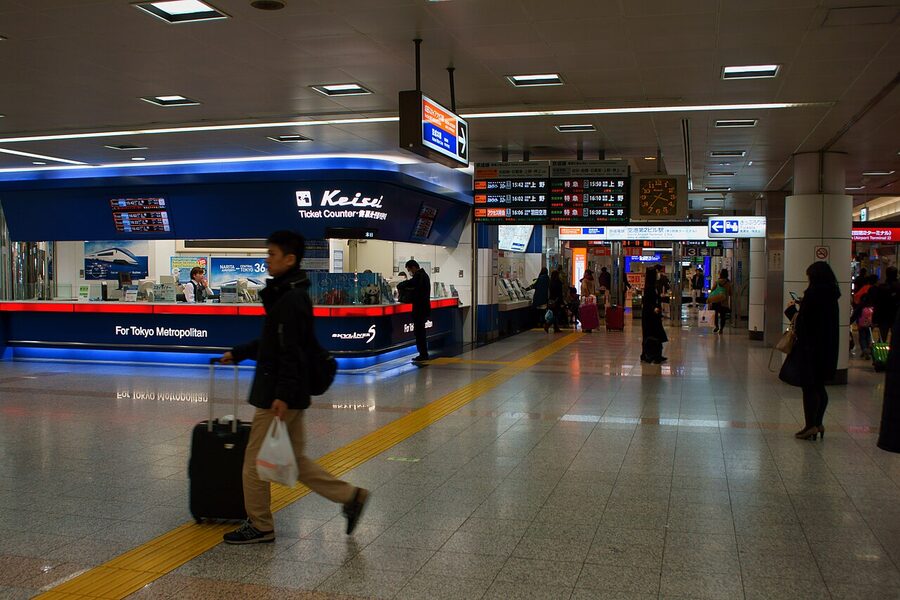
The same options work in reverse. Some additions:
Allow extra time — 90 minutes from central Tokyo to Narita minimum, 120+ minutes if rush hour. Aim to clear customs and be at the gate 2 hours before international flight departure, which means leaving Tokyo ~3.5 hours before departure.
Skyliner has a Tokyo Subway Combo ticket valid for a 24/48/72-hour metro pass PLUS a Skyliner return. Useful if you want to include the return trip in a pass bundle.
Limousine Bus hotel pickup: most hotel stops sell return tickets at the concierge desk. Book the return when you check in to avoid a morning-of scramble.
Luggage forwarding: services like Yamato Transport’s Takuhaibin can send your checked luggage to the airport overnight from your hotel for ~¥2,000-3,000 per piece. You travel luggage-free on the final day. A genuine quality-of-life upgrade for 2-week+ Japan trips.
Narita vs Haneda — brief sidebar
Haneda Airport is 15km south of central Tokyo (vs Narita’s 70km east). If you can fly into Haneda, do — the transit time saves are significant. Keikyu Line from Haneda to central Tokyo is ¥300-700 and 20-45 min. Tokyo Monorail to Hamamatsuchō is ¥500, 30 min.
But: Haneda lands fewer international flights than Narita, and the ticket-price premium can be $50-200+ higher. Unless you have a specific time-sensitive reason (late arrival, tight transfer, mobility issue), either airport works fine. More comparison: our first-time Tokyo guide.
Ueno Station for Skyliner arrivals
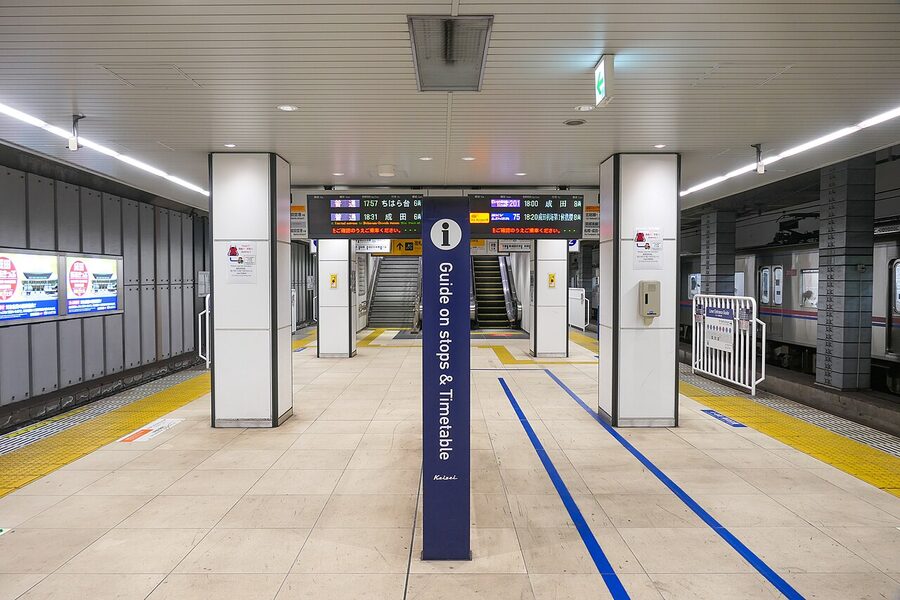
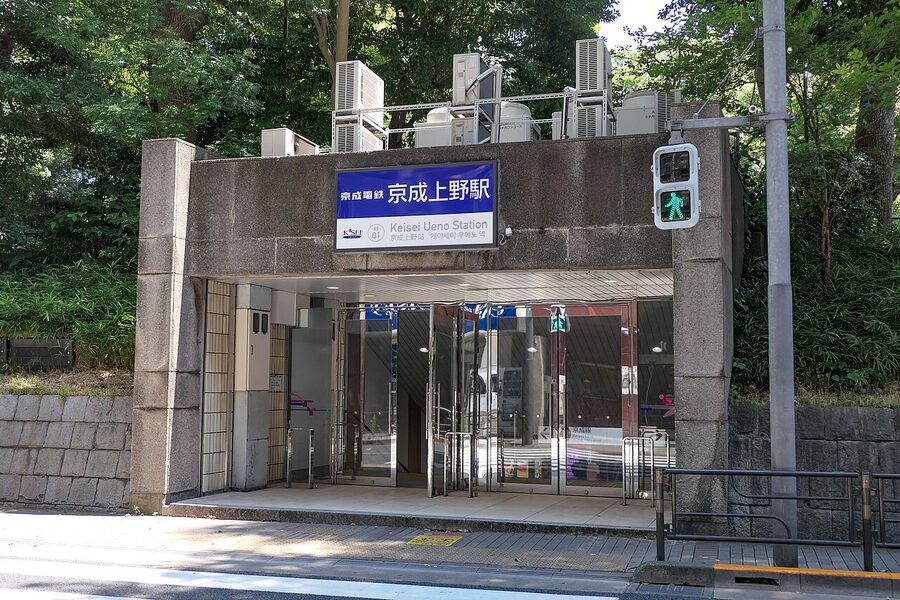
Skyliner arrivals terminate at Keisei Ueno Station (Ikenohata Exit side), which is 5-10 minutes’ walk from the JR Ueno Station (the main one). For most hotels in Ueno, you can walk from Keisei Ueno. For hotels elsewhere, transfer to JR or metro.
FAQ
How long does the whole trip really take?
Door-to-door from arriving in Tokyo airspace to checking into a central hotel: 3-4 hours typical. 45 minutes for immigration + baggage + customs, 15 minutes to the train platform, 45-90 minutes on the train, 15 minutes walking from station to hotel. First-timers routinely underestimate.
What if I arrive late at night?
Last Skyliner: ~10pm. Last N’EX: ~10:30pm. Last Access Express: ~11pm (check for the specific route). After that: Limousine Bus runs until around 11pm, and then it’s taxi territory. Evening Narita arrivals should plan for this.
Can I use a Japan Rail Pass for the N’EX?
Yes. The N’EX is a JR East service covered by the JR Pass. Activate your pass at the airport’s JR East Travel Service Center before boarding. Reserved-seat supplements are included.
Is Narita safe? Anything to watch for?
Narita is extremely safe. Normal airport awareness applies — pickpocket risks in baggage claim are low but not zero. Follow baggage via your eye until you have it; this is universal advice everywhere.
Should I use Google Maps for this journey?
Yes. Google Maps gives accurate schedules, transfers, and English-language routing for every Narita option. Don’t over-rely on it for the first 2-3 minutes after you arrive (the GPS sometimes takes a moment to lock at the airport), but once it catches up, it’s the reliable guide.
Short version
Five routes from Narita to central Tokyo. Pick by destination: Skyliner to Ueno/Asakusa, N’EX to Shinjuku/Shibuya/Yokohama, Access Express if you’re budget-conscious, Limousine Bus if door-to-door luggage handling matters, Taxi only for groups. Allow 3-4 hours door-to-door from airplane wheels down to hotel check-in.
Next: first-time Tokyo guide, Ueno guide (popular first-night neighborhood), Shinjuku guide.