
Harajuku is two places. On Takeshita Street it’s a kawaii-fashion, crepe-eating, Daiso-shopping teenage circus. Two blocks south on Omotesando it’s tree-lined luxury flagships and Tadao Ando architecture. A 15-minute walk puts you from rainbow cotton candy to Dior in a way that probably only happens in this corner of Tokyo. We love both sides and think you should too.
What follows is our round-up of 26 things to do in Harajuku — the must-sees, the overrated bits, the sleepy museum nobody tells you about, and where to actually get a decent crepe. Station exits, yen prices, and takes from too many weekend visits. If this is your first trip to Tokyo, pair this with our first-timer’s guide and our city-wide things to do in Tokyo.
Quick orientation. Harajuku Station (JR Yamanote line) is your main access point — the Omotesando Exit puts you straight onto Takeshita Street. Meiji-jingūmae Station (Chiyoda/Fukutoshin lines) is the better exit for Meiji Jingu itself. Omotesando Station (Ginza/Chiyoda/Hanzomon lines) is a 10-minute walk east, better for Cat Street and the luxury flagships. The whole area is flat and walkable in a day.
In This Article
- 1. Walk through Meiji Jingū Shrine
- 2. Survive Takeshita Street
- 3. Cross the Jingu Bashi bridge
- 4. Wander Cat Street (Ura-Harajuku)
- 5. Walk Omotesando like it’s your catwalk
- 6. Ride the Tokyu Plaza Omotesando mirror escalator
- 7. Take ridiculous photos at Purikura NOA
- 8. See ukiyo-e at the Ōta Memorial Museum of Art
- 9. Hang out in Yoyogi Park
- 10. Find the Nezu Museum
- 11. Explore Laforet Harajuku
- 12. Shop Kiddy Land
- 13. Drop in at Design Festa Gallery
- 14. Walk through Omotesando Hills (Tadao Ando)
- 15. Glance at the new Harajuku Station
- 16. Shop proper souvenirs at Oriental Bazaar
- 17. Admire Yoyogi National Gymnasium
- 18. Catch the Sunday street-fashion scene
- 19. Eat a crepe (and know which one)
- 20. Debate the theme café question
- 21. Dig through vintage at WEGO, Closet Child, Panama Boy
- 22. Queue for Harajuku Gyoza Lou
- 23. Raid Daiso Harajuku for souvenirs
- 24. Sit on the Tokyu Plaza Starbucks rooftop
- 25. Catch cherry blossoms at Yoyogi Park
- 26. Café-hop the Omotesando side streets
- Getting to Harajuku
- Where to stay in Harajuku
- Harajuku FAQ
- Is Harajuku worth visiting?
- Is Takeshita Street safe?
- Is there still cosplay in Harajuku?
- Can I see Harajuku and Shibuya in one day?
- What’s the best time to visit Harajuku?
- The short version
1. Walk through Meiji Jingū Shrine
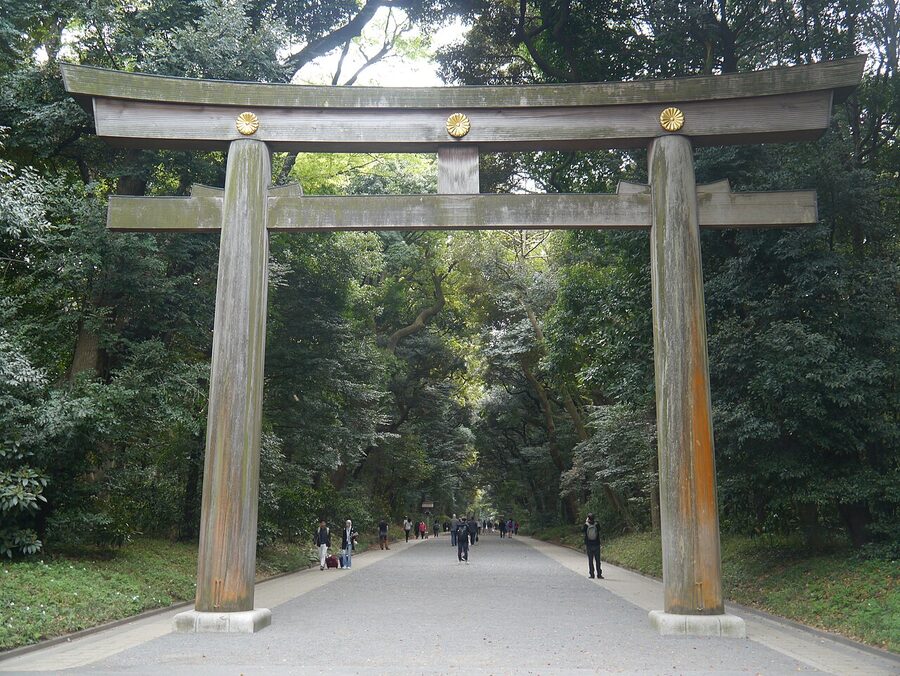
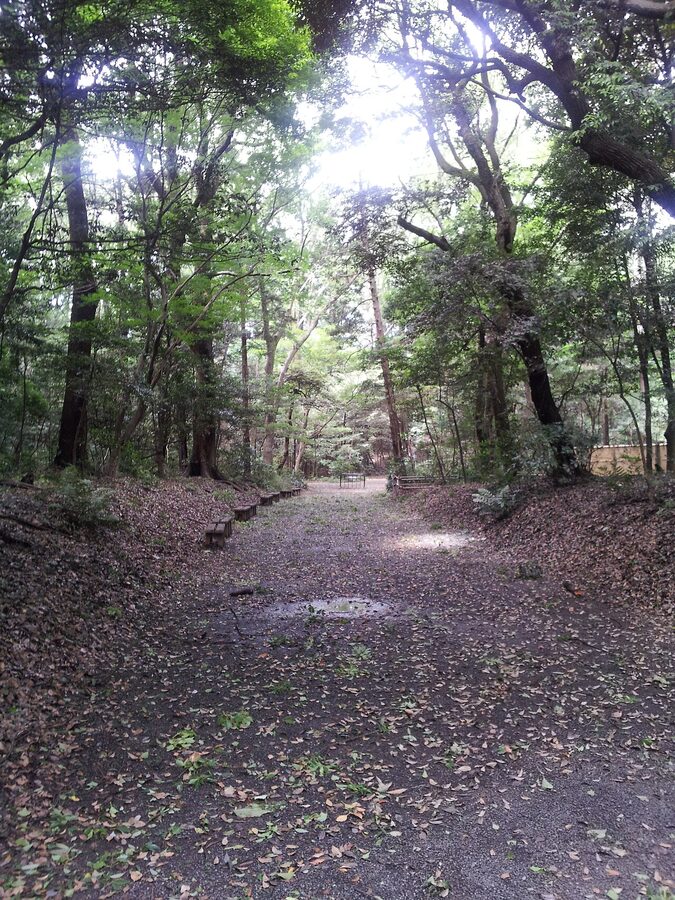
Meiji Jingū (明治神宮) is the shrine dedicated to Emperor Meiji and his consort, built in 1920 and rebuilt after WWII. It’s Tokyo’s most important Shinto shrine and — importantly for a Harajuku trip — the only place in the neighbourhood where you can genuinely hear yourself think. You walk under a 12-metre tall cypress torii gate, along a gravel path through 170 acres of planted forest, for about ten minutes, before the shrine buildings appear. It’s one of our favourite walks in the city.
Free entry to the shrine grounds. The inner Meiji Jingū Museum (¥1,000) and the Inner Garden (¥500) are extra but both worth it if you have 90+ minutes. The famous barrel display of sake and French wine you see on every Tokyo Instagram feed is just off the main path — can’t miss it. Come early (opens 6am roughly, varies by season) to see Shinto morning rituals if the timing lines up.
Access: JR Harajuku Station Omotesando Exit, or Meiji-jingūmae Station. Hours: sunrise to sunset. Official site.
2. Survive Takeshita Street
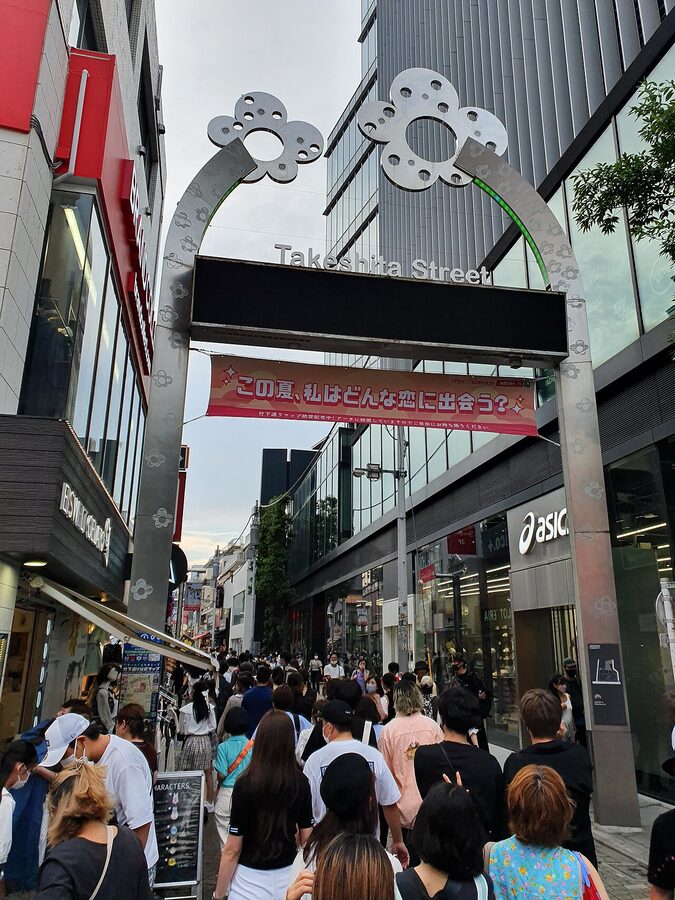
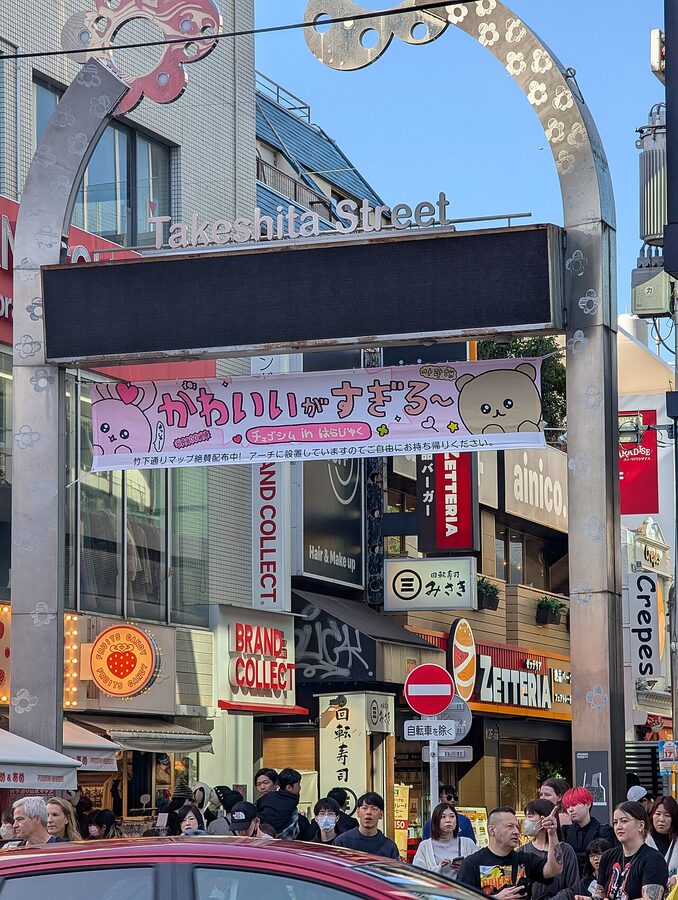
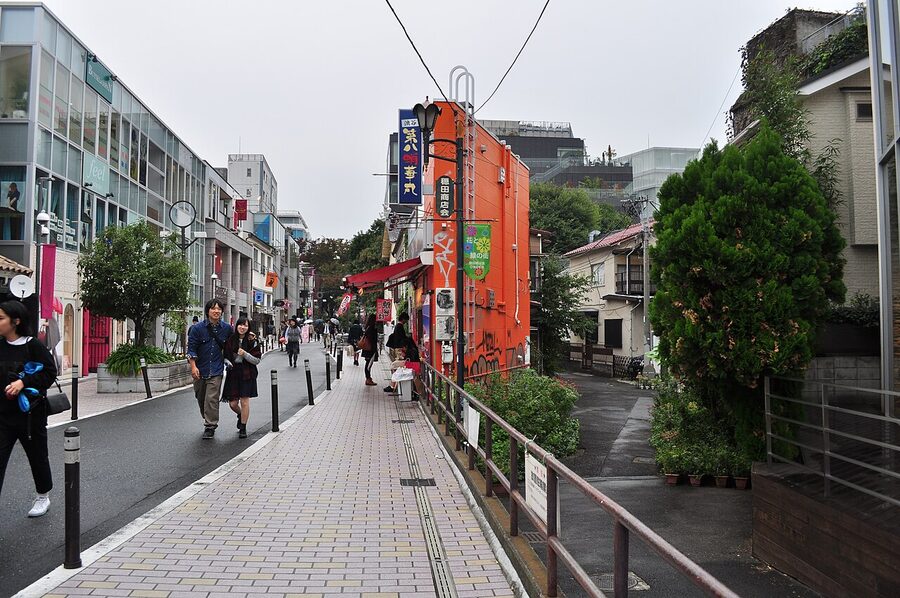
Takeshita Dori (竹下通り) is the 400-metre pedestrian-only shopping street that IS what most people think of when they picture Harajuku. Crepe shops, cotton candy bigger than your head, thrift stores, Daiso, purikura, and a genuine wall of teenagers at peak hours. It’s chaos. Lean into it for an hour and then leave — Takeshita is best in small doses.
Go on a weekday morning if you want photos without a million other people. Weekend afternoons are elbow-to-elbow and the queues for the viral food stops (Totti Candy, Zaku Zaku, Santa Monica Crepes) can hit 30+ minutes. Cash helps on Takeshita; not every small vendor takes cards.
3. Cross the Jingu Bashi bridge
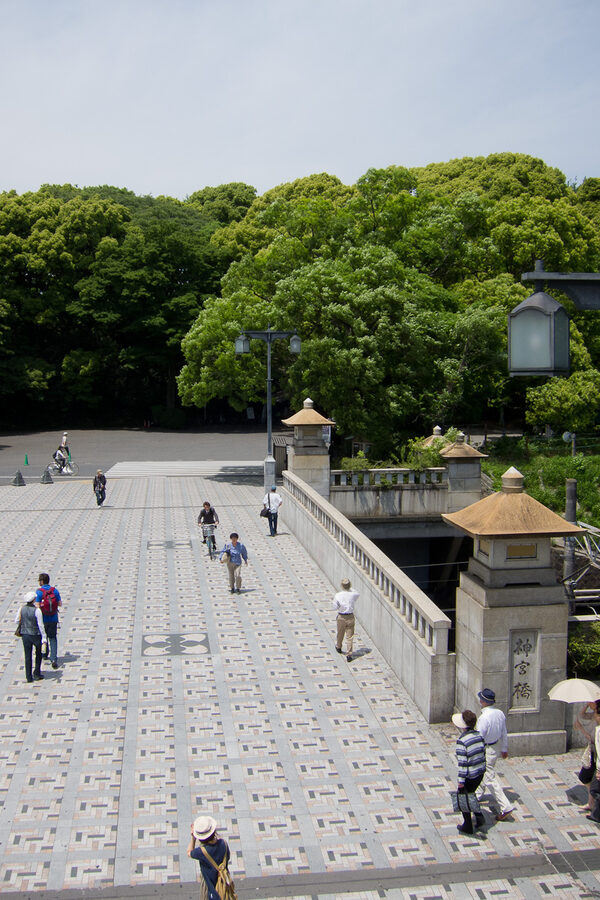
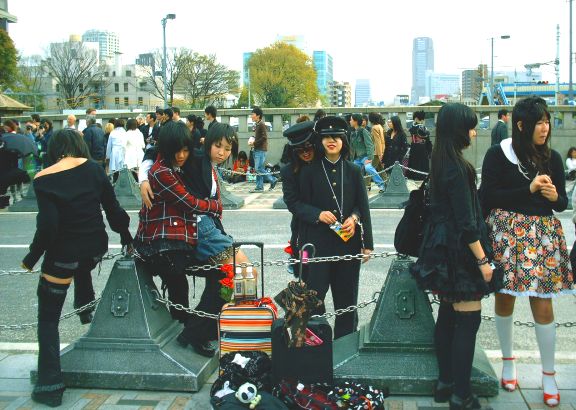
Jingu Bashi (神宮橋) is the short bridge between Harajuku Station and the entrance to Meiji Jingū. From the early 2000s through about 2015 it was Tokyo’s most famous unofficial street-fashion catwalk — Sunday afternoons, dozens of teenagers in full Gothic Lolita, visual-kei, or decora style, posing for photographers from around the world. That era has faded (social media killed the need for a physical meetup) but you’ll still catch a few cosplayers most Sundays.
Even without the fashion scene, the bridge is a pleasant 30-second stop on your way from station to shrine. Good photo angle looking north at the shrine torii beyond.
4. Wander Cat Street (Ura-Harajuku)
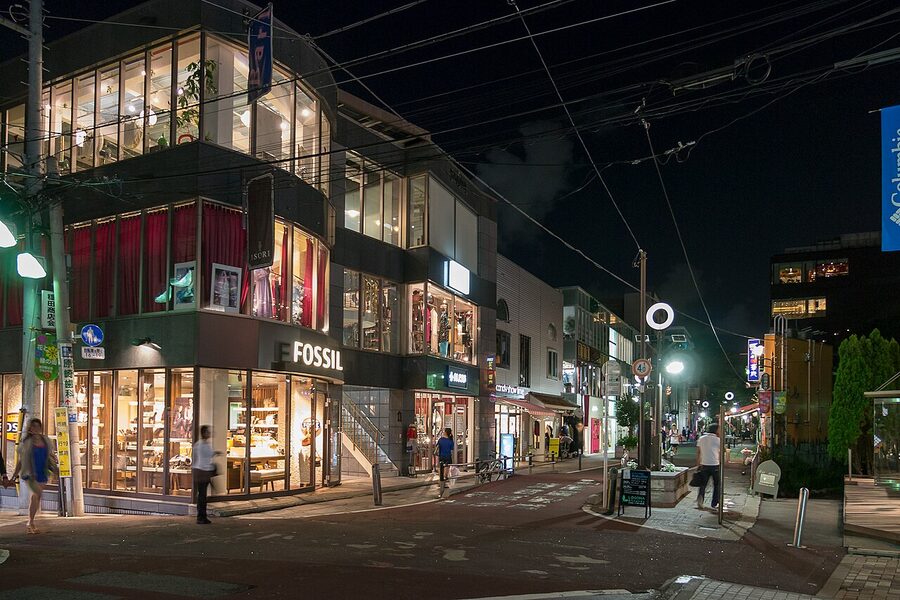
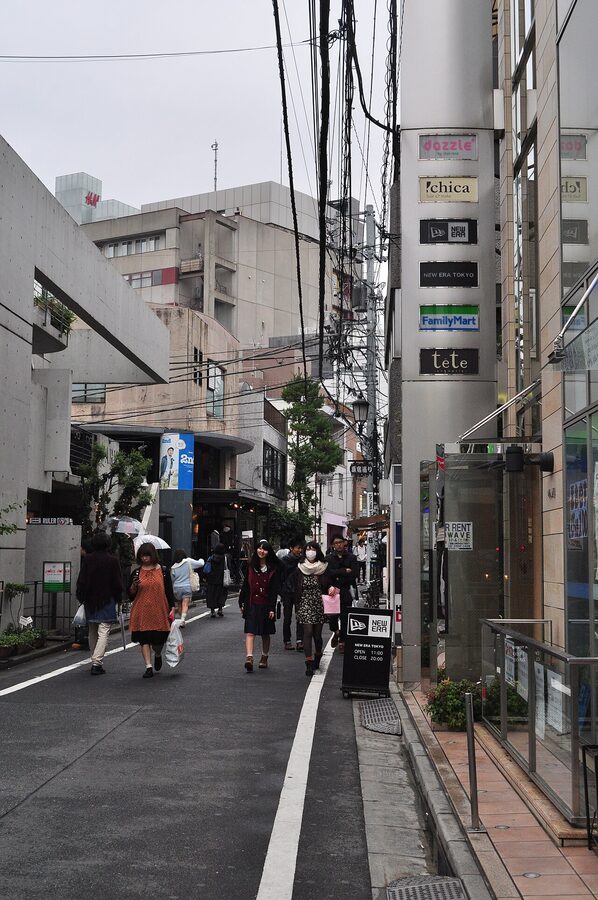
Cat Street — also called Ura-Harajuku (back-Harajuku) — is the half-kilometre pedestrian alley that runs roughly parallel to Omotesando, connecting Harajuku to Shibuya. It’s where the good shopping is. Independent streetwear brands, skate shops, specialty coffee, smaller chain outposts, and proper Tokyo cafés. No Meiji Shrine tourist crowds, no Takeshita teenagers. If you only have two hours in Harajuku and you like shopping, come straight here.
Named after the stray cats that allegedly used to hang out in the alley — there are approximately zero cats here now. The name stuck. Shops open around 11am and close between 7-9pm.
5. Walk Omotesando like it’s your catwalk
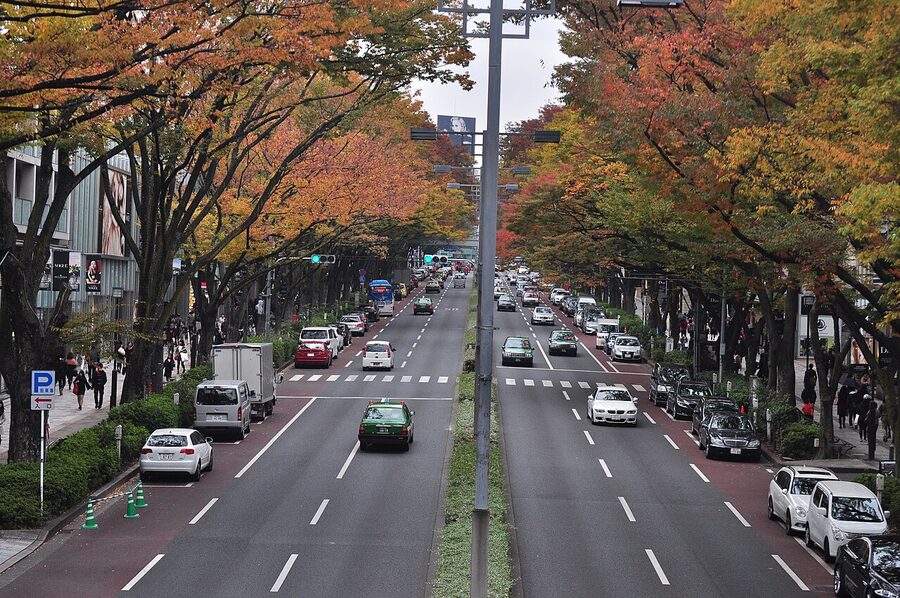
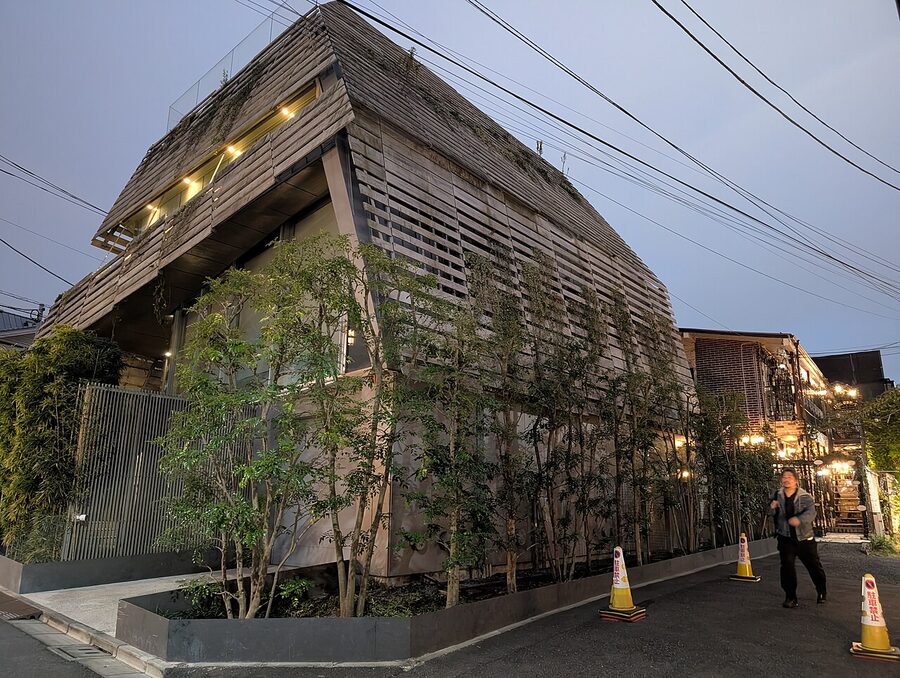
Omotesando (表参道) — often called the Champs-Élysées of Tokyo — is the tree-lined boulevard running south-east from Harajuku Station to Omotesando Station. It’s home to the flagship stores of basically every luxury house you can name (Dior, Louis Vuitton, Prada, Tod’s, Armani) — each building more architecturally interesting than the last. Even if you can’t afford to walk in, the buildings themselves are a free architecture tour.
The 150 keyaki (zelkova) trees along the avenue were planted in 1919 as part of the Meiji Jingū approach. In late November they turn yellow and the whole street gets Instagram-crowded. In April the cherry side-streets get flower-shower treatment. Any time of year, Omotesando is a pleasant 15-minute walk end to end.
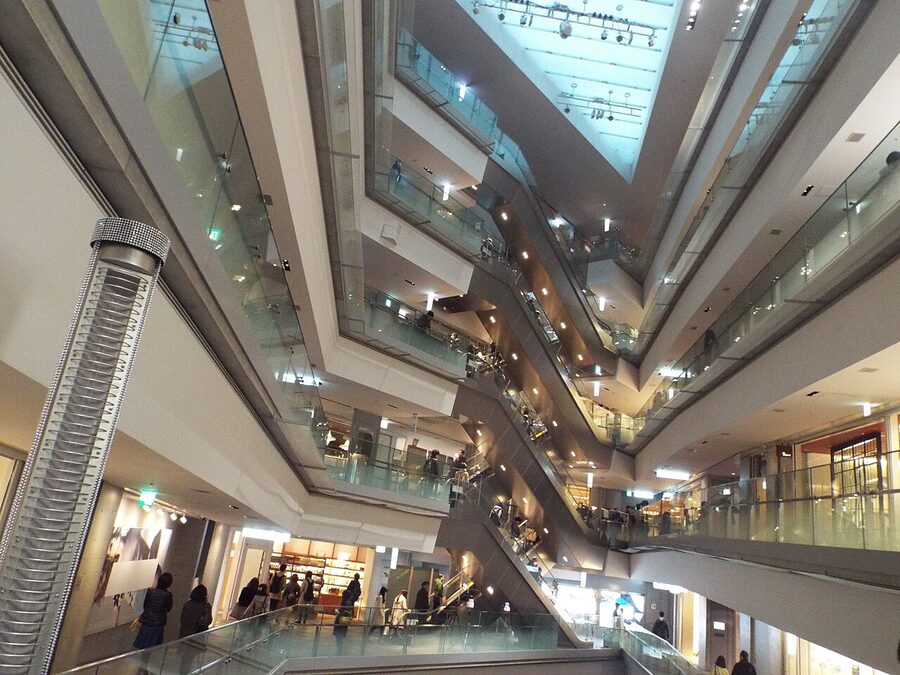
6. Ride the Tokyu Plaza Omotesando mirror escalator
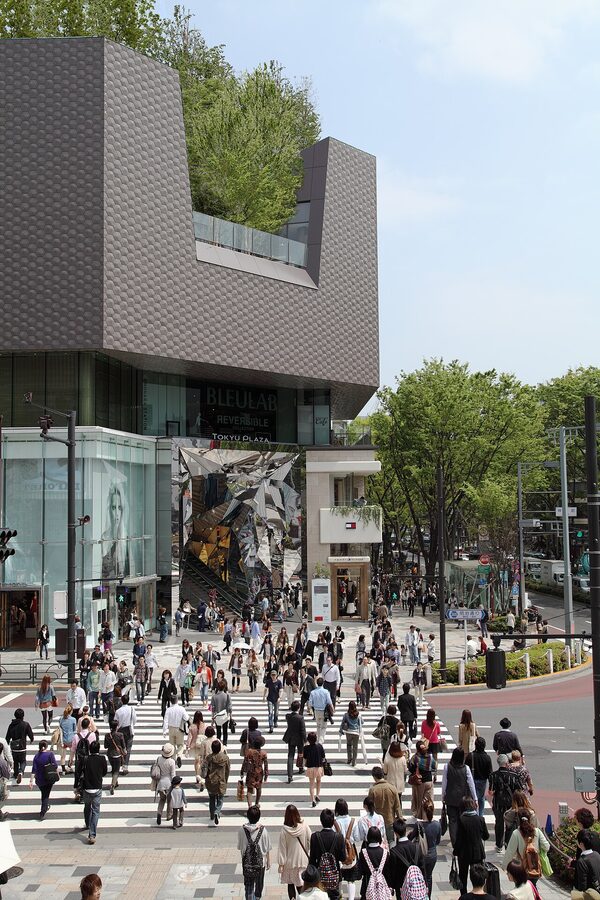
At the Harajuku end of Omotesando, where it meets Meiji Dori, sits Tokyu Plaza Omotesando Harajuku — a small mall famous for its kaleidoscopic mirror entrance. You step on the ground-floor escalator, look up, and see the neighbourhood reflected at you from 300 polyhedral mirror panels. Free. Always open (during mall hours). A 90-second visit.
The 6th-floor rooftop (Omohara no Mori) has a Starbucks with a wooden deck that looks down over the Harajuku crossing. ¥500 for coffee, free to sit, a legitimately good city view. The rooftop gets crowded around sunset — if you’re there for the view specifically, aim for 2pm.
Hours: 11am–9pm (shops), Starbucks until 10pm.
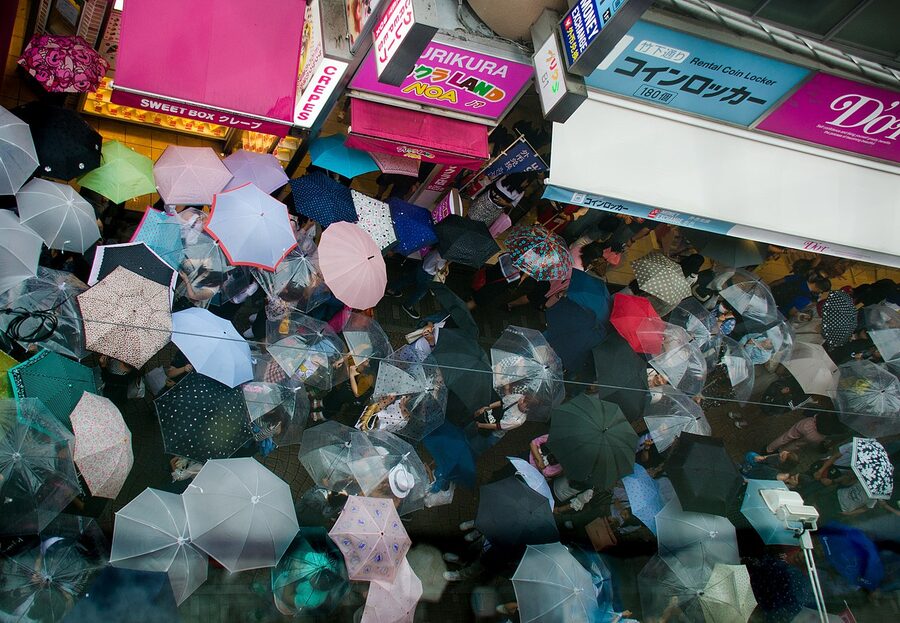
7. Take ridiculous photos at Purikura NOA
Purikura (プリクラ) is the Japanese photo-booth tradition — but they’re not your grandmother’s photo booths. These machines take your picture, smooth your skin into a porcelain glow, enlarge your eyes by about 30%, and let you decorate the print with stickers and handwriting before they print you a sheet of tiny photos. It’s silly. It’s fun. It’s a genuinely Tokyo-teenager experience.
Purikura LAND NOA on Takeshita Dori is the biggest dedicated purikura arcade in Harajuku, three floors of machines, ¥400 per session for 4 people. Go with friends. The results will be deeply strange and you’ll love it. Rule of the house: men-only groups sometimes aren’t allowed at the more fashion-oriented machines — the policy is enforced by posted signs, not staff, so just check before you insert coins.
8. See ukiyo-e at the Ōta Memorial Museum of Art
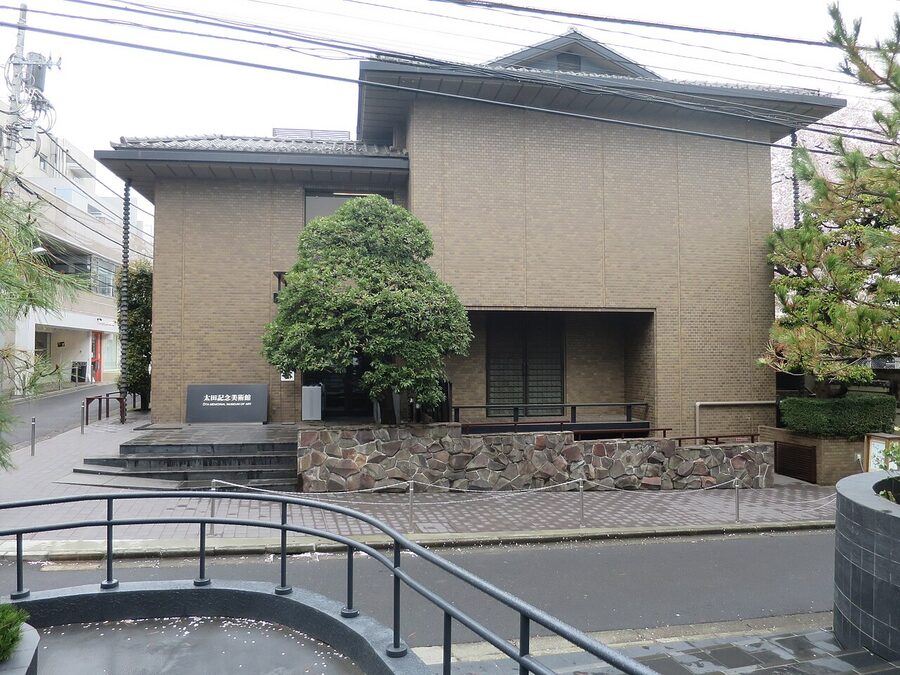
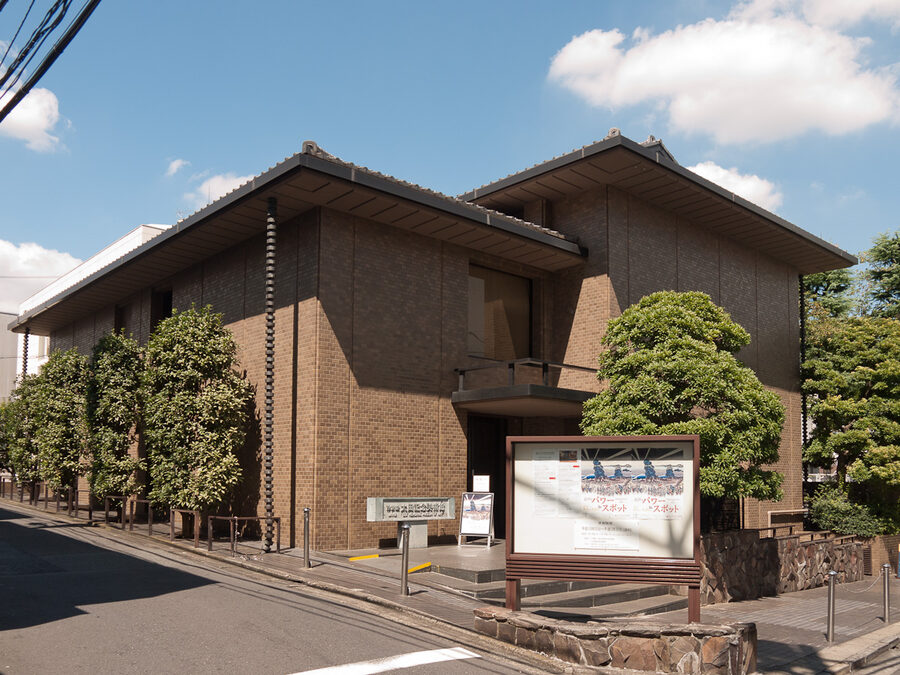
Hidden on a Harajuku side street, the Ōta Memorial Museum of Art (太田記念美術館) holds 15,000 Japanese woodblock prints (ukiyo-e) — including works by Hokusai, Hiroshige, and Utamaro. The collection rotates monthly, and at any given time you’ll see 70-80 prints with English captions. It’s small, quiet, and almost never crowded. One of Tokyo’s best museums that nobody goes to.
Entry: ¥1,000 (varies with exhibition). Hours: 10:30am–5:30pm, closed Mondays. Closed between exhibitions (roughly 4 days per month). Shoes off at the entrance — you’ll get slippers. Zero photography allowed inside. Official site.
We rate this over Meiji Jingū Museum if you only pick one. If you like ukiyo-e, it’s unmissable.
9. Hang out in Yoyogi Park
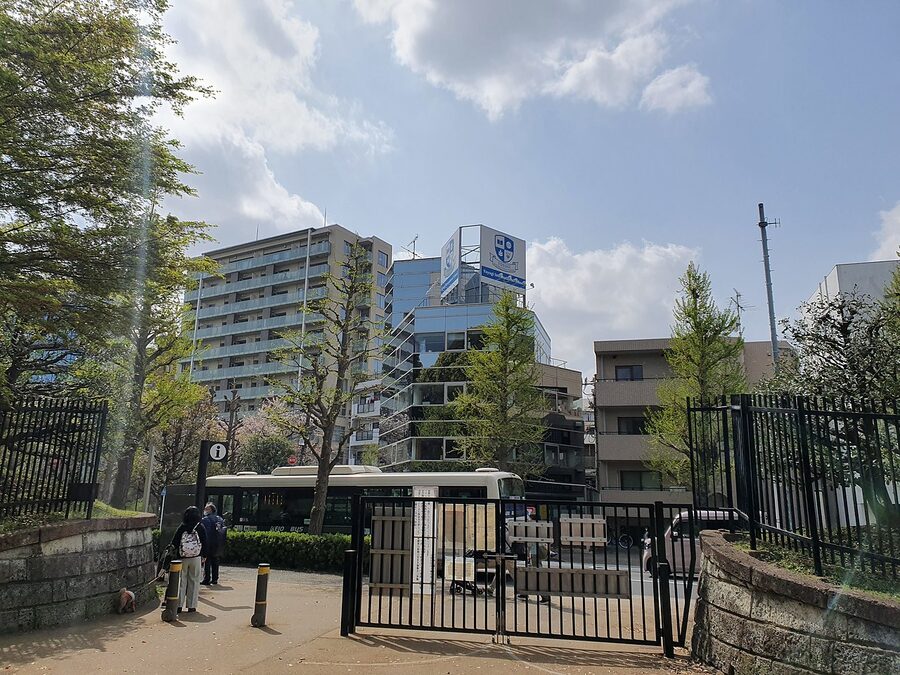
Yoyogi Park (代々木公園) is the 130-acre park adjoining Meiji Jingu to the south — different park, same forest-block-within-Tokyo energy. On weekends it’s a rolling spectacle: rockabilly greasers doing 1950s dance routines by the gates, hip-hop dance crews in the open lawn, picnickers, dog walkers, and every so often a random music festival. It’s the single best people-watching spot in Tokyo.
Walk across to Meiji Jingu through Yoyogi (entrance near the north-east gate) for a quieter, more scenic approach than the Harajuku Station side. In April the cherry blossoms are serious — a proper hanami party, usually less chaotic than Ueno. Free entry, always open.
10. Find the Nezu Museum
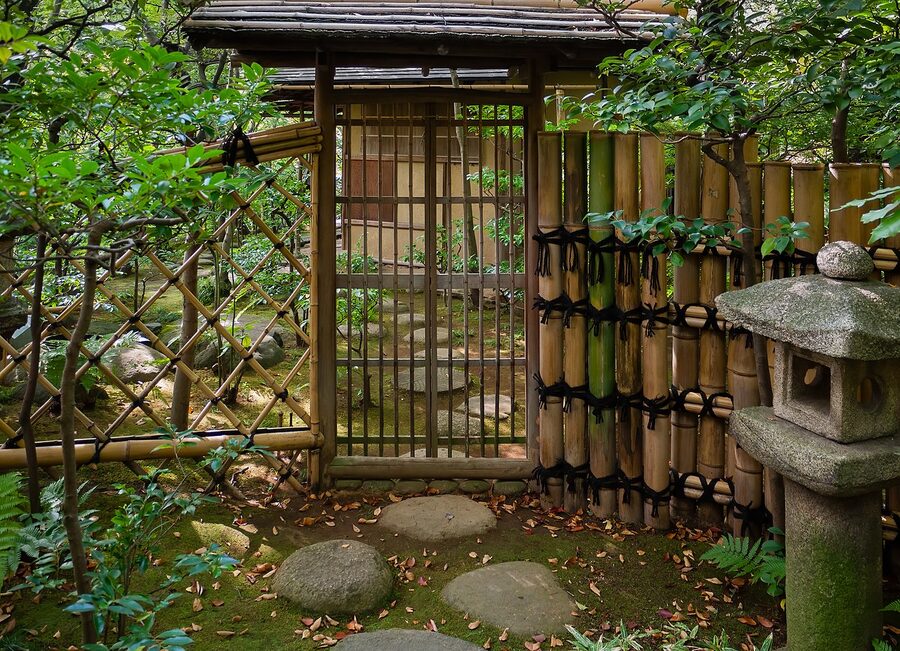
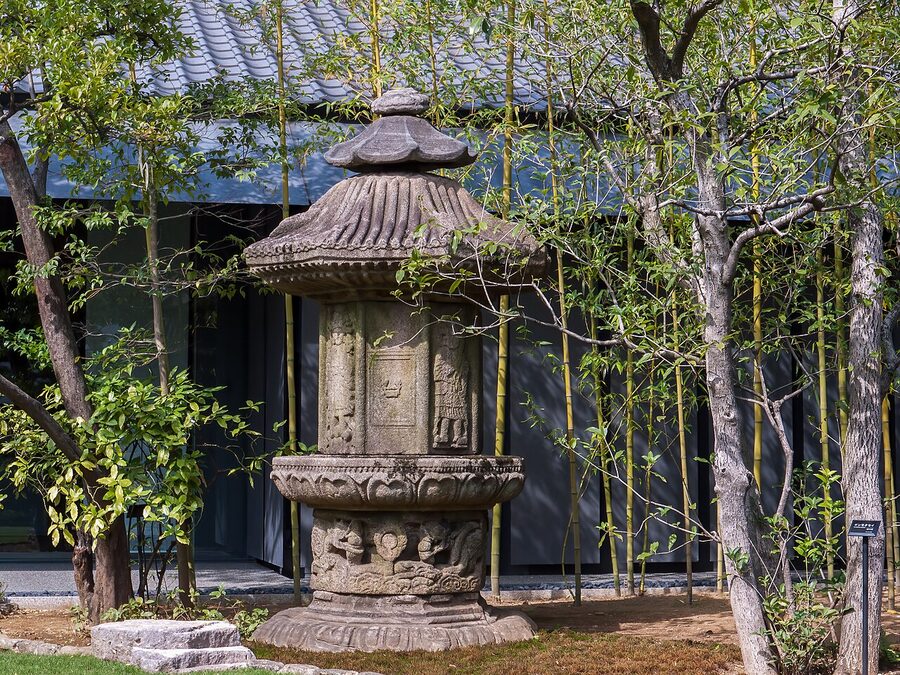
At the far south-east end of Omotesando — a 10-minute walk from Harajuku Station or a 3-minute walk from Omotesando Station — sits the Nezu Museum (根津美術館). It’s the private collection of Meiji-era industrialist Nezu Kaichirō: pre-modern Japanese and East Asian art (Buddhist statues, tea ceremony ceramics, scrolls), rotating exhibitions, and — our actual reason for loving this place — a 17,000-square-metre Japanese garden out the back. Moss, ponds, stone lanterns, tea houses. In central Tokyo.
Entry: ¥1,500 (special exhibitions ¥1,800-¥2,000). Hours: 10am–5pm, closed Mondays. Bookings often required during peak seasons. Official site. The garden alone justifies the ticket price in our book.
11. Explore Laforet Harajuku
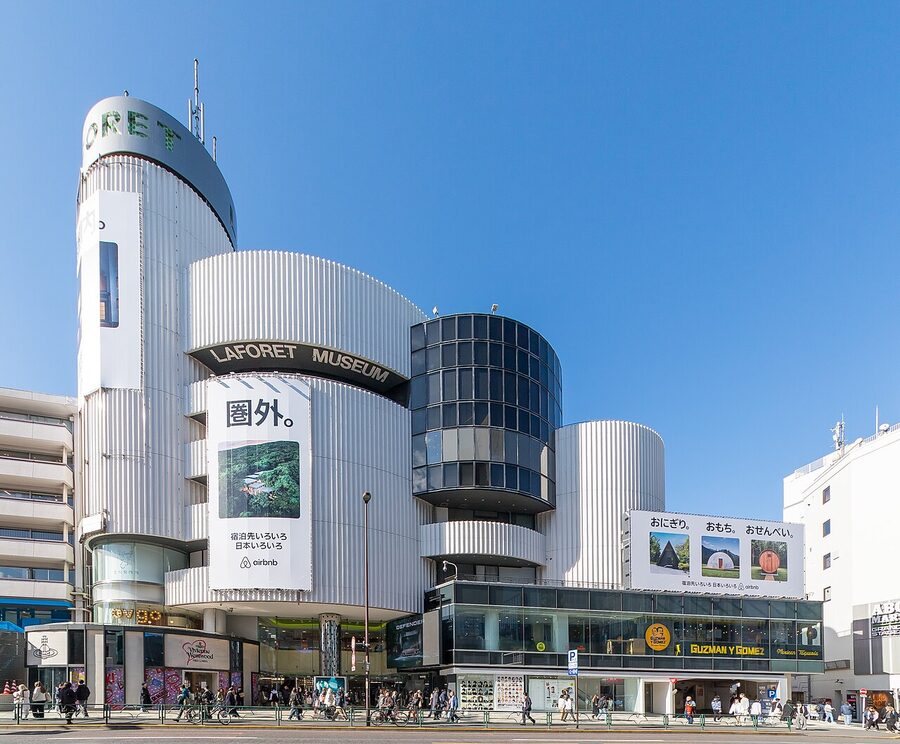
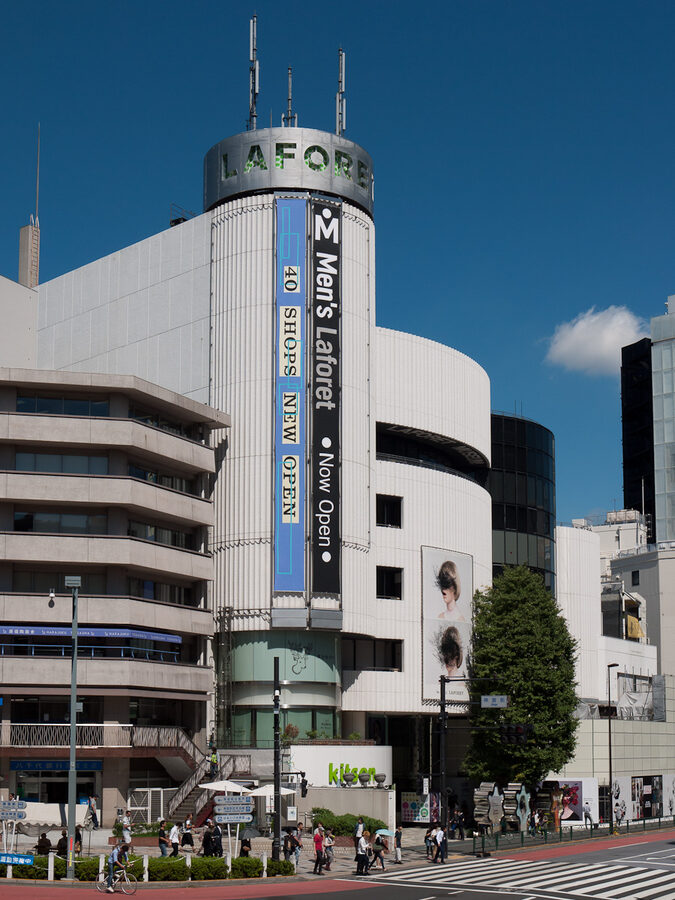
Laforet Harajuku is the 7-floor department store at the intersection of Meiji Dori and Omotesando — Harajuku’s spiritual home for alternative fashion since 1978. Gothic Lolita, visual kei, decora, fairy kei, Y2K-revival streetwear: it’s all here. Even if you have no intention of buying a corseted parasol or platform shoes, Laforet is an anthropological field trip.
The basement B1.5 floor specifically (accessed via its own street-level entrance) is Tokyo’s densest Gothic Lolita scene and is worth a look even for non-shoppers. Laforet also runs a rotating art space on the top floor — check their events listing.
Hours: 11am–9pm. Official site.
12. Shop Kiddy Land
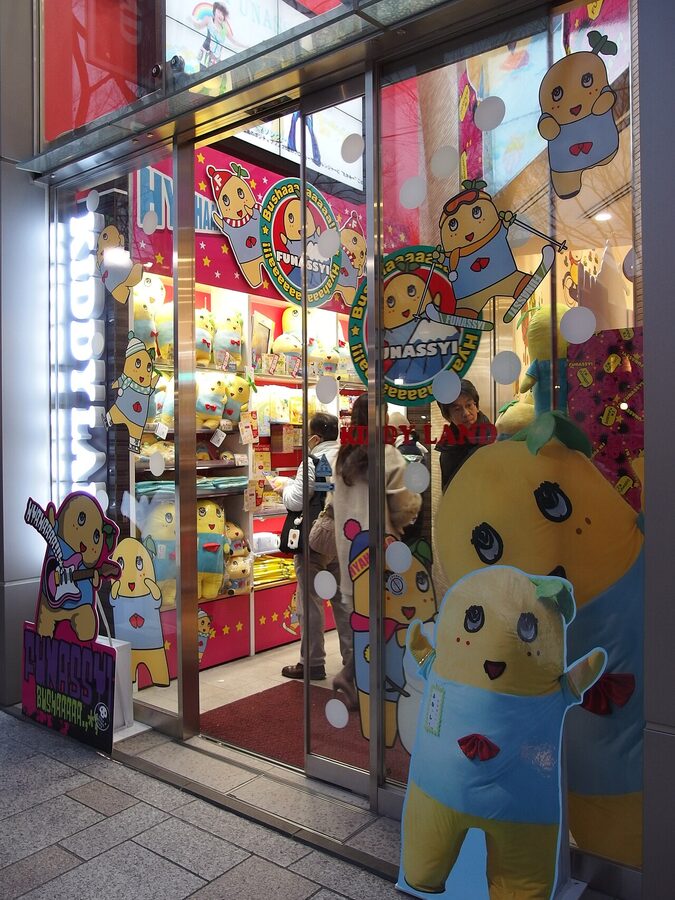
Kiddy Land on Omotesando is the 5-floor toy store that adults love more than children. Every major Japanese character franchise has a section: Hello Kitty (basement), Snoopy (floor 2), Rilakkuma (floor 3), Studio Ghibli (floor 4), Disney Japan exclusives throughout. It’s chaos, it’s adorable, and the exclusive-to-Japan merch makes it the single best souvenir-shopping stop in Tokyo if you have someone to buy for.
Prices are full retail — this isn’t a discount shop. But the exclusive-to-Japan limited editions (particularly Ghibli and Rilakkuma) are things you legitimately can’t get at home, which is the point. Tax-free counter on the ground floor with your passport.
Hours: 11am–9pm. Official site.
13. Drop in at Design Festa Gallery
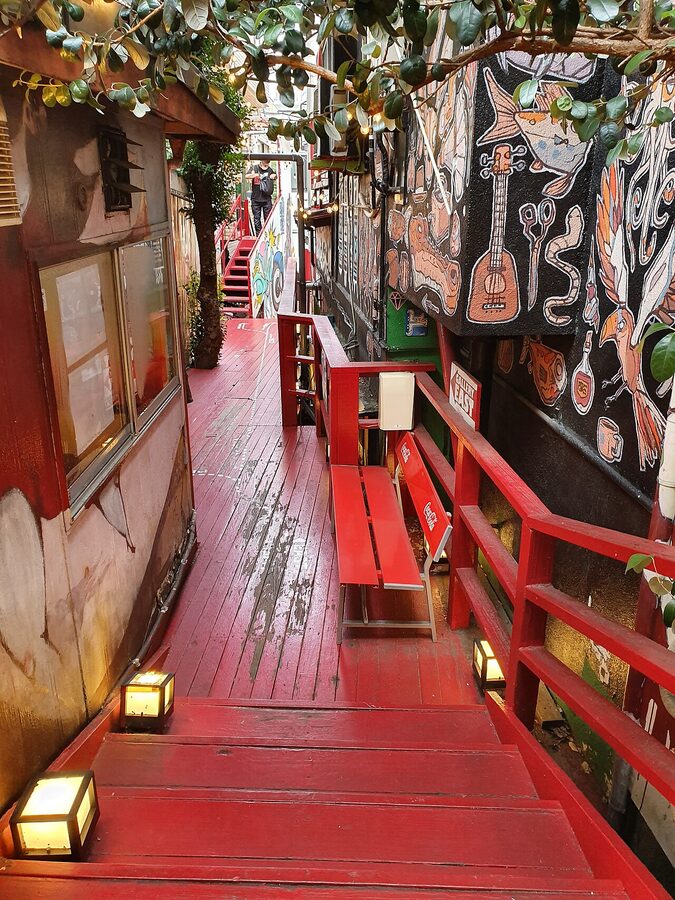
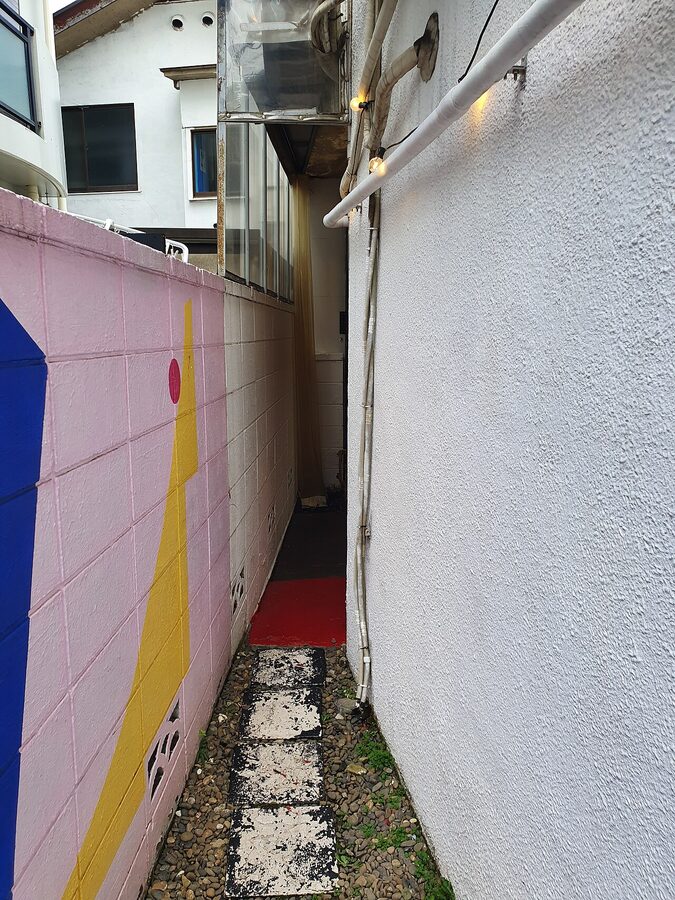
Tucked in the back streets north of Takeshita Dori, Design Festa Gallery is a free, independent art space where anyone — emerging artists, students, amateurs — can rent a small exhibition bay for a weekend and show their work. You walk in off the street, wander between three converted houses, and see what 30-40 different artists are working on that week. Painting, sculpture, installation, weird stuff that defies classification. It changes every week.
Our pick for Harajuku’s most under-appreciated stop. It costs nothing, takes 30 minutes, and there’s no other art space in Tokyo quite like it. The East building café does decent coffee if you need a break.
Hours: 11am–8pm, open daily. Official site.
14. Walk through Omotesando Hills (Tadao Ando)
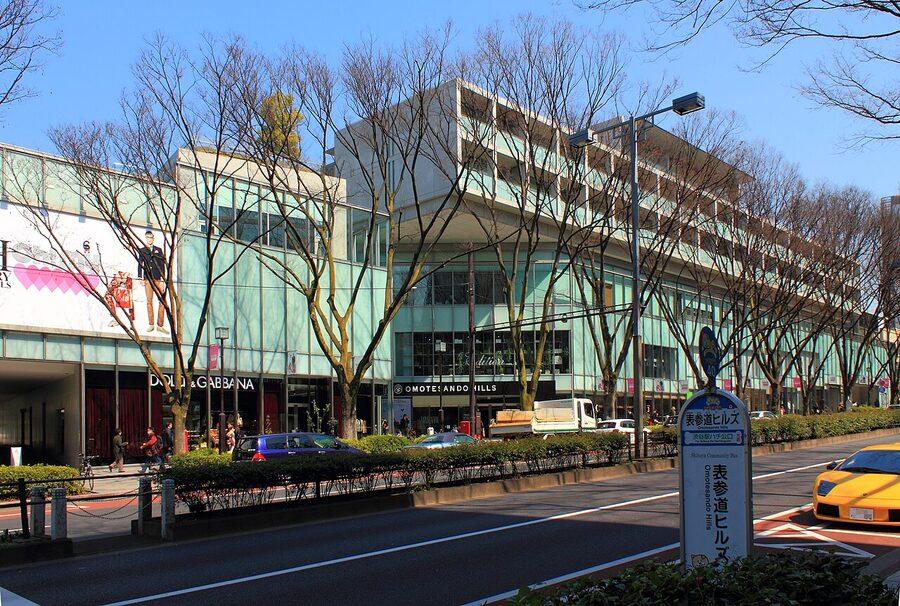
Omotesando Hills is Tadao Ando’s 2006 replacement for the beloved Dojunkai Aoyama apartments (a 1927 modernist complex that stood here until demolition). It’s a 250-metre-long glass-fronted retail building that extends three floors underground, connected by a continuous spiral ramp that matches the slope of Omotesando outside. The architecture nerd take: Ando kept the same building footprint and gradient as the original. The fashion nerd take: high-end mixed retail — Valextra, Jil Sander, boutique cosmetics.
Walk the internal ramp once, end to end, even if you buy nothing. It’s a free 15-minute architecture experience. B3 floor has a few cheap-ish coffee shops if you want to sit down.
Hours: 11am–9pm. Official site.
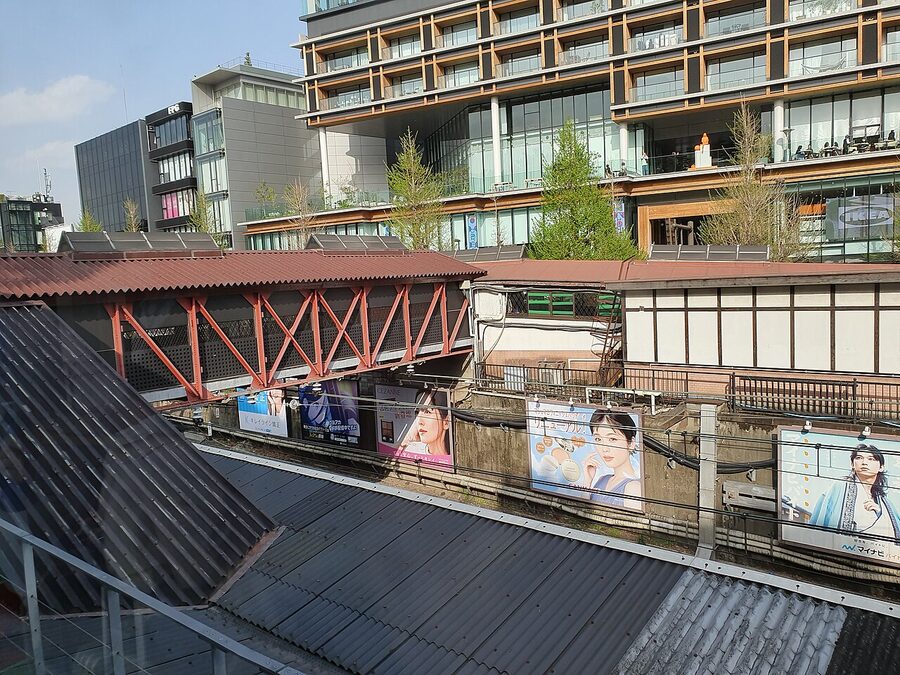
15. Glance at the new Harajuku Station
Harajuku Station got a full rebuild in 2020. The old half-timbered 1924 wooden station — Tokyo’s oldest wooden station building — was demolished in 2020 ahead of the Tokyo 2020 Olympics, which was controversial at the time. The new one is clean, bright, much larger, and has proper accessibility (lifts, wide corridors). The old building was charming but you couldn’t fit two wheelchairs past each other.
There’s an observation deck (second floor, past the ticket gates) with a small view over Meiji Dori. Worth a 2-minute stop if you’re passing through anyway.
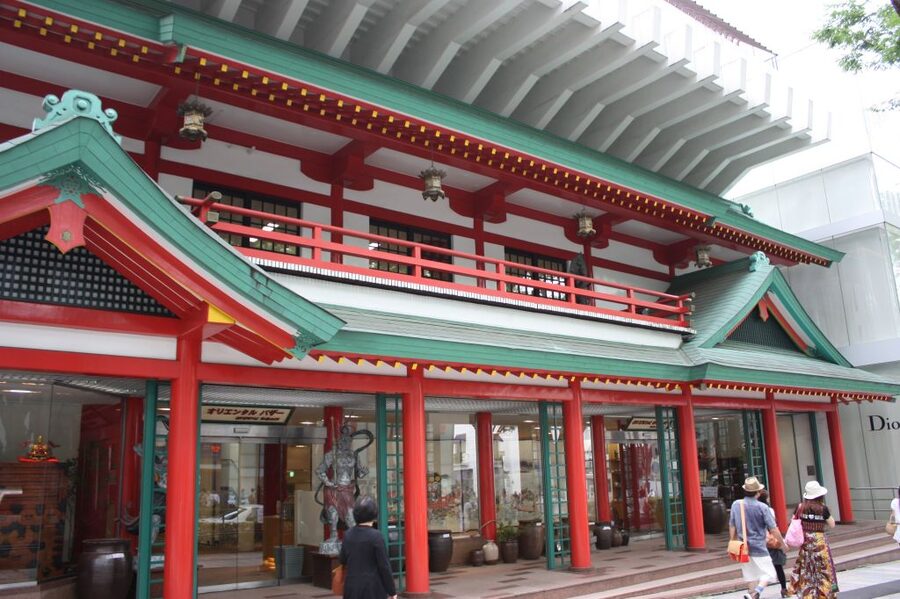
16. Shop proper souvenirs at Oriental Bazaar
Oriental Bazaar on Omotesando is Tokyo’s trusted souvenir shop, in business since 1916. Three floors: traditional Japanese art and antiques (scrolls, ceramics, netsuke) on the top floor; mid-range clothing and yukata on the middle; genuinely nice cheap-ish souvenirs (tenugui hand towels, sake cups, chopsticks) on the ground floor. The prices are fair for what you get. The staff speak English. Tax-free counter with passport.
If you need to bring back gifts for 10 people and don’t want to do 10 shopping runs, start and finish here. Our go-to recommendation: ¥1,500 tenugui (a traditional dyed cotton towel) — useful, flat-packable, 100% Japanese. Done.
Hours: 10am–7pm, closed Thursdays. Official site.
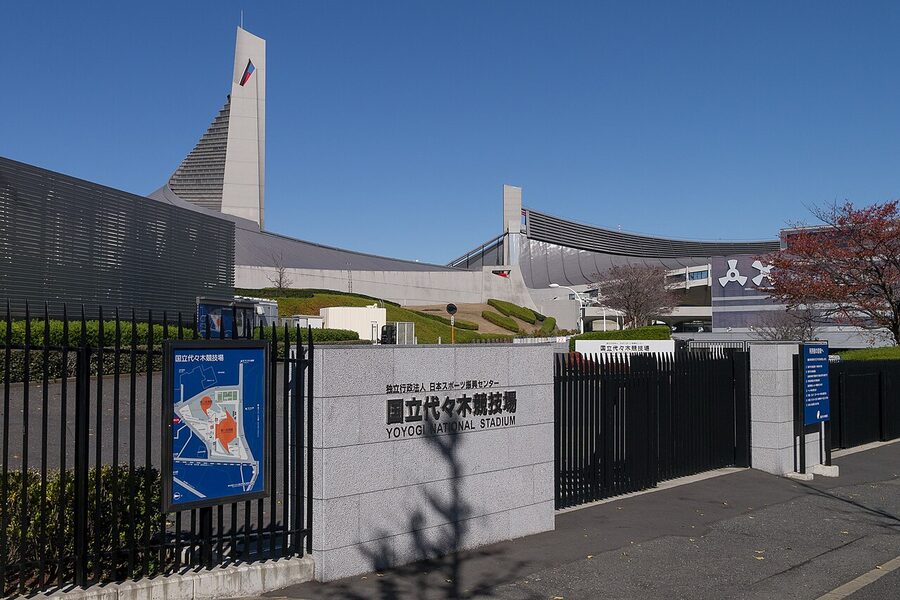
17. Admire Yoyogi National Gymnasium
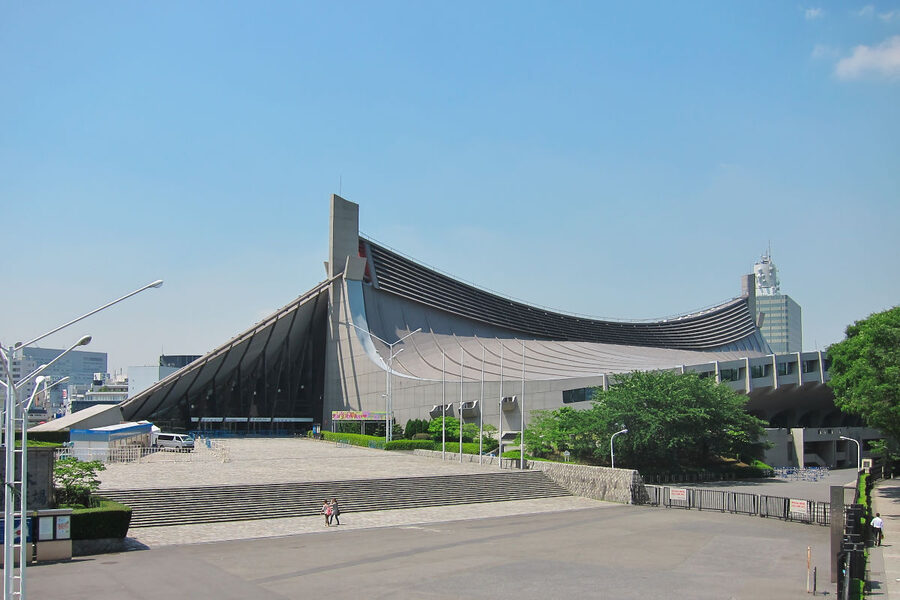
A 15-minute walk from Harajuku Station, through Yoyogi Park, sits one of the greatest 20th-century buildings in Japan: Yoyogi National Gymnasium (国立代々木競技場), designed by Kenzō Tange for the 1964 Tokyo Olympics. The main pavilion uses suspension-bridge engineering to create a sweeping 130m curved roof with no internal columns. It housed swimming at the ’64 Olympics and handball at 2020. It was the first major Japanese public building to win international architecture awards.
You can walk all the way around for free. If there’s an event on, you might get lucky and see inside for the price of a ticket — but the building exterior alone is worth the walk. The smaller B-pavilion next door hosted basketball in ’64 and is architecturally interesting too.
Access: 7-minute walk from Harajuku Station (through Yoyogi Park), or 3 minutes from Meiji-jingūmae.
18. Catch the Sunday street-fashion scene
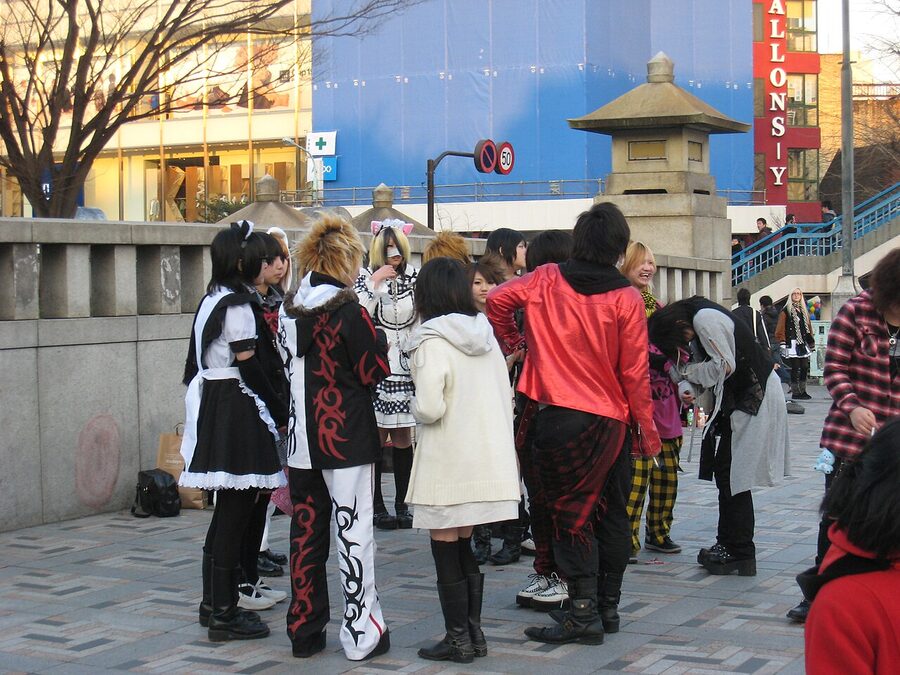
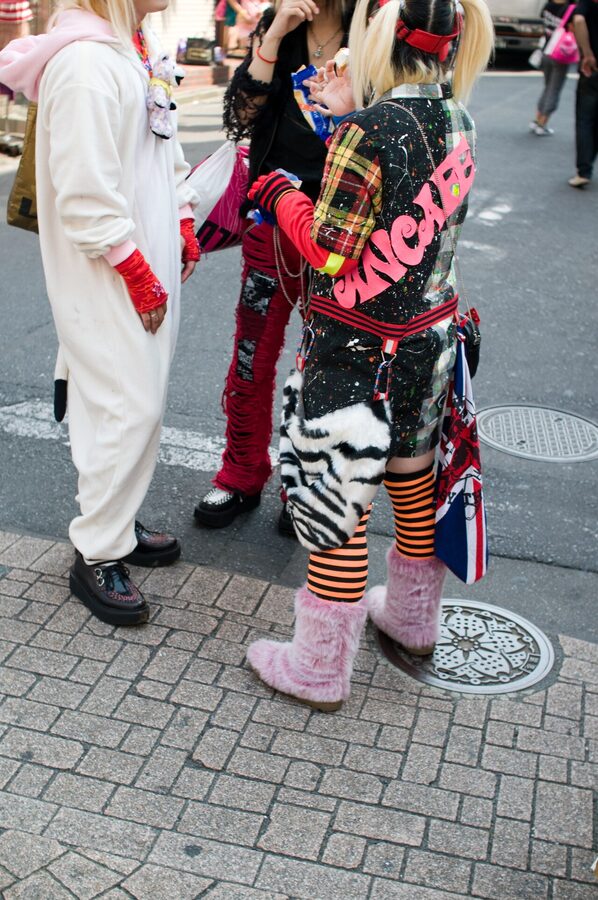
Harajuku’s street-fashion scene is a shadow of its early-2000s peak (when FRUiTS magazine photographed dozens of kids a day on Jingu Bashi), but it’s not dead. On any given Sunday afternoon you’ll still see decora, fairy-kei, or visual-kei teenagers posing near the station and around Takeshita’s north end. The density varies wildly week to week. Random events (anime conventions, cosplay meetups) occasionally bring it back to full chaos.
How to behave: Most cosplayers expect to be photographed — it’s why they dressed up — but always ask first. A polite "Shashin ii desu ka?" (‘Is a photo OK?’) goes a long way. Smile. Don’t crowd them.
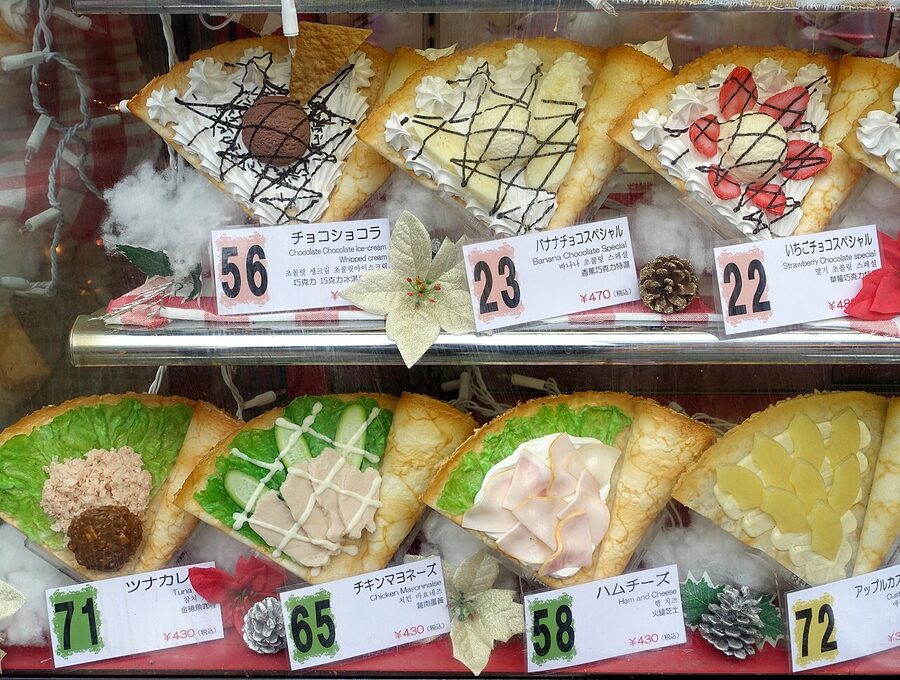
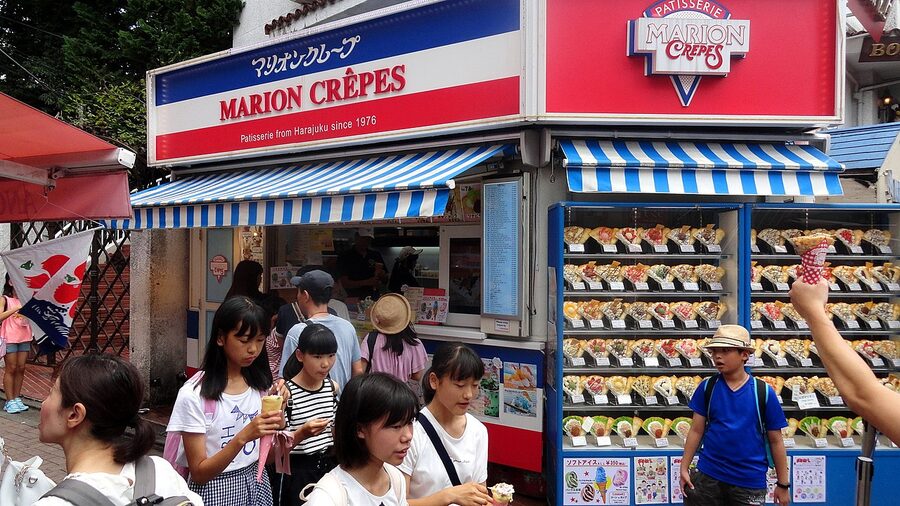
19. Eat a crepe (and know which one)
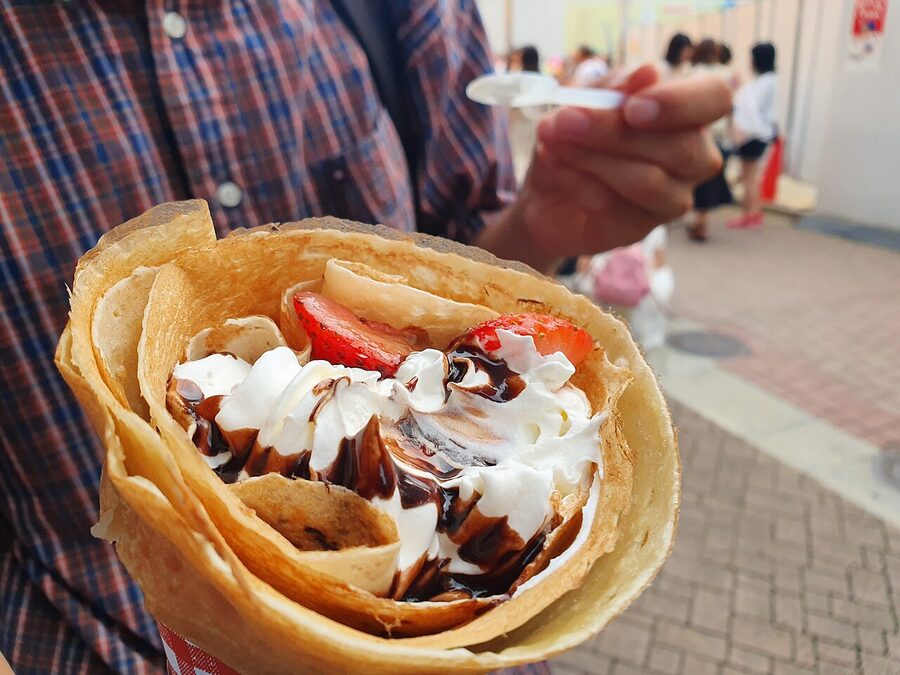
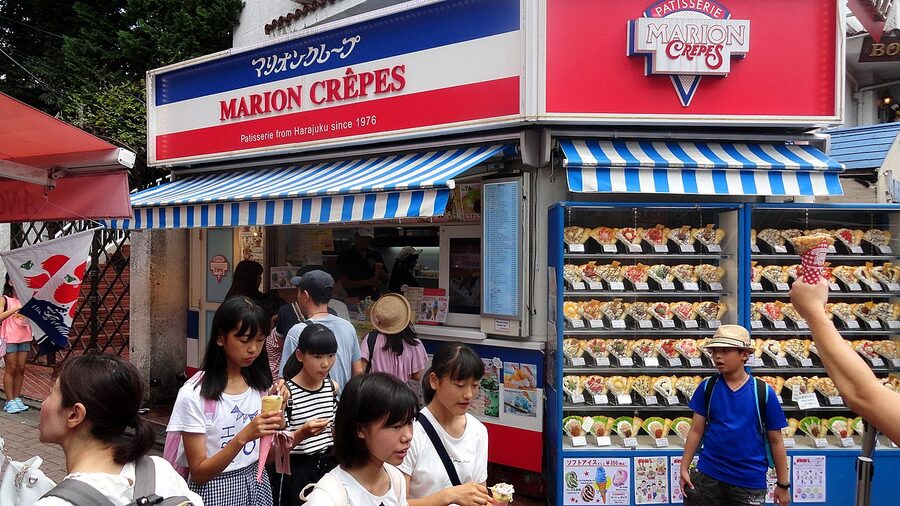
Takeshita Street has something like 10 competing crepe shops. For a street that’s 400 metres long. The crepe wars are real. Here’s the actual ranking, based on a decade of eating our way through them:
Marion Crepes — founded 1976, the original. Thin crepe, light cream, classic fillings (strawberry, banana, chocolate). The crepe you should eat if you’re doing Takeshita for the first time. ¥600-900. Two branches on Takeshita alone.
Santa Monica Crepes — thicker crepe, overloaded fillings (entire cheesecake slices, gelato), very Instagram. Good if you’re sharing. ¥800-1200.
Zaku Zaku Croquant-chou — not technically a crepe but adjacent (filled cream-puff stick). Almond crunch exterior, custard inside. ¥300. Worth the 10-minute queue.
Skip: Anywhere with a rainbow-branded crepe that costs ¥1,500+. You’re paying for the Instagram shot, not the crepe.
20. Debate the theme café question
Harajuku is theme-café central. You’ll see signs for cat cafés, owl cafés, hedgehog cafés, dog cafés, reptile cafés, and one we saw last year advertising "meerkat encounters." Our view: most are overpriced (¥1,500-3,000 entry), the animals are often visibly stressed, and the experience is 30 minutes of paying to watch a nervous animal ignore you.
Exceptions we’ll vouch for: Mocha Cat Café (adopted shelter cats, low-key, the cats genuinely choose whether to interact) and the Kawaii Monster Café — wait, no, that one closed in 2021. Never mind. For actual animal cafés, cat cafés are generally the most ethical of the lot because the cats can hide. Avoid anywhere that advertises hedgehogs or exotic reptiles — the welfare standards are usually not good.
If you want a theme experience without the ethics concerns, try a kawaii sweets café instead (totemo kawaii, moomin café) — the "theme" is the décor and you don’t have to worry about stressed animals.
21. Dig through vintage at WEGO, Closet Child, Panama Boy
For actual Tokyo-teenager vintage shopping, skip Cat Street’s newer boutiques and head to the big three thrift chains, all within a 5-minute walk:
WEGO — 2 floors of vintage and WEGO-brand new-vintage. Huge selection, Japanese high-school-student prices (¥2,000-5,000 for most pieces). The best starting point.
Closet Child — specialised second-hand Gothic Lolita and visual-kei clothing. Prices are notably higher than WEGO (¥5,000-20,000) but this is where you go for proper brand-name alt fashion.
Panama Boy — smaller, more curated (yes, we know, the style guide bans that word — but here we actually mean it) vintage Americana, leather, denim. Prices on the higher end.
22. Queue for Harajuku Gyoza Lou
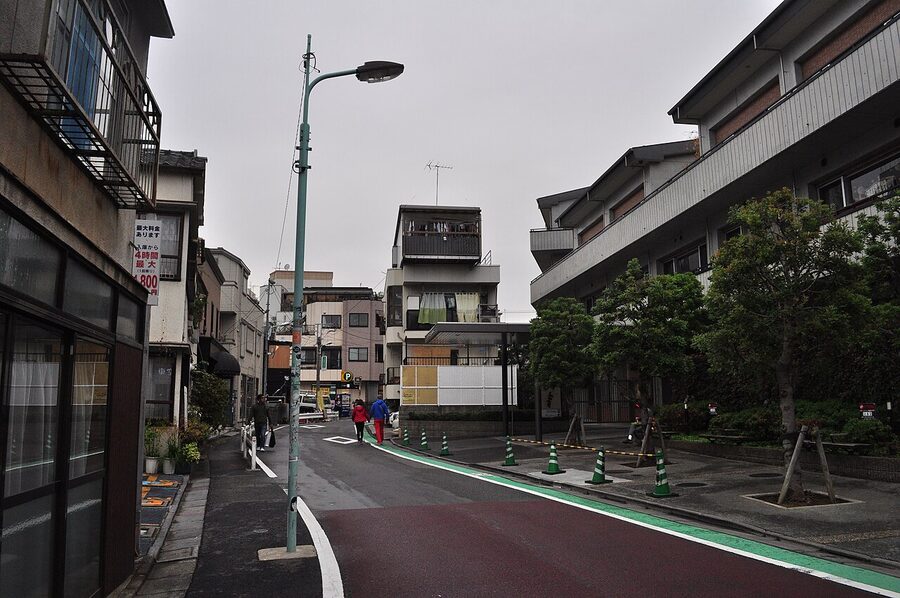
A block off Takeshita Dori, on a residential side street, is Harajuku Gyoza Lou (原宿餃子楼) — Harajuku’s cheap-and-cheerful gyoza specialist. They serve exactly four things: pan-fried gyoza, boiled gyoza, moyashi namul (bean sprouts), and beer. A plate of 6 gyoza is ¥320. Two plates, a plate of moyashi, and a beer is ¥1,100. It is perfect. The queue is always 20-40 minutes at lunch and less weird at 3pm.
Cash only. Shared bench seating, turnover is fast. Don’t order more than you can eat in 25 minutes — the staff will politely but firmly make you finish. Hours: 11:30am–3am daily, which is how you know they’re serious.
23. Raid Daiso Harajuku for souvenirs
Daiso is Japan’s largest 100-yen shop chain, and the Takeshita Dori branch is one of their largest urban stores — 4 floors, essentially everything-under-¥110 (well, most items; some run up to ¥550 for specialty goods). Stationery, kitchenware, snacks, cosmetics, branded gachapon toys, seasonal decorations.
This is how you finish your souvenir shopping on a budget. A ¥110 set of Japanese chopsticks, ¥110 matcha KitKats, ¥220 folding fans — bring an extra suitcase. The specialty Tokyo-branded items upstairs are the good stuff for gifts.
Hours: 9:30am–9pm.
24. Sit on the Tokyu Plaza Starbucks rooftop
We mentioned the Tokyu Plaza rooftop above. It deserves its own item because, genuinely, it’s one of the best free-ish Tokyo views we know. The Starbucks on the 6th floor has outdoor wooden decking with waist-height wooden railings, bench seating, and a 270-degree view across the Harajuku/Omotesando crossing, toward Shibuya. Order anything (¥500 drip coffee works) and you’ve earned yourself 20 minutes of sit-down urban panorama.
Best time to go: late afternoon on a clear day — you can see Mt. Fuji from here in winter if the air is clean. Sunset gets crowded but is worth it. Mornings are the calmest.
Not to be confused with the other Starbucks in Harajuku (inside Tokyu Plaza ground floor, no view).
25. Catch cherry blossoms at Yoyogi Park
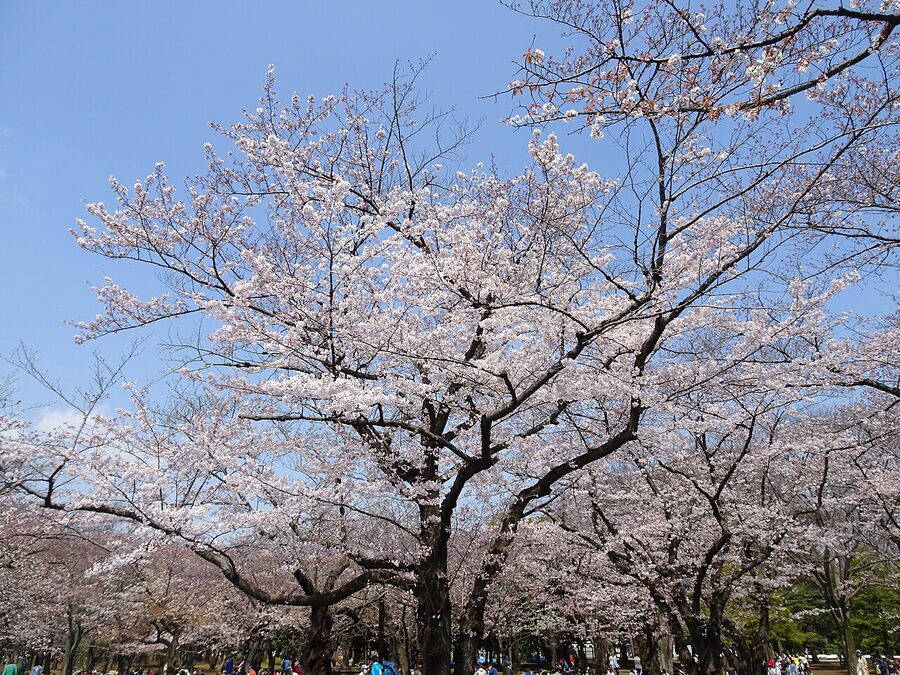
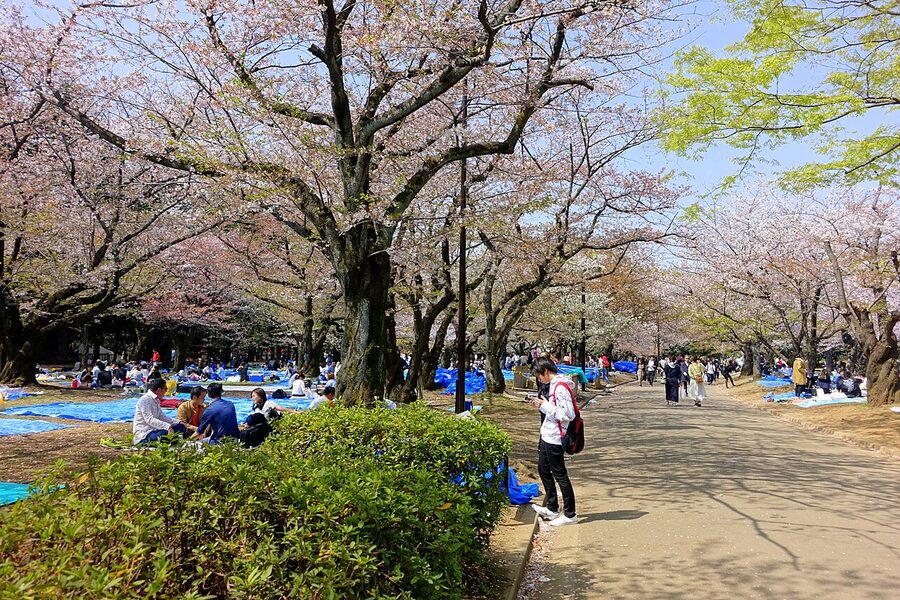
Yoyogi Park’s cherry blossom week (late March to early April, exact dates vary year to year) is one of Tokyo’s less-crowded proper hanami experiences. The main cherry concentration is along the east side of the park near the Harajuku entrance. It’s not as dense as Ueno’s famous thousand-tree avenue, but the trade-off is you can actually walk around.
Picnic tarps are allowed on the lawns. Bring your convenience-store beer and bento — we’ll be the group over by the corner with the blue tarp and the questionable life choices. Peak Friday evening through Sunday. Arrive by 10am on Saturday if you want a flat tarp spot on the grass.
26. Café-hop the Omotesando side streets
Between the Oriental Bazaar and the Nezu Museum — particularly on the north side of Omotesando — there’s a dense cluster of good third-wave coffee shops, most within a block or two of the main avenue. If you need to get off your feet after a Takeshita run, this is where. Our rotation:
Streamer Coffee Company Harajuku — the original Tokyo latte-art specialist, still one of the best cappuccinos in the neighbourhood. Koffee Mameya (in the Kakeru brand) — appointment-only serious coffee tasting, book ahead. Bills Omotesando — Australian-import ricotta pancakes, absurdly popular for brunch; go weekdays to avoid the 90-minute queue. The Roastery by Nozy Coffee — big corner space, good for laptop work, decent single-origin pours.
None of these have specific street addresses worth quoting — just google them and they’re all within 400m of Harajuku Station.
Getting to Harajuku
From Narita Airport: Keisei Skyliner to Nippori, transfer to JR Yamanote line, direct to Harajuku. ~60 minutes, ¥3,000.
From Haneda Airport: Tokyo Monorail to Hamamatsuchō, transfer to JR Yamanote, direct. ~40 minutes, ¥700.
Within Tokyo: Harajuku is on the JR Yamanote line — 2 stops south of Shinjuku, 1 stop north of Shibuya. Both are walkable if you’ve got time (Shibuya to Harajuku is about 20 minutes on foot via Cat Street).
Metro: Meiji-jingūmae Station (Chiyoda / Fukutoshin lines) is the better exit for Meiji Jingu. Omotesando Station (Ginza / Chiyoda / Hanzomon) is a 10-minute walk east, better for Nezu Museum and the luxury flagships.
Where to stay in Harajuku
Harajuku isn’t really a "stay" neighbourhood — hotels are limited and premium-priced — but several good options exist within a 10-minute walk. Nearer Shibuya or Shinjuku is a more standard first-Tokyo-trip base and puts Harajuku a few minutes away by train. For a full rundown see our upcoming Where to Stay in Tokyo guide; meanwhile search Harajuku on Booking.com.
Harajuku FAQ
Is Harajuku worth visiting?
Yes — but plan for half a day, not a full day, unless you’re a serious shopper. The neighbourhood’s genuine interest points (Meiji Jingu, Omotesando, Cat Street, Yoyogi Park) can be ticked off in 4-5 hours. If you want to include museums (Ōta, Nezu) and proper café stops, stretch it to a full day.
Is Takeshita Street safe?
Yes — Harajuku is one of Tokyo’s safest neighbourhoods, day and night. The Takeshita "crowds" are teenagers, tourists, and families. Pickpockets are rare but possible in dense crowds; usual travel precautions apply.
Is there still cosplay in Harajuku?
In pockets, yes. Sunday afternoons between 2-5pm near Jingu Bashi and the Takeshita Station exit. The scale is much smaller than the 2005-2015 peak — social media killed the need for an in-person meet-up — but random weekends still produce occasional full decora or Gothic Lolita turnouts.
Can I see Harajuku and Shibuya in one day?
Easily — they’re adjacent. A common Harajuku/Shibuya split: Harajuku morning (Meiji Jingu + Takeshita), walk south via Cat Street (20 minutes), Shibuya afternoon. Our Shibuya guides have the other half of the day.
What’s the best time to visit Harajuku?
Weekday mornings for quiet photos of Takeshita and Omotesando. Saturday afternoon for the peak fashion-street energy. Sunday 2-5pm for whatever remains of the cosplay scene. Avoid Golden Week (early May) and the New Year period unless you enjoy walking in a mob.
The short version
Harajuku is a 400-metre teenage kawaii street, a tree-lined luxury boulevard, a 170-acre shrine forest, and a quiet museum-and-coffee back area, all within 1.5 kilometres. It’s the single most Tokyo-concentrated neighbourhood by vibe-per-square-metre. Budget half a day, don’t try to do it all, and take Cat Street south to Shibuya when you’re done.
Next in Tokyo: our big list of things to do across the city, our Ueno guide for a calmer museum-heavy afternoon, and the broader trip planning section.